

Spring means many things when it rolls around every year. Allergies for some people, and the IFA consumer tech conference for the tech-inclined.
Held in Berlin, Acer kicked off the first media day with its global press conference, where its CEO and CHM (Chief Hype Man), Jason Chen, announced a boatload of new stuff. He also patted his team on the back for all the wonderful things the Acer Medical team are doing. Then, we heard the usual bits about sustainability and achieving net zero emissions by 2050 — probably a good thing. Another round of applause, everyone.
This was also a bit of a party for Acer, as it celebrated being around for a whole 50 years. Anyway, on to the tech.
Acer on your lap
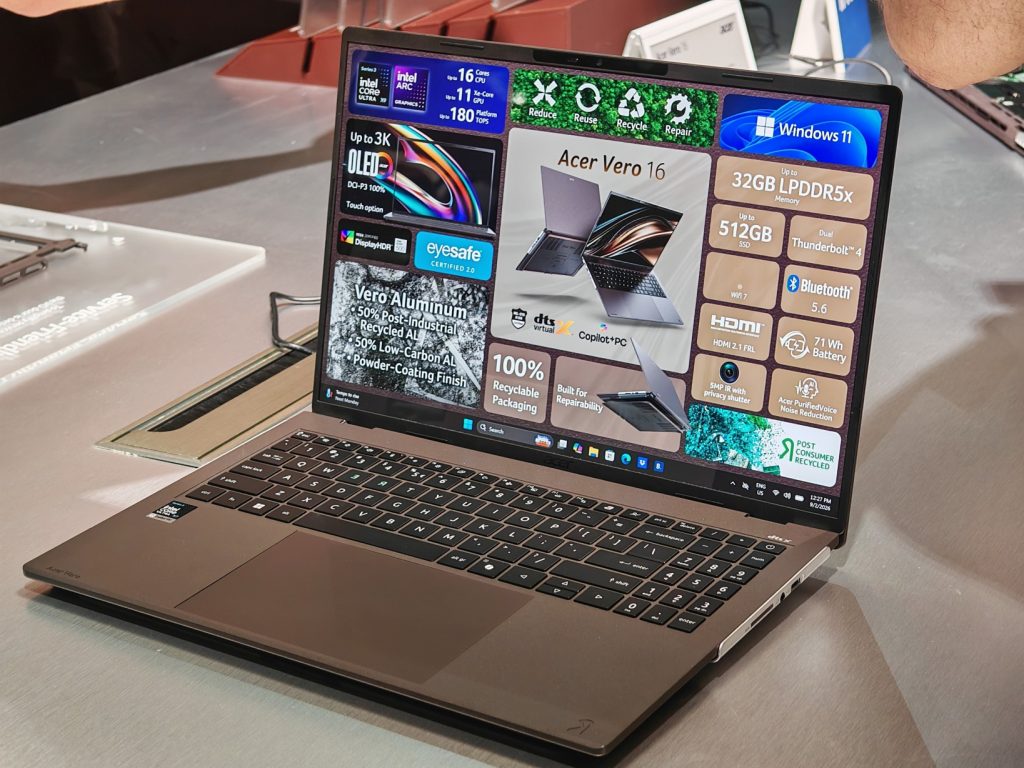
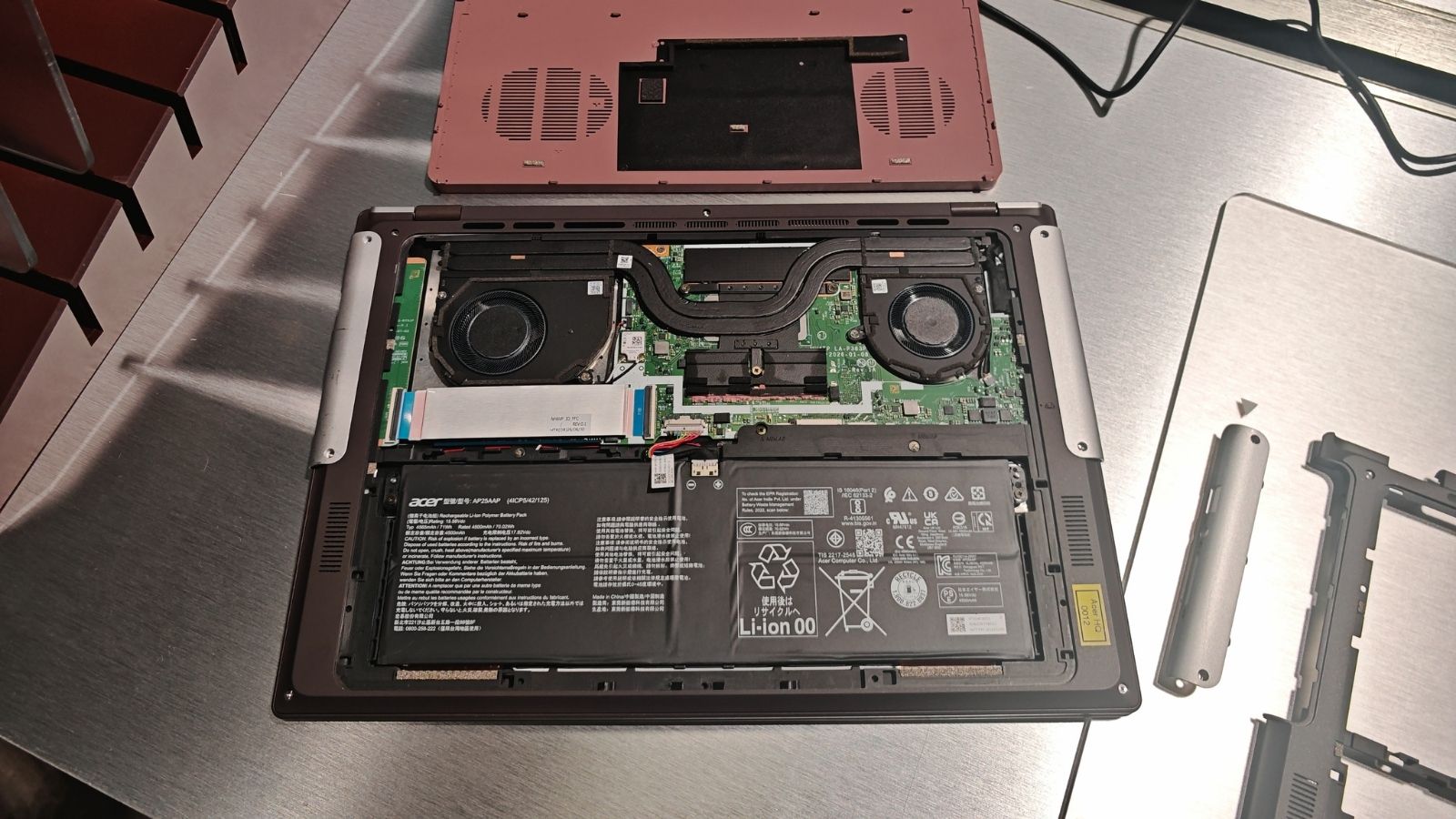
Of the four new laptops that Acer announced, the Vero 16 stood out to us most. This is Acer’s sustainability-focused laptop, which now supports a semi-modular design in the name of easily replaceable parts. If you’ve done any family tech support on a laptop, you’ll know how much of a pain it can be to open the thing up and fiddle around inside. The Vero 16 features an easily removable back panel that gives you quick access to the bits you might want to replace or upgrade down the line.
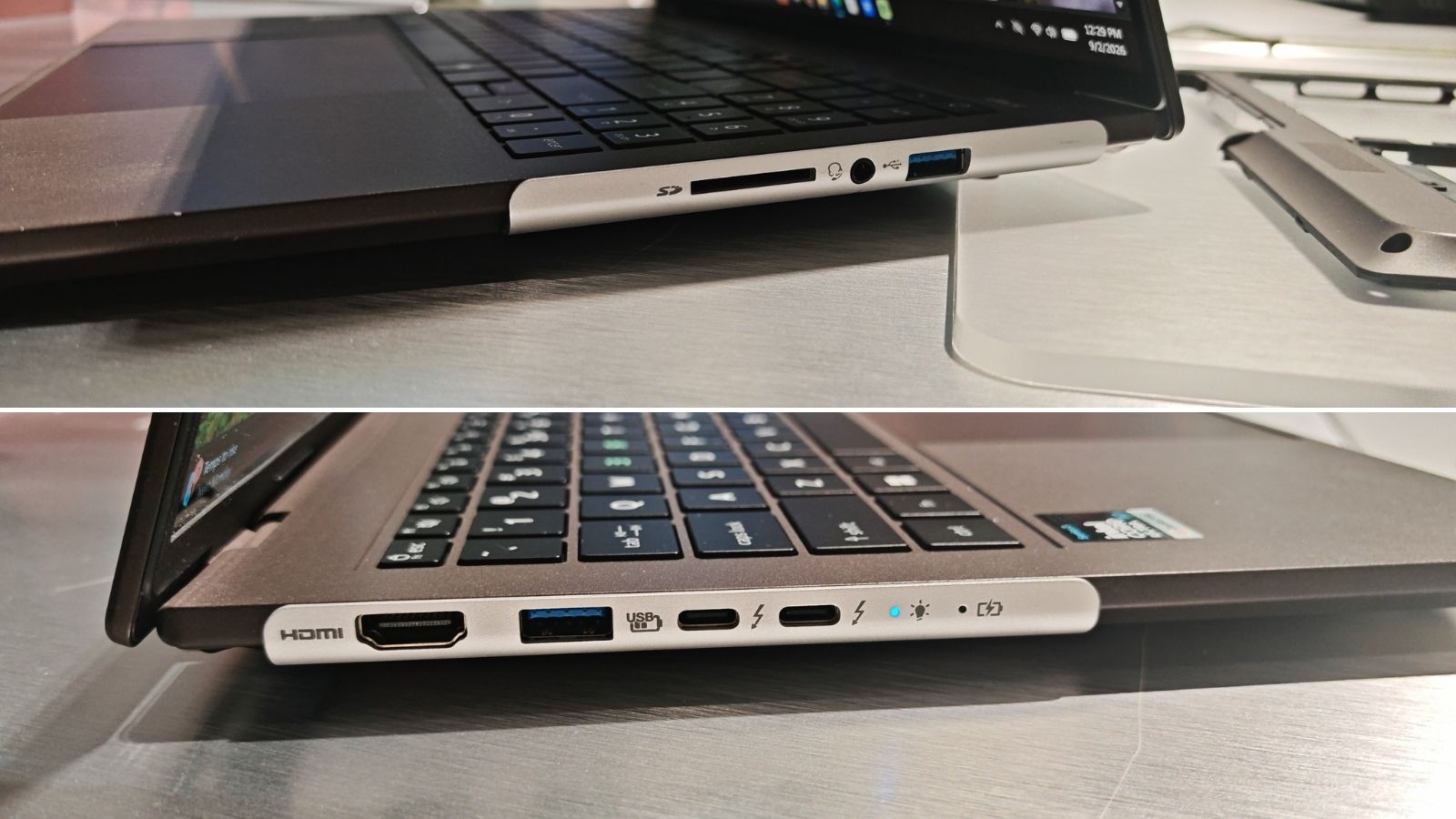
If you’ve ever owned a laptop for longer than 10 years, you’ll also know that the ports are often one of the first things to give up — that’s if you haven’t thrown coffee over it before then. The Vero 16’s ports can be replaced when that happens without you having to fork out for a whole new machine.
It might have a sustainability focus, but it’s still competent at being a laptop. It’ll feature a 16in OLED display, a 71Wh battery, and you can kit it out with the latest silicon from Intel (up to an Intel Core Ultra X9 388H CPU) and up to 32GB of RAM. The only downside is that we don’t think this one will make it to South Africa.
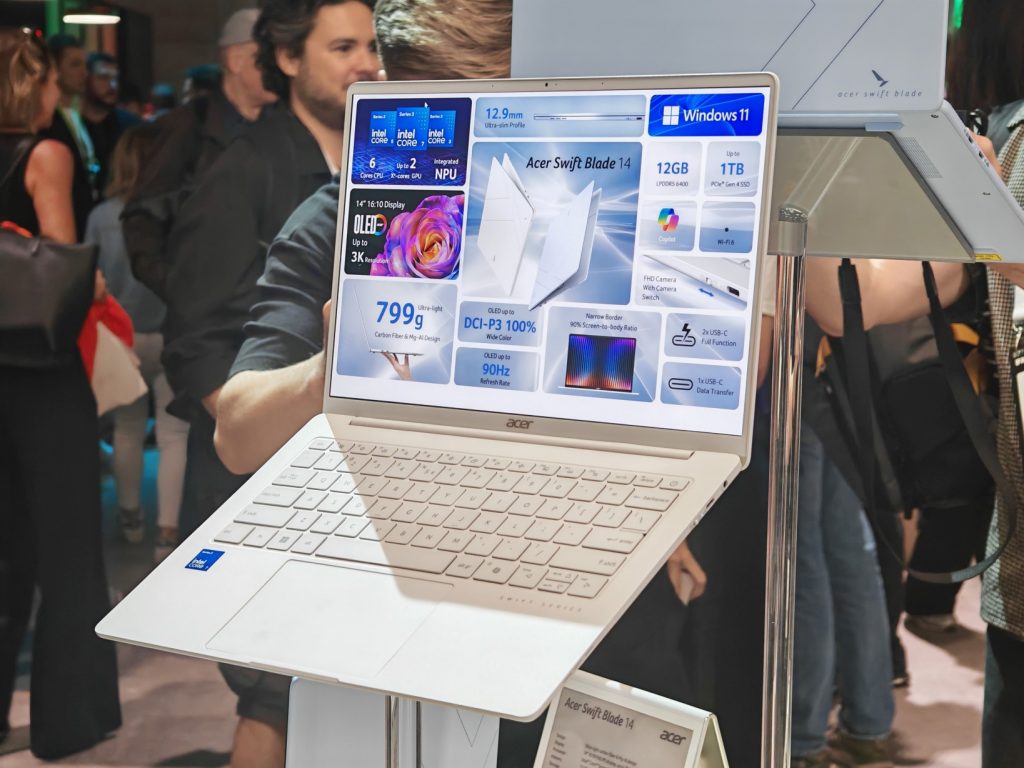
The other lap-based devices include the Acer Swift Air 16 and the Swift Blade 14. The former is your run-of-the-mill 16in laptop that’ll do you fine with multimedia consumption and spreadsheets alike. The latter is Acer’s answer to ‘Can I have a laptop that I might forget I’m holding?’
Tipping the scales at a mere 799g, we’ve seen chocolate bars that weigh more. The drastic weight reduction does mean you’re limited to a 14in display, Intel’s non-Ultra Core 3, 5, or 7 CPU and 12GB of on-board (non-upgradeable) DDR5 RAM. This one is for the folks who have their laptop permanently on their person.
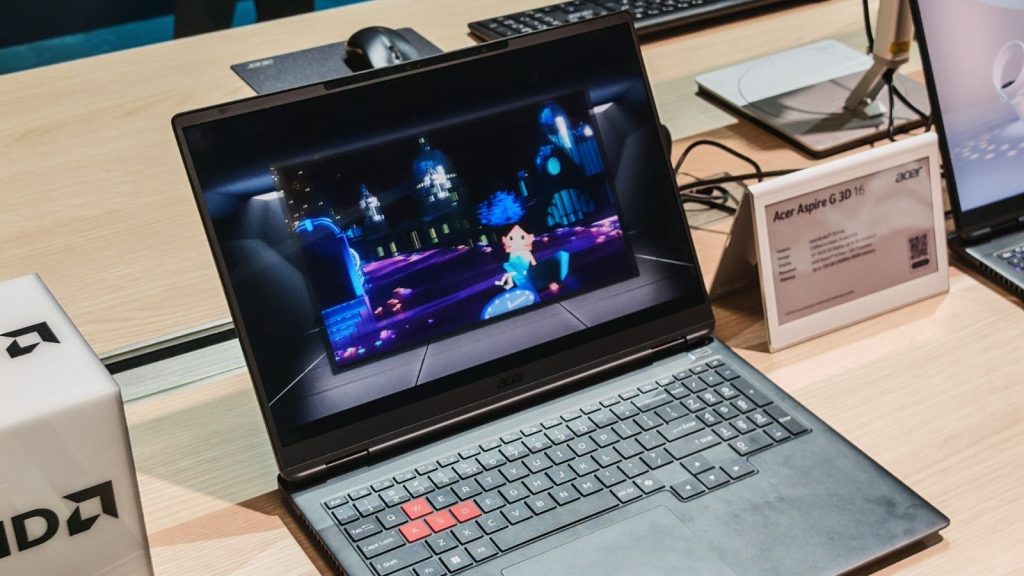
The last laptop is also interesting, if only for the novelty factor. Glasses-less 3D tech has been around for a few years, and Acer’s Aspire G 3D 16 is the latest from the company. It runs on AMD’s Ryzen AI Max+ 395 CPU, with up to 128GB of on-board RAM. The glasses-less bit lives just above the screen near the webcam, and involves dual eye-tracking cameras that trick your brain into thinking what you’re looking at has depth. It can also convert regular 2D content into 3D. A neat idea, but limited in usefulness.
Are you seeing this?
Since they aren’t really affected by the global AI-induced memory and storage shortages, Acer had a total of eleven display-related devices on show.
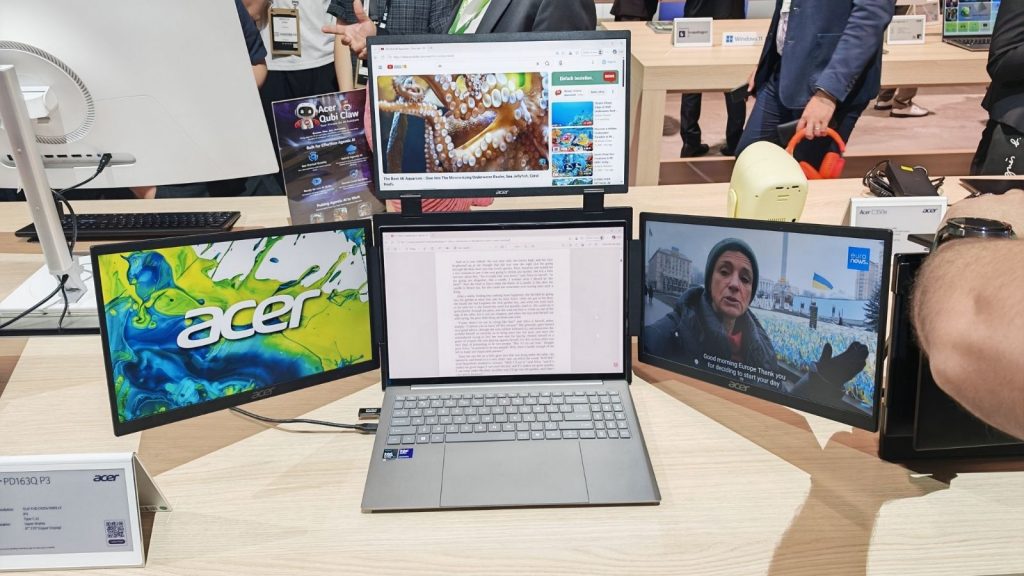
If you’ve ever wanted your laptop to have more screens, how does three more sound? The Acer PD163Q P3 is an array of three additional 15.6in display extensions that will make you feel like you’re Lucius Fox in The Dark Knight – or a stockbroker at a bank of Bloomberg terminals. It operates over a single USB-C cable, and they can fold away when you’ve had enough.
Then, there’s the Acer EP130K, an ePaper colour external display with a resolution of 1,600 x 1,200px and a 60Hz refresh rate. Great if you have to stare at pages of text for hours on end.
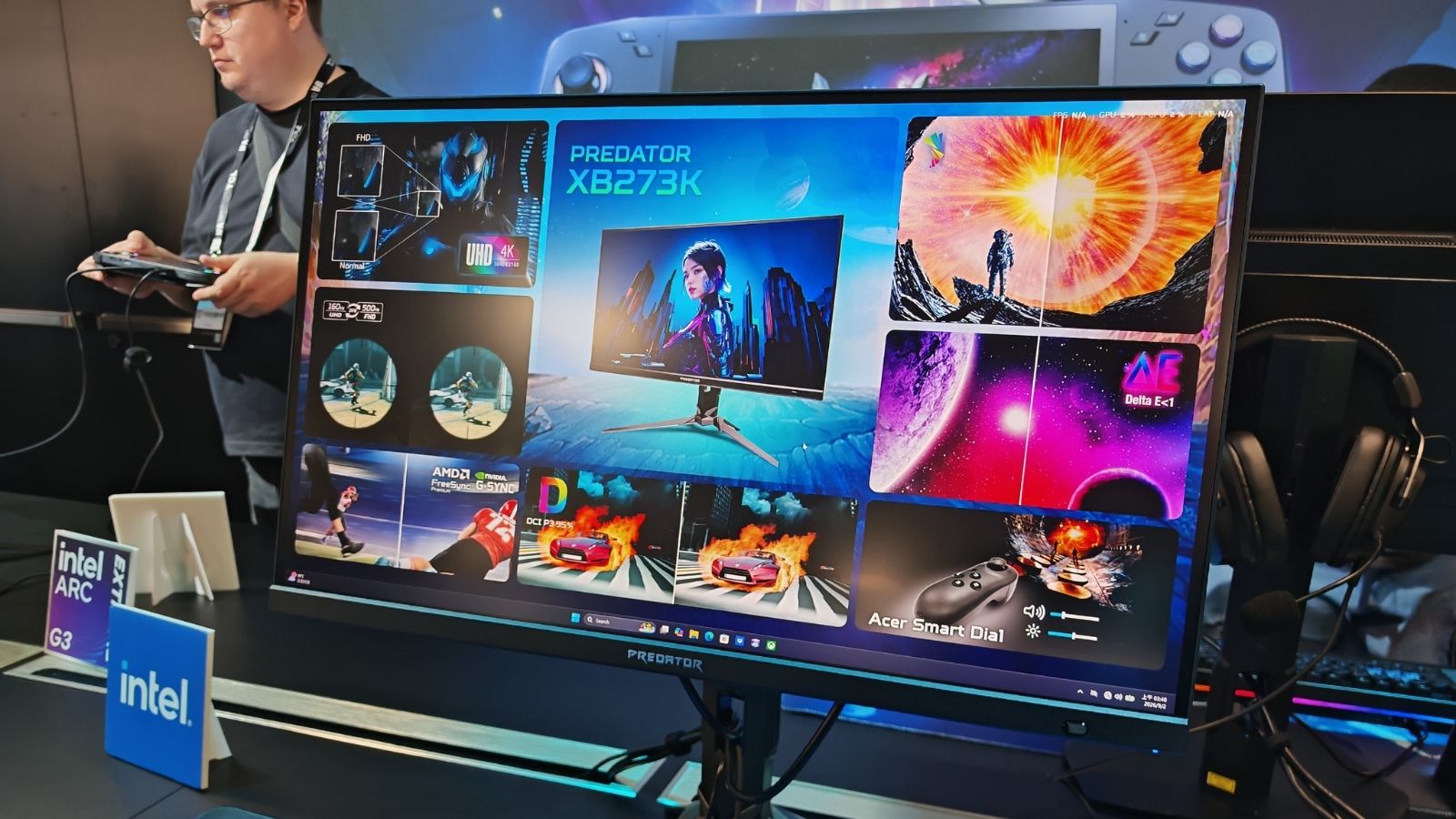
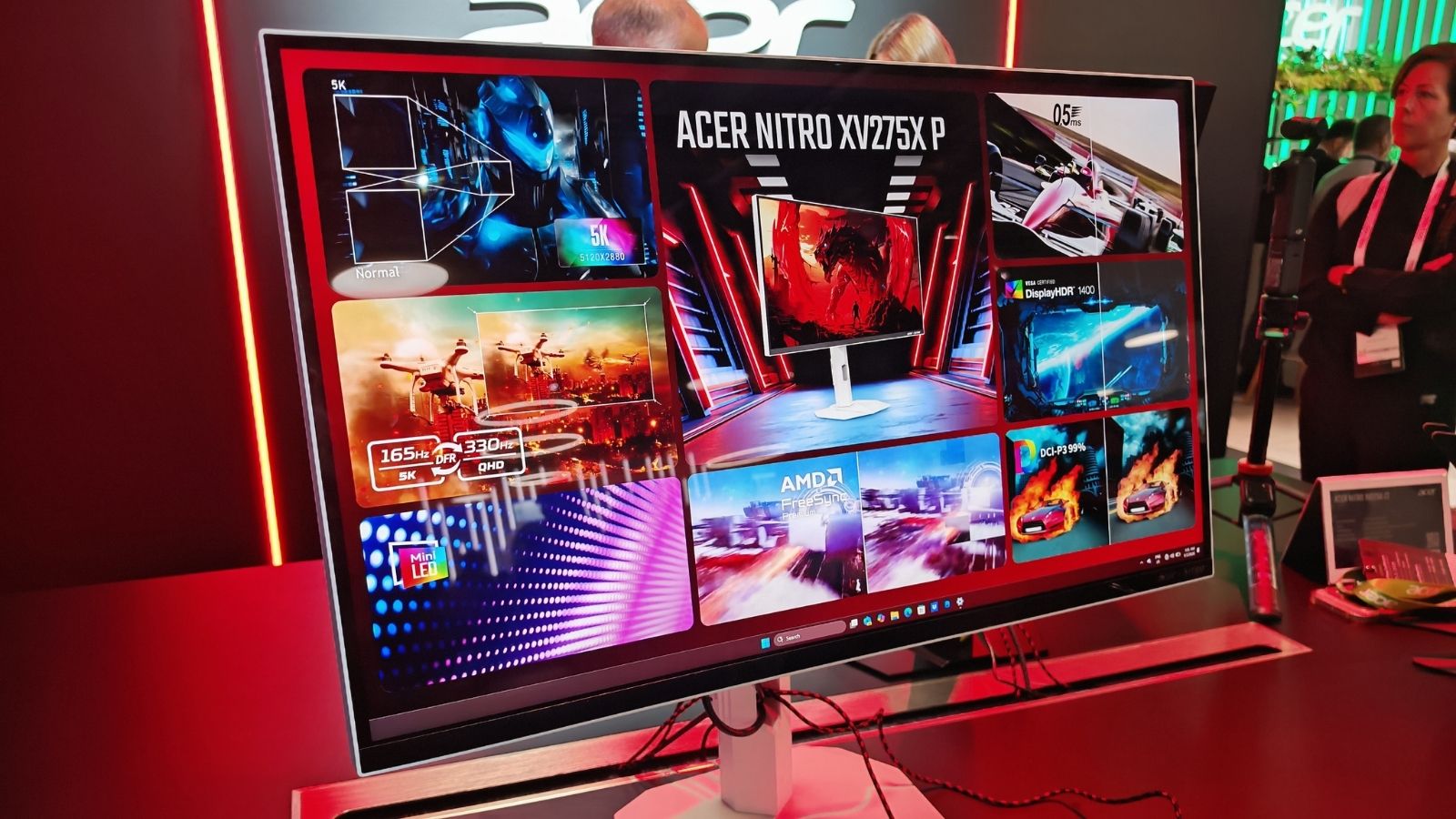
The rest of them feature a mix of display technologies (IPS, VA, and QD-OLED) with sizes ranging from 24.7in up to 32in. The one that stood out to us most was the esports-ready Predator XB253Q U1, and its 1,000Hz refresh rate at its native 1,920 x 1,080px.
Read More: Acer’s Predator Atlas 7 shrinks the screen, but retains the power
Most of Acer’s other displays boasted various forms of DFR (Dynamic Frequency and Resolution). The tech has gone from an expensive flagship feature to wider availability in record time, and we have Acer to partly thank for that. Hopefully, its local monitor assembly plant can tool up so South Africans can enjoy the tech at a lower price. Wouldn’t that be nice?
We’ll have more info, specifically about local availability and prices, when Acer SA confirms which of the new gadgets we’ll get in South Africa.