
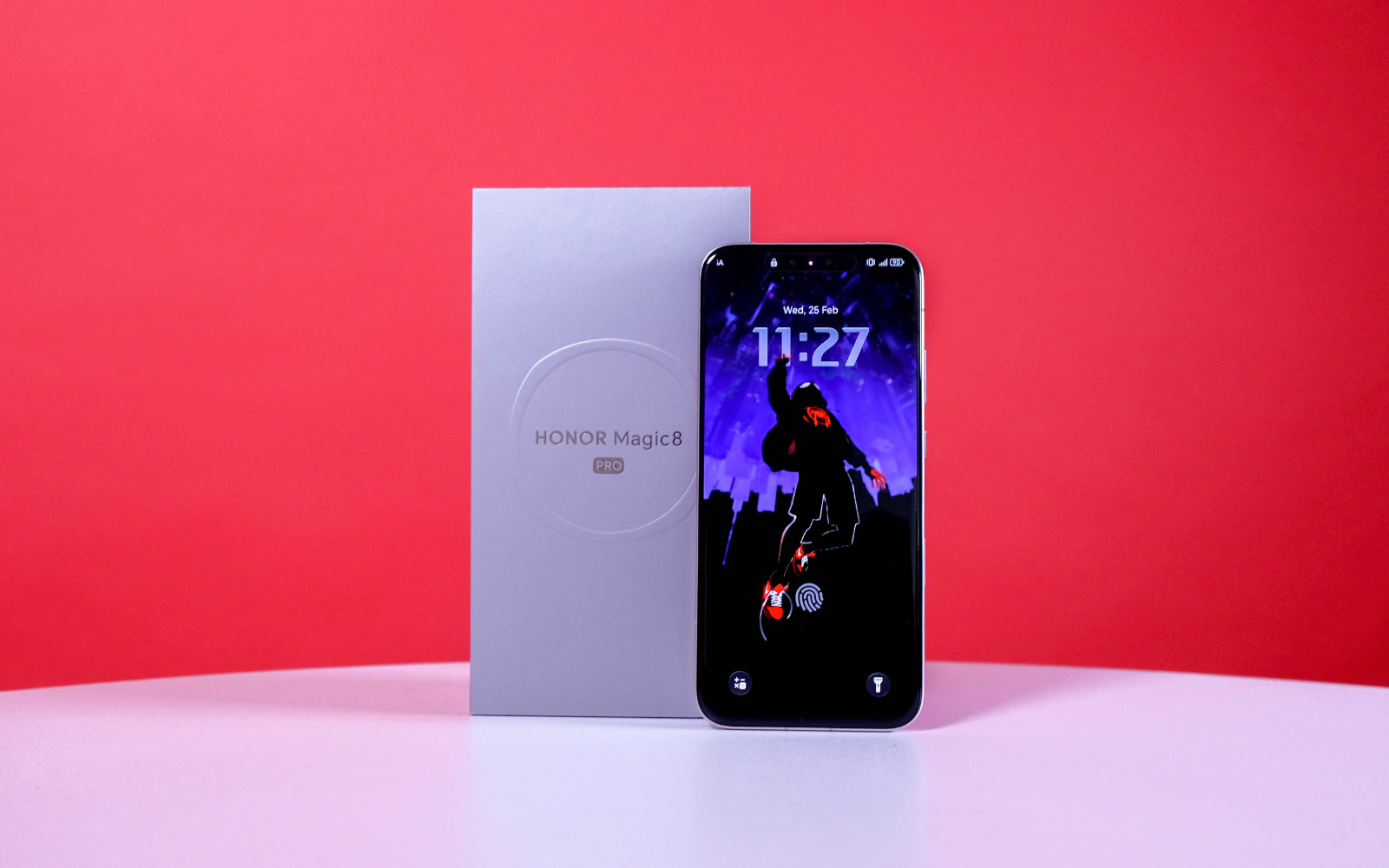
The Honor Magic 8 Pro is basically what happens when a phone borrows Apple’s homework, studies Samsung’s notes, and still turns up with a better score. It's a slick, shiny flagship that doesn't apologise for its over-the-top battery that, honestly, should be the norm in the big '26. It's not quite what we'd call "budget"at R28,000, but it'll try a damn sight harder to please you than the rest. We like that.
-
Design
-
Display
-
Performance
-
Battery
-
Value
Honor is always welcome at Stuff — whether it’s the Chinese company’s budget, mid-range, or flagship devices. The brand’s latest gadget, the Honor Magic 8 Pro, falls into the latter category with a rather impressive… well, everything. It looks like something Apple might’ve cooked up, and we don’t just mean in hardware. It’s got an Android suite that would make Samsung tear up — all for a price we’d call reasonable in this jungle.
Now you might not think R28,000 is reasonable, and we’d salute you. It’s not what anyone could call “affordable”, but compare it to something like Vivo’s X300 Pro, at a staggering R40,000, and it doesn’t seem so bad. That’s without the professional-grade lens, adding another R7,000 to the bill. Honor’s Magic 8 Pro may not go all-out where its camera is concerned, but it’ll give you 12,000 reasons for you to not, uh, care that much.
Shoot for Sunrise Gold
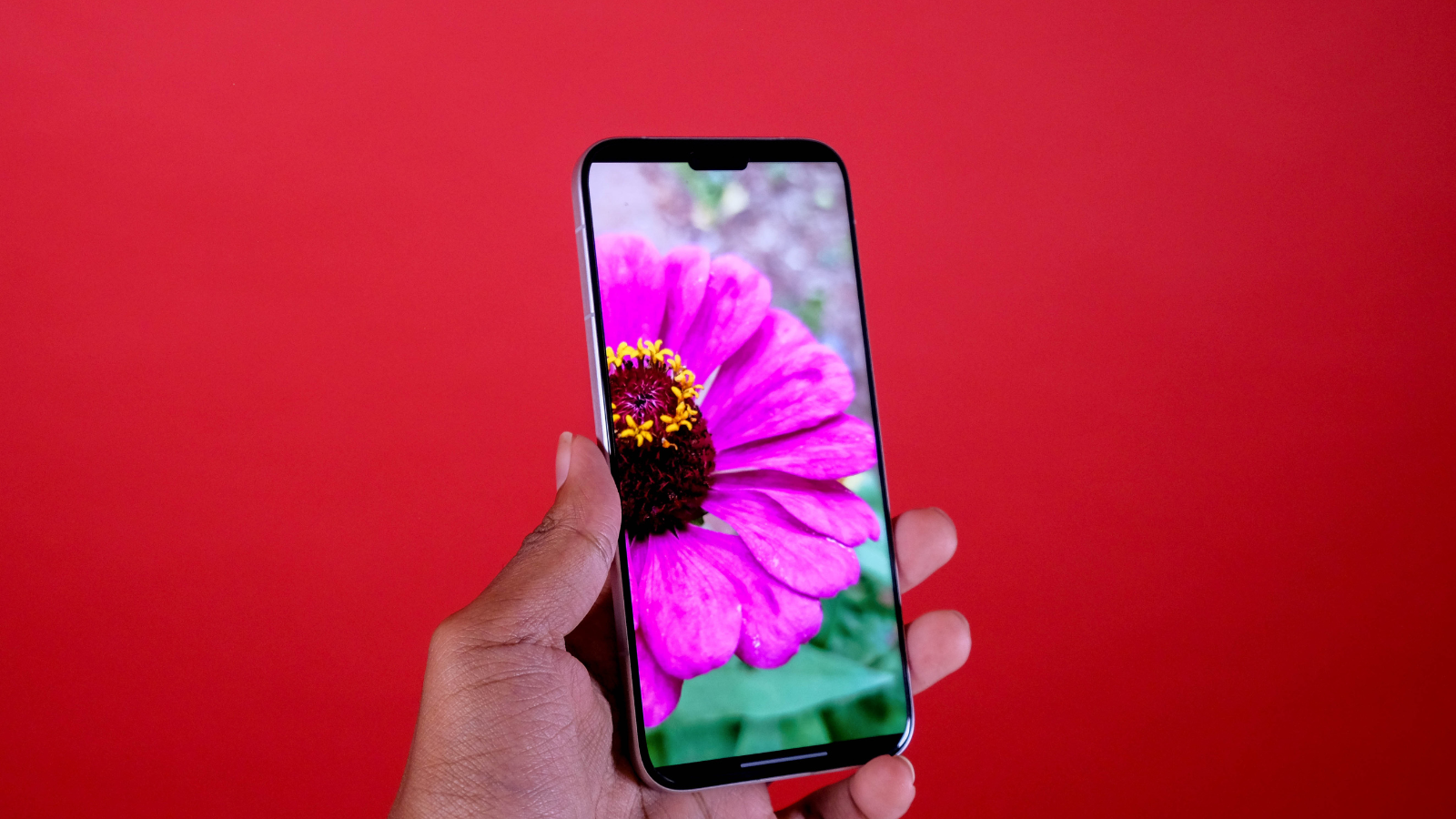
Look, we said this could be an Apple reject (maybe not in those exact words), and nowhere is that clearer than looking at the Honour Magic 8 Pro head-on. The rounded metallic corners, the thin bezels. You get it. You could say that for just about any smartphone these days, but rarely do they do it with as much style as the Magic 8 Pro.
It’s a different story ’round the back. Get past the 8.33mm-thick body and clap your eyes on the gorgeous Sunrise Gold colourway that we had in for review. There’s also Sky Cyan and Black, though neither compares to what we’ve got, particularly once it catches a few stray rays. It also does a decent job of fending off prints. Handy.
That’ll be the fibre-reinforced plastic backing. That might seem unusual for a flagship, but it works well here. For one thing, it keeps the weight down — 219g — essential for a device packing as much… stuff as this one does. Further resembling a modern iPhone, a dedicated ‘AI Button’ sits on the aluminium edge that was quickly reassigned to become a dedicated camera launcher. Its DSLR-like powers would be a bit of a waste otherwise.
The price for excellent camera tech is that it makes itself known in the way it protrudes on the rear a little more than we’d have liked, especially if you’re going coverless. One is included, but whatever. Keep that bit protected, and the rest should take care of itself. Honor’s little miracle is IP69K-rated, after all.
As pretty as the rear looks, it’s got nothing on what’s waiting on the other side. The 6.71in LTPO OLED display is technically smaller than last year’s model — but only just. It’s just as fantastic as ever, delivering an abundance of accurate colours, a dynamically refreshing 120Hz refresh rate, and up to 6,000 nits of brightness. More impressive was its ability to drop to a single nit, useful for when you reach over to your phone to start doomscrolling every morning.
The numbers, Mason!
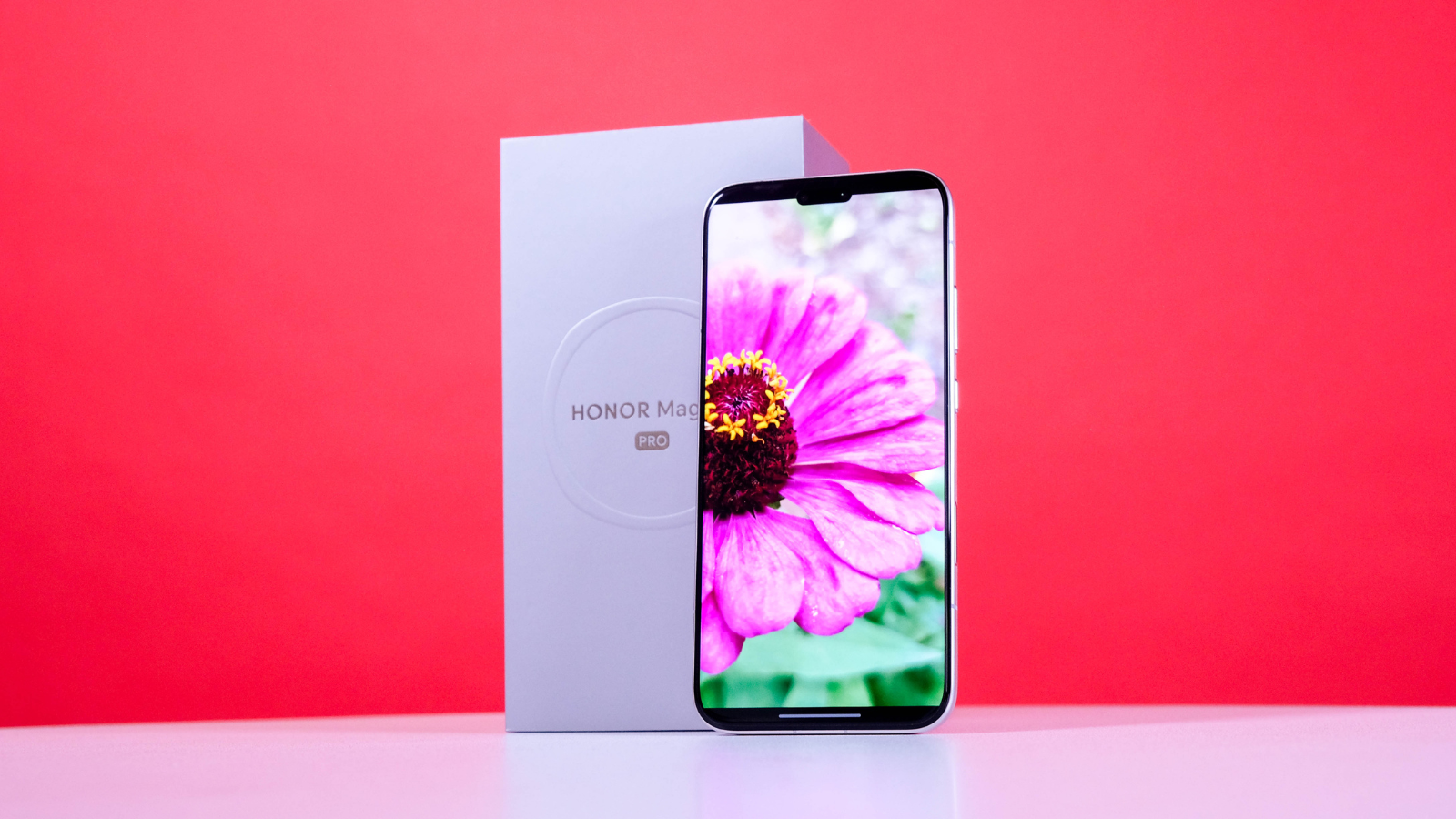
It wouldn’t be much of an upgrade if Honor didn’t deliver the usual enhancements to the chipset powering the thing. Honor hasn’t disappointed here, sticking Qualcomm’s Snapdragon 8 Elite Gen 5, plus 12GB RAM, for the ride. That puts it on par with the Galaxy S26 flagship. On paper, that’s a good thing. Practically, it’s even better.
The Magic 8 Pro had no qualms when it got down to the nitty-gritty. AKA, a couple of open Chrome tabs, Subway Surfers footage playing over Subway Surfers, and about a million queries for Honor’s AI system. For many, that’s already plenty. It’ll handle heavier tasks, but if you’re spending this much money, go for something dedicated.
We doubt there’ll be many who can make the Magic 8 Pro stutter. We certainly couldn’t, even after throwing CSR at it with no degradation to image quality or smoothness. Even so, we ran it through a couple of tests to see how it stacks up against the big boys. It maxed out 3DMark’s Sling Shot Extreme OpenGL test, prompting us to run it through some stress tests. It also pulled down decent scores via Geekbench 6, as seen below:
- Geekbench 6 (Single core) avg: 3,443
- Geekbench 6 (Multi-core) avg: 9,855
- Geekbench 6 (GPU score) avg: 23,742
- 3DMark Wild Life Stress Test avg: 22,407
- 3DMark Solar Bay Stress Test avg: 11,951
Numbers can’t accurately explain Honor’s mastery of MagicOS, either. For the most part, it’s the stock Android look and feel, with a few changes here and there. But it’s those changes that lent themselves to making this one of the more personal Android experiences we’ve had. There’s a setting for everything; you just have to look. Hard. We grew particularly fond of double-tapping the reinforced plastic to wake the torch or turn it off.
Its best traits, however, are wholly Apple-fied, despite the Android skin. That Magic Capsule disguising the notch is just a fancy word for ‘dynamic island’, and don’t even get us started on its Liquid Glass look. It’s not nearly as jarring as Apple’s implementation, though, which is a win in our books.
Far and away, the Magic 8 Pro’s greatest strength is its battery life. It’s all thanks to the 7,100mAh battery, which takes some doing to get it to zero in a timely fashion. Even with no concessions, the Magic 8 Pro barely scratched the 60% mark after a long day at work. It’s made more impressive with its 80W and 100W wireless and wired charging. Plug it in, hold the screen, and you’ll unlock ‘Turbo’ mode. It’ll go from 0 to 100 in roughly 40 minutes.
Fist my bump?
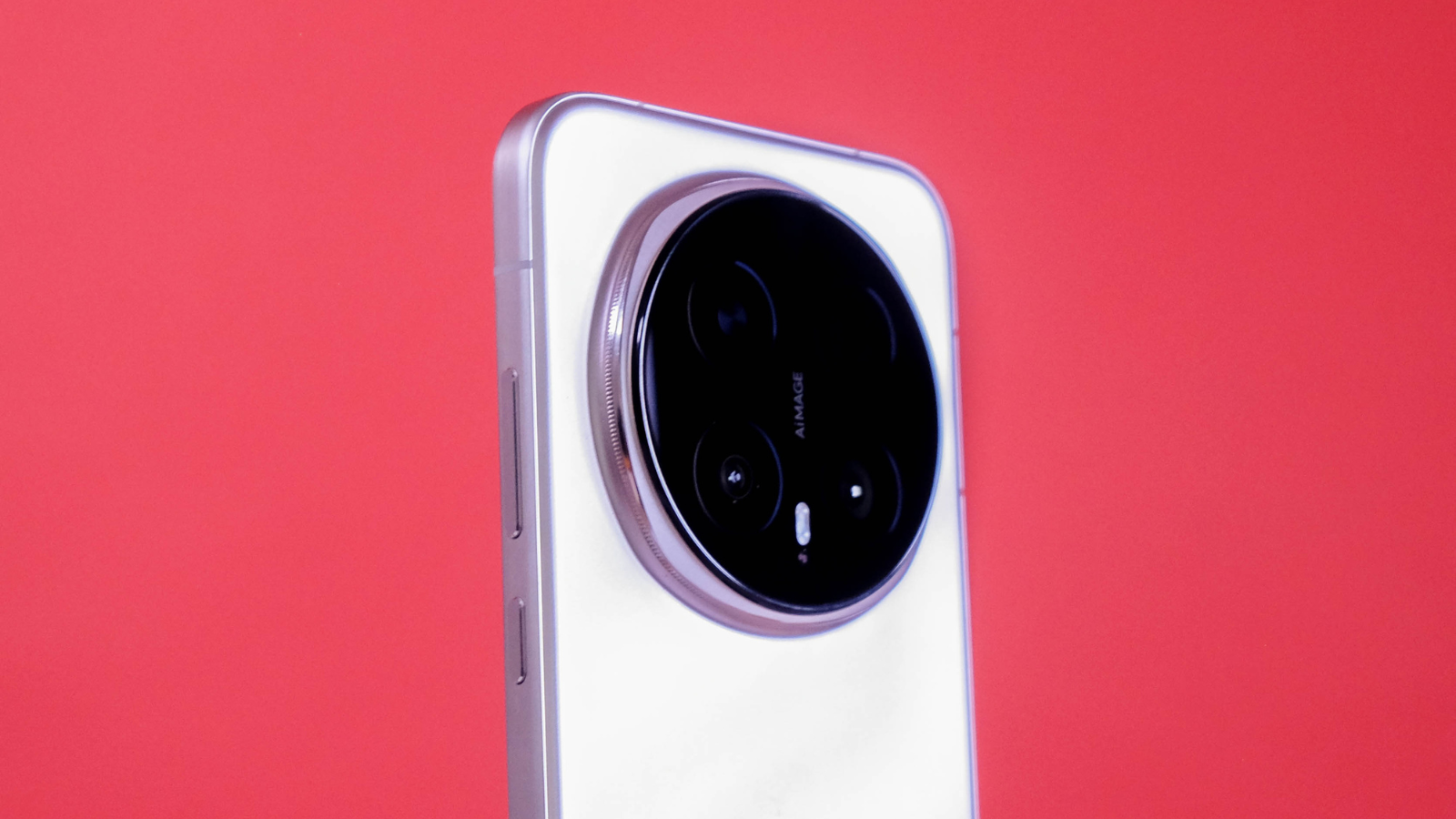
There aren’t many that can seriously hope to take on the Magic 8 Pro’s camera ambitions without some serious gear to help them out. The Vivo X300 Pro is a match, sure, but it also likes to hide behind a R7,000 photography kit. Honor’s hardware is reliant on only that, its hardware. For the most part, it’s retained the same tech that we saw in last year’s Magic 7 Pro, though now boasting CIPA 5.5-grade OIS and a sturdier 3,7x lens.
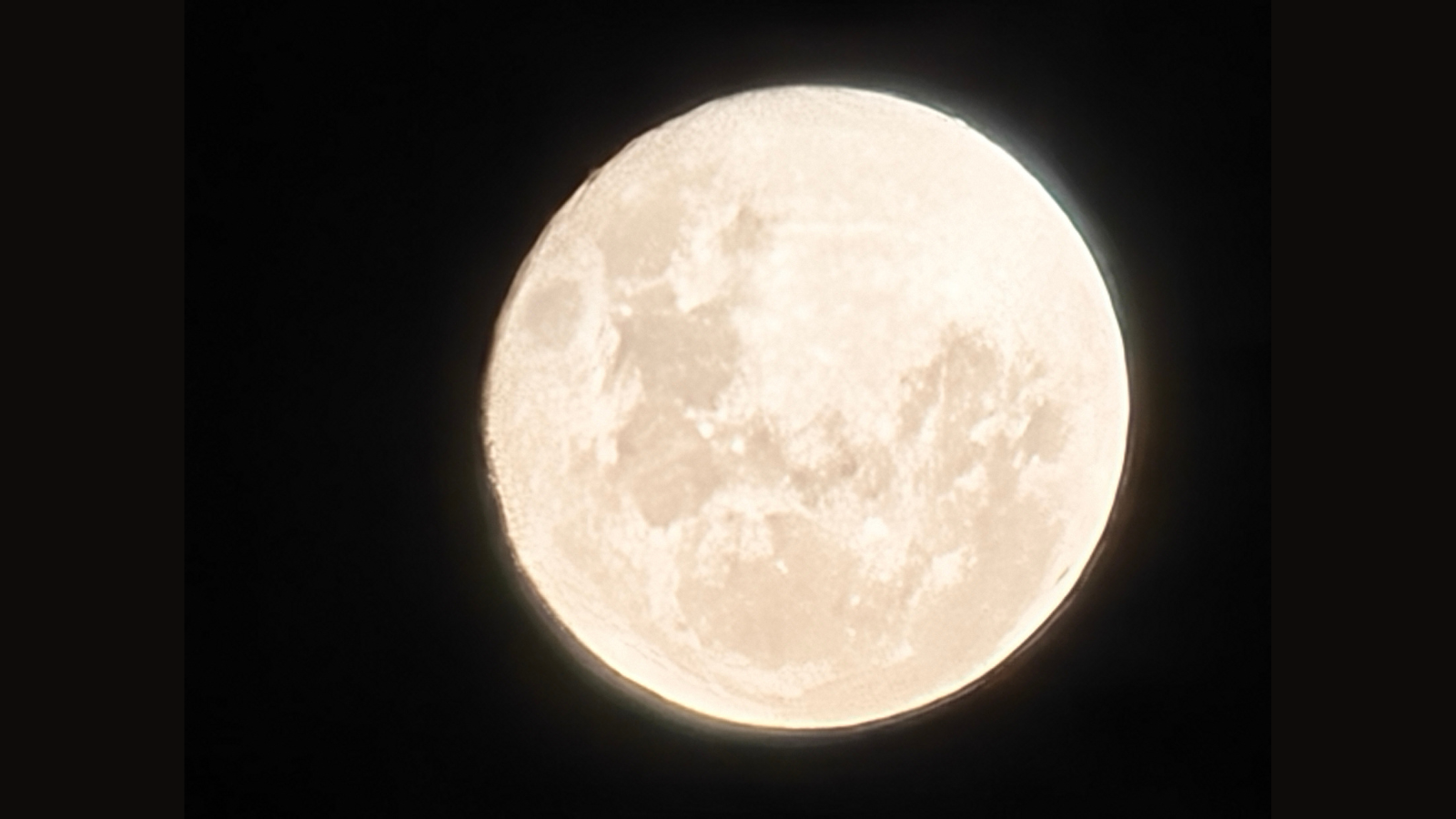
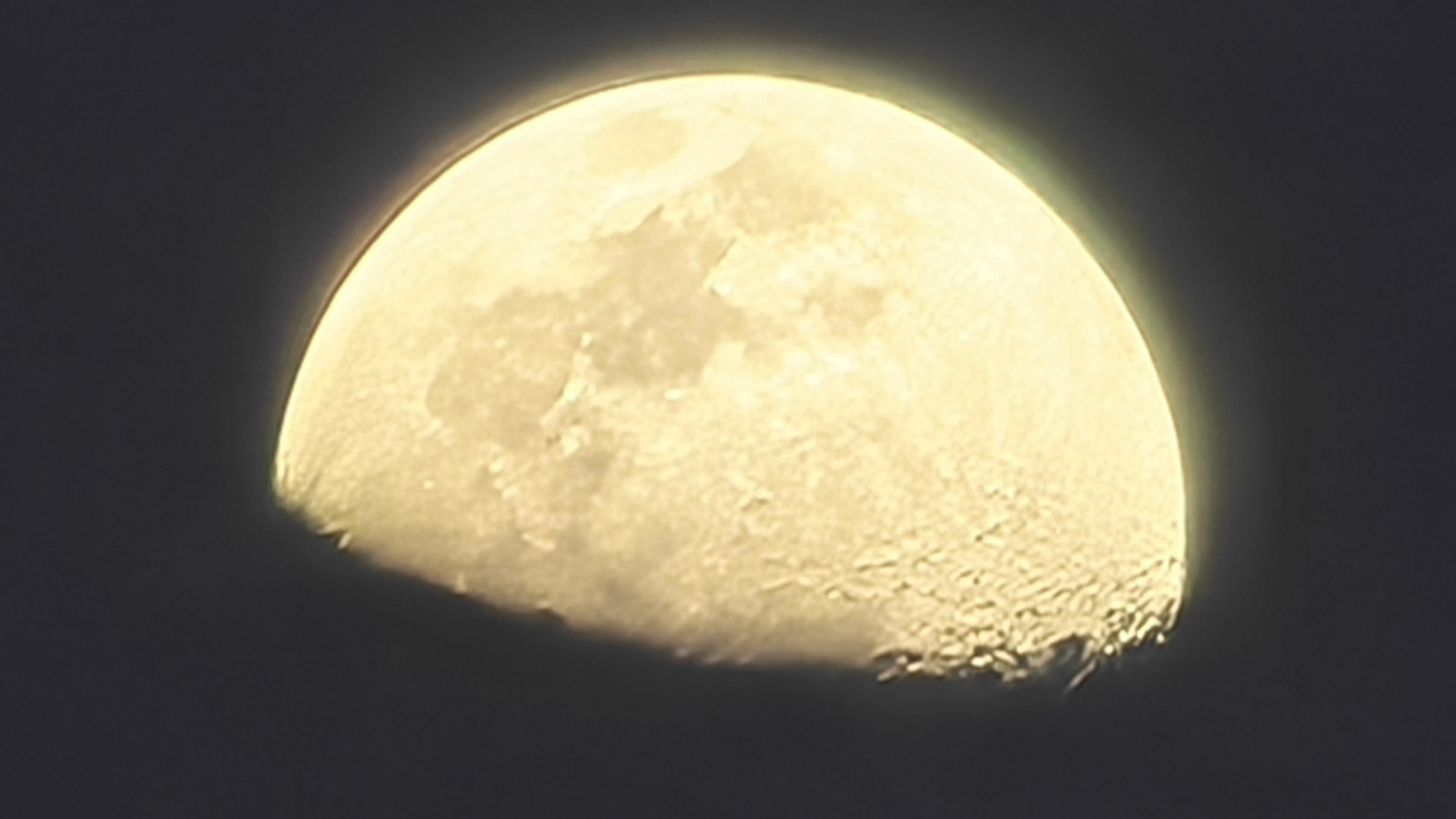
It’s that CIPA score that enabled us to take somewhat decent shots of the Moon without first stabilising it on a tripod. It could look better, sure, but for a hurried attempt, it’ll still impress the rest of your family.
What about a little closer to home? All three sensors fared well, and without much tinkering. The main 50MP shooter handled just about everything we threw at it, with no complaints. Colours turned out well, even in… less-than-flattering lighting conditions. The same is (mostly) true for the 3,7x 200MP telephoto lens, though Honor’s smarts under the hood tended to oversharpen our images a smidge. Blurry edges were also a concern, at times.
It’s nothing some elbow grease and tweaking couldn’t fix, in most cases. Even in some of the dodgiest lighting conditions, the Magic 8 Pro held up its end of the bargain, delivering accurate colours and hardly any noise on the fantastic display. We had as great a time with the 50MP selfie shooter as the rest.










Honor Magic 8 Pro verdict
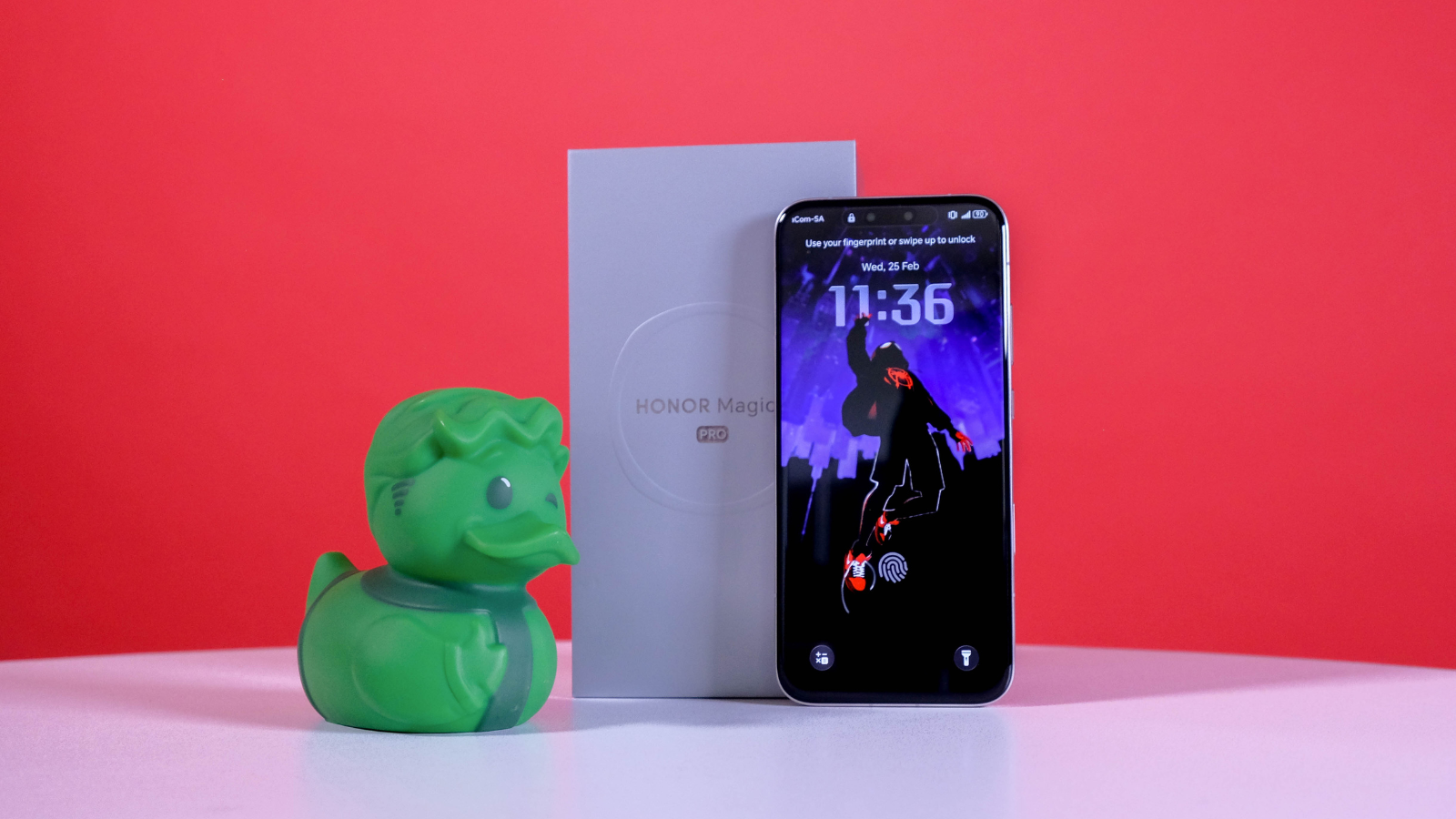
When it gets down to it, Honor’s Magic 8 Pro does just about everything you could ask of it. No complaining. No fuss. It’s swift, lasts forever on a single charge (as long as your definition of ‘forever’equates to a smidge over 48h) and packs in a camera system that — while not perfect — will rarely ever let you down. Sure, it borrows heavily from Apple’s homework, but it backs up that asking price with tangible performance you don’t see everywhere.
That makes the R28,000 asking price (12GB of RAM and 512GB of storage) for the model the company has brought into the country look good. You could even snatch it for less if you’re lucky. Neither are small numbers for anyone, but in contrast to comparable flagships, it’s not a bad deal. Take a look at Samsung’s Galaxy S26 Ultra, which you’d be lucky to find for under R30,000. Or even Apple’s iPhone 17 Pro, toting half the storage. You get the idea.