
Elon Musk has a new vision. No, not that one. A new-new vision. Instead of Mars, he’s now setting his sights on building a base on the moon. He needs this “self-sustaining” base to launch satellites. The same satellites were the data centres in space that were his (old) new vision.
It wasn’t that long ago when he also merged SpaceX with the loss-making xAI, which itself “acquired” the loss-making X (formerly known as Twitter). It came in the same week the European Commission raided the offices of #WhatWasOnceTwitter over its lack of content moderation. The latest blatant disregard of privacy came this year when xAI’s Grok chatbot allowed anyone to create sexualised images of people, all without their consent. It’s as horrendous and invasive as it sounds.
Instead of disabling it, Twitter made it a paid-for feature and let the blue-ticked crowd carry on putting children in bikinis. In all, an estimated 3-million such images were created, of which 23,000 were of children.
Moonshots and meltdowns
Last week, two of the co-founders of xAI quit amid the latest scandal to engulf the world’s richest man. It goes on and on. I yearn for the days when Musk’s outlandish moonshots were the ideas of a brilliant, entrepreneurial genius. Now they sound like the ideas of a man hopped-up on ketamine, which he reportedly takes in such proportions that it has given him incontinence, a known symptom of overuse.
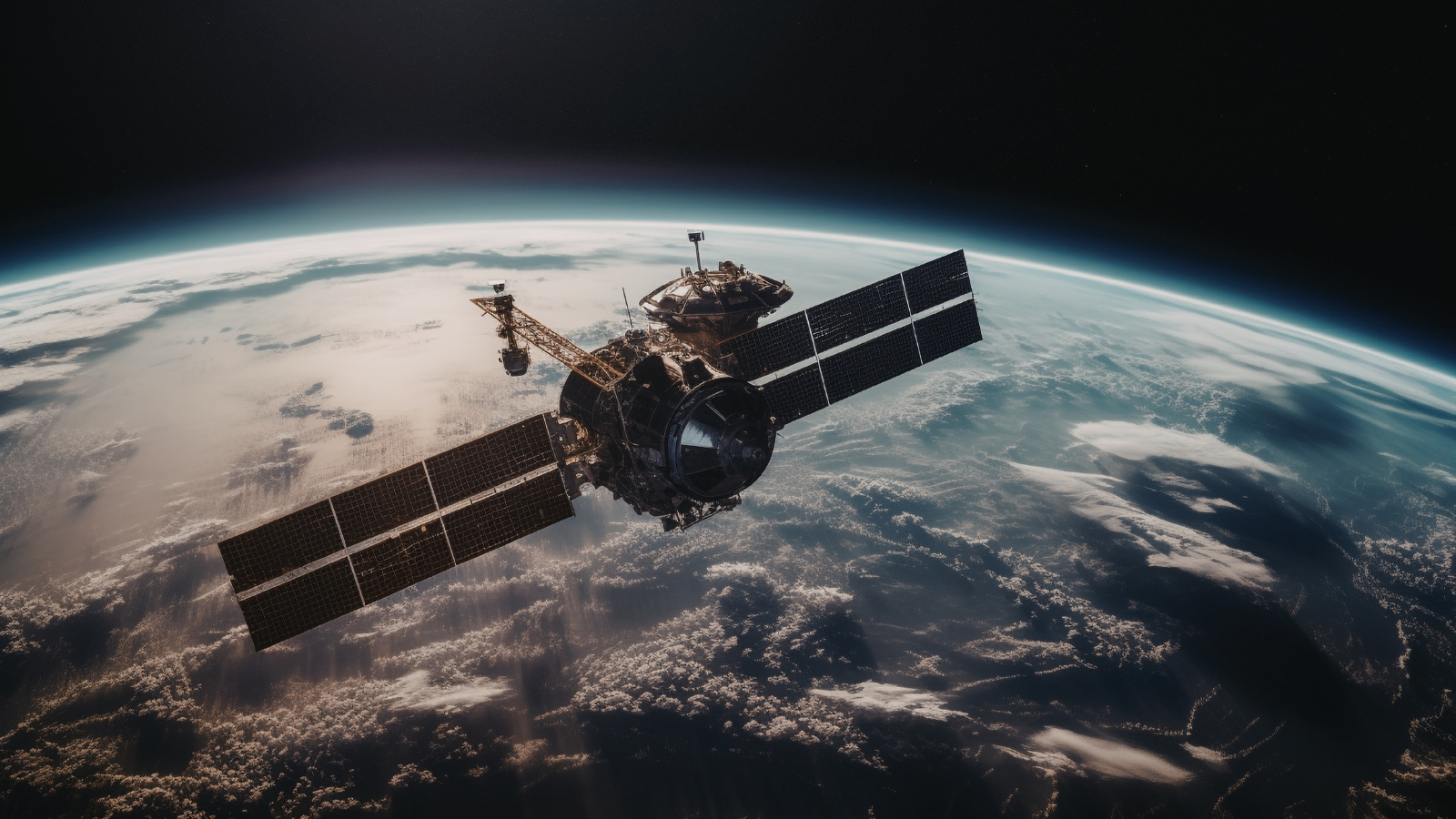
A base on the moon building satellites for low-earth orbit that will eventually be a massive data centre in space sounds like the plot of a science fiction novel, of which Musk is a big fan.
Before he lost the plot and began making Nazi salutes, Musk named the robot barges onto which his SpaceX rockets landed after spaceships from Iain M. Banks’ excellent Culture sci-fi novels. That was “peak geek”, and I loved that wonderful homage to Banks, whom I met 25 years ago at a book signing. As an aside, Banks was an outrageously funny speaker.
Musk was in full hyperbole mode in his pie-in-the-sky memo to SpaceX staff about the merger with xAI. “This cost-efficiency alone will enable innovative companies to forge ahead in training their AI models and processing data at unprecedented speeds and scales, accelerating breakthroughs in our understanding of physics and invention of technologies that benefit humanity,” he wrote.
Of course, this will benefit his shareholders long before the rest of us see any such advantages.
Musk argues that “current advances in AI are dependent on large terrestrial data centres, which require immense amounts of power and cooling. Global electricity demand for AI simply cannot be met with terrestrial solutions, even in the near term, without imposing hardship on communities and the environment.”
TechCrunch points out the irony of xAI being “accused of imposing some of that hardship” on the communities near its data centres in Memphis, Tennessee. (ProPublica)
But, if you look at the numbers, the real reason is that xAI is losing money at $1 billion a month, according to Bloomberg. Meanwhile, the tie-up inflates SpaceX’s potential IPO value from the $800 billion it was estimated at in December to over the $1 tillion mark.
AI firms, led by OpenAI, are spending hundreds of billions of dollars a year on rolling out the data centres that are required for the intense computing power – frustratingly reduced to the word “compute” to make it sound more impressive. Musk must know cash-rich AI investors will want to get in on the action and will now get a big upside in the SpaceX listing.
After the inevitable IPO – Musk has taken over Steve Jobs’ famous “reality distortion field” so it will be oversubscribed and will fuel his already out-of-control egomania – there is still a lot of physics standing in the way of sticking data centres in space.
The first big problem is the cost. Google argued in a paper last year that it would be viable if the industry could reduce its price to $200 per kilogram.
The next big problem – insurmountable, I hasten to add – is that the processors that power these data centres need to be replaced – every few years. It’s more difficult (not to mention costly) to do that in space. Obviously.
This, supposedly, is where Moonbase Alpha, as Musk is calling it, comes in. Perhaps, as well as building satellites themselves, it can replace the chips that go inside them. Except for the fact that the moon is a three-day callout trip away. That means you’d have to get a technician into space to swap those chips (using a SpaceX rocket), but that ain’t going to be a cheap exercise either.
Meanwhile, the whole satellite needs to be protected from the fierce radiation our atmosphere gives us as part of a global service-level agreement (SLA) – for free.
For all the arguments about free space and free power (from solar), there are equally as many counterarguments for common sense and logic against an expensive data centre in space.
I’m conflicted about Musk and his unconscionable actions in feeding USAID into the “woodchipper” versus the amazing potential of another of his companies, Starlink. I earnestly believe it is a game-changer for connectivity, especially in rural areas. I know many farmers, Joburg semigraters, and retirees who are desperate for its fibre-like speeds and reliability.
But think of the schools, clinics, hospitals, police stations, and community halls that can get online and all the benefits of that. Online health records, case dockets uploaded digitally so they can’t be “lost”, and Wi-Fi for kids to do their homework.
That would be a wonderful game-changer down here on earth.
- This column first appeared in Business Day