
Keep your eyes peeled for the ‘new’ iPhone 17e
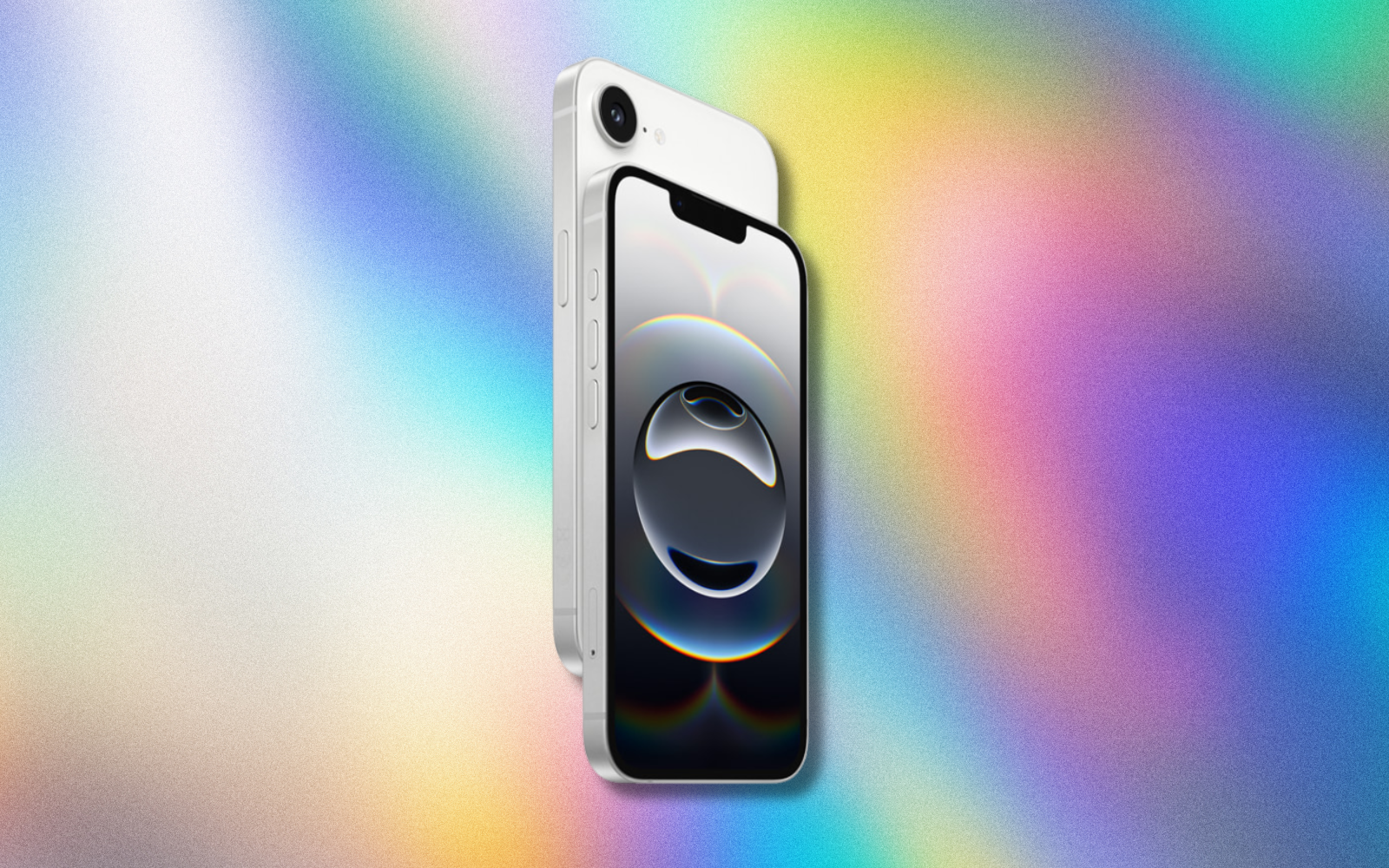
It won’t be long until Apple unleashes its first wave of products for the year, which include a swathe of new iPads, Macs, and the iPhone 17e — replacing the Fruit Company’s budget-centric blower that emerged last year. Bloomberg’s Mark Gurman reckons the latter deviceis “due imminently” with the A19 chipset stuffed inside.
That, along with MagSafe charging and Apple’s latest cellular and wireless chips, are the only upgrades buyers can expect to see for the new phone this year. There’s still no telling exactly when it’ll land on shelves, but Gurman assures readers that Apple’s sticking with the $600 price that the 16e launched with — practically writing Apple’s whole marketing campaign: “You’ll get more features for the same cost.” Right… ‘features’.
Apple will seemingly launch a bigger-than-usual marketing push for the device to “users in emerging economies and enterprises”. South Africa is certainly one of those. More immediately appetising are the similarly minor upgrades for the iPad line-up. While most of the iPad family is only due for a basic processor upgrade, the iPad mini will get a fresh coat of OLED paint later this year. Also on the horizon are new M5 MacBooks.
PS$600?
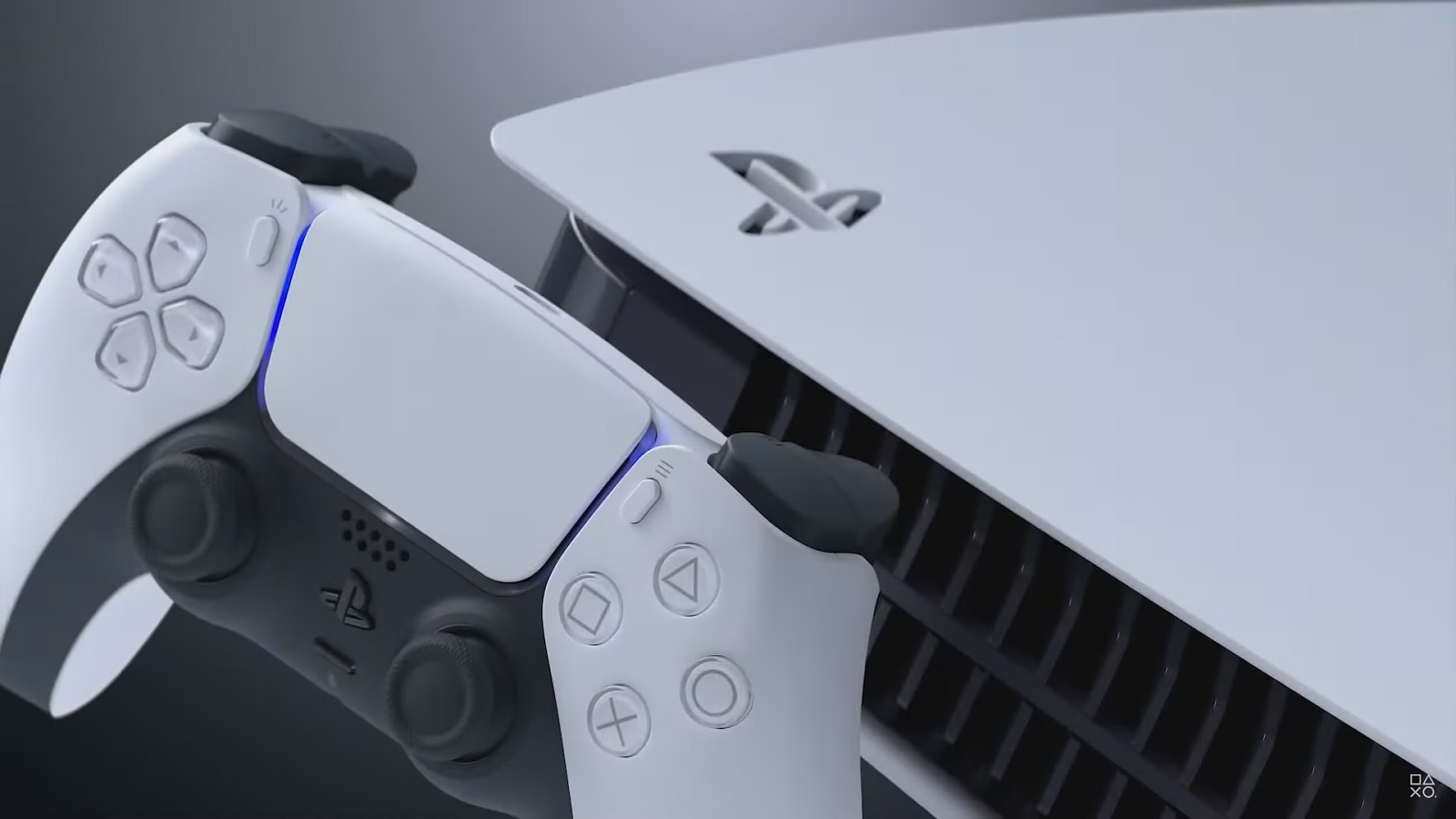
If you had hoped Sony’s next PlayStation console would be even somewhat affordable, you haven’t really been paying attention. Not only are hardware prices skyrocketing thanks to the world’s collective thirst for artificial intelligence, but rumours indicate that the PlayStation 6 will pack 30GB of RAM, with a price hike baked right in.
30GB of GDDR7 RAM, to be specific. That’s almost double the 16GB of GDDR6 RAM the PS5 currently offers. Of course, with no official statement from Sony, there’s a chance the rumours are just that: rumours. That seems unlikely considering the news comes from leaker Kepler L2, who has proven themselves reliable before.
Kepler’s report mentions that the next-gen console would run on a 160-bit bus, delivering 640GB/s of memory bandwidth. It’ll utilise 3GB modules, with ten such units spanning the motherboard. If Sony really is hoping to kick off manufacturing by mid-2027 as previous leaks suggest, it — and then customers — must likely contend with a potential $100-or-higher price hike than the PlayStation 5, which launched at $500 back in 2020.
It’s a bird! It’s a plane! It’s… JLab’s oversized headphones
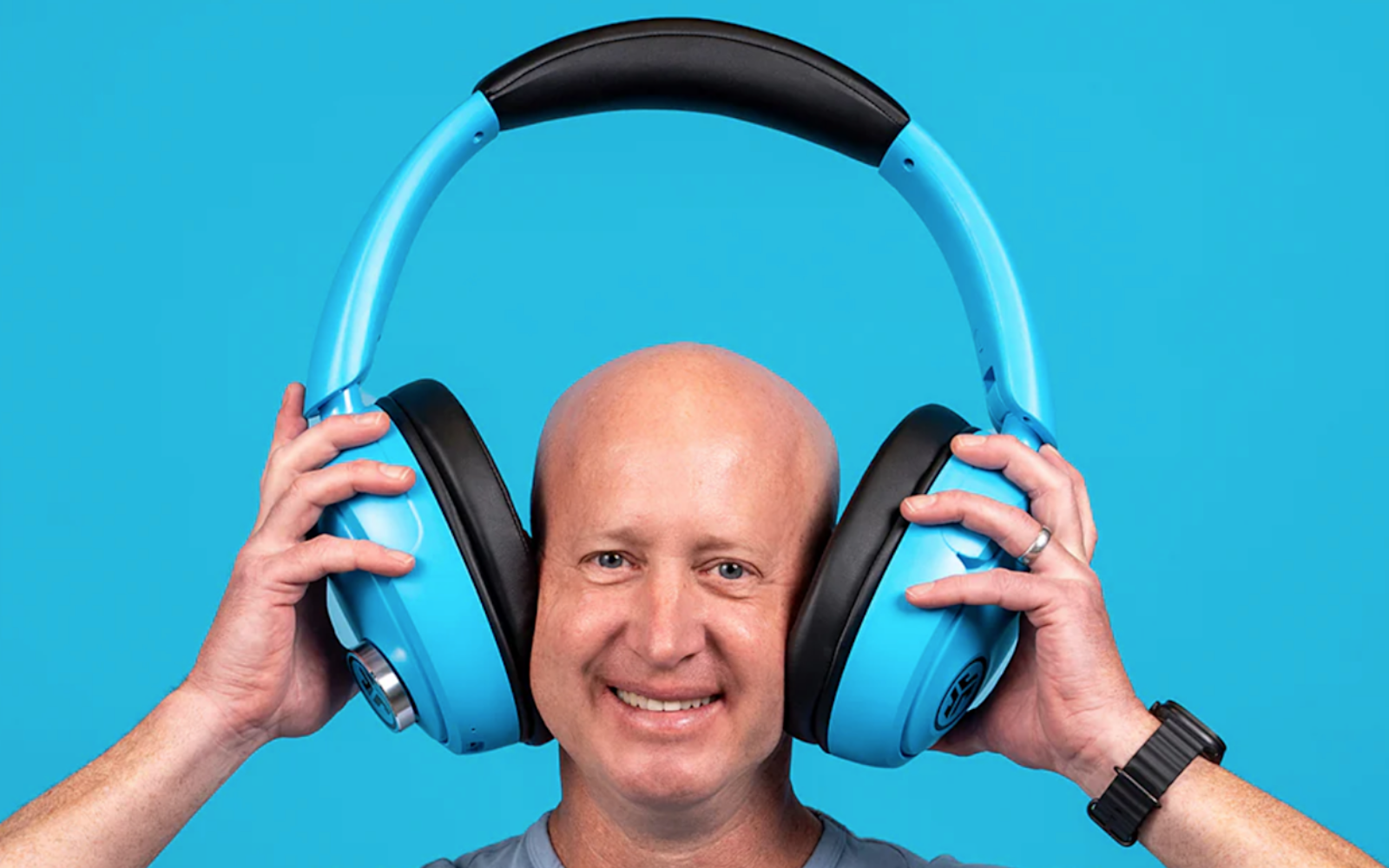
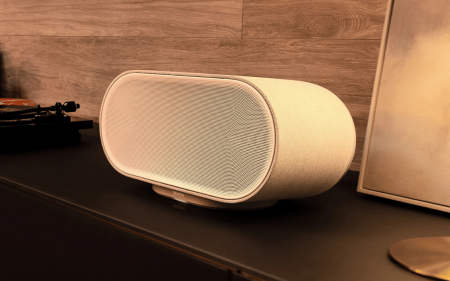
You’ll just have to take our word that the guy above has a perfectly normal-sized head. It’s the headphones, made by JLab and fittingly named the Blue XL, that are epically misproportioned. Or are they? JLab hopes that you won’t stick these over your ears (if they can even fit) and instead make ém your next Bluetooth speaker.
If that’s the case, it’s actually… just right. While Engadget’s report promises these aren’t just an early April Fool’s Day joke, the 404 error we ran into on JLab’s website suggests otherwise. Still, we’ll give the company the benefit of the doubt and assume that these will launch eventually for the $100 (∼R1,600) price mentioned.
If or when it does launch, depending on how you look at a suspiciously-poured glass of water, it’ll bring with it 30W of juice and 2.5in drivers coupled with 2.5in radiators. The idea is to sling these around your shoulders and blast your tunes for everyone around. For up to 20 hours at a time, apparently.
YouTube Music takes the Spotify route
Remember when Spotify tried paywalling access to lyrics? Then you’ll also remember how the streaming platform backtracked the change only a few months later. YouTube Music obviously missed the memo and is now testing the same change for its own music-based streamer, according to reports from the app’s free users.
Google hasn’t officially confirmed the change at the time of writing. Seeing how it tested something like this back in September 2025, it seems the time has come to pony up or become besties with Genius. A card appears at the top of the user’s screen, telling them “You have 0 views remaining” and to “Unlock lyrics with Premium.”
Users will seemingly get five free song lyrics before being prompted to whip their wallets out. They’ll only get to see a couple of lyrics before the rest become blurry and unreadable. It’s unclear when YouTube will roll out the change worldwide, but it’s clear that it’s only a matter of time.