
‘Monopoly? We’re buying that next’ ∼ Netflix, probably
If Microsoft doesn’t regret its $68 billion acquisition of Activision Blizzard yet, it certainly does now. On Friday, Netflix announced it would drop a cool $82.7 billion to acquire Warner Bros. Discovery, and likely usher in the end of theatres as we know it, despite whatever Ted Sarandos says until the regulators are done poking around.
Sure, a couple of Call of Duty games with waning public interest are all well and good, but Netflix just picked up the likes of Harry Potter, the entire DC universe, and the whole HBO catalogue for a little over $10 billion more. That’s no small number, but in the grand scheme of things… it kind of is. It’s clear who got the better deal.
Netflix isn’t interested in taking Warner Bros.’ network channels off its hands, making it clear that it’s only interested in the company’s streaming and studios divisions — as well as the many, many game studios behind the curtain. That includes the makers of Hogwarts Legacy, Mortal Kombat, and the long-forgotten nemesis system from the Middle-earth games.
The company noted that it “expects to maintain Warner Bros.’ current operations and build on its strengths, including theatrical releases for films.” The operative word not being “will”, tells you that Netflix will kick its films around the cinemas for a maximum of two weeks before sending them off to the Netflix app. This method will certainly work wonders for the streamer, which will offer a far wider selection of content in the long run.
Meta’s new smart glasses rise from the ashes
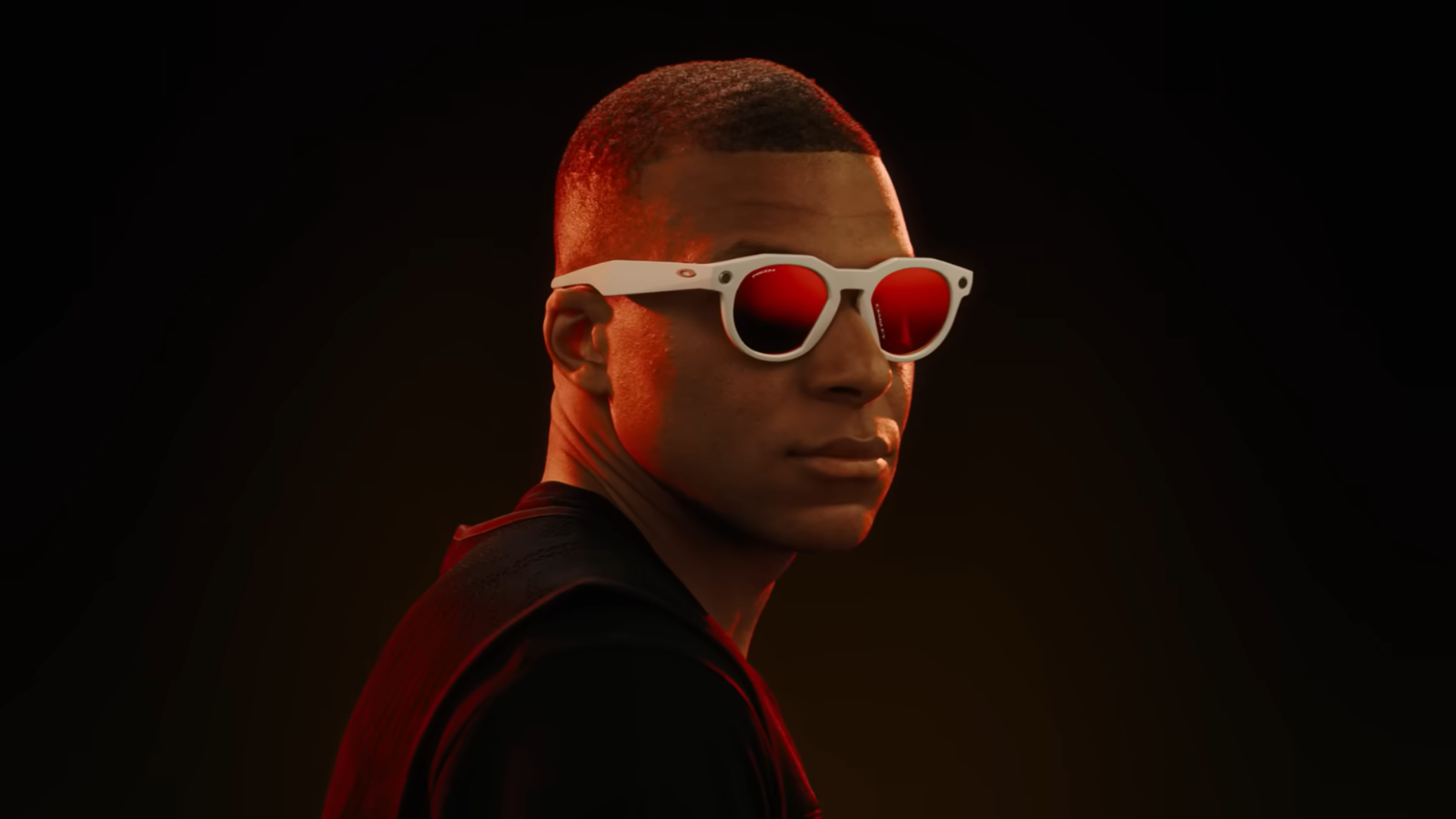
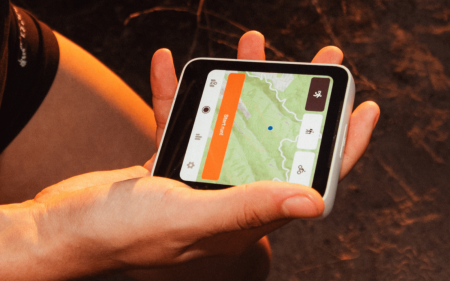
Meta, which has a significant head start in the smart glasses race as Samsung and the rest all play catch-up, will make like a tortoise and delay the release of its new mixed-reality glasses — codenamed ‘Phoenix’ to 2027. That’s internally, of course, according to a report from Business Insider. The glasses have yet to be announced officially.
It’s not a major delay. Meta initially intended to send the glasses on their way in the second half of 2026, and now targets a first-half release in 2027. The idea is for the company to create some more “breathing room”, judging by an internal memo seen by Business Insider, allowing the teams to “get the details right.”
Meta’s bit of wearable kit will reportedly feature a goggle-like form factor and get its juice from a puck — a choice that initially had leaders worried but was ultimately chosen to keep the headset lighter and prevent it from overheating. Employees, speaking anonymously, said that the glasses resemble Apple’s Vision Pro headset.
Meta’s next bit of wearable kit will instead be the “limited edition” device known internally as the “Malibu 2”, filling the gap of the Phoenix headset. What that will look like, however, remains to be seen. Meta is reportedly also beginning work on its next Quest headset that will offer a “large upgrade” over the previous devices.
Google levels up autofill
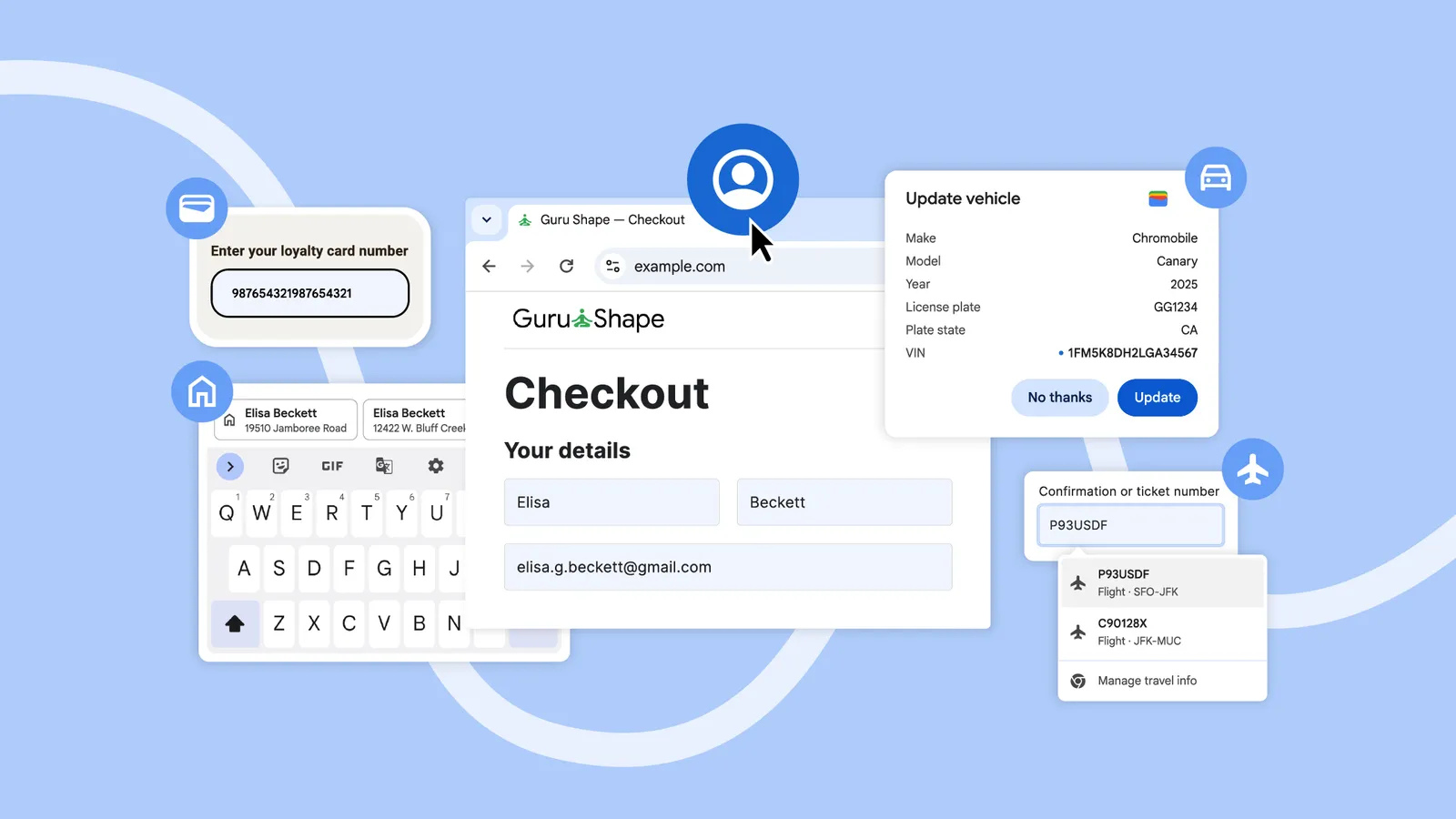
Anyone wary of just how much data Google has on you has probably already jumped ship, but for the rest of you, content with the search giant’s mounting dominance, will love to hear what it’s doing with autofill. In a blog post, it announced it was rolling out new methods to leap the hurdles that are online forms, pulling your data from places like Google Wallet to get you where you’re going more quickly.
You’ll need to be signed into Chrome on desktop, iOS, or Android to reap the new benefits, with Google immediately handing over your name, email address, or address as you enter a website. Desktop and Android Chrome users can take this a step further, “for existing loyalty card information,” as well as pulling vehicle information, assuming it’s tied to your Google Wallet account already.
“Say you’re renting a car at the airport and need to provide your incoming flight details. Chrome recognizes the form then pulls in the necessary flight information — like the confirmation number and dates — from your booking saved in Google Wallet. What used to be a frantic search for booking details is now an automatic, single-tap interaction.”
The last change will affect those globetrotting users most, with Google changing how it captures and enters addresses in different parts of the world. For instance, it better recognises ‘between streets’ in Mexico, and will later support phonetic names in Japan. You can see the full list of updates here.
The original Star Wars is heading back to theatres
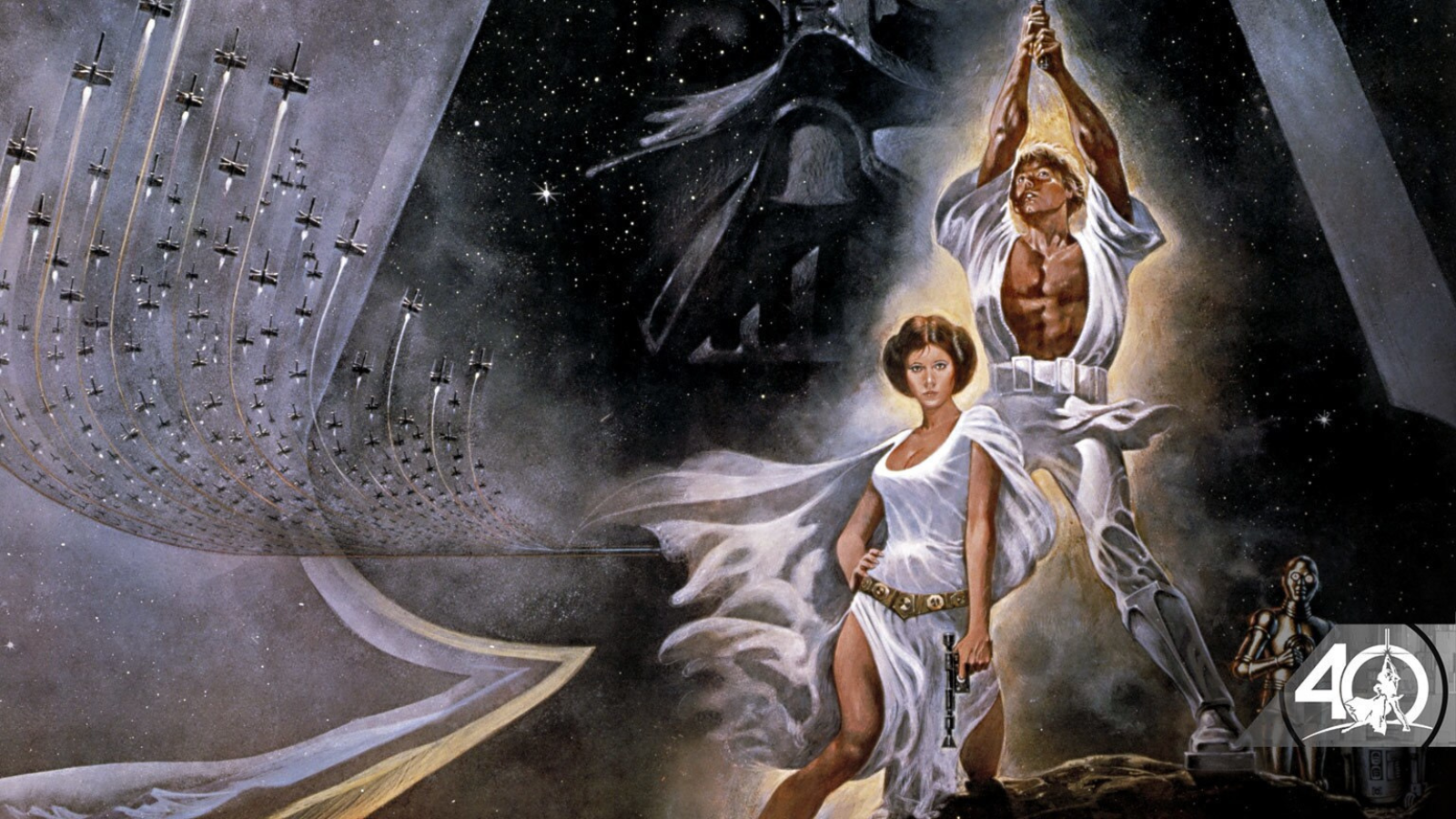
The original cut of Star Wars from 1977 that’s had Stuff’s Toby Shapshak riled up all these years is returning to theatres to celebrate its 50th anniversary in 2027, proving once and for all whether Han shot first or not. The film is slated to release on 17 February 2027, though it’s unclear whether South African chains will participate. Ster-Kinekor and Nu Metro would be foolish not to, especially seeing as the films are releasing in IMAX, too.
Unless you’re comfortable with sailing the high seas, or own a VHS copy of the original cut from back in the day, you’ll be subjected to Lucas’ shoddy restorations of the films, which have changed several details over the years, most notably editing the famous Han v Greedo shootout to frame our hero, Han Solo, in a better light. Lucas’ 2011 edits, which were released as part of a Blu-ray collection of films and touched up the CGI and audio.
If Star Wars can’t tempt you into theatres, perhaps something from the Ghibli collection can? After the success of the 4K restoration of Princess Mononoke in 2024, IMAX and GKids are teaming up to expand the line-up in 2026. These will be directly overseen by Studio Ghibli’s own Atsushi Okui, if you’re worried about quality. Which movies will make the cut remains to be seen, but we can guess Spirited Away and Howl’s Moving Castle are in.