
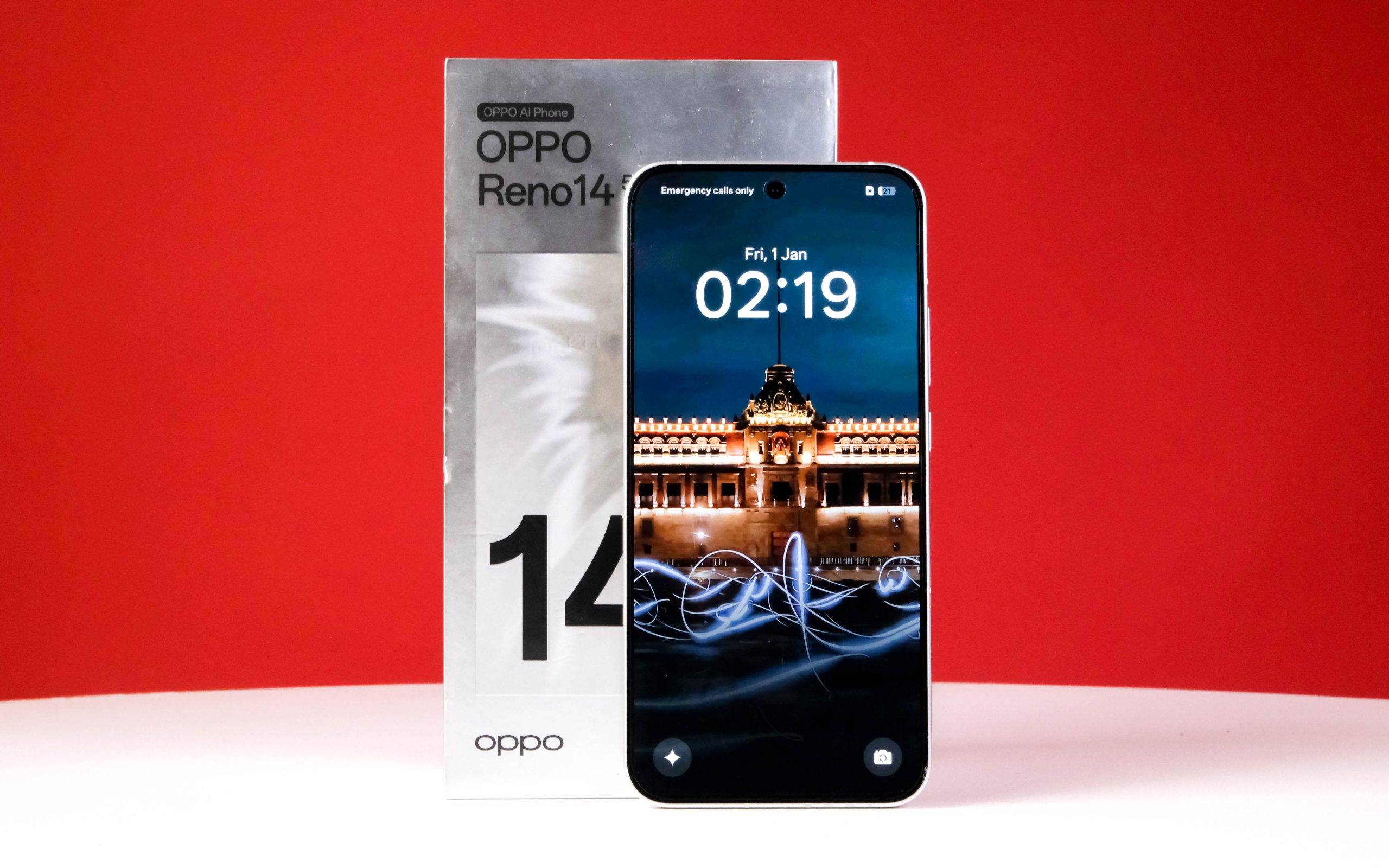
Seen in a vacuum, the Oppo Reno 14 is a decent enough smartphone for the money. The design, camera, processor, and other specs are almost enough to justify the price. Seen in reality, however, and this is the Oppo Reno 13 with a trench coach and a false nose. Samsung's incremental updates seem voluminous in comparison, and the Galaxy S25, currently at the same price point, is an altogether better buy.
-
Design
-
Display
-
Performance
-
Battery
-
Camera
-
Value
You can’t fault Chinese brand Oppo for trying. The company’s new Reno 14 is a visually impressive smartphone that should handle most of what you can throw at it. However, no amount of shiny wizardry on the phone’s backplate can disguise the fact that there isn’t much difference between this model and last year’s Reno 13.
We’ll get to all that in a moment, but there’s also the price to consider. At R20,000 (R22k, at some outlets), Oppo really has to yank some performance tricks out of the bag to make this a compelling buy compared to the Samsung Galaxy S25, which is priced about the same. Does the Reno 14 manage that? Well….
Mermaid sighted
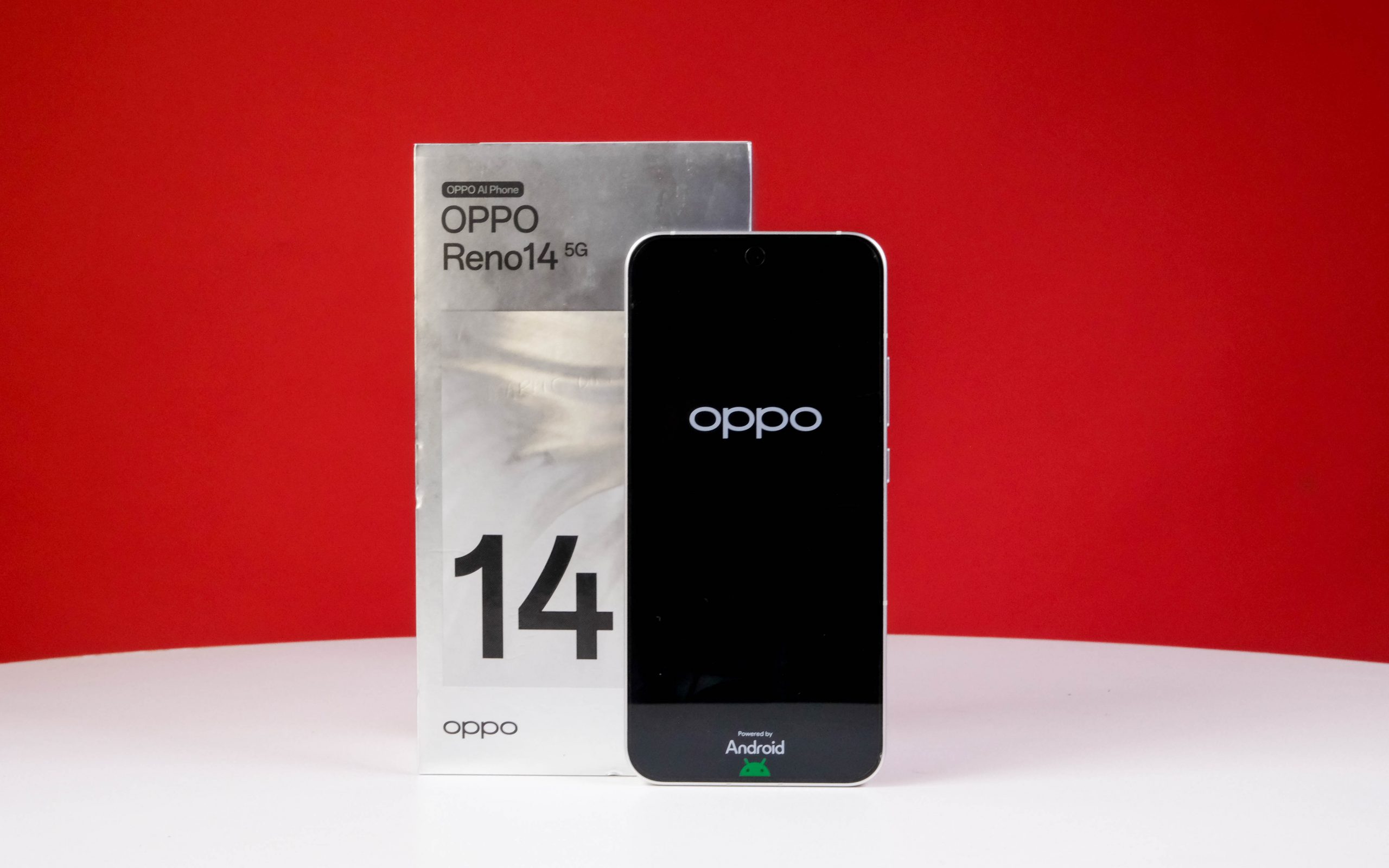
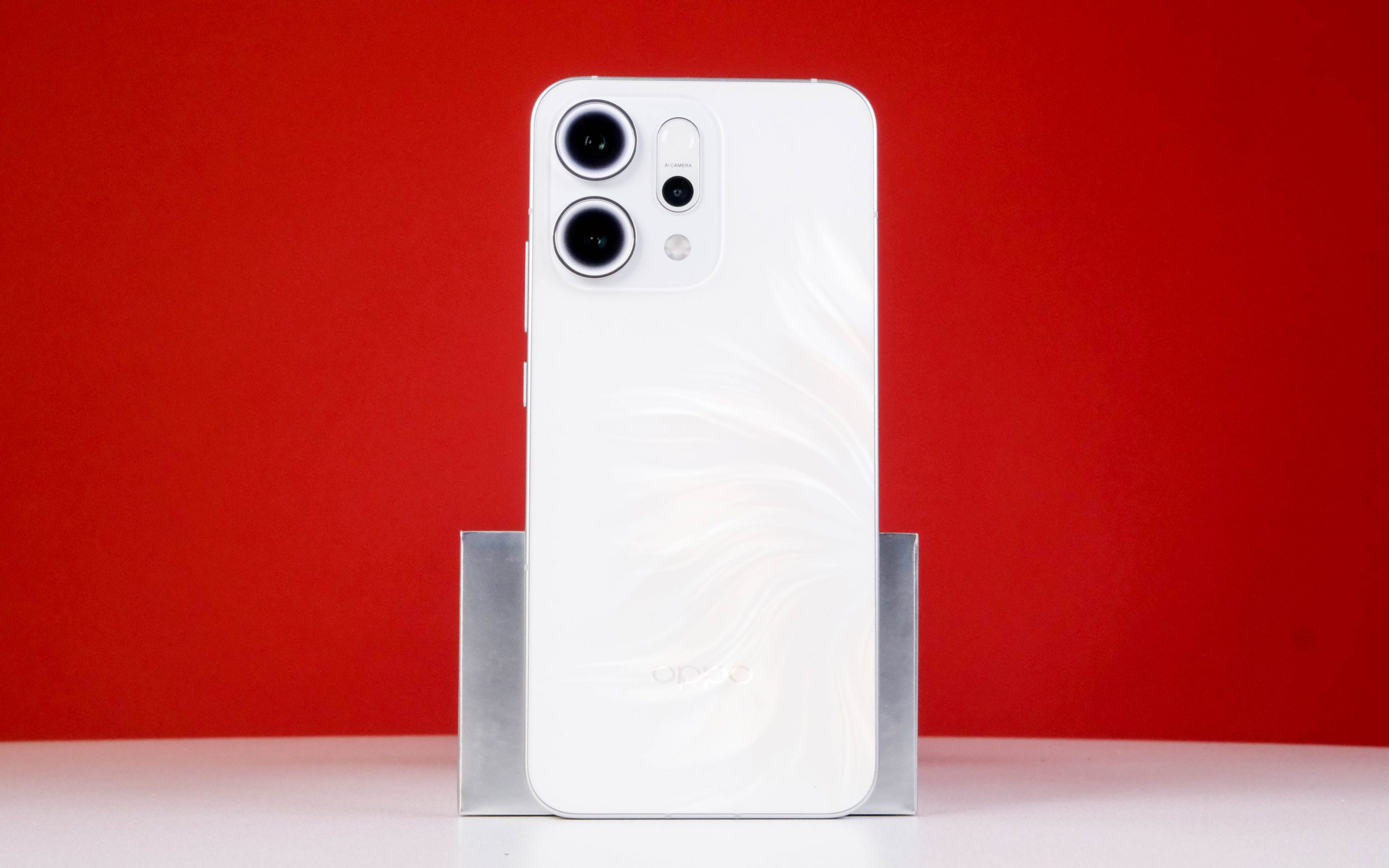
There’s little anybody can do to spruce up the design of a smartphone. LG made them curved, once upon a time, and Samsung can fold some of theirs. But all phones, the Oppo Reno 14 included, are inevitably rectangles of varying thicknesses. The way Oppo makes its Reno 14 stand out is with the glass back plate. Using something the company calls the “industry’s first Iridescent Glow Process”, there’s a fanlike design that brings to mind certain fish (or a mermaid, in Oppo’s own comparison). Tilt the phone and the colour and tone of the pattern will change. It’s… novel. Attractive enough to set the Reno 14 apart, particularly when the phone appears to glow.
But that’s not enough to make this handset a compelling buy on its own. Everything else about the physical design is standard stuff. The broad metal band encircling the phone’s edges, the SIM tray, charge port, and speaker vents along the bottom edge, and the physical buttons on the upper right — these are all where you’d expect them to be.
The 6.59in display is bright enough with up to 1,200 nits of brightness (600 is more typical), hosting both the front-facing camera and under-display fingerprint sensor. The phone’s only other area of creativity is also around the back. Three camera sensors and the LED flash occupy a relatively skimpy glass island, with just the two 50MP sensors occupying substantial space above the phone’s 7.3mm thickness.
Price to performance
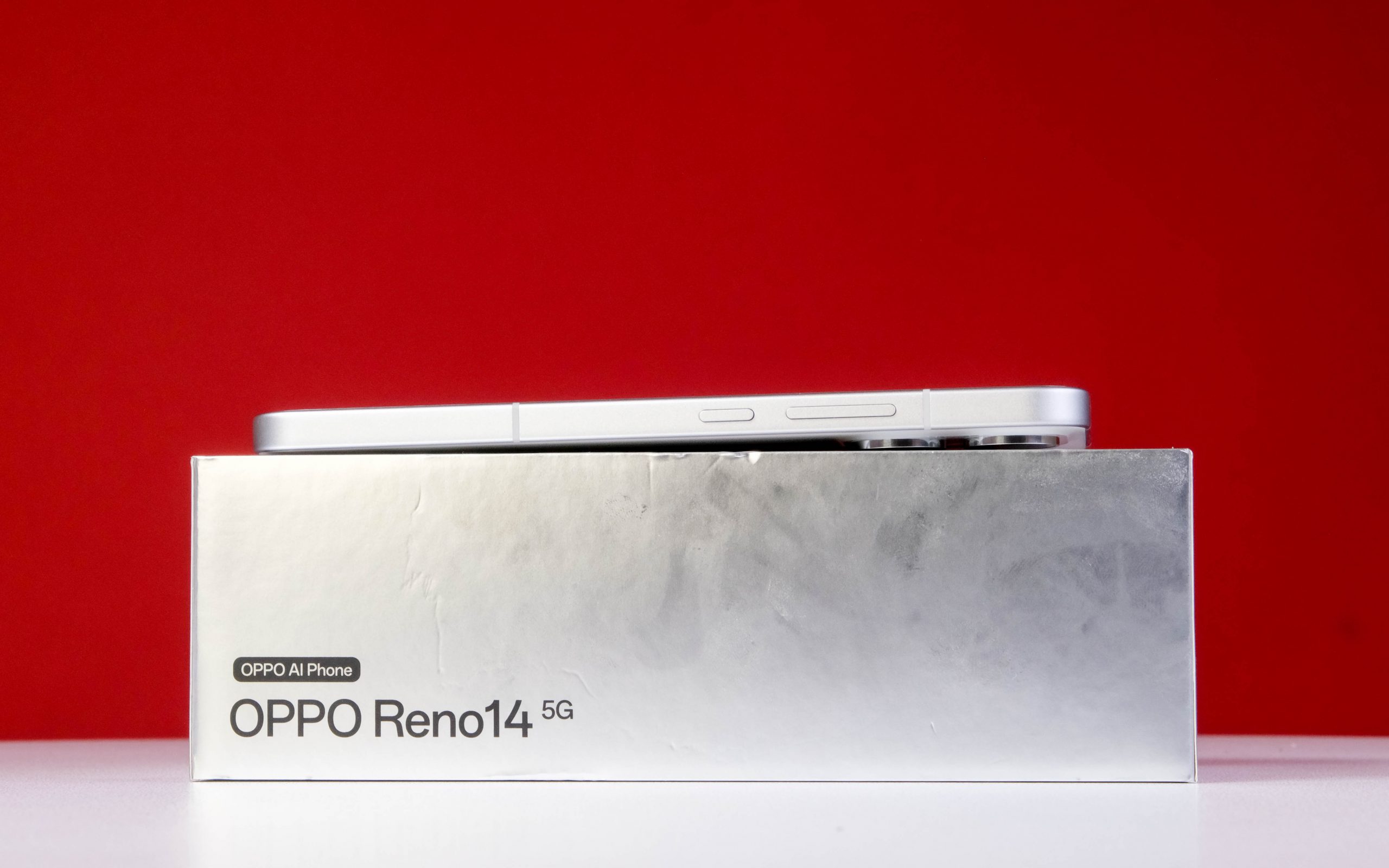 The Reno 14 is more expensive than the Reno 13 was at launch, something we have difficulty coming to grips with because… well, internally they’re almost the same phone. That 6.59in 1,256 x 2,760 display? In last year’s phone. The Dimensity 8350 chipset? In last year’s phone. 12GB of RAM? Also in last year’s phone, though the Reno 13 had a few 8GB RAM variants. Our review model arrived with 512GB of storage attached, but 256GB and 1TB versions exist… again, like last year’s phone.
It might be easier to list what has changed. The Reno 14’s battery jumps to 6,000mAh this year (up from 5,600mAh). There’s a new rear camera sensor — the telephoto is new, and we’ll prod that one in a moment. Even the dimensions are largely unchanged. The Reno 14 has gained a millimetre in thickness and gained six grams. The latter would be the 50MP telephoto sensor and lens we just mentioned.
The Oppo Reno 14 is barely iterative, which would be fine if they were fielding hardware like Samsung tends to. The South Korean company gets away with it because the newest Snapdragon 8 Elite processor is (almost) always at the helm. There’s little on the Android market to touch it. But when Oppo’s phone is stacked against a) the Reno 13 and b) the Galaxy S25, the results are a) pointless or b) no contest. If you have the Reno 13, you don’t need this one. If you have the money for this one, you should buy the Galaxy S25.
Tempting telephoto?
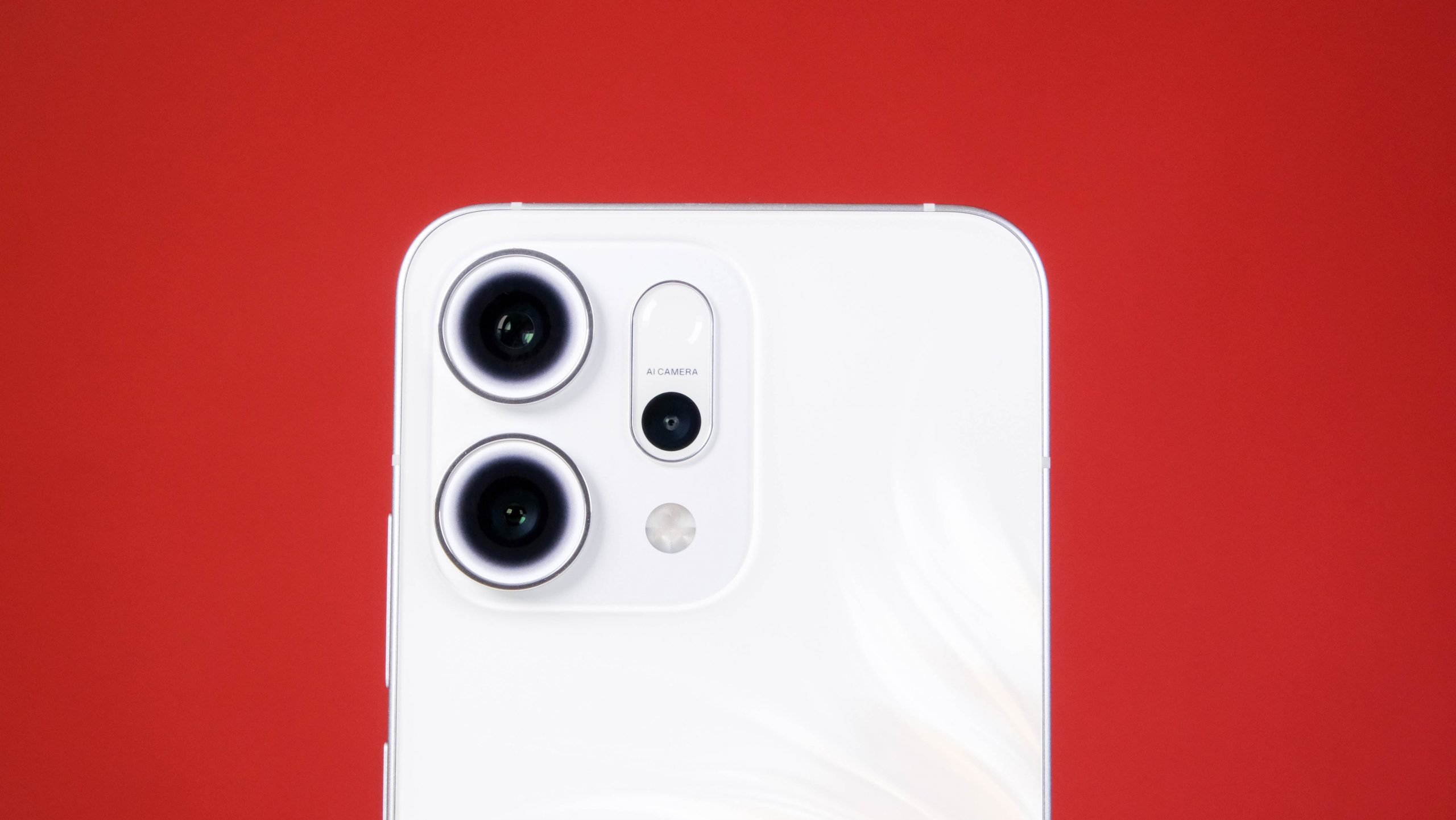 About the only temptation the Reno 14 can offer is its new 50MP telephoto lens, which stands alongside a Sony-made 50MP main sensor (seen last year in the Reno 13) and 8MP ultrawide (ditto). Is the new f/2.8 80mm telephoto with 3.5x optical zoom worth paying R20,000 for? Absolutely not. For that price, you can snag a new Canon EOS R50 with two lenses, one an 80-210mm telephoto. Sure, you can’t slip that into a pocket, but you’ll be getting a larger upgrade for your money.
Taking the cameras on their own merits, though, snaps are adequately done. The better your lighting, the more you’ll like the results, and the 3.5x optical zoom from the periscope telephoto is handy to have. AI features let users zoom in to 120x, but as with Samsung’s early experiments with massive software-assisted zoom, you’ll find the image breaking down long before you get that far. The Reno 14 handles its own in the image arena, but it’s never going to be a podium finisher. Colours are poorly handled compared to the equally pricey S25, and while low-light performance is a shade better this year, it’s just not enough.
The Oppo Reno 14’s other features are almost obligatory. IP 68/69 water ingress protection sticks around, 80W wired charging runs another lap, and there’s a suite of AI features to explore. These are the usual lot — image editing, search, and organisation are on offer, with varying degrees of usefulness. Less useful is the raft of pre-installed apps and shortcuts that will chew up your time, should you decide to unclutter the phone after the initial setup.
Oppo Reno 14 verdict
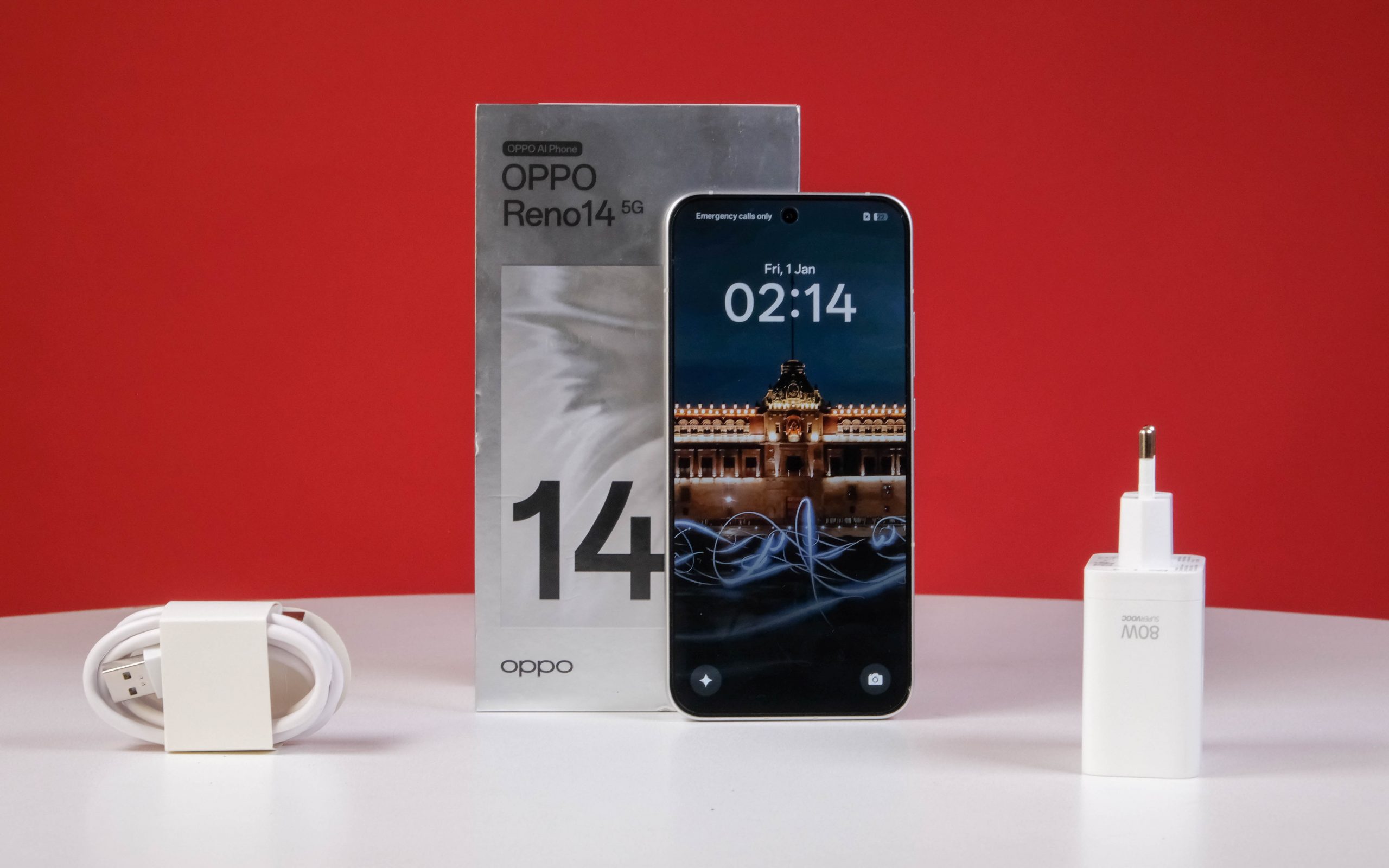 We’re being harsher to the Oppo Reno 14 than we expected to, but it’s justified. If Oppo had never released the Reno 13, or if it had priced this one about R5,000 lower than it is, this would be a very different conversation. But selling very minor upgrades with a not-so-minor markup makes the Reno 14’s features difficult to stomach on the second go-around.
You’ll get 95% of the Reno 14’s capability for R2,500 less than the asking price here simply by buying the previous model. The visual and ever-so-slightly incremental hardware upgrades aren’t enough to tempt Reno 13 owners to trade up sideways, while Samsung’s increased performance at the same price point makes Oppo’s latest equally difficult to recommend. It’s not that the Reno 14 is a bad phone. It’s just that it’s the same phone we saw last time.