
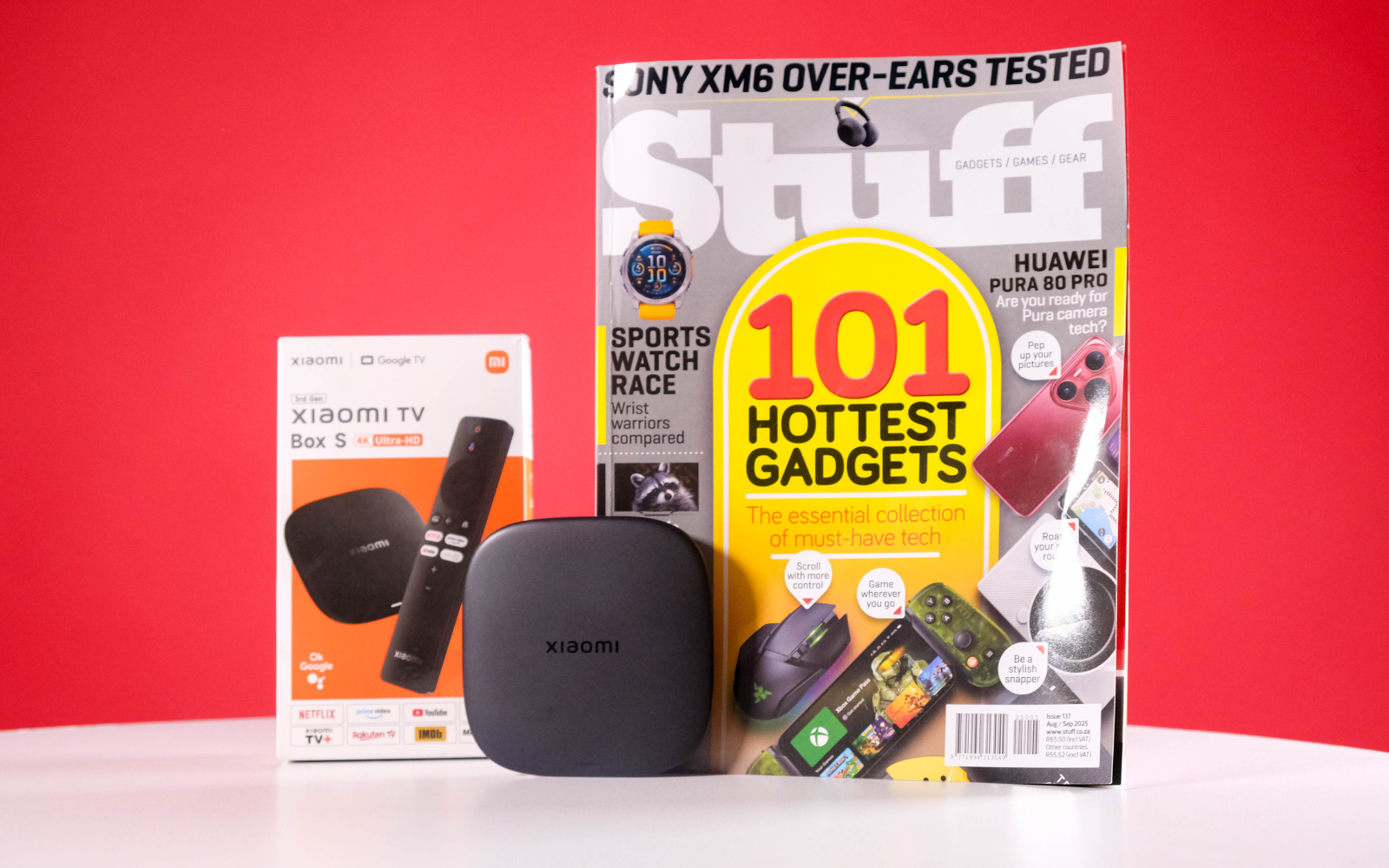
Nobody is denying that Xiaomi has put together an excellent TV box in the TV Box S (3rd-gen). Xiaomi's third crack at the product delivers all the bits you'd want, like 4K visuals and Dolby audio, bolstered a remote control worthy of any palm. It's just a shame that Xiaomi's TV Boix S (2nd-gen) does all that, too, though admittedly a little slower than the new thing.
-
Design
-
Performance
-
Controller
-
UI
-
Value
Two years on, Xiaomi feels the time is ripe to take one of its best products to the next level. That’s where the R1,400 Xiaomi TV Box S (3rd-gen) comes in, looking to give your old, ageing TV a new lease on life. But is it worth that hefty price, especially considering it isn’t much more than a rehash of Xiaomi’s next-best thing?
Xiaomi might prefer you didn’t think too hard on that point, particularly if your TV is still shackled to the excellent 2nd-gen model. Xiaomi’s third attempt is indeed the best Android TV box in South Africa, but it doesn’t deliver enough to be worth the asking price. Now for those still rocking Xiaomi’s earlier tech…
Thinner ≠ Better
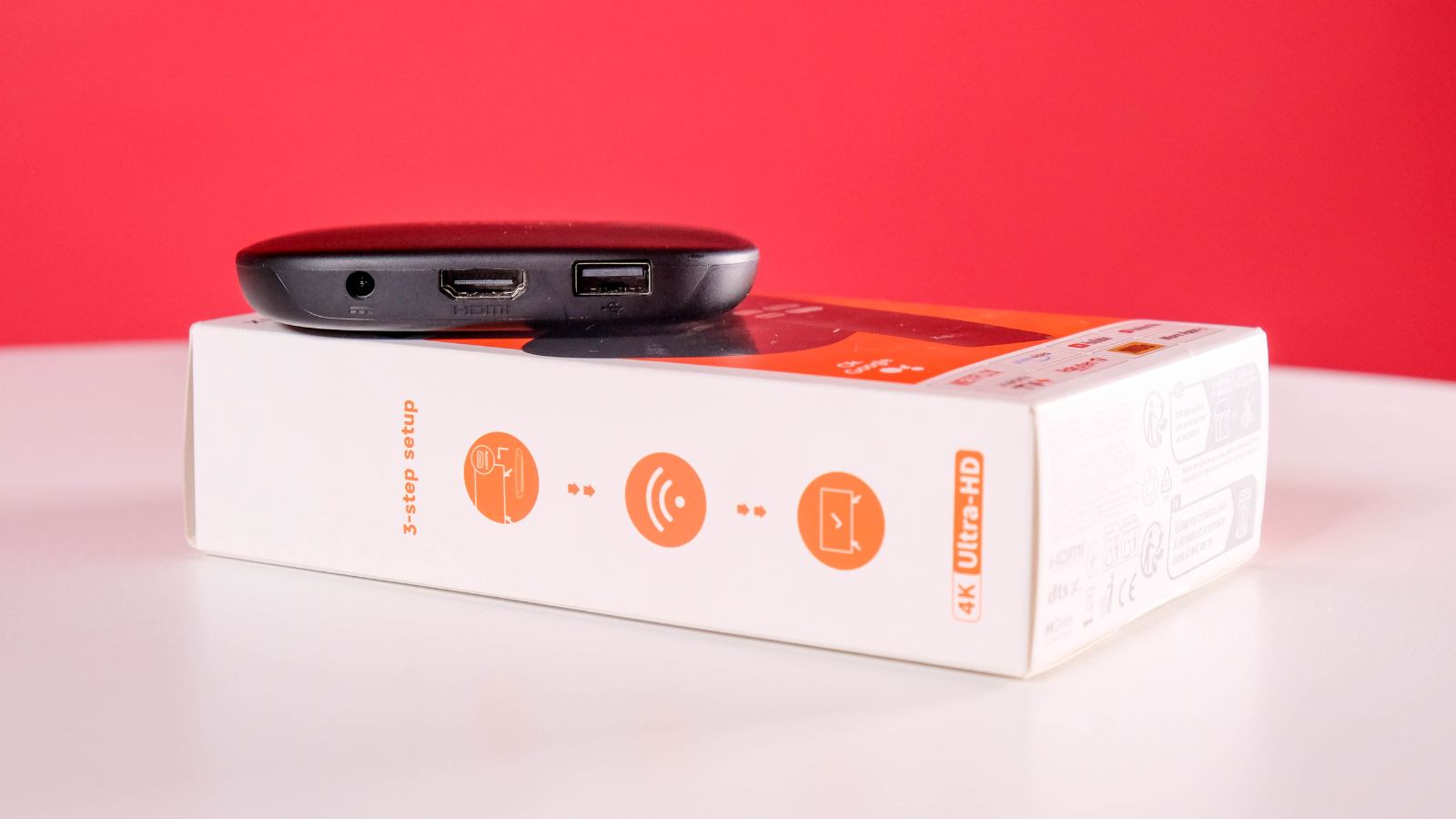
Most impressive of Xiaomi’s new TV Box S is its minuscule design, though to a fault for some. The 2nd-gen wasn’t exactly what we’d call chunky, and slotted into most set-ups without issue, but the 3rd-gen really steps it up. It’s still the same box shape — with room for the ports around the back — but in an incredibly sleek package (1.7cm).
Shrinking the thing means there’s still no Ethernet port (in 2025? Really?), but the disappearance of the 3.5mm audio port was not on our bingo cards for a new and ‘improved’ TV Box S. It’s not a huge deal for many — we didn’t mind — but anyone who needs the port to hook up their sound system will want to keep it in mind.
The ports left include a single HDMI (2.1), a USB 2.0, and room for the power cord to slide in. While we appreciate the desire to make everything that much smaller and lighter — 91.2g vs the 2nd-gen’s 142g — we weren’t all that keen on Xiaomi taking features away. We might’ve felt compelled to forgive this lapse in judgment had the company fixed some rubber feet to the underneath, but like last time, it ignored us.
Keep a wad of Prestik handy, and the TV Box S (3rd-gen) will properly join your TV’s set-up, though.
Now that’s more like it
All that money you’re sinking into the 3rd-gen makes a little more sense when it comes time to turn it on. It’s considerably snappier than its 2nd-gen sibling, despite sharing the same quad-core Cortex-A55 chipset. That’s all down to the 6nm process used here, and makes us believe Xiaomi’s claims of a 25% CPU boost. The GPU has seen an upgrade, too, now sporting a more capable ARM G310 V2.
That all translates to a noticeably snappier experience that everyone — even owners of Xiaomi’s two-year-old TV Box — can appreciate. Booting up Netflix in record time, or even just a smoother experience as you scour the streaming services for something to watch (a nightly tradition at this point), is always welcome. But a faster processor doesn’t automatically translate to new features, and that’s where the 3rd-gen stumbles.
Admittedly, Xiaomi got nearly everything right in its 2nd-gen box, leaving hardly any room to innovate. The 3rd-gen box is at the top of its game with 4K visuals (3,840 x 2,160), Dolby Vision and HDR10+ support, Dolby Atmos, and DTS: X to cover your audio needs. You’ll still find the same 2GB of RAM here, but it never proved an issue for us. Storage has seen a major upgrade, rising to 32GB — though the change was useless to us.
You’ll be glad to hear Xiaomi delivers on all those promises. Not that we were stressed. Xiaomi proved itself capable of delivering crisp video (assuming you have a capable TV) and bombastic audio in its last iteration.
It’s these features that sell TV boxes, and, well, the Xiaomi TV Box S (2nd-gen) is still sitting on the shelves for 200 fewer bucks than Xiaomi’s new thing. It’s not entirely devoid of new features, though. Wi-Fi 6 has joined the party, which makes for modestly speedier load times.
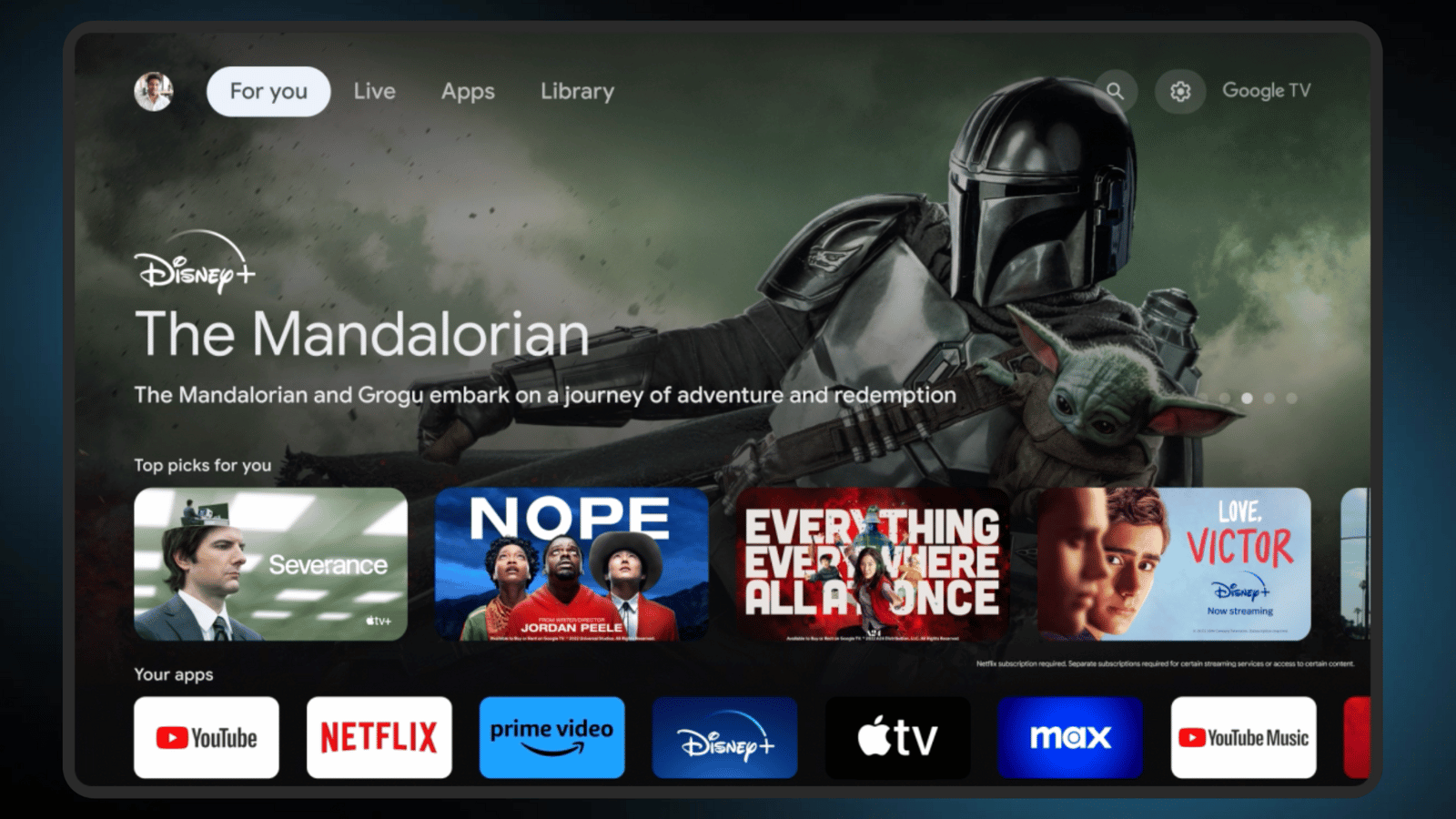
It’s still a Google TV OS affair, and we don’t see Xiaomi shifting on that anytime soon. Not that we’re fussed. Google’s UI is still one of the more refined of a pretty small bunch, and didn’t hamper us from bouncing between apps (obtained from the Google Play Store) at will. Google Assistant returns with a dedicated button in the controller, and in typical Stuff fashion, it didn’t really worm its way into our routines with the device.
Proper control freak
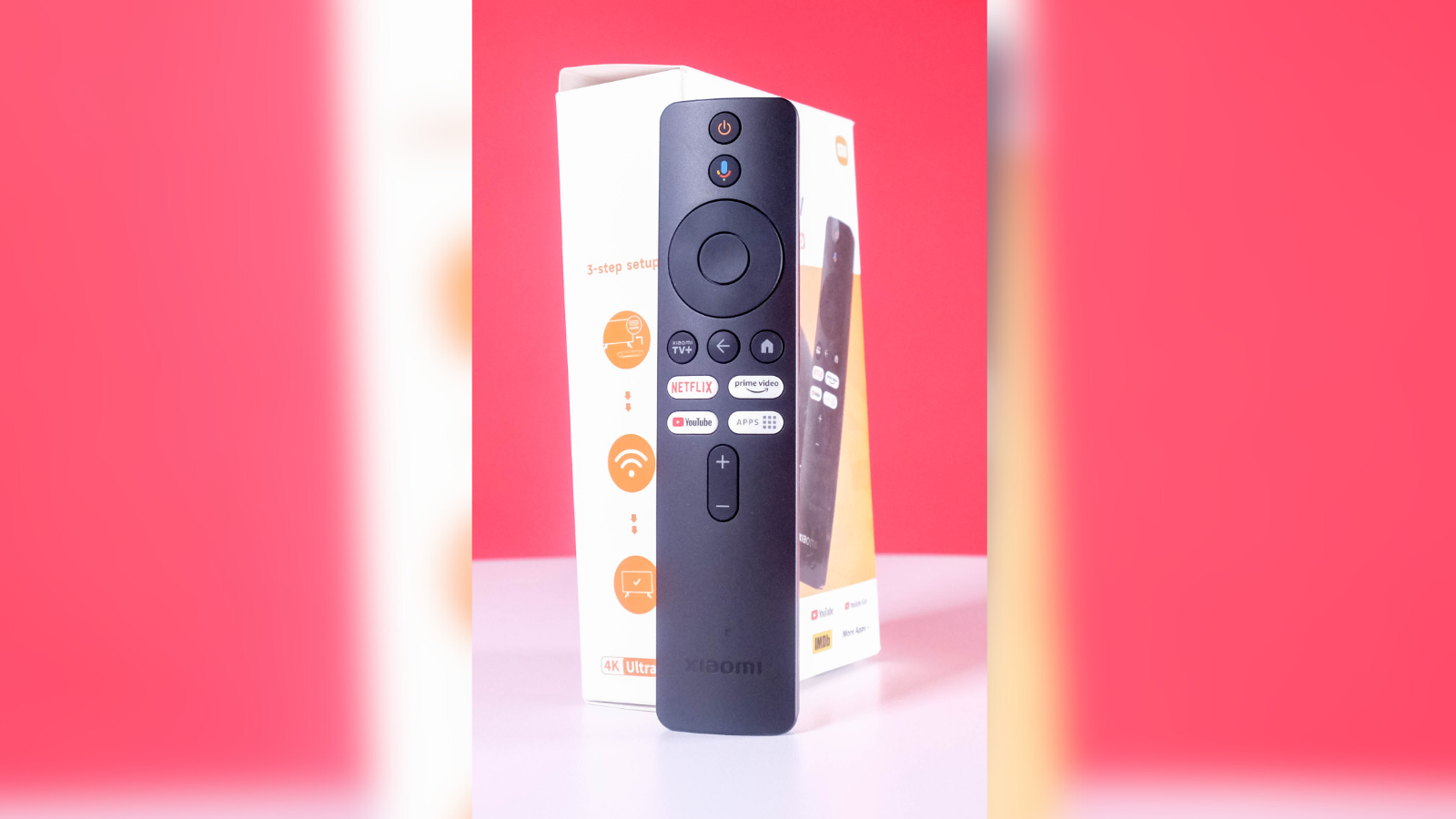
We’re actually glad that Xiaomi’s recycled the same controller here, which we’re just as big a fan of now as we were two years back. It’s incredibly comfortable, and once you get used to the layout, zipping around Google’s TV OS becomes second nature. It features shortcuts to apps we actually use in South Africa — something that not all TV and TV Box makers can brag about. It’s close to perfection — in our eyes, anyway.
It’s not devoid of flaws, however. You might view Xiaomi’s salvaging the old hardware as a negative, but we’re in the camp of ‘don’t fix what isn’t actually broken.’ Still, that didn’t stop the mechanical ‘click’ from getting on our nerves while browsing movies and shows night after night. We expect several more months of use would whip this controller into shape, likely with a more muted ‘click’. In these early days, though, we had no such luxury.
Xiaomi TV Box S (3rd-gen) verdict
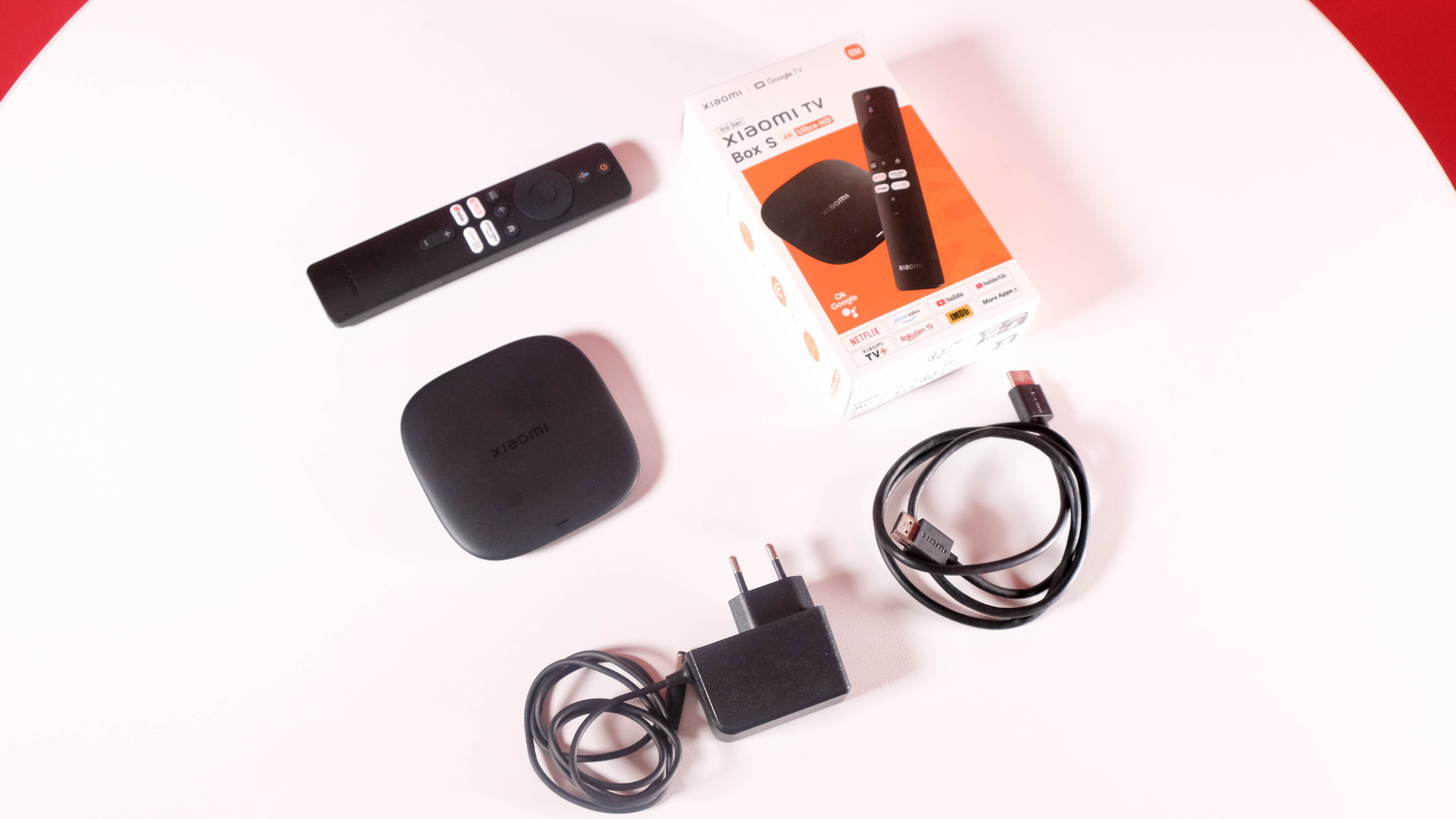
It’s pretty obvious by now that we’re more than fond of Xiaomi’s TV Box S lineup, and the 3rd-gen easily stands out as the best of the lot. It’s unfortunate, therefore, that it doesn’t differentiate itself enough from Xiaomi’s 2nd-gen model, which can still be picked up for R1,200 compared to the 3rd-gen’s R1,400 price.
If all you care about is how good Stranger Things looks at home and not about how fast you’ll get there, the Xiaomi TV Box S (2nd-gen) is the indisputable choice — and that choice looks even better if you already own one. But if the thought of speedier navigation, improved Wi-Fi, and uh… increased storage somehow gets those neurons firing in your brain and the R1,400 isn’t an obstacle, you can’t go wrong with Xiaomi’s latest and technically greatest.