
One of the world’s largest website hosting providers, GoDaddy, just launched in South Africa. And they want to get small South African businesses connected.

One of the world’s largest website hosting providers, GoDaddy, just launched in South Africa. And they want to get small South African businesses connected.

Instead of being central to the system of decisions that affects us, we are cast out in to its environment. We have progressively restricted our own decision-making capacity and allowed algorithms to take over. We have become artificial humans, or human artefacts, that are created, shaped and used by the technology.

Advances in artificial intelligence have made it easier to create compelling and sophisticated fake images, videos and audio recordings. Meanwhile, misinformation proliferates on social media, and a polarized public may have become accustomed to being fed news that conforms to their worldview.

As the internet continues to gain considerable power and agency around the world, many governments have moved to regulate it. And where regulation fails, some states resort to internet shutdowns or deliberate disruptions.
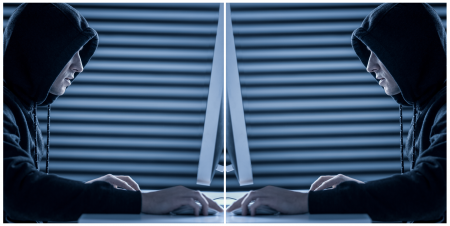
The deluge of cyberattacks sweeping across the world has governments and companies thinking about new ways to protect their digital systems, and the corporate and state secrets stored within. For a long time, cybersecurity experts have erected firewalls to keep out unwanted traffic and set up decoy targets on their networks to distract hackers who do get in. They have also scoured the internet for hints about what cybercriminals might be up to next to better protect themselves and their clients.

When you are asked to create a password – either for a new online account or resetting login information for an existing account – you’re likely to choose a password you know you can remember. Many people use extremely basic passwords, or a more obscure one they reuse across many sites. Our research has found that others – even ones who use different passwords for each site – have a method of devising them, for instance basing them all on a familiar phrase and making site-specific tweaks.

Every day, often multiple times a day, you are invited to click on links sent to you by brands, politicians, friends and strangers. You download apps on your devices. Maybe you use QR codes.
Most of these activities are secure because they come from sources that can be trusted. But sometimes criminals impersonate trustworthy sources to get you to click on a link (or download an app) that contains malware.
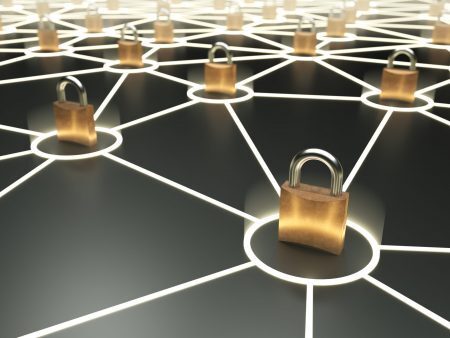
About a quarter of internet users use a virtual private network, a software setup that creates a secure, encrypted data connection between…

Most of us will have entered into consumer contracts with large companies and ticked a box to confirm we understand…

It’s tempting to give up on data security altogether, with all the billions of pieces of personal data – Social Security…