
Browsing: internet

Email and smart phones can be stressful. Academics are calling this constant work connection “technostress”. Consequently, many European countries are now offering employees the “right to disconnect”.

The way email is used is complex, it cannot simply be labelled as “good” or “bad” and research shows that personality, the type of work people do and their goals can influence the way they react to email.


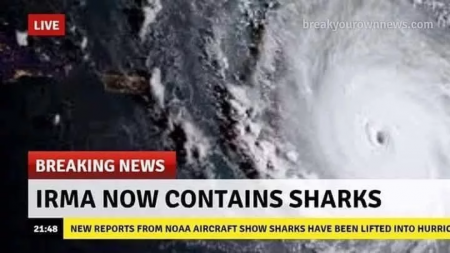
Advances in artificial intelligence have made it easier to create compelling and sophisticated fake images, videos and audio recordings. Meanwhile, misinformation proliferates on social media, and a polarized public may have become accustomed to being fed news that conforms to their worldview.

The deluge of cyberattacks sweeping across the world has governments and companies thinking about new ways to protect their digital systems, and the corporate and state secrets stored within. For a long time, cybersecurity experts have erected firewalls to keep out unwanted traffic and set up decoy targets on their networks to distract hackers who do get in. They have also scoured the internet for hints about what cybercriminals might be up to next to better protect themselves and their clients.

When you are asked to create a password – either for a new online account or resetting login information for an existing account – you’re likely to choose a password you know you can remember. Many people use extremely basic passwords, or a more obscure one they reuse across many sites. Our research has found that others – even ones who use different passwords for each site – have a method of devising them, for instance basing them all on a familiar phrase and making site-specific tweaks.