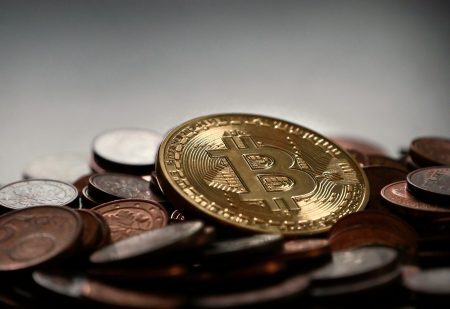
Noted tech investor and occasional musician Jay-Z, along with Twitter founder Jack Dorsey, have launched a new Bitcoin development fund…

Noted tech investor and occasional musician Jay-Z, along with Twitter founder Jack Dorsey, have launched a new Bitcoin development fund…

With load shedding being back with a vengeance, appliance maker Defy’s launch of its Solar Hybrid fridge and freezer in…

Showmax Pro, the top subscription tier to the streaming service that offers a decent mix of both local and international…
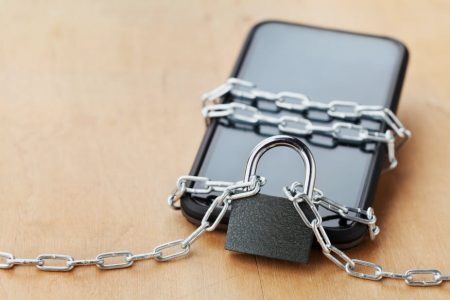
When it comes to fighting COVID-19 in Africa, the internet and social media have been a double-edged sword. Governments and public health officials have used Twitter, WhatsApp, Facebook and other social media to reach large numbers of people, quickly and efficiently, with information on how to stay healthy and limit the virus’s spread. And digital networks have allowed people to stay in touch, and some businesses to operate, in the face of lockdowns and social-distancing guidelines.
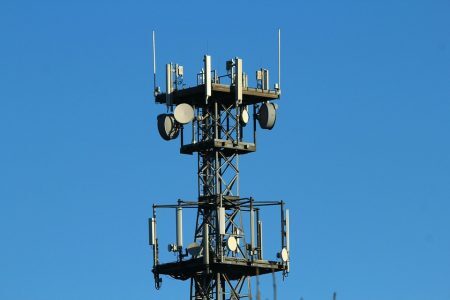
All over the world, the internet has provided extraordinary socioeconomic opportunities to businesses, governments, and individuals. But less developed countries…

Across the world, the conversion of information into a digital format – also called “digitalisation” – has increased productivity in the public and private sectors. As a result, virtually every country in the world is working towards a digital economy.
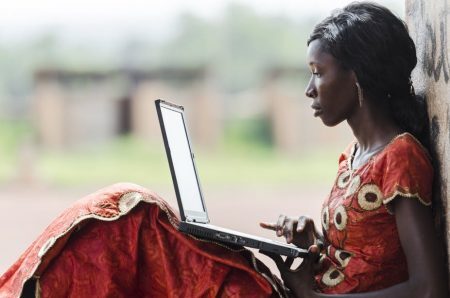
East Africa attracts millions of tourists every year. Over the past 10 years, its earnings from tourism have doubled. Compared to the rest of Africa, the region is experiencing healthy economic growth. This makes it a promising investment destination.

When one talks about young Africans using smartphones, the dominant narrative is that these gadgets serve mostly as platforms for connection so that users can communicate and share greetings and information via text and images.
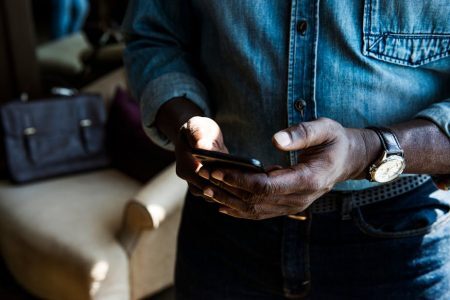
Mobile services have had an important and positive impact on developing countries where they are the main means of connecting to the internet. However, mobile services have capacity constraints. They use limited radio frequency spectrum, which means that mobile data typically has usage limits. They also have high prices per unit (per gigabyte), which results in lower use per connection.

There are more than a few new startups in South Africa that are shaking up the status quo. Two of…