
Light Start: SA internet is broken, Huawei doesn’t need Google, 120fps mobile Fortnite and an exploding Falcon
Browsing: Industry News
Lithium-ion batteries have changed the world. Without the ability to store meaningful amounts of energy in a rechargeable, portable format we would have no smartphones or other personal electronic devices. The pioneers of the technology were awarded the 2019 Nobel Prize for chemistry.
Like it or loathe it, the robot revolution is now well underway and the futures described by writers such as Isaac Asimov, Frederik Pohl and Philip K. Dick are fast turning from science fiction into science fact. But should robots have rights? And will humanity ever reach a point where human and machine are treated the same?
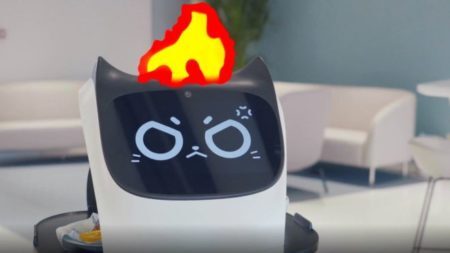
Light Start: CES 2020 edition – a smart lipstick mixer, enormous Predator displays, Intel’s modular gaming PC and a restaurant robo-cat?
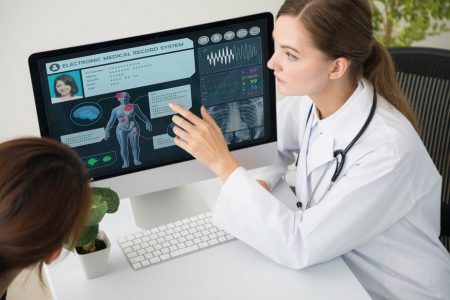
The nation’s second-largest health system, Ascension, has agreed to allow the software behemoth Google access to tens of millions of patient records. The partnership, called Project Nightingale, aims to improve how information is used for patient care. Specifically, Ascension and Google are trying to build tools, including artificial intelligence and machine learning, “to make health records more useful, more accessible and more searchable” for doctors.
All over the world, the internet has provided extraordinary socioeconomic opportunities to businesses, governments, and individuals. But less developed countries…
Digital technologies are often put forward as a solution to environmental dilemmas. The spread of the internet came with claims of a huge reduction in printing, and by replacing paper with bytes, we thought we’d reduce our negative environmental impact
Light Start – Star Wars in Fortnite, space in the Cyberbunker, meanies on Insta and no more Uber Eats.
Hardly a week goes by without a report announcing the end of work as we know it. In 2013, Oxford University academics Carl Frey and Michael Osborne were the first to capture this anxiety in a paper titled: “The Future of Employment: How susceptible are jobs to computerisation?”.