
Author: The Conversation

South Africa is poised to become a major player in the global energy transition, thanks to its vast renewable energy resources (sun and wind) and its plans for green hydrogen production. Green hydrogen is produced through electrolysis, where renewable electricity splits water into hydrogen and oxygen. Unlike grey hydrogen, which is derived from fossil fuels, green hydrogen emits no greenhouse gases – only water vapour. It is seen as a good alternative to fossil fuels in sectors that are hard to electrify, such as heavy industry, aviation and long-haul transportation. We are chemical engineers, with over five decades of combined experience in the…

Read More

As someone who helped set up one of the first iPhones back in late 2007 on live TV, I found the launch of the first iteration of Apple’s smartphone an exciting time. At the launch in June of that year, a grinning Steve Jobs proudly held up that early device to the obvious delight of Apple fans. Did the late Apple founder know then that he would change the future of mobile communication forever? That breakthrough device was revolutionary, transforming the way people interact with each other. At a launch event on Monday, September 9, Apple released details of its new…

Read More

When the International Astronomical Union announced in 2006 that Pluto was being demoted from its status as the Sun’s ninth planet, many astronomers and non-experts alike were shocked. Pluto remains an important object for study, though. Today it is considered one of many dwarf planets beyond Neptune, in a doughnut-shaped region of mostly icy debris orbiting the Sun called the Kuiper Belt. These outskirts of the solar system remain largely unexplored. They were first reached by US space agency NASA’s New Horizons spacecraft; it flew close to Pluto in 2015, revealing spectacular images of the dwarf planet’s surface and atmosphere. But there’s still plenty to learn.…

Read More

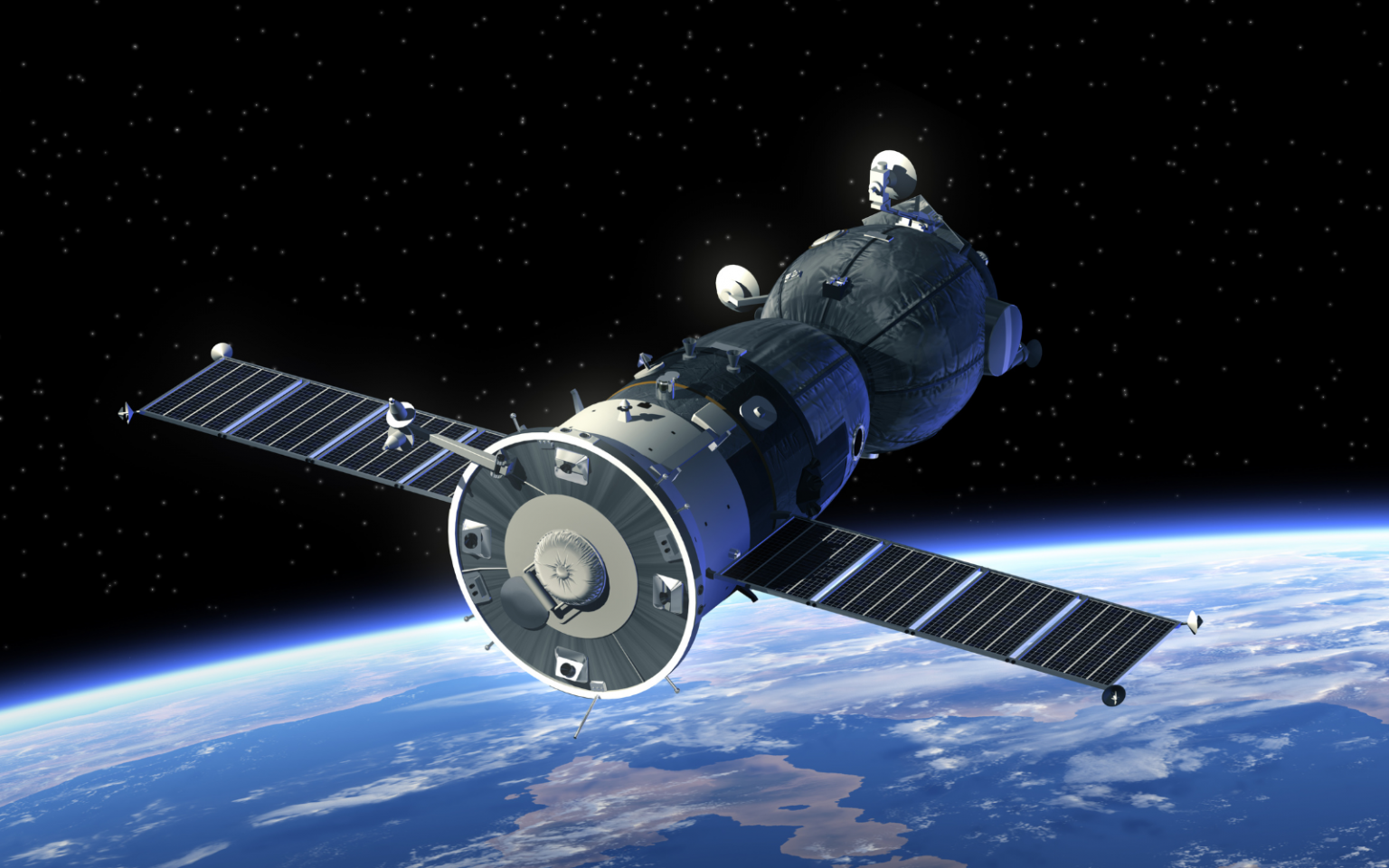
Boeing’s crew transport space capsule, the Starliner, returned to Earth without its two-person crew right after midnight Eastern time on Sept. 7, 2024. Its remotely piloted return marked the end of a fraught test flight to the International Space Station which left two astronauts, Butch Wilmore and Sunita “Suni” Williams, on the station for months longer than intended after thruster failures led NASA to deem the capsule unsafe to pilot back. Wilmore and Williams will stay on the International Space Station until February 2025, when they’ll return to Earth on a SpaceX Dragon capsule. The Conversation U.S. asked former commander of the International Space…

Read More

The idea that aliens may have visited the Earth is becoming increasingly popular. Around a fifth of UK citizens believe Earth has been visited by extraterrestrials, and an estimated 7% believe that they have seen a UFO. The figures are even higher in the US – and rising. The number of people who believe UFO sightings offer likely proof of alien life increased from 20% in 1996 to 34% in 2022. Some 24% of Americans say they’ve seen a UFO. This belief is slightly paradoxical as we have zero evidence that aliens even exist. What’s more, given the vast distances between star systems, it…

Read More

On a Sunday morning in late August 2024, a nine-year-old girl named Eli-zé du Toit was sitting on her grandparents’ porch near a small town in South Africa’s Eastern Cape province, when she heard a long rumble, then heard a rustling in a nearby fig tree. As she watched, a rock fell out of the tree. When Eli-zé picked it up, she noticed that the rock had a black crust and a grey interior “like concrete”. It was warm on the crust and cold on the inside. Elsewhere in the Eastern Cape, videos and photographs on social media of a…

Read More

Default privacy settings in popular mobile apps seem like a convenience, allowing you to use a single setting to control the level of privacy – who can see which actions you take – across all of the app’s functions. But default privacy settings are also a potential risk to your privacy. The U.S. app market generated US$44.9 billion in 2023, with smartphone users spending 217 billion hours on their apps. The growing popularity of mobile apps can be attributed to their convenience, ease of use, connectivity and flexibility. For instance, Venmo, a popular peer-to-peer payment app for iPhone and Android users, lets users send and receive money…

Read More

Starting and running your own business takes hard work and a can-do attitude. Typically, entrepreneurs are the kinds of people who can identify and solve problems innovatively, are willing to take risks and learn from mistakes. But many entrepreneurs also have a set of skills that anyone can learn, and use in work and life. Examples include adaptability, problem-solving, collaboration, communication, creative thinking, innovation and resilience. South Africa’s Department of Basic Education sees these skills as an important part of the school curriculum, especially since about 60% of South Africans aged 16-24 don’t have work. The department’s 2016 Entrepreneurship in Schools Sector…

Read More

Against the background of climate change, there’s a push to make offshore wind a much bigger part of the UK’s energy supply in coming years. But offshore wind farms are already being affected by cyberattacks, according to a recent report. And unless the vulnerabilities are addressed, cyberattacks could cause power outages, leading to critical services such as hospitals being unable to function. Successful cyberattacks could lower public trust in wind energy and other renewables, the report from the Alan Turing Institute says. The authors add that artificial intelligence (AI) could help boost the resilience of offshore wind farms to cyber threats. However, government and industry need to…

Read More

A systematic review into the potential health effects of radio wave exposure has shown mobile phones are not linked to brain cancer. The review was commissioned by the World Health Organization and is published today in the journal Environment International. Mobile phones are often held against the head during use. And they emit radio waves, a type of non-ionising radiation. These two factors are largely why the idea mobile phones might cause brain cancer emerged in the first place. The possibility that mobile phones might cause cancer has been a long-standing concern. Mobile phones – and wireless tech more broadly –…

Read More