
Author: The Conversation

Most clocks, from wristwatches to the systems that run GPS and the internet, work by tracking regular, repeating motions. To build a clock, you need something that ticks in a perfectly repeatable way. In a pendulum clock, that tick is the regular swinging of the pendulum: back and forth, back and forth, at nearly the same rate each time. Our team of physicists studies whether an even better kind of clock could one day be built from the atomic nucleus. Today’s best clocks already use atoms to keep extraordinarily accurate time. But in principle, a clock based on a nucleus – the tiny, dense…

Read More

Generative AI chatbots are now used by more than 987 million people globally, including around 64 per cent of American teens, according to recent estimates. Increasingly, people are using these chatbots for advice, emotional support, therapy and companionship. What happens when people rely on AI chatbots during moments of psychological vulnerability? We have seen media scrutiny of a few tragic cases involving allegations that AI chatbots were implicated in wrongful death cases. And a jury in Los Angeles recently found Meta and YouTube liable for addictive design features that led to a user’s mental health distress. Does media coverage reflect the true risks of generative AI for our mental…

Read More

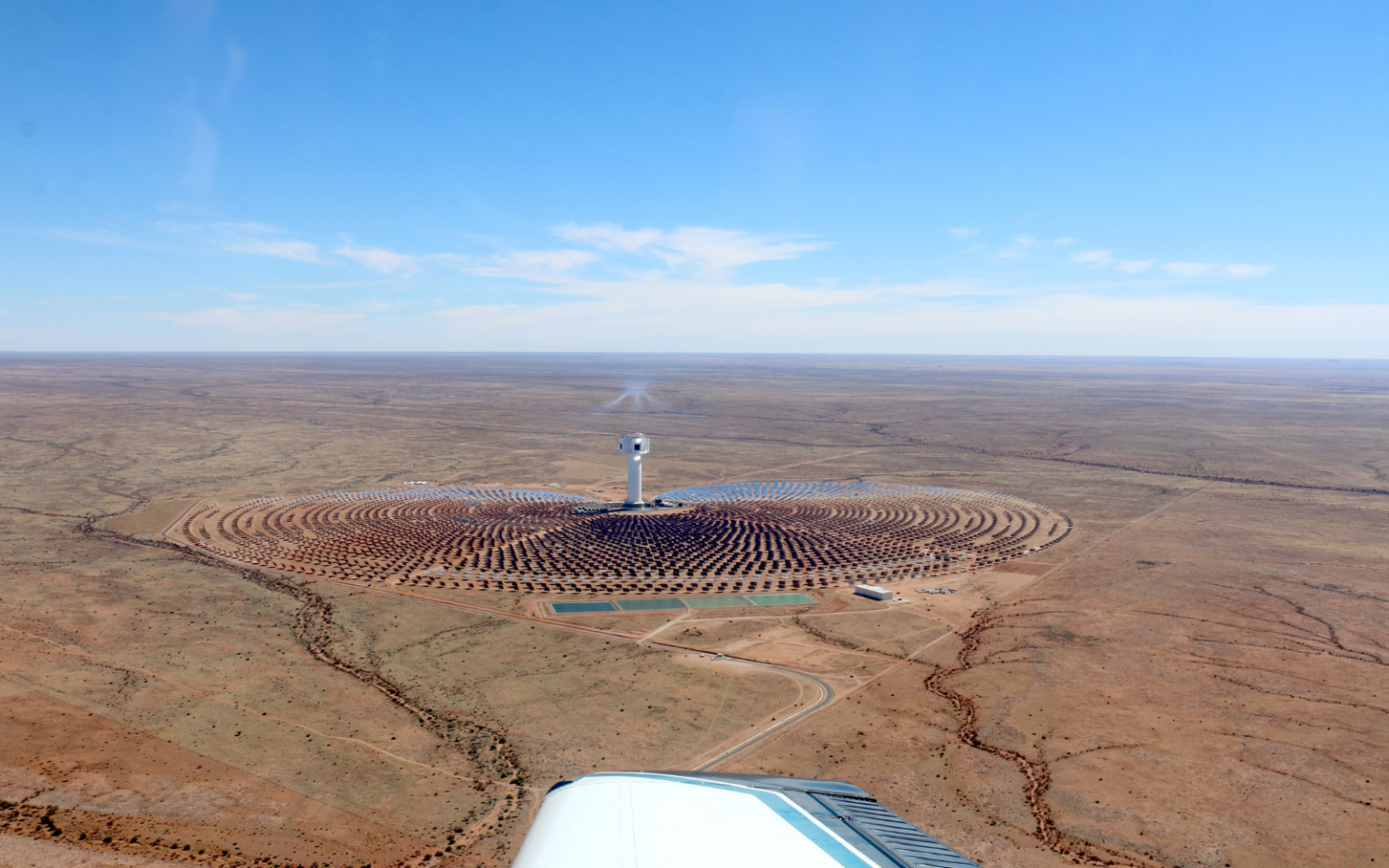
South Africa would seem like the perfect place for widespread uptake of solar energy. The country is sunny, with high solar generation potential. Solar is a clean, reliable source of power that can help people reduce their dependence on polluting fuels like paraffin and diesel. Switching to solar also cuts electricity bills, which have more than doubled over the last 10 years. Yet solar power makes up less than 10% of the country’s energy mix. About 74% of South Africa’s electricity still comes from burning coal. Most households use electricity provided by coal-fired power stations. For poorer households, paraffin and wood are still the main…

Read More

At some point in the next several months, I am hoping to receive a modest check as a member of the class covered in the class-action settlement Bartz v. Anthropic. In 2025, the artificial intelligence (AI) company Anthropic, best known for creating the chatbot Claude, agreed to pay up to US$1.5 billion to thousands of authors after a judge ruled that the company had infringed upon their copyrights. When I first learned about the settlement, I assumed that Anthropic was primarily interested in teaching Claude about the subject of my stolen work, former socialist activist, British Labour politician and feminist Ellen Wilkinson. It did…

Read More

The explosion of generative artificial intelligence (AI) tools has provoked both hopes and anxieties about the potential benefits and harms of this technology. In advanced economies, people are almost equally worried and optimistic about it. This is perhaps unsurprising. AI consumes vast amounts of natural resources yet promises to save the planet. It may improve human efficiency and productivity, while putting millions out of work. For many white-collar workers, AI use now seems non-optional. The messaging is clear – get on board or be left behind. Amid this uncertainty and rapid technological uptake, concerned citizens have made efforts to resist AI. One form of AI resistance, aimed…

Read More

The minibus taxi is ubiquitous in southern Africa. These vehicles are the backbone of the urban economy, providing affordable mobility for millions. In Cape Town, South Africa’s second most populous city, they are central to the transport landscape. Around two-thirds of the city’s public transport users rely on paratransit services (which respond flexibly to demand), carrying about 830,000 daily passengers across 1,466 routes, and run by private individuals or associations rather than the state. https://www.youtube.com/watch?v=C45BzhRNnVA Minibus taxis in Cape Town, South Africa. But because these vehicles run on petrol and diesel, they also contribute to greenhouse gas emissions, poor urban air quality and rising fuel…

Read More

At this point in NASA’s human spaceflight story, researchers have a substantial amount of material – documents, artefacts, and images – with which to tell the stories of past flights to space. But with NASA’s Artemis II mission around the Moon now in the books, we’re getting a refreshed look at space. And the digital photographs transmitted back to Earth – even mid-mission – tell a modern story of the crew’s experience. Entire generations born after Apollo 17’s last close-up look at the Moon in 1972 may hardly believe the reality of Artemis II in the age of AI-generated deep fakes. But this mission…

Read More

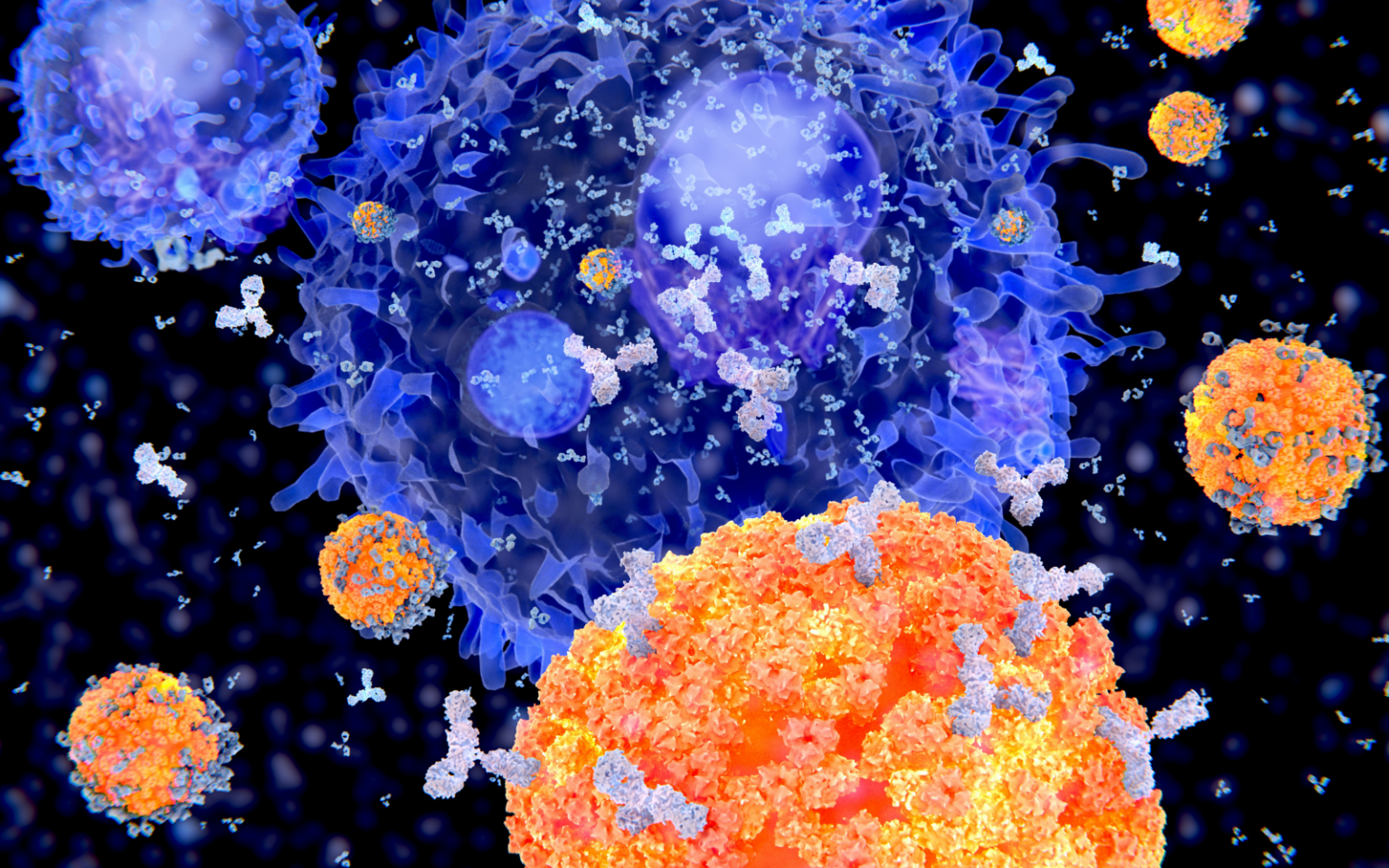
It can be estimated theoretically that more unique biological interactions exist than stars in our known universe. The biological foundations of life are built on an unimaginably vast network of interactions, where molecules, cells, systems and organisms are constantly colliding. For centuries, scientists and doctors have relied on targeted techniques and isolated observations. Through slow, iterative, shared discovery over generations, we have developed our understanding of biology, applying fractional knowledge to enable life-changing approaches in only a subset of disease states and dysfunction. Humanity is now entering a new era of scientific discovery, using artificial intelligence (AI) to learn and reason…

Read More

The four Artemis II astronauts who looped around the Moon this week are expected to splash down soon. NASA’s grand mission spells a return to human deep-space travel, with renewed interest in building a long-term Moon base. The images captured by the crew are spectacular, offering a view from the far side of the Moon with Earth hovering low on the horizon. They are another reminder of technical achievement and human ambition. But in the background, decisions about what happens next and who benefits are already taking shape. While there have always been legal tensions around ownership, access and control of space, in 2026 they no…

Read More

The conflict in Iran – but also the war in Ukraine – shows not only that AI is radically changing the economics of war (which may be good news), but also that we may be heading towards some kind of “Chernobyl moment”. We may soon experience a disaster that will force us to belatedly realise we should have drawn up some shared rules to govern a technological development that we ourselves triggered. Even Dario Amodei, the founder of AI company Anthropic, who seems passionate about taking action to prevent Armageddon, acknowledges that he doesn’t have the answer we desperately need. One of the…

Read More