Author: The Conversation

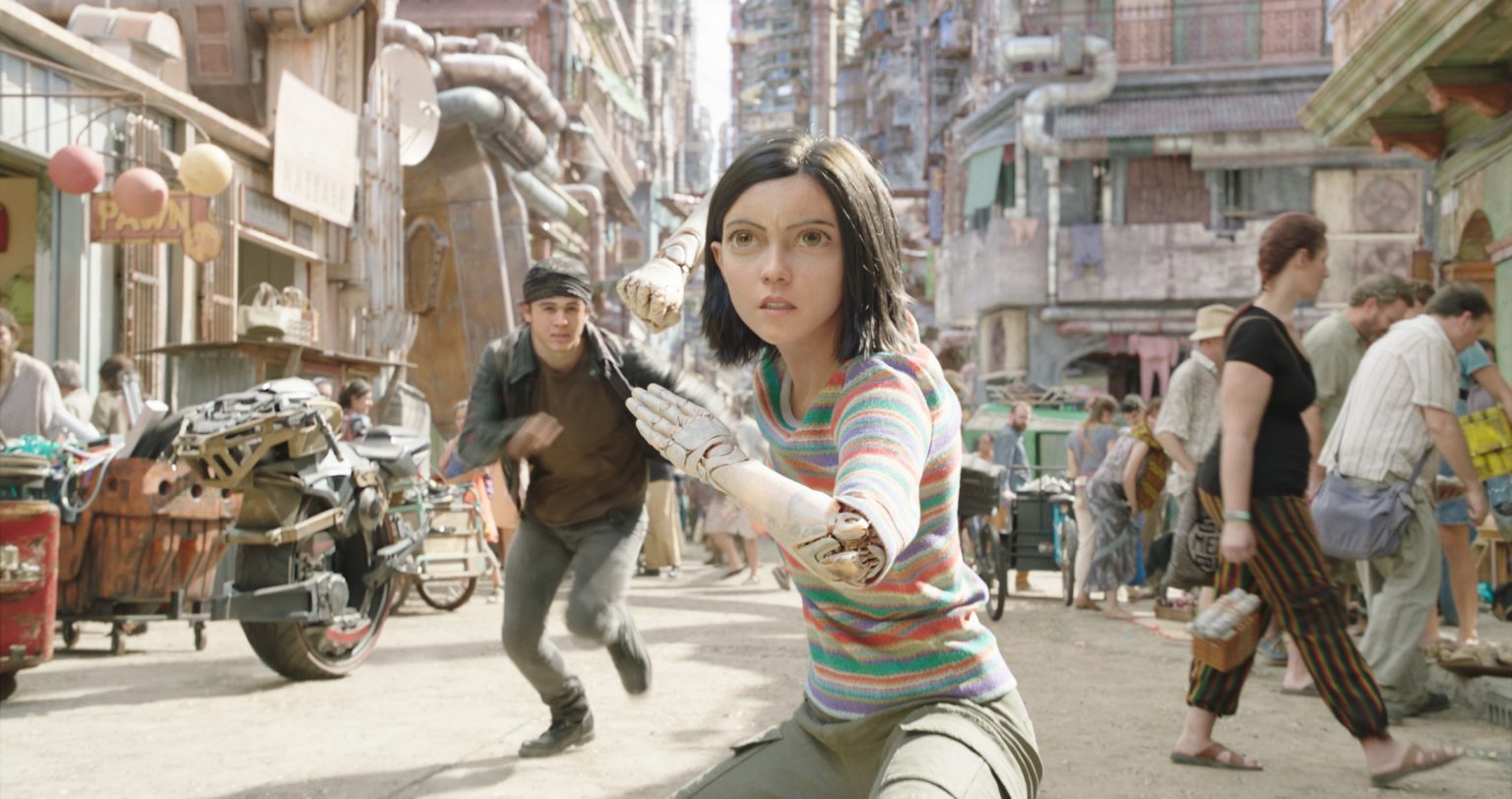
Alita: Battle Angel is an interesting and wild ride, jam-packed full of concepts around cybernetics, dystopian futures and cyberpunk themes.

The film – in cinemas from today – revolves around Alita (Rosa Salazar), a female cyborg (with original human brain) that is recovered by cybernetic doctor Dyson Ido (Christoph Waltz) and brought into the world of the future (the film is set in 2563).

Read More

Every day, often multiple times a day, you are invited to click on links sent to you by brands, politicians, friends and strangers. You download apps on your devices. Maybe you use QR codes.

Most of these activities are secure because they come from sources that can be trusted. But sometimes criminals impersonate trustworthy sources to get you to click on a link (or download an app) that contains malware.

Read More

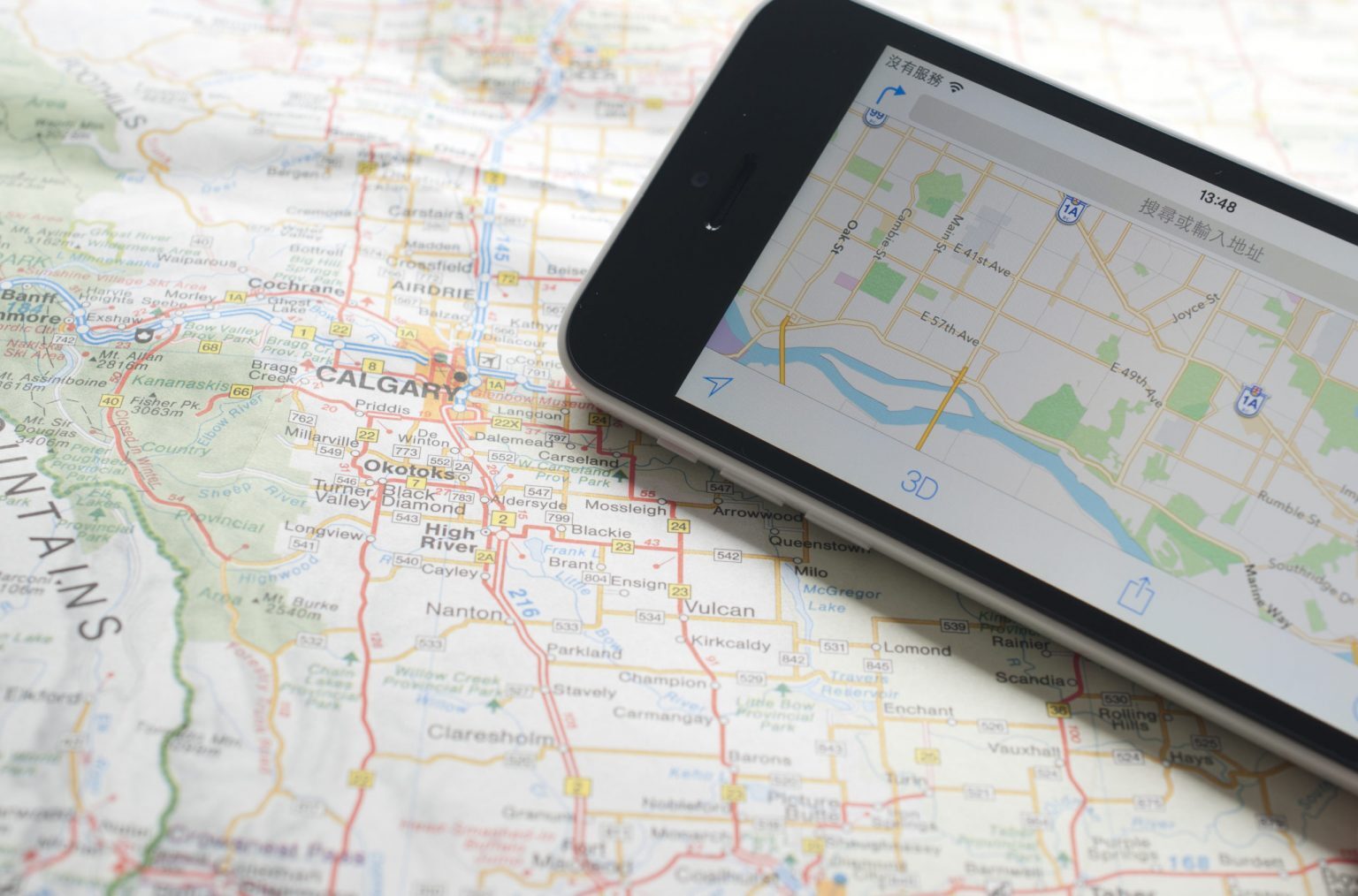
Ted Florence is ready for his family trip to Botswana. He has looked up his hotel on Google Maps and downloaded a digital map of the country to his phone. He has also packed a large paper map. “I travel all over the world,” says Florence, the president of the international board of the International Map Industry Association and Avenza Maps, a digital map software company. “Everywhere I go, my routine is the same: I get a paper map, and I keep it in my back pocket.”

Read More

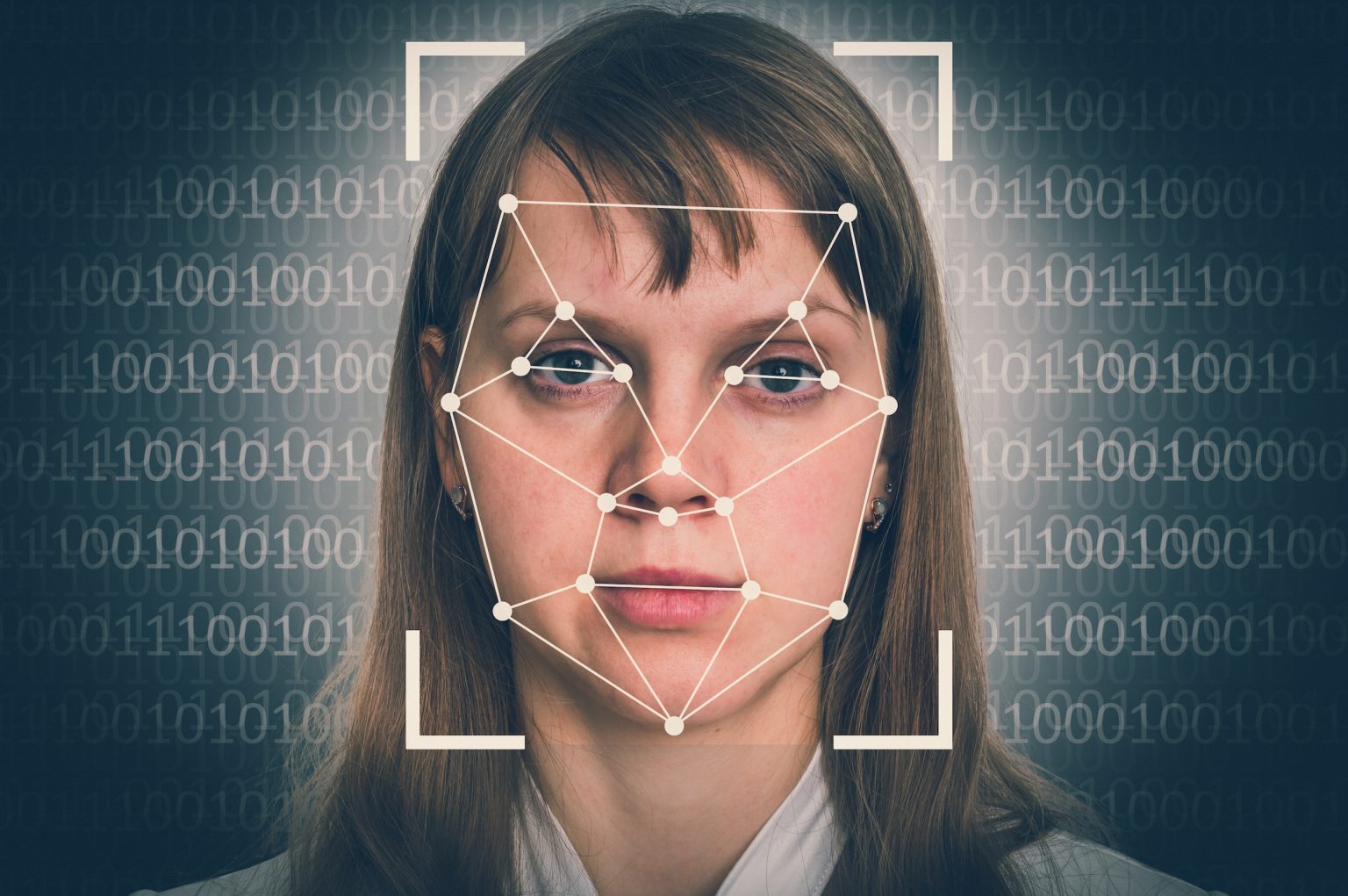
It has the potential to ruin relationships, reputations and our online reality. “Deepfake” artificial intelligence technology promises to create doctored videos so realistic that they’re almost impossible to tell from the real thing. So far it has mostly been used to create altered pornographic clips featuring celebrity women’s faces but once the techniques are perfected, deepfake revenge porn purporting to show people cheating on their partners won’t be far behind. But more than becoming a nasty tool for stalkers and harassers, deepfakes threaten to undermine trust in political institutions and society as a whole. The White House recently justified temporarily banning a…

Read More

If social media was a person, you’d probably avoid them. Facebook, Twitter and Instagram are loaded with pictures of people going to exotic places, looking like they are about to be on the cover of Vogue, and otherwise living a fairy-tale existence. And, like all fairy tales, these narratives feel a lot like fiction. When you compare the “projected reality” to your lived experience, it would be easy to conclude that you do not measure up. Research shows that young adults are especially vulnerable to this phenomenon. We have also studied this trend in graduate students, our next generation of scholars: they too, implicitly…

Read More

About a quarter of internet users use a virtual private network, a software setup that creates a secure, encrypted data connection between their own computer and another one elsewhere on the internet. Many people use them to protect their privacy when using Wi-Fi hotspots, or to connect securely to workplace networks while traveling. Other users are concerned about surveillance from governments and internet providers. Many VPN companies promise to use strong encryption to secure data, and say they protect users’ privacy by not storing records of where people access the service or what they do while connected. If everything worked the way it was supposed to,…

Read More

Most of us will have entered into consumer contracts with large companies and ticked a box to confirm we understand the terms and conditions – without bothering to read the fine print. We accept standard form contracts when using social media, booking flights, opening a bank account, subscribing to a gym or renting a car. In all these cases, companies offer pre-drafted standardised agreements that are not negotiable. At the same time, consumers are legally assumed to read the terms and conditions of their contracts. Because of this “duty to read”, consumers are held responsible for the written terms of their agreements,…

Read More

John J Reilly, University of Strathclyde ; Anthony (Tony) Okely, University of Wollongong; Catherine Draper, University of the Witwatersrand, and Mark S. Tremblay, University of Ottawa There is increasing concern about the amount of time children and adolescents are spending in recreational screen time. There’s also increasing controversy over whether or not screen time is actually harmful. Since 2016, we (researchers who’ve contributed to the development of the 24-hour movement guidelines for children and adolescents) have led a number of wide-ranging reviews of the scientific evidence on the impact of screen time from infancy to early adulthood. We examined whether…

Read More