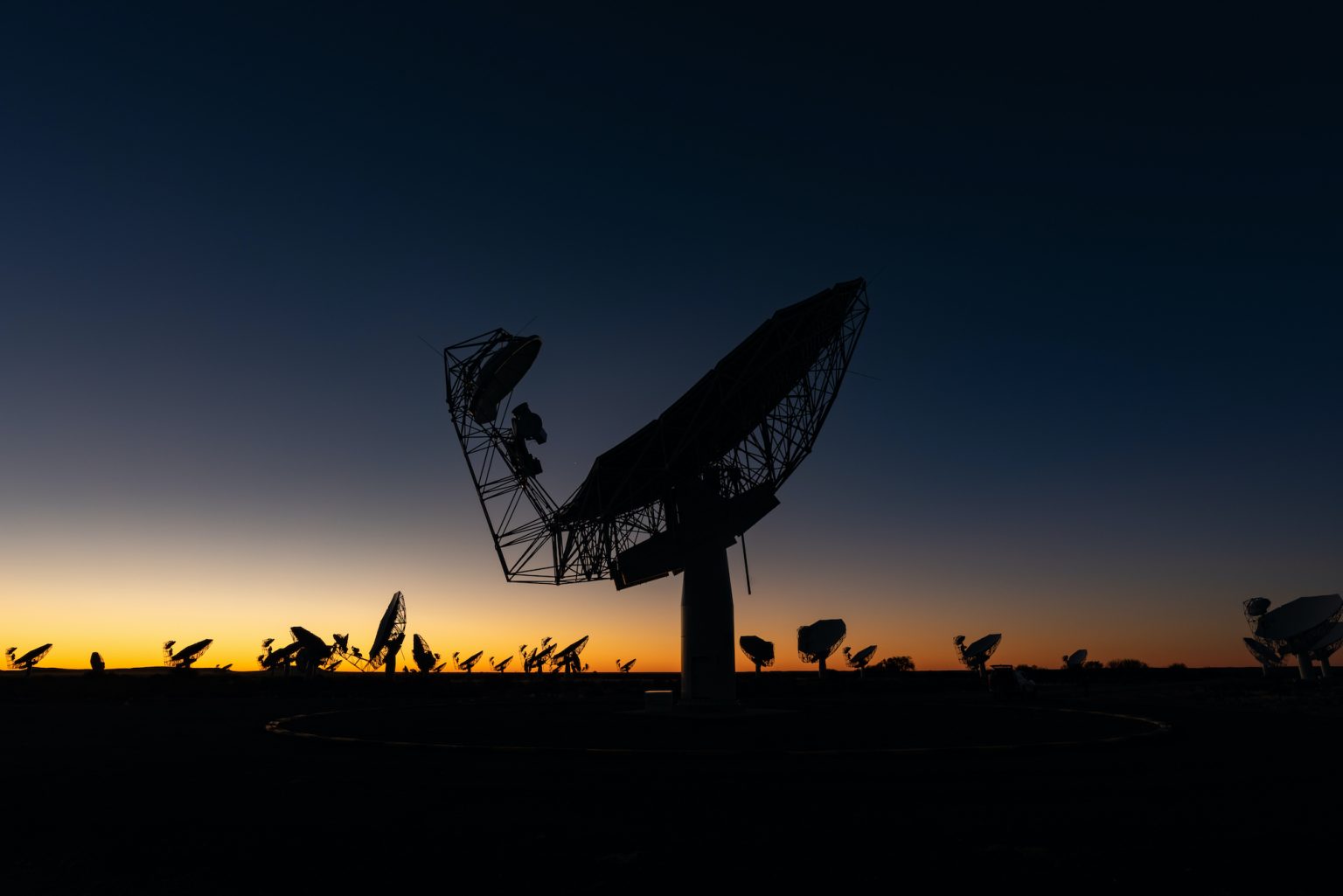
Can we find alien technology? That is the ambitious goal of the Galileo Project, launched this week by Harvard astrophysicist Avi Loeb with substantial private financial backing. The project is far from the first attempt to detect signs of civilisations beyond Earth. Loeb has been criticised in the past for his dismissive approach to previous efforts to find extraterrestrial life and his argument that an alien artefact passed through our solar system in 2017. So why do Loeb and his collaborators think they have a chance of finding something where others have failed? There are three triggers that suggest they might. Exoplanets, ‘Oumuamua, and UFOs…
Author: The Conversation
Robopets are artificially intelligent machines created to look like an animal (usually a cat or dog, but they can be any animal). There are numerous robopets on the market right now, being sold to consumers as “pets” or companions. There is an especially fervent effort being made to set caregivers’ minds at ease by buying these robopets for older adults to replace their deceased or surrendered companion animals. Animal lovers will tell you they would rather have nothing than have a robot for a pet. While a robopet can be programmed to simulate the actions of a real animal, people know it is…
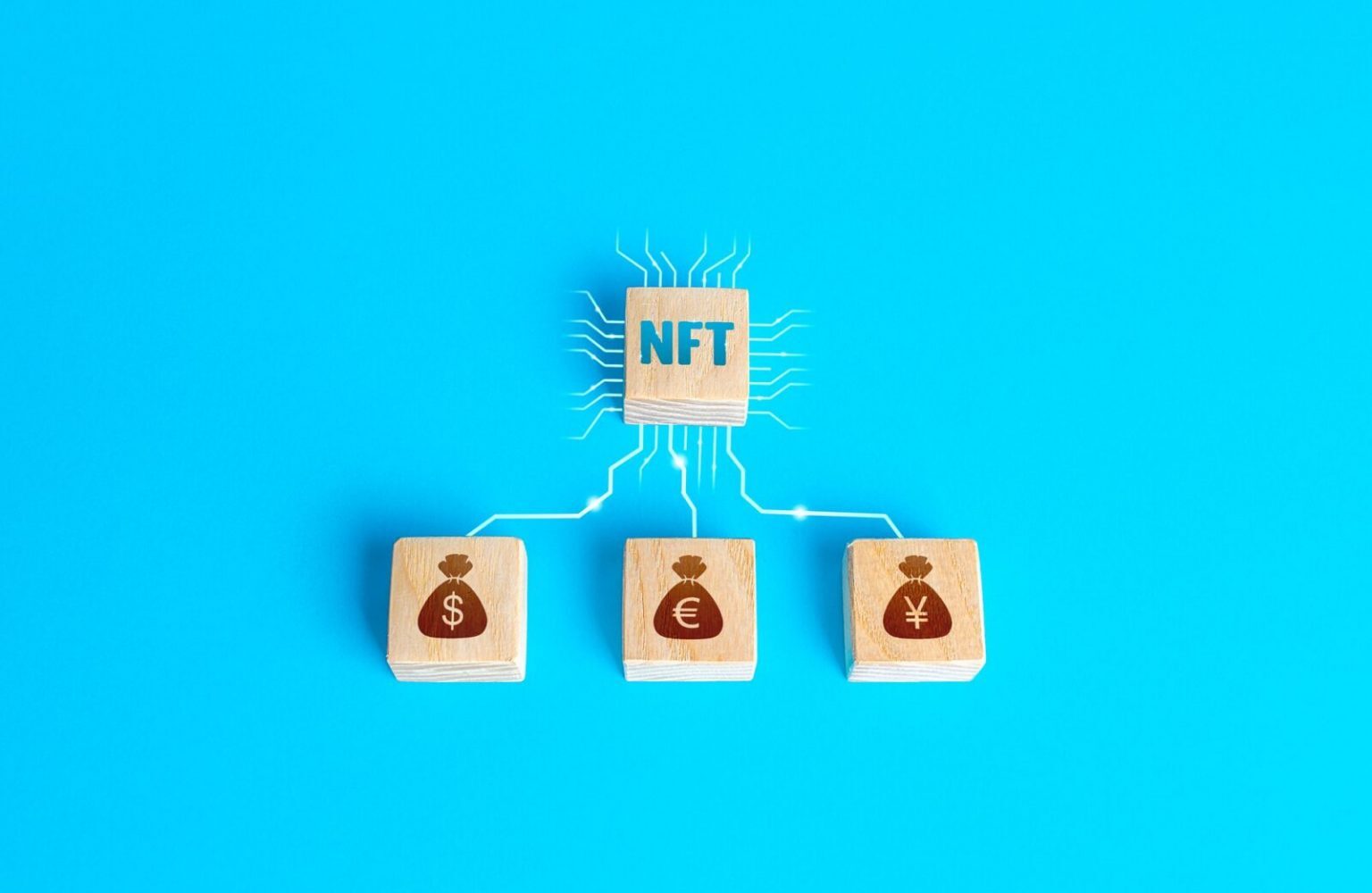
According to the Save the Chimps sanctuary in Fort Pierce, Fla., history was made when non-human primates created NFTs (non-fungible tokens). As with all NFTs, these pieces are unique digital collectibles. The art was created by chimpanzees like Cheetah. Cheetah had lived alone in a steel cage for 13 years and was used in a biomedical study, but now lives at the Save the Chimps sanctuary. The money raised from Cheetah’s and others chimps’ Primal Expressions painting collection sales will help to support sanctuary operations. Save the Chimps was founded in 1997 by primatologist Carole Noon, and its residents come to the sanctuary from a range of…
Military planning is a complicated endeavour, calling upon experts in logistics and infrastructure to predict resource availability and technological advancements. Long-range military planning, deciding what to invest in now to prepare armed forces for the world in thirty years’ time, is even more difficult. One of the most interesting tools for thinking about future defence technology isn’t big data forecasting and the use of synthetic training environments, but narrative and imagination. And we get this from science fiction. That might sound fanciful, but many militaries are already engaging with the genre. The US military and the French army use science fiction writers to generate future…
It usually takes 10 to 15 years to develop a new drug, and they cost around US$2.6 billion each. Because it’s difficult to predict how a drug candidate will interact with human cells, many drugs never pass clinical trials. Testing new drugs on human cells is expensive and complicated, so it is difficult to do early in the development of a drug. To help solve this problem, my research group has built designer artificial cells on a chip the size of a postage stamp. These artificial cells mimic how cells degrade during cancer. This makes it possible to test new drugs…
The mobile apps installed on our smartphones are one of the biggest threats to our digital privacy. They are capable of collecting vast amounts of personal data, often highly sensitive. The consent model on which privacy laws are based doesn’t work. App users remain concerned about privacy, as a recent survey shows, but they still aren’t very good at protecting it. They may lack the technical know-how or the time to review privacy terms, or they may lack the willpower to resist the lure of trending apps and personalised in-app offers. As a result privacy laws have become more detailed, imposing additional requirements…
We may have walked on the Moon and sent probes across the solar system, but we know very little about what’s going on inside other planets. Now, for the first time, we have been able to view the interior of one, thanks to Nasa’s Mars InSight probe. The probe, which landed in 2018, is equipped with a solar-powered lander bristling with equipment, including a seismometer (a very sensitive vibration detector). The results, published in three studies in Science, throw up some unexpected findings about Mars’s interior, including a very large core. Though Mars has no tectonic plates, the first “marsquakes” were detected within months…
In collaboration with the United States Navy’s Underwater Archaeology Branch, I taught a computer AI how to recognize shipwrecks on the ocean floor from scans taken by aircraft and ships on the surface. The computer model we created is 92% accurate in finding known shipwrecks. The project focused on the coasts of the mainland U.S. and Puerto Rico. It is now ready to be used to find unknown or unmapped shipwrecks. The first step in creating the shipwreck model was to teach the computer what a shipwreck looks like. It was also important to teach the computer how to tell the difference…
It’s been a momentous month for space-faring billionaires. On July 11, British entrepreneur Sir Richard Branson’s Unity “rocket-plane” flew him and five fellow passengers about 85 kilometres above Earth. And this week, Amazon founder Jeff Bezos’ New Shepard capsule reached an altitude of 106km, carrying Bezos, his brother, and the oldest and youngest people ever to reach such a height. Passengers on both flights experienced several minutes of weightlessness and took in breathtaking views of our beautiful and fragile Earth. Both flights created an avalanche of media coverage and brand recognition for Branson’s Virgin Galactic and Bezos’s Blue Origin. There is renewed anticipation of a…
The world’s most sophisticated commercially available spyware may be being abused, according to an investigation by 17 media organisations in ten countries. Intelligence leaks and forensic phone analysis suggests the surveillance software, called Pegasus, has been used to target and spy on the phones of human rights activists, investigative journalists, politicians, researchers and academics. NSO Group, the Israeli cyber intelligence firm behind Pegasus, insists that it only licenses its spyware to vetted government clients in the name of combating transnational crime and terrorism. It has labelled reports from investigative journalists a “vicious and slanderous campaign” upon which it will no longer comment. Yet the founder and chief executive of NSO Group previously…