
On Nov. 15, 2021, Russia destroyed one of its own old satellites using a missile launched from the surface of the Earth, creating a massive debris cloud that threatens many space assets, including astronauts onboard the International Space Station. This happened only two weeks after the United Nations General Assembly First Committee formally recognized the vital role that space and space assets play in international efforts to better the human experience – and the risks military activities in space pose to those goals. The U.N. First Committee deals with disarmament, global challenges and threats to peace that affect the international community. On Nov. 1,…
Author: The Conversation
In December last year, the media reported an intriguing signal we at the Breakthrough Listen project found in our radio telescope data. Dubbed BLC1, the signal didn’t appear to be the result of any recognisable astrophysical activity or any familiar Earth-based interference. The trouble was, we weren’t ready to discuss it. When you’re searching for signs of extraterrestrial life, you want to be very careful about getting it right before you make any announcements. Last year we had only just started secondary verification tests, and there were too many unanswered questions. Read more: We asked astronomers: are we alone in the Universe? The answer was…
Between music, podcasts, gaming and the unlimited supply of online content, most people spend hours a week wearing headphones. Perhaps you are considering a new pair for the holidays, but with so many options on the market, it can be hard to know what to choose. I am a professional musician and a professor of music technology who studies acoustics. My work investigates the intersection between the scientific, artistic and subjective human elements of sound. Choosing the right headphones involves considering all three of those aspects, so what makes for a truly good pair? Sound is simply a series of low pressure and high pressure…
Fall 2021 has been filled with a steady stream of media coverage arguing that Meta’s Facebook, WhatsApp and Instagram social media platforms pose a threat to users’ mental health and well-being, radicalize, polarize users and spread misinformation. Are these technologies – embraced by billions – killing people and eroding democracy? Or is this just another moral panic? According to Meta’s PR team and a handful of contrarian academics and journalists, there is evidence that social media does not cause harm and the overall picture is unclear. They cite apparently conflicting studies, imperfect access to data and the difficulty of establishing causality to support this position. Some of these researchers have surveyed social media…
Artificial intelligence (AI) was once the stuff of science fiction. But it’s becoming widespread. It is used in mobile phone technology and motor vehicles. It powers tools for agriculture and healthcare. But concerns have emerged about the accountability of AI and related technologies like machine learning. In December 2020 a computer scientist, Timnit Gebru, was fired from Google’s Ethical AI team. She had previously raised the alarm about the social effects of bias in AI technologies. For instance, in a 2018 paper Gebru and another researcher, Joy Buolamwini, had showed how facial recognition software was less accurate in identifying women and people of colour than white men. Biases in training…
The eye-popping sale price of US$69 million on March 11, 2021, for a non-fungible token created by the digital artist Beeple sent shock waves through the art world. More multimillion-dollar sales of these digital assets that exist on a blockchain and are maintained on networked computers soon followed. At the same time, art museums have faced substantial financial shortfalls accelerated by a decline in visitors and donations induced by the COVID-19 pandemic. Many have considered taking drastic measures, such as selling treasured artworks, to plug budget gaps. Can NFTs generate the revenue many museums sorely need? Some are issuing their own tokens, including the British Museum and the Academy Museum of Motion Pictures. The Miami Institute…
In the midst of the scandals of the Facebook papers, Facebook rebranded the company as Meta. The new name was designed to reflect a focus beyond the Facebook social network platform, and into the metaverse — the extension of the internet into three-dimensional virtual reality (VR) spaces. However, given Facebook’s handling — or mishandling — of their current social responsibilities, we should be cautious about how much control a single company should have over the potential metaverse. We have an opportunity to be proactive regarding the construction of social worlds within virtual reality rather than the reactive state we find ourselves in regarding Meta’s…
China’s dominance in manufacturing has made it the factory of the world. The subsequent economic growth enriched an ever-expanding middle class, and the country’s retail industry has quickly adapted to supply a growing appetite for consumption. Some of these developments in the way people spend their money, powered by the latest technology, will soon be appearing on a device near you. Indeed, at the start of this year, The Economist suggested that retailers everywhere should look to China, and some are already doing so. So what will China’s “retail revolution” bring to the rest of the world? Here are five concepts for global consumers to be…
If you use “123456”, “password” or “qwerty” as a password, you’re probably aware that you’re leaving yourself vulnerable to hackers. But you’re also not alone – these are three of the top ten most common passwords around the world, according to a new report. In partnership with independent researchers, password management service NordPass complied millions of passwords into a dataset to determine the 200 most commonly used passwords around the world in 2021. They analysed the data and presented results across 50 countries, looking at how popular various choices were in different parts of the world. They also looked at password…
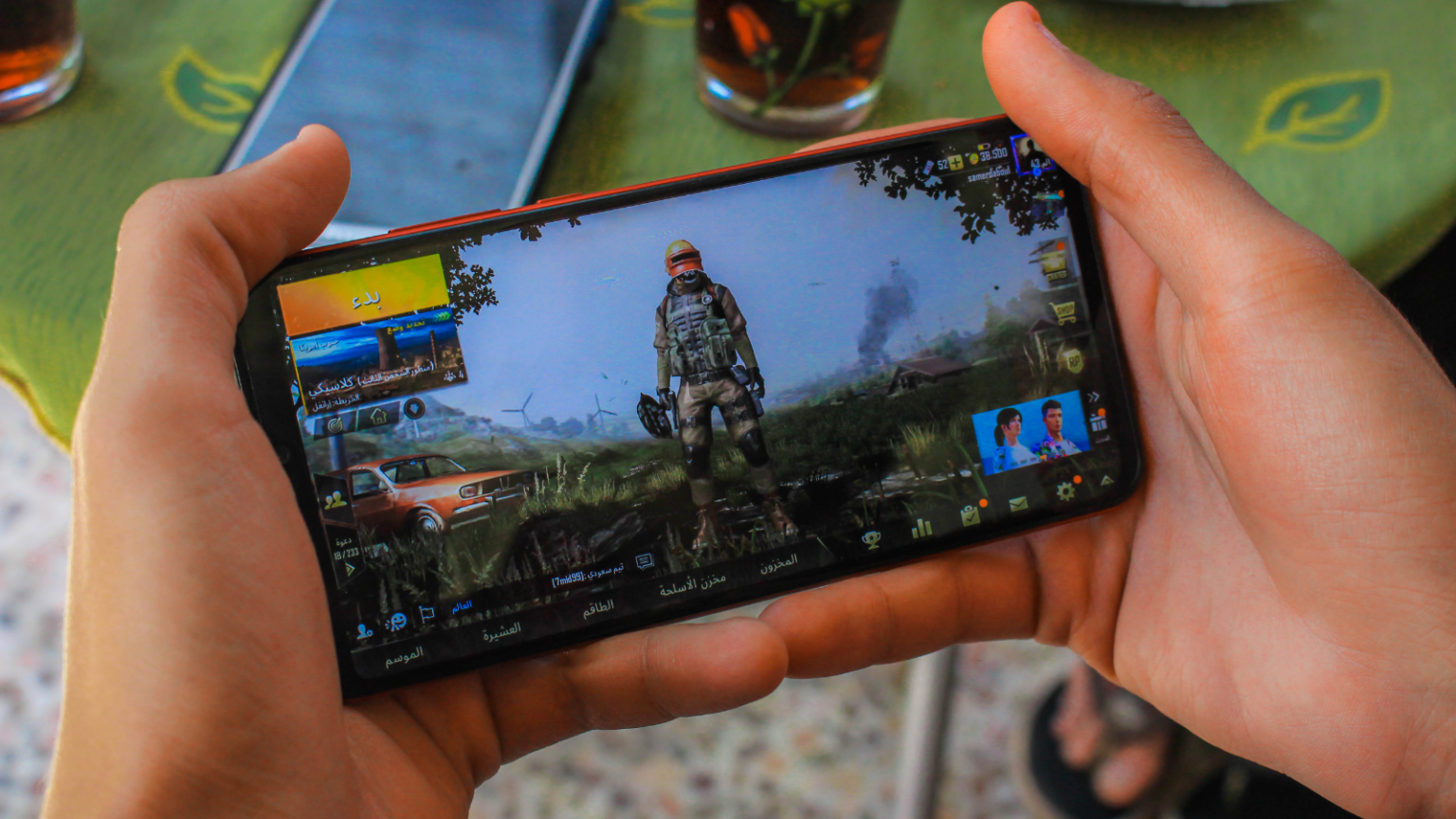
When you break out the game console to play a video game like NBA2K, chances are the biggest decision you’ll have to make is which player or team you want to be. But have you ever considered becoming one of the people who actually designs a game like NBA2K? Worth an estimated US$336 billion, the video game industry is bigger than TV, movies and music combined. And since the industry is growing at a rapid pace, there are plenty of opportunities to work in this field. From game designers and software engineers who program the games to graphic artists or electrical engineers who design the…