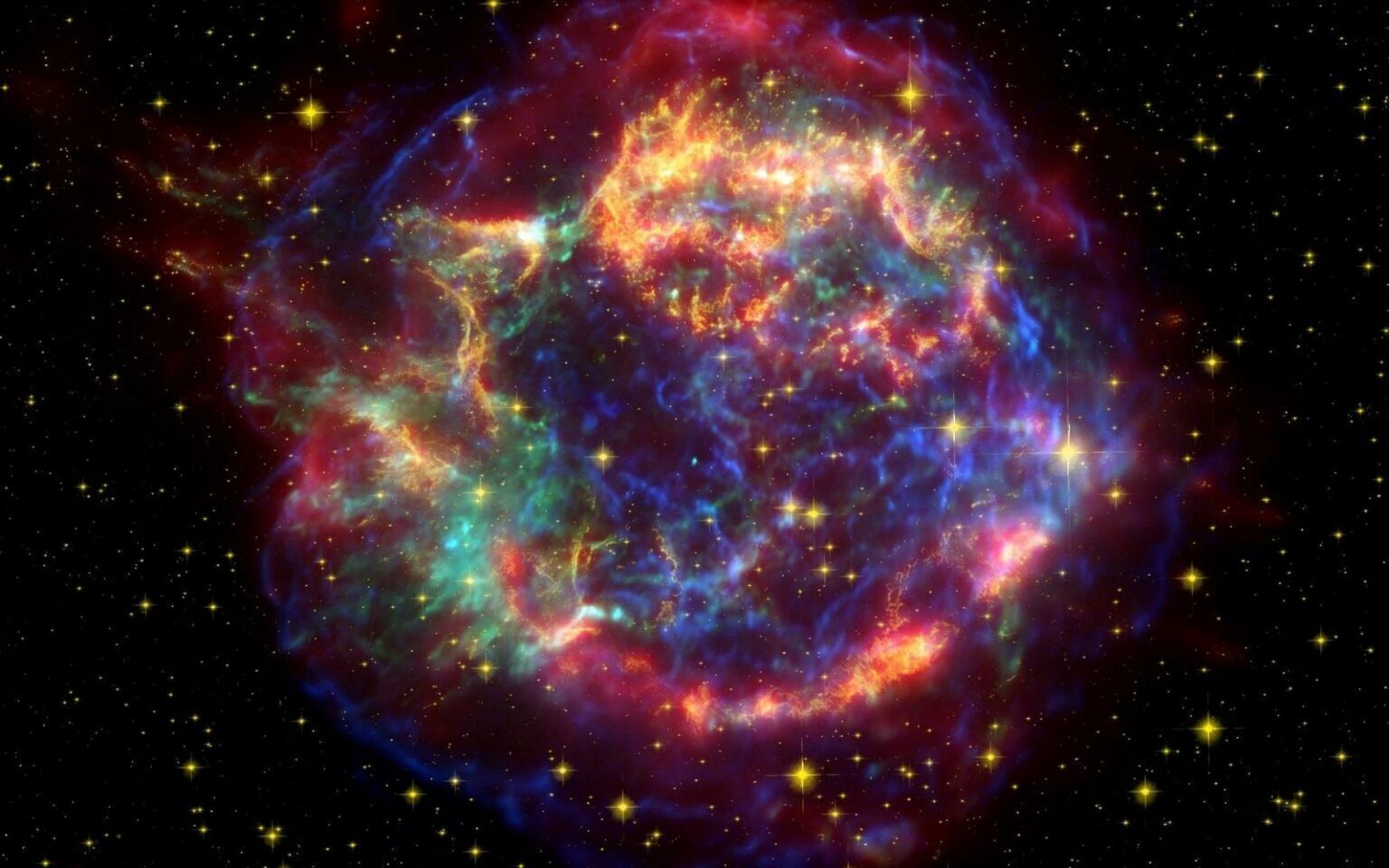

Scientists know very little about the matter that makes up the galaxies in the Universe. About 20% of the matter in galaxies is visible or baryonic: subatomic particles like protons, neutrons and electrons. The other 80%, referred to as “dark matter”, remains mysterious and unseen. In fact, it may not exist at all. “Dark matter” is just a hypothesis. Physicists and astronomers may be chasing a phantom – but that doesn’t stop us from looking. Why? Because if dark matter isn’t real, then the behaviour of the stars, planets and galaxies makes little sense. Today dark matter – and its cousin,…
Author: The Conversation
Plastic pollution is a growing global menace. Between 2010 and 2020, the global production of plastics increased from 270 million tonnes to 367 million tonnes. Every year, more than 12 million tonnes of plastics end up in the world’s oceans, with severe consequences for marine life. When macro plastics degrade into micro-plastics, they easily contaminate the food chain and pose significant threats to human health via inhalation and ingestion. By 2030, plastic waste is expected to double to 165 million tonnes in African countries. Most of this will be in Egypt, Nigeria, South Africa, Algeria, Morocco and Tunisia. A significant proportion of the plastic that ends up on…
The timing and intensity of the seasons shapes life all around us, including tool use by birds, the evolutionary diversification of giraffes, and the behaviour of our close primate relatives. Some scientists suggest early humans and their ancestors also evolved due to rapid changes in their environment, but the physical evidence to test this idea has been elusive – until now. After more than a decade of work, we’ve developed an approach that leverages tooth chemistry and growth to extract information about seasonal rainfall patterns from the jaws of living and fossil primates. We share our findings in a collaborative study just published in Proceedings of the National Academy of…
Does rapid eye movement during sleep reveal where you’re looking at in the scenery of dreams, or are they simply the result of random jerks of our eye muscles? Since the discovery of REM sleep in the early 1950s, the significance of these rapid eye movements has intrigued and fascinated scores of scientists, psychologists and philosophers. REM sleep, as the name implies, is a period of sleep when your eyes move under your closed eyelids. It’s also the period when you experience vivid dreams. We are researchers who study how the brain processes sensory information during wakefulness and sleep. In our recently published study, we found…
Paleontology is undergoing a new renaissance. Since the mid-20th century, genomics has become the main focus of evolutionary biology. But the last few decades have shown how the study of fossils can complement genomic data and improve our understanding of the history of life on Earth. Every fossil site provides information about the ecology and evolution of ancient life, but a handful of fossil sites are providing unique, critical data. These sites of exceptional preservation are known as laggerstätte. These sites can contain fossils with soft tissues, which are unmineralized structures that would normally decay is most conditions, thus usually becoming absent from…
Curdlan is a popular carbohydrate in the food industry. Its name is derived from the word “curdle”, and as it suggests, it’s widely used as a thickener and stabiliser in everything from sausages to milk substitutes. More recently, it has caught the eye of the pharmaceutical industry. That’s because curdlan, itself produced by bacteria, is able to trigger an antibacterial response in a range of environments and organisms. Among other uses, researchers are looking at curdlan as a possible treatment for cancers and other diseases. One of those diseases is tuberculosis (TB), the infection responsible for killing more people than any other infectious disease in human history. South…
The ocean floor is famously less explored than the surface of Mars. And when our team of scientists recently mapped the seabed, and ancient sediments beneath, we discovered what looks like an asteroid impact crater. Intriguingly, the crater, named “Nadir” after the nearby volcano Nadir Seamount, is of the same age as the Chicxulub impact caused by a huge asteroid at the end of the Cretaceous period, around 66 million years ago, which wiped out the dinosaurs and many other species. The finding, published in Science Advances, raises the question of whether the crater might be related to Chicxulub in some way. If…
“To see a world in a grain of sand”, the opening sentence of the poem by William Blake, is an oft-used phrase that also captures some of what geologists do. We observe the composition of mineral grains, smaller than the width of a human hair. Then, we extrapolate the chemical processes they suggest to ponder the construction of our planet itself. Now, we’ve taken that minute attention to new heights, connecting tiny grains to Earth’s place in the galactic environment. Looking out to the universe At an even larger scale, astrophysicists seek to understand the universe and our place in it. They use…
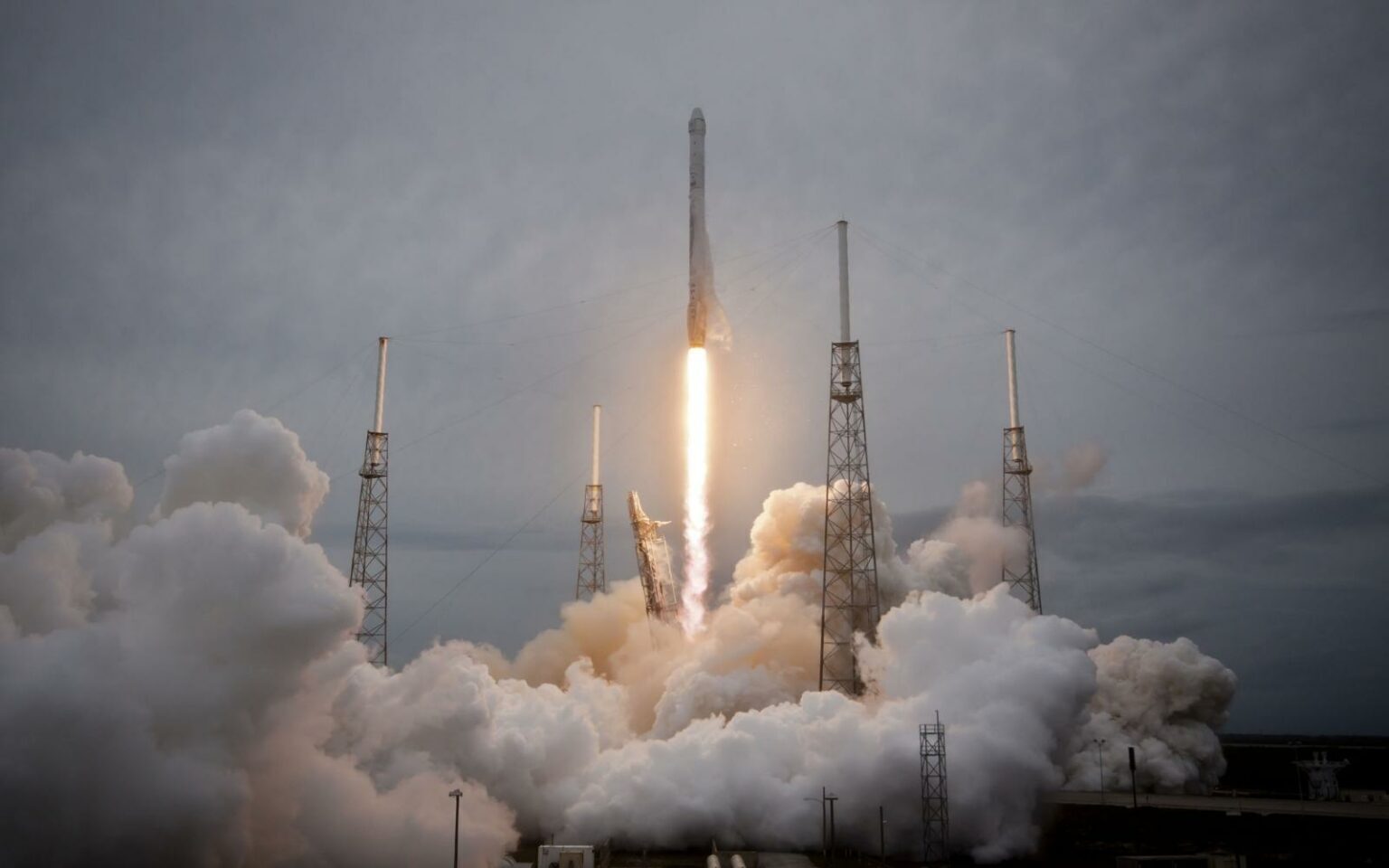
A launch window – the period during which a rocket must be launched to reach its destination – opens on August 29 for the first flight to the Moon since 1972 by a spacecraft designed to carry humans there. If all goes well, the Artemis project will be on track to meet its goal of putting humans back on the Moon in 2025. Project Artemis, the namesake of the sister of Apollo and daughter of Zeus in ancient Greek mythology, is designed to establish a long-term human presence on our nearest celestial neighbour, and to ultimately explore even further afield. Artemis 1 is the…
It’s been 50 years since humans last visited the Moon, and even robotic missions have been few and far between. But the Earth’s only natural satellite is about to get crowded. At least six countries and a flurry of private companies have publicly announced more than 250 missions to the Moon to occur within the next decade. Many of these missions include plans for permanent lunar bases and are motivated in large part by ambitions to assess and begin utilizing the Moon’s natural resources. In the short term, resources would be used to support lunar missions, but in the long term, the…