
This past weekend was a tale of two space missions. SpaceX launched its Starship with the aim of a) sending up new Starlink satellites and b) catching the spacecraft on its return. The United Launch Alliance (ULA) also sent up a new rocket laden with Amazon Leo satellites.
Only one of these missions succeeded. According to the ULA, its new Vulcan rocket “suffered an anomaly 10 minutes into the flight and failed to deliver the Amazon mission to orbit.” SpaceX did not have a similar problem.
Starship isn’t a Leo
Mechazilla catches Starship! Congratulations to the entire SpaceX team on this incredible achievement! https://t.co/YJzmGUZb2B
— SpaceX (@SpaceX) November 14, 2026
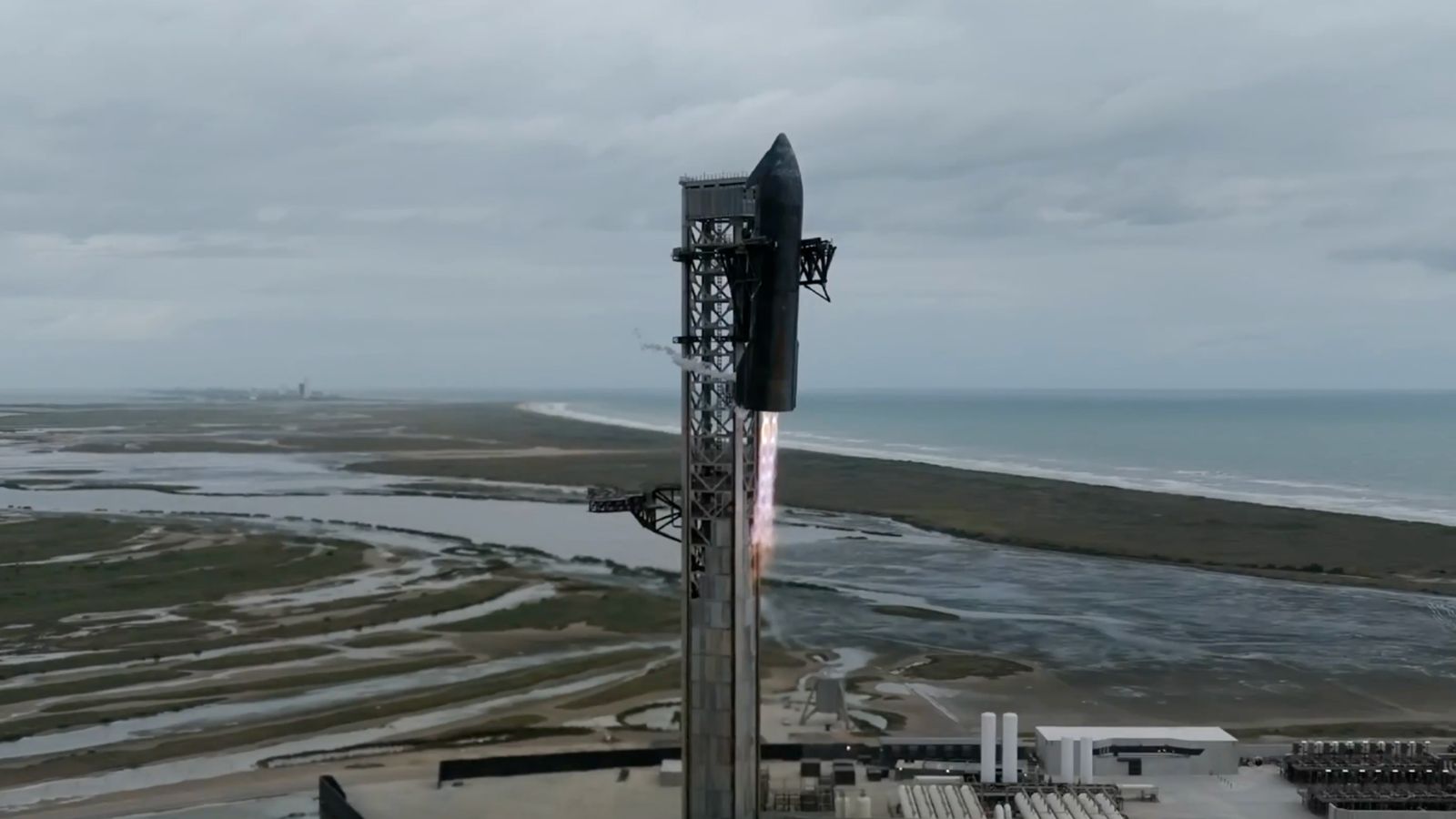
It’s worth watching the video in the embedded X post above before you go any further. It’ll only consume 90 seconds of your day. SpaceX shared the video of Starship falling through Earth’s atmosphere, adjusting course as it went. The rocket comes into frame, rights itself, and then settles cleanly between the welcoming arms of Mechazilla. The entire operation looks effortless. Rocket science is anything but.
That’s proved by the fact that Starship 15 failed, on this occasion, to catch the Super Heavy booster. Instead, that hardware was diverted to an ocean splashdown. The bits will be recovered later. SpaceX was more concerned with the part that succeeded. Super Heavy boosters have been caught and reused before. The upper stage has, on every previous occasion, gone to a watery (or explosive) grave. Mission 15 marks the first time that the space hardware has returned to Earth intact.
Before it dropped from the sky to be caught on a massive metal tower, Starship delivered its payload of 26 Starlink satellites into orbit. Odds are, what remains of Amazon’s 40 Leo satellites, which were obliterated in the ULA’s “anomaly,” are glaring up at space right now in envy.