

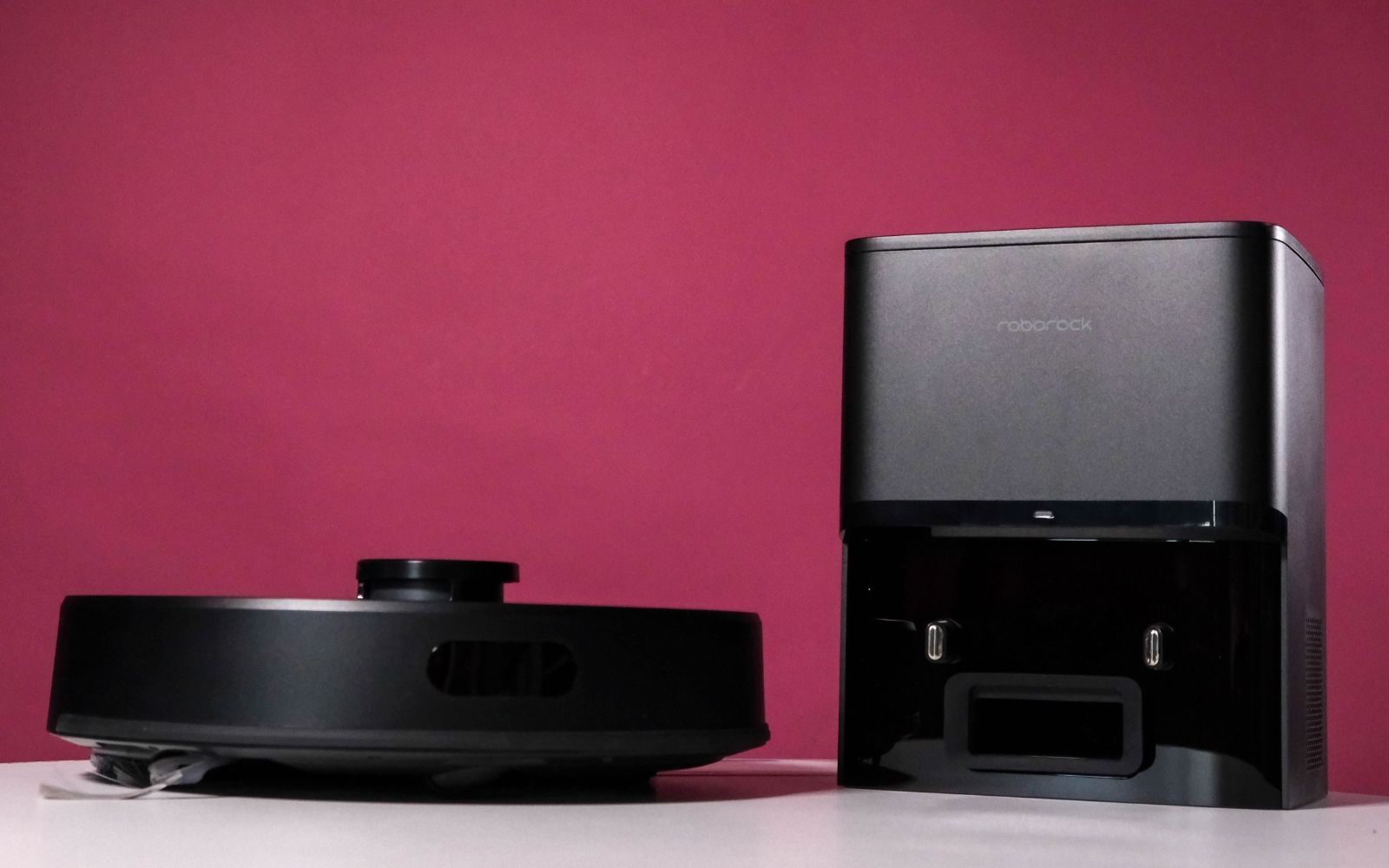
The Roborock Q7 TF+ managed to impress us with the value it offers, despite our initial scepticism. It's the first budget robot vacuum we've had for review, and the first from Roborock, which entered the South African market this year. While it offers both vacuuming (with an auto-emptying station) and mopping, this one is a vacuum first, and a mop only in emergencies. That's not bad for R5,000 or less.
-
Design
-
Performance
-
Features
-
Value
We weren’t expecting much from the Roborock Q7 TF+ when it showed up at Stuff‘s offices. It only costs R5,000 (or less, when Checkers is feeling generous), so our first thought was that corners were cut to reach that price. Well, if Roborock cut any corners, it did a pretty good job hiding them.
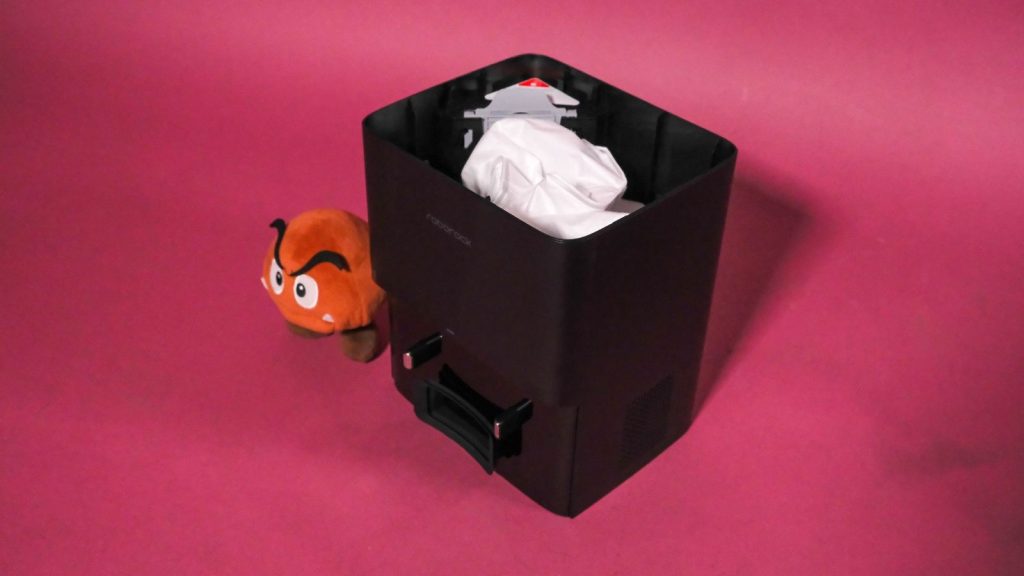
The good impression started when we discovered that you do indeed get an auto-empty station in the box for your hard-earned budget bucks. That’s aspirational for most budget robo-vacs. After sending it on a few cleaning runs, the good impression continued.
If you’re a first-time robo-vac buyer and want to dip your toes into the segment before splurging on a flagship, or your cleaning needs are simple and you’re looking for the best value for money, the Roborock Q7 TF+ is a good place to start.
Unpacked and cleaning, lickety-split
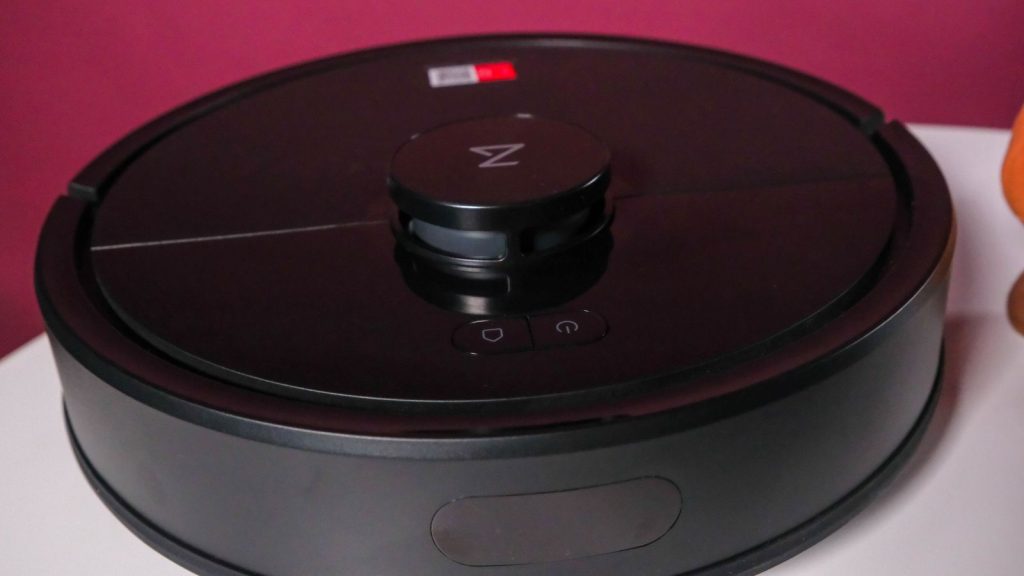
Like the other ‘bots we’ve tested, this one comes mostly preassembled. The contents of the box are unsurprisingly sparse: you get the robot, the auto-emptying station, and a plastic pad that sits under where the robot will park to save your nice floors. It’s got some sticky parts that keep it in place. The rest fits together easily enough. You should consult the quick-start guide if it’s your first time.
Connecting the Roborock to the network and setting up the app was just as easy. Once paired, it will wander around its new home, creating a map with its LiDAR (Light Detection and Ranging) sensor. That’s another feature that’s usually reserved for the higher-priced robots.
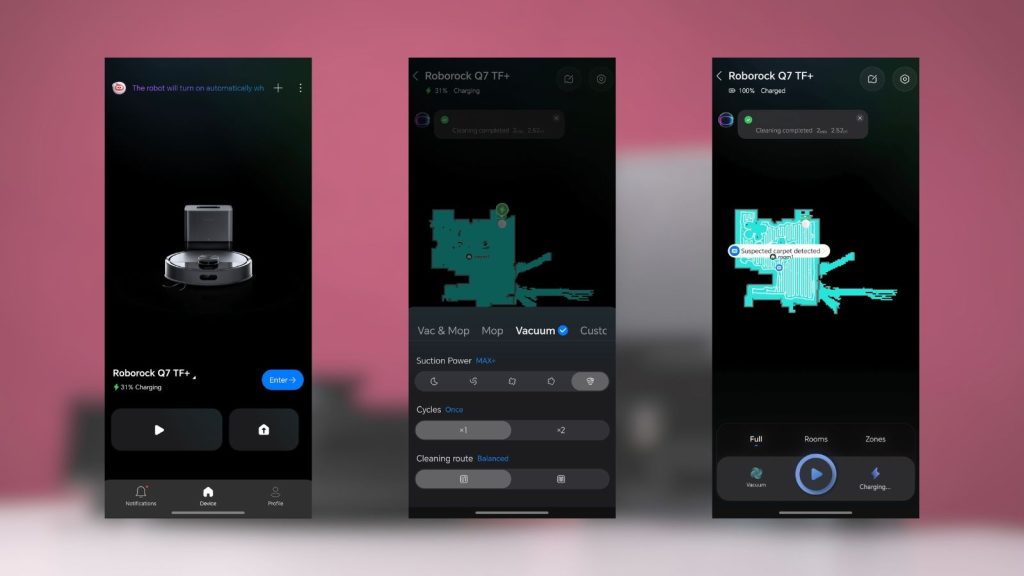
Once the map is created, we recommend editing it for the best results. If you have super thick pile carpets, it’s probably better to mark those as no-clean zones. Roborock’s app also allows you to save different maps for different floors. You’ll just have to carry it between them yourself, since the ability to climb stairs or over thresholds hasn’t made it down to the budget segment just yet. Mark those in the app while you’re at it.
The LiDAR sensor is great for navigation, but it’s fixed in place and can’t retract. That means getting under a couch or low bed frame will be an issue. The robot should, in theory, save itself from taking a tumble down a flight of stairs. But you’ll be sorry the one time it doesn’t.
Sucking the chrome off a tow hitch
During our testing, the Roborock Q7 TF+ continued to impress us with its cleaning ability. Its 10,000 Pa of suction power is the same (or more) suction strength we’ve seen in robot vacuums that cost more than double.
The Q7 TF+ made short work of loose debris on hard floors. It was even strong enough to pick up most of the tactically-spilt sugar on our carpet. We also liked the carpet boost feature. When transitioning from a hard floor and detecting a carpeted zone, it will automatically ramp up its suction. If you forgot to set your carpets in the app, it’ll create the zone for you.
It also handled edge cleaning pretty well. It gets sufficiently close to the edge that its side brush can sweep debris from the edge into its cleaning path. Hair on a hard floor disappeared, but hair on carpet might prove a bit more challenging. It all depends on the hair. Thankfully, you shouldn’t have to worry about wasting time untangling hair from its main brush after every session, although you might find some wound around one side, which is much easier to remove.
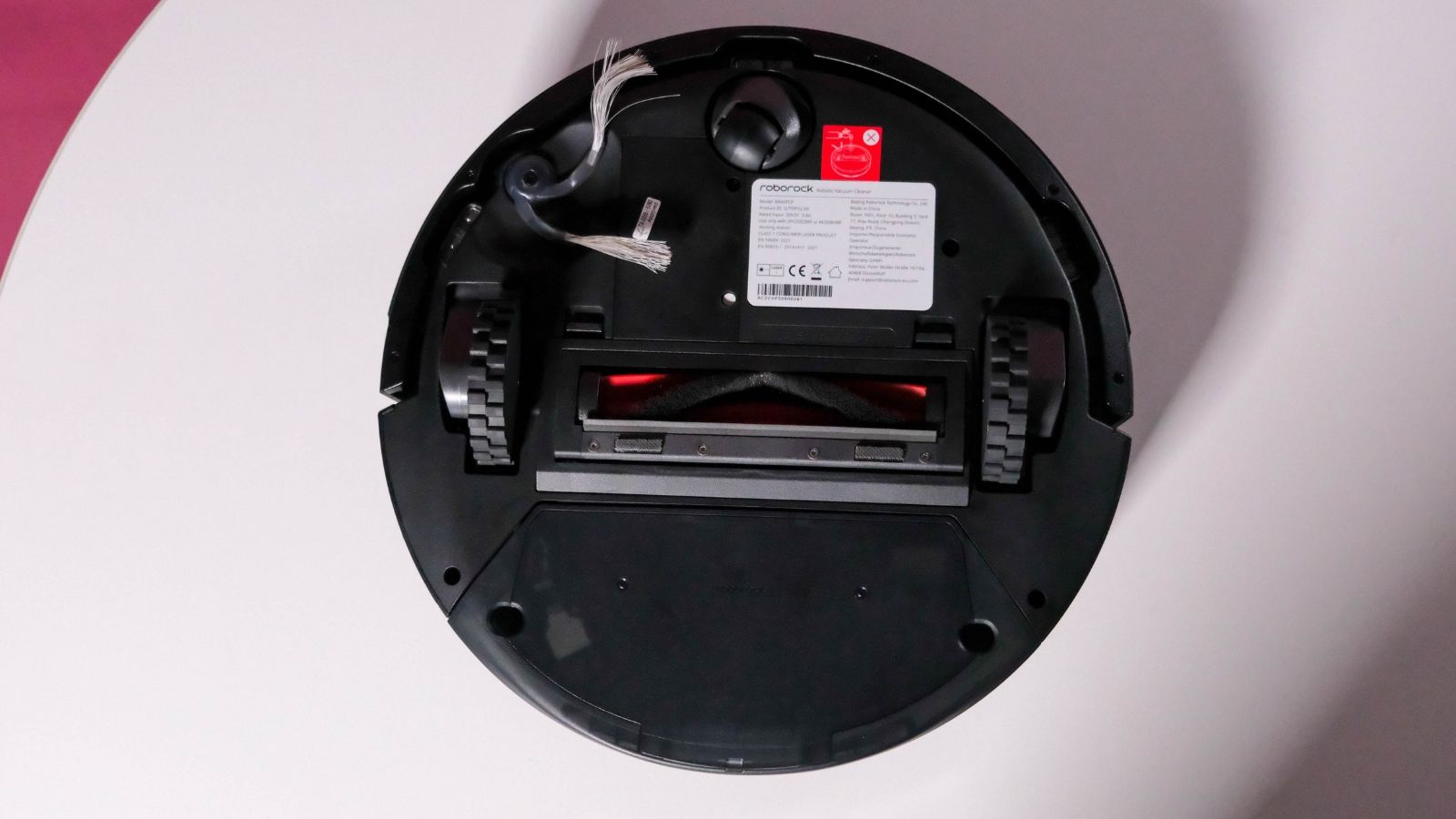
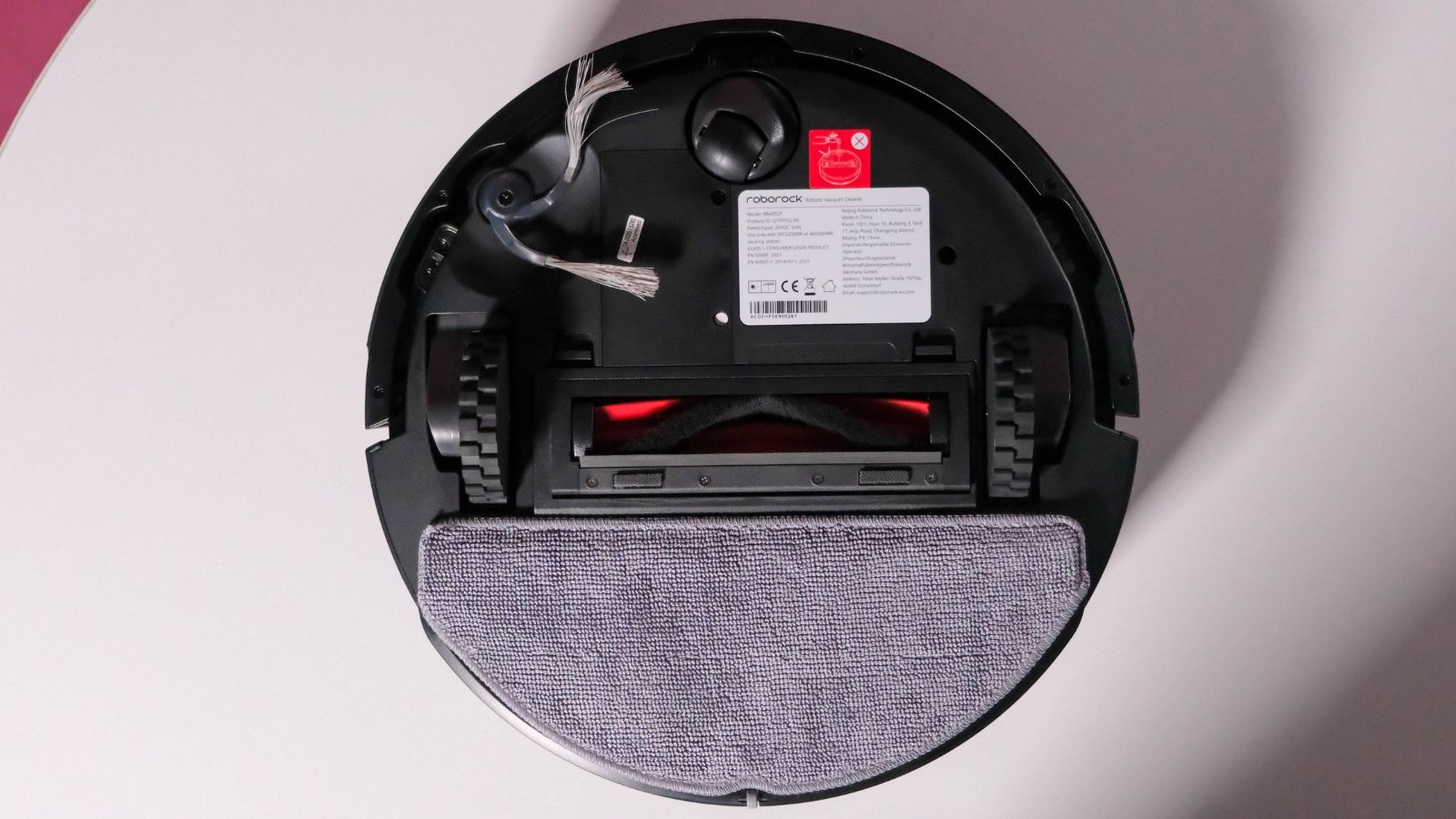
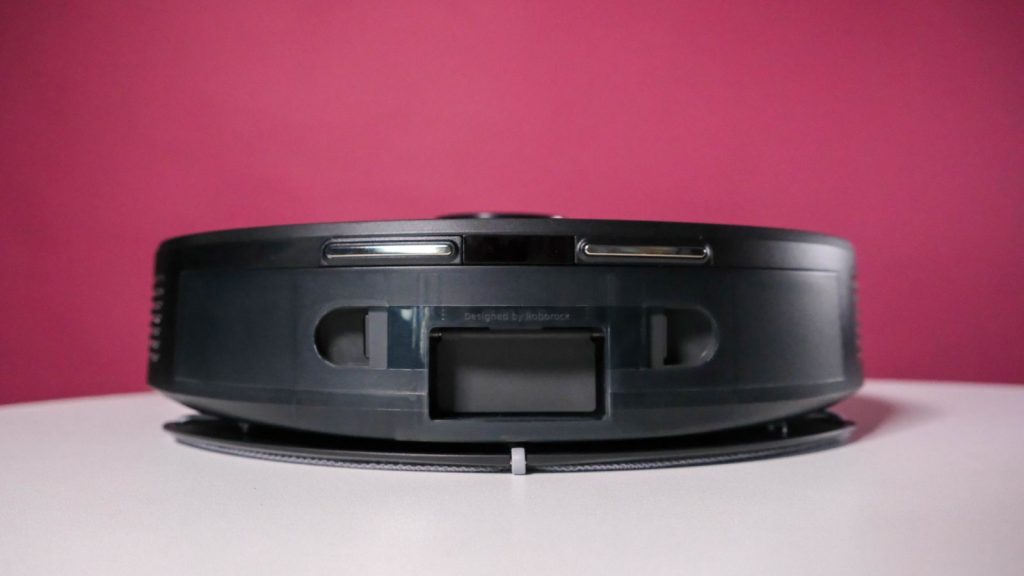
While the mopping test is where we noticed the Q7’s budget leanings, it still didn’t perform as badly as we expected. Fresh wet messes are handled well enough in a single pass, but that drop of coffee from a few days ago might need a few more… or some elbow grease. There’s only so much cleaning a passive mop pad can do. The onboard reservoir isn’t the largest. It will need regular refilling if you’re prone to spilling drinks.
One of the trade-offs with a budget robot vac is that you’ll likely need to clean everything yourself. The station will automatically empty the onboard dirt compartment, but cleaning the mop pad is up to you. If you don’t have several thousand more to spend on a flagship model that does that operation, it’s not the worst compromise; the pads are machine washable.
Roborock Q7 TF+ verdict
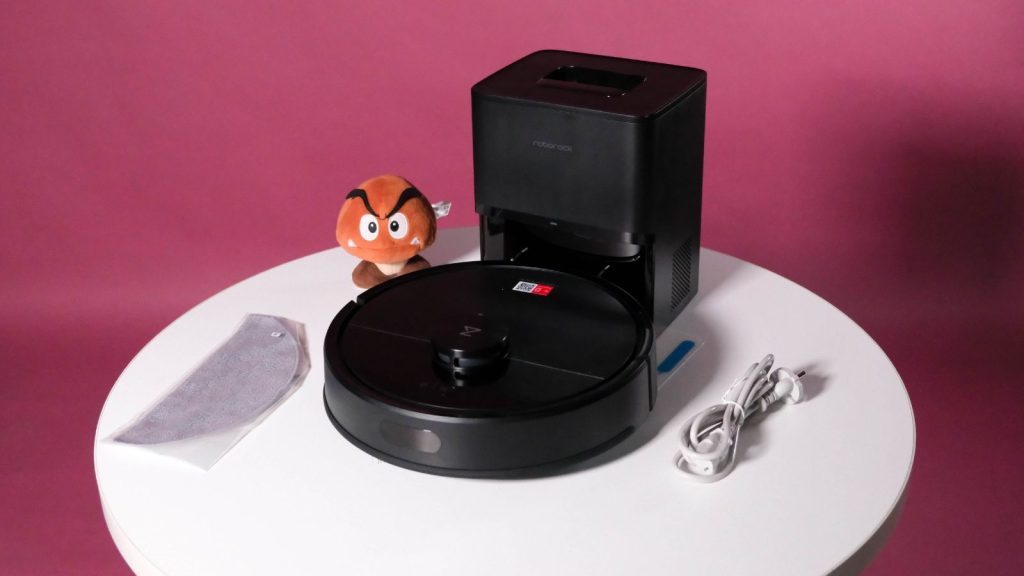
The Roborock Q7 TF+ proved itself a capable budget robot vacuum cleaner that’s earned a recommendation from us. It doesn’t boast all the best features and suffers from most of the same downfalls as other robo-vacs. But those downfalls and the lack of features are much easier to forgive when you see how much the others cost.
Small to medium-sized homeowners looking for some help with daily cleaning should consider the Roborock Q7 TF+. If you live in a mansion, you’re not excluded. Stick it on a stair landing, or another area out of the way of your flagship units, and it will get on just fine. If it takes a tumble, at least it doesn’t cost R20k to replace.