

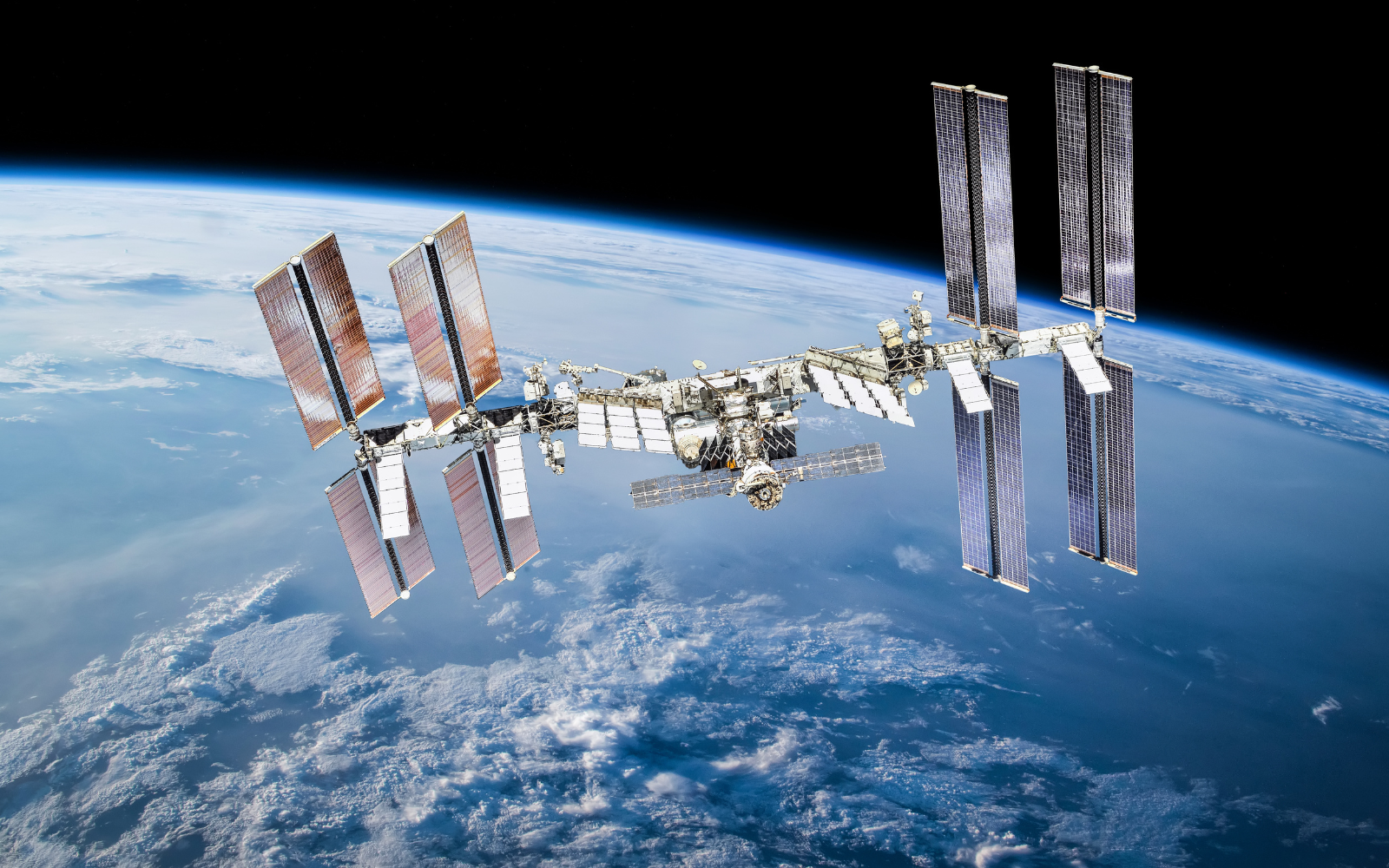
Few things are more South African than a mug of Rooibos. Preferably brewed so strong that the liquid remains bright orange no matter how much milk is added. But what if your cup of orange tea had also been to space? That’s what the Rooibos in Space project has in mind, as part of an International Space Station (ISS) resupply mission in the next three months.
17,346 local seeds are set to travel to Voyager Technologies in Texas as part of the project. It’s surprisingly simple — the experiment will “expose the seeds to microgravity and space radiation before they return to Earth for further testing.”
Space for some Rooibos
The travelling tea makes up just 74.2 grams of the upcoming Cygnus NG-25 resupply mission. It’ll all be encased in a so-called Nanolab set to depart for the ISS as soon as 29 November. The seeds will travel on board one of SpaceX’s Falcon 9 rockets. If you didn’t feel bad about your life before, you’ll probably never get that same opportunity. We’ve all been outdone by… South African tea.
The experiment is scheduled to run for about six weeks. After the seeds return (assuming they survive the trip), they’ll be tested and cultivated. According to the South African Rooibos Council (SARC), “learners and researchers will monitor, measure and analyse differences in germination, growth patterns and plant development as the plants mature.” At some point, we imagine someone will get to drink some of the space tea.
SARC director Dawie de Villiers said, “The scientific objective is to explore what will happen to the Rooibos seeds when they are exposed to conditions beyond Earth, opening up new opportunities to learn more about this uniquely South African plant.”
When they return, the hopefully-not-mutated seeds will be planted in Cederberg and at Parklands College in the Western Cape. After that… hopefully we’ll see some interesting stuff from the space experiment.