


LinkedIn, in the form of the platform’s chief product officer Hari Srinivasan, is congratulating itself on lowering the volume of AI slop on the social network. According to Srinivasan, the platform has seen “40% less views on what we classify as AI slop from just a few weeks ago.”
This follows a new reporting button from LinkedIn that lets users chime in that a post “seems like AI slop.” It is supposed to help LinkedIn “better understand how our community experiences low-quality content.” It’s also, in typical Microsoft fashion, roping in the platform’s users to fix the mistakes LinkedIn made.
Slop doing that
It really was LinkedIn who started the ball rolling. Back in 2023, AI-powered features rolled out to its Premium users. Initially based around summary and job search, it also included the company’s messaging suggestions. Said suggesting was done by artificial intelligence, of course.
The same tech was handed to hiring managers to a) assess candidates and b) craft replies to those deemed worthy. At the beginning of the year, an AI recruiting tool was added to LinkedIn as well. That’s almost definitely still in operation. It does things like “screening resumes, writing InMails, [and] tracking responses,” supposedly making anyone in HR “who’s only good at admin tasks like posting jobs and forwarding resumes” redundant.
But sticking all of this automation into looking for work (the main reason folks are on LinkedIn) wasn’t all. There was also an AI-powered writing tool. That’s since been yanked from the platform, presumably because users don’t like to hear what an AI has to say. When that happens, engagement drops. And when engagement drops, social platforms die.
Partner content
Microsoft and LinkedIn can’t afford to have engagement drop. The platform is a major driver of AI uptake in the companies that use the platform. It’s a tangential link, at the very least, to Microsoft’s greater business services. And it’s also an excellent source of information on what other companies around the world are doing. Job listings can signal new projects, potential threats to Microsoft’s market position, and aspects of business the company may have neglected or may need to accelerate. Officially, that’s not what LinkedIn is used for, but the entire platform is built to summarise and isolate trends in the business world. It’s hard to believe that information doesn’t leak, at the very least. It needn’t be actively harvested to give Microsoft directions.
Competitor companies know the possibility exists. Check out Google and Meta‘s job listings pages — the vast majority of jobs offered (if not all) are product manager, communications, and consultant roles. The sort of jobs that could signify their future plans are kept off LinkedIn. There’s little value in advertising what you’re doing directly to others who might have the resources to match or exceed your efforts.
LinkedIn doesn’t do for Microsoft what it claims to do for its users. The workplace social network is a sales avenue, an information repository, and a subscription payment generator. The site’s users are encouraged not to think about this at every possible opportunity. Instead, they’re invited to think of LinkedIn as a place “where you can find real people & real perspectives.” That worked, until AI slop — facilitated by the platform itself — came along and wrecked the illusion.
Part of the problem
And so the user-facing problem is being suppressed. The ‘seems like AI slop’ button acknowledges that it’s not just LinkedIn’s systems wrecking the quality of posts. Grok, Gemini, ChatGPT, and whatever Meta is calling its product are all included. It’s as simple as a copy-paste following a vague ‘give me an inspirational workplace post’ prompt. Hell, Google Search will do it unprompted if you aren’t sufficiently complicated with your search query.
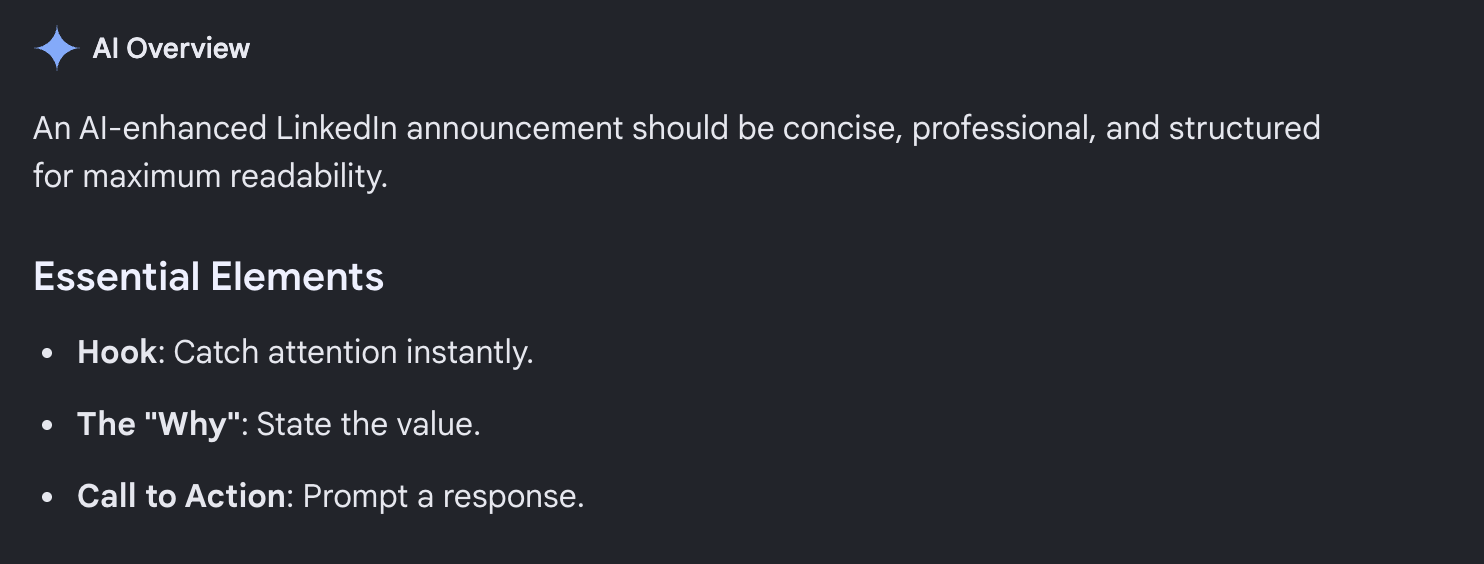
But the back-end systems that further contribute to the frustration with slop aren’t likely to disappear. Why would they? You can’t see them. But LinkedIn users can still experience them. There’s almost no way to speak to a recruiter on the platform. The replies and messages, when they arrive, are probably written by a machine.
LinkedIn remains proud of that fact. Jobs posted are described by AI. Resumes and CVs that are sent to jobs on the platform are assessed and sorted by AI. There’s an increasing machine buffer between prospective job seekers and employers. When that exists, is it surprising that posters on the site are phoning in their contributions by generating their own AI slop?
LinkedIn’s efforts to contain machine-written posts on its platform are being outsourced to users. There are reasons for this. It’s cheaper. An AI system can’t effectively clean up its own mess. Competitor AIs mean that it’s not enough to turn off the function in LinkedIn itself. It may mean up to 40% less slop in your feed, but that won’t cure the malaise. Job searches will continue to butt up against the internal AI systems that make the rest of the experience a frustration. LinkedIn’s changes may keep engagement steady for a while. The frustration with machine filters will remain. The flood of slop is a symptom, rather than the problem itself.