

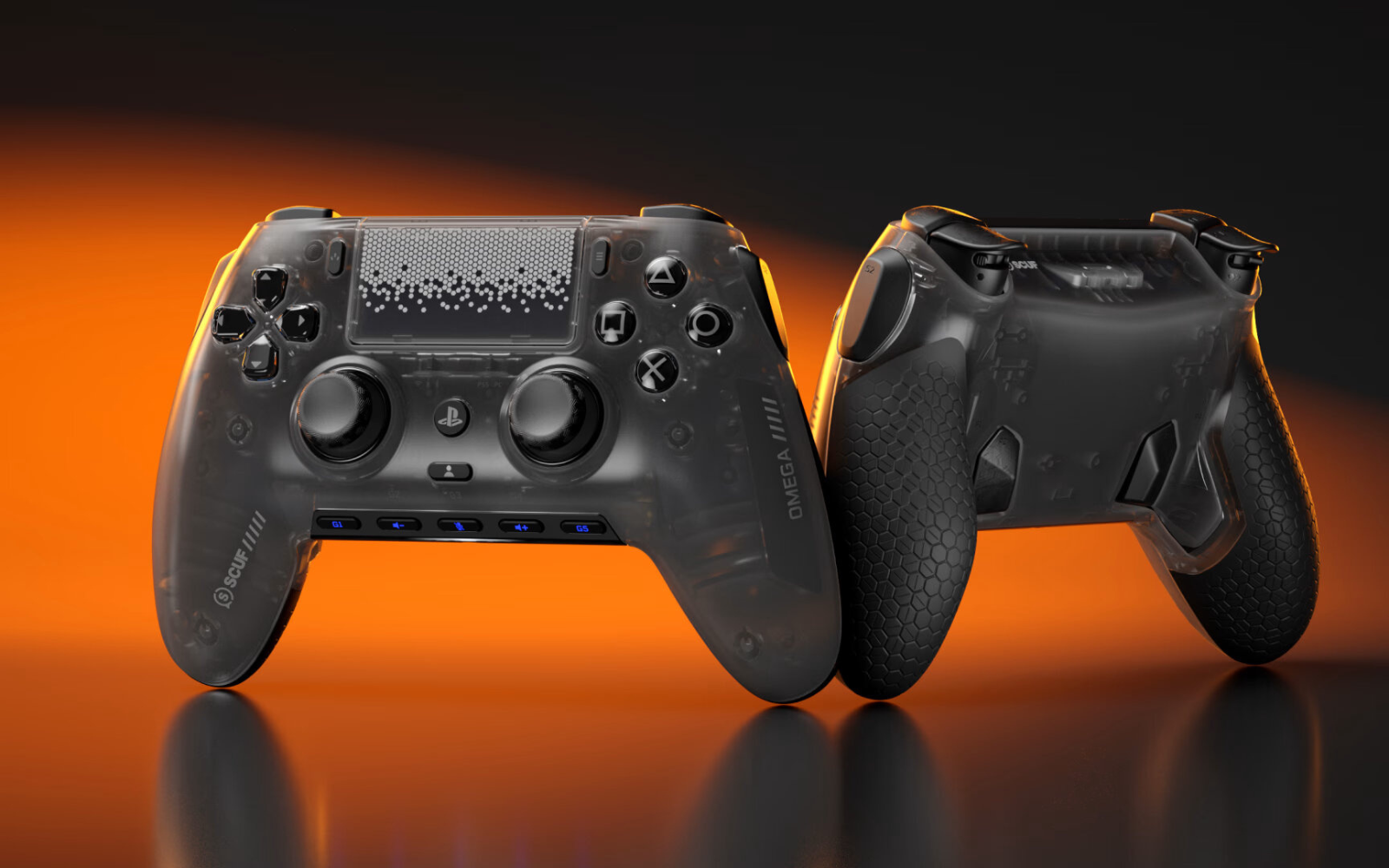
Like many of the people who read PlayStation’s official Scuf Omega announcement, we felt sick to our stomachs seeing that $220 price. That puts it above the already absurdly expensive DualSense Edge. After seeing what the controller had to show off, we realised it probably wasn’t built with the average gamer in mind. And that’s okay.
Scuffed up pricing
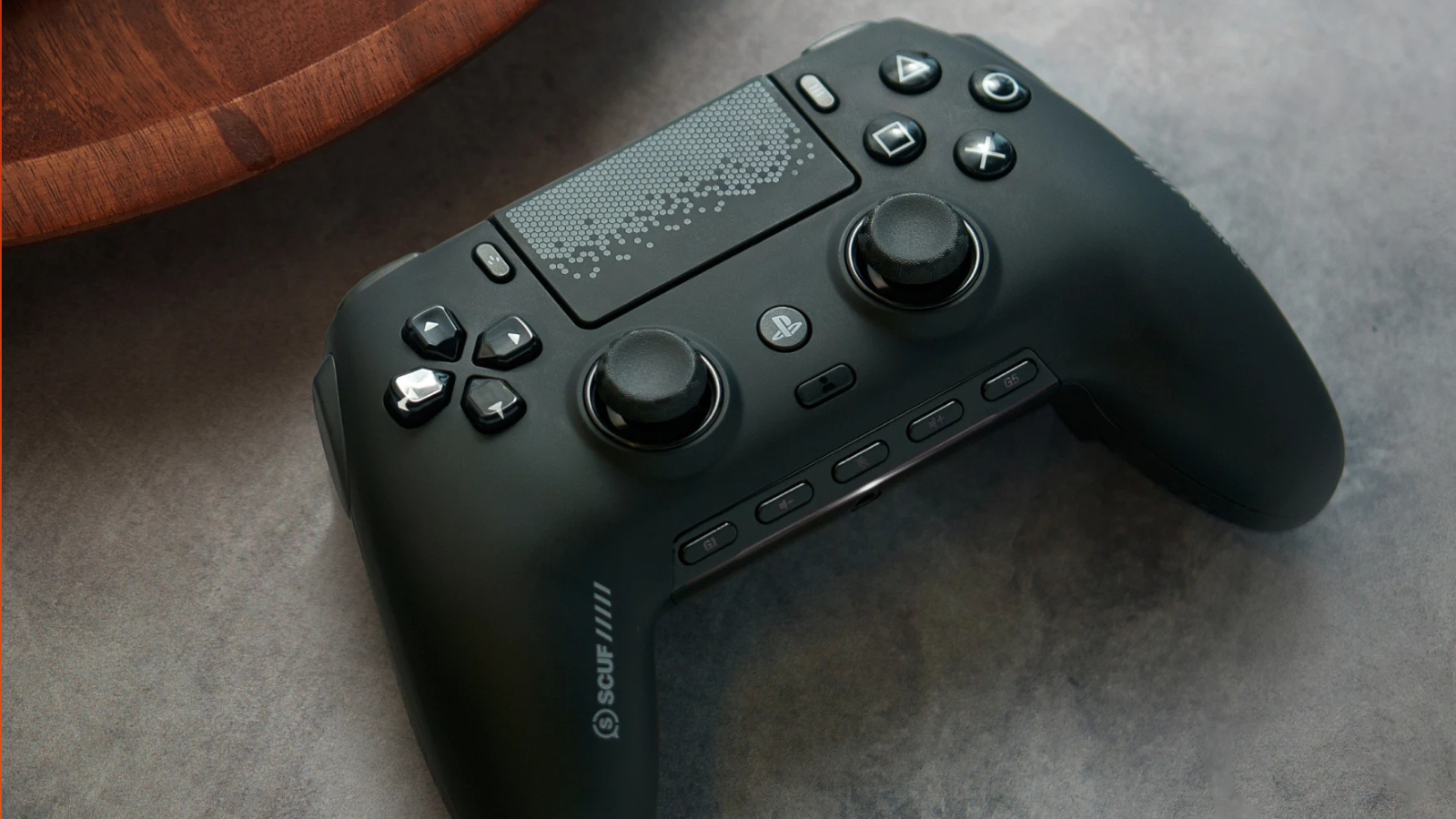
Scuf controllers have long been an over-the-top (and frankly, expensive) accessory sought out by the folks looking to seriously up their K/D in Call of Duty and the like. Extra buttons on the rear, for instance, allow players to run, shoot, and aim, without having to move their little fingies too far. It’s excessive, but that’s the point.
PlayStation’s officially licensed Scuf Omega is more of that — but priced like it’s 2026. We’re not looking to pat Sony or Scuf on the back for charging what is likely a lot more than it costs to make the thing, but we’re not reprimanding ’em either. It’s packed with plenty of features that’ll get the competitive scene frothing, anyway.
It’s also built for PC, Mac, iOS, and Android, on top of being a traditional PlayStation controller. It offers 28 total inputs — including four rear paddles, two side ‘SAX’ buttons, and five G-Keys that’ll handle any macros you throw at it. PlayStation reckons these have been placed right where your fingers will seek them most. It’s also highly customisable, allowing players to decide what those buttons do across multiple profiles, via the Scuf Mobile app.
Read More: Sony’s latest patent brainwave wants to strap a smartphone to your controller
Perhaps the biggest drawback for people is the lack of haptics. That’s… fair, actually. One of the DualSense’s best features is its exceptional haptic feedback, and to see that go isn’t fun. Again, we don’t see the so-called ‘pros’ minding all that much. The result is a lighter controller, desirable to many.
The thumbsticks and triggers might make up for it, however. The thumbsticks rely on tunnelling magnetoresistance (TMR) technology — the gist of which offers several improvements over Hall effect sticks. We’re talking improved accuracy and longer battery life. Then there’s the Omron mechanical switches, applied to the mouse-click triggers, D-pad, and action buttons, allowing for near-instantaneous button presses.
Throw in the 1,000Hz polling rate, and you’ve got a PS5 controller that feels custom-built for the wannabe pros. They probably won’t mind footing the roughly R3,600 ($220) price, even before South Africa tacks on all the extra fees. The controller is currently up for sale in the countries you’d expect. South Africa… will have to wait.