

Even Uber is buying into the electric vehicle (EV) hype sweeping through South Africa. The ride-hailing company has unleashed its first-ever EV fleet onto South Africa’s roads, totalling 70 EVs, according to ITWeb. Uber expects to end the year with 350 EVs on the roads — a minute portion of the company’s 200,000-strong fleet worldwide.
Uber in the EV driver’s seat
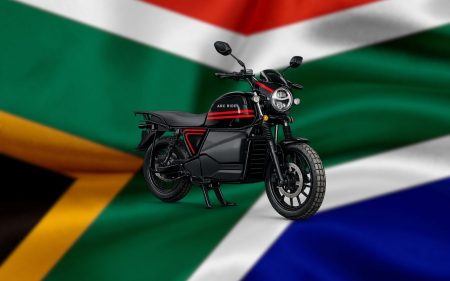
The obvious benefit of ordering an ‘Uber Go Electric’, as the new product is called, is the costs saved by driving without fuel on top of introducing a cleaner, more sustainable solution on the roads — yadda yadda. To pull it off, Uber partnered with Valternative, which offers a fleet of electric motorcycles, battery-swap stations, and ‘subscription-based battery services’. It’s not just us who think that would make a decent Black Mirror episode, surely?
By relieving the pressure of fuel costs on the driver — which Uber claims to be the biggest pressure — and operating with fewer mechanical issues, Uber expects drivers to take home a bigger slice of the pie.
“Electric mobility becomes meaningful when it’s accessible,” says Mahomed Jeewa, CEO of Valternative (via ITWeb). “By managing charging, servicing and fleet operations, we ensure drivers can adopt electric vehicles without carrying upfront risk. We also remove the friction of daily cash flow that is required by providing an all-inclusive ecosystem.”
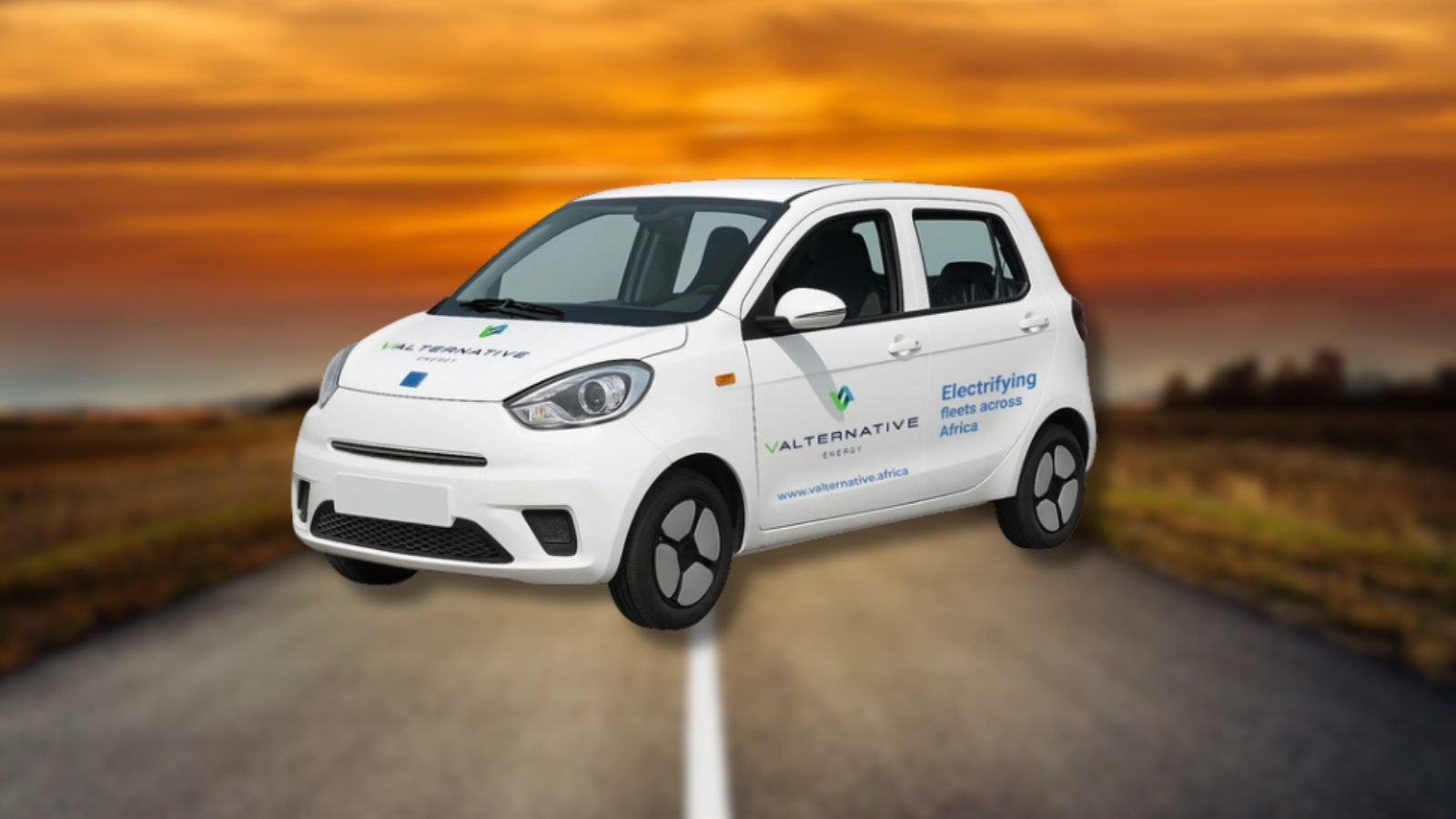
While Stuff couldn’t grab an Uber Go Electric from the middle of Johannesburg, if you do manage to snag one, you’ll be enjoying a ride inside a Valternative EV4 hatchback, manufactured by Beijing Henrey Automobile Technology in China. A proper four-seater with a permanent magnet synchronous motor in the front, don’t expect to get anywhere fast with the company’s new offering.
Read More: Nvidia, Uber, Stellantis, and Foxconn join forces to accelerate self-driving fleet
The single electric motor outputs a meagre 35kW, with maximum torque at 105N, and a top speed of 85km/h. A 25kWh lithium-ion battery sits under the hood, which gets a decent 250km range. Incidentally, it’ll take roughly 40 minutes to go from 20% to 80% using DC fast-charge. Still, it’s worth it for many if the price is right. And with Valvernative leading the charge, drivers have an easy place to service and charge their vehicles in a pinch.
Judging by Uber’s website, which lists the Valternative EV4 for rental, drivers will pay a weekly fee of R4,000 to secure an EV. R2,200 of that goes toward renting the car, while the remaining R1,800 covers “unlimited” charging up to 5,000km a month, maintenance, service, insurance, 24/7 roadside assistance, emergency assistance, tracking device, licensing and registration provided, “and much more.”
How that stacks up to drivers’ current costs with a traditional fuel-based vehicle, we can’t be sure.
The company also confirmed that its recent ‘Uber Moto’ offering, which sticks riders on the back of a motorcycle for a cheaper ride, had gone from a simple pilot to a proper offering in the country. Completing thousands of trips every week, Uber’s GM for Sub-Saharan Africa, Deepesh Thomas, said:
“Uber Moto has shown us just how powerful, affordable, reliable movement can be in opening doors for people − from daily commuters to parents, shift workers and students… Our goal is simple: to build mobility that is accessible, sustainable and proudly built for Mzansi.”