
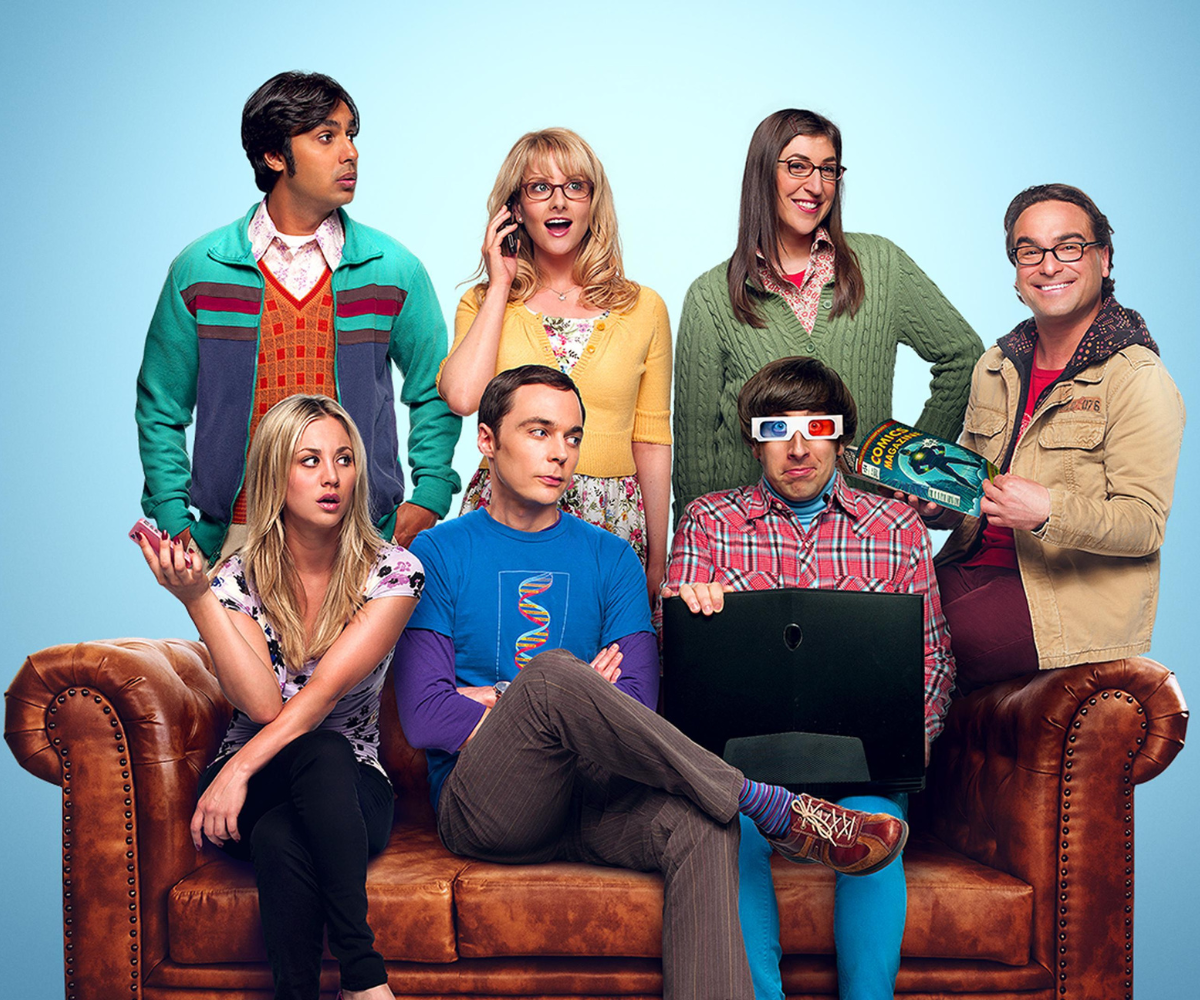
“You look like Leonard, but you talk like Sheldon,” people said to me for years. But, until I watched The Big Bang Theory in 2008, I didn’t get it. In this hilarious TV show, two geeky physicists live across the hall from a beautiful blonde waitress, and the half-hour episodes highlight the cultural and intellectual clashes between the two opposing stereotypes. To hilarious effect. Truly hilarious effect.
Unlike House, which features one enigmatic genius with a fearsome wit and a rare aptitude for problem-solving (played to perfection by Hugh Laurie), The Big Bang Theory features four geniuses with no social skills and appalling dress sense. It has dazzlingly well-written lines of supreme humour.
I have to limit how many episodes I watch in one go or risk rupturing an internal organ. I can’t remember the last time my funny bone was tickled like this – perhaps the opening half-hour of The Man Who Sued God, with Billy Connolly on one of his usual belters.
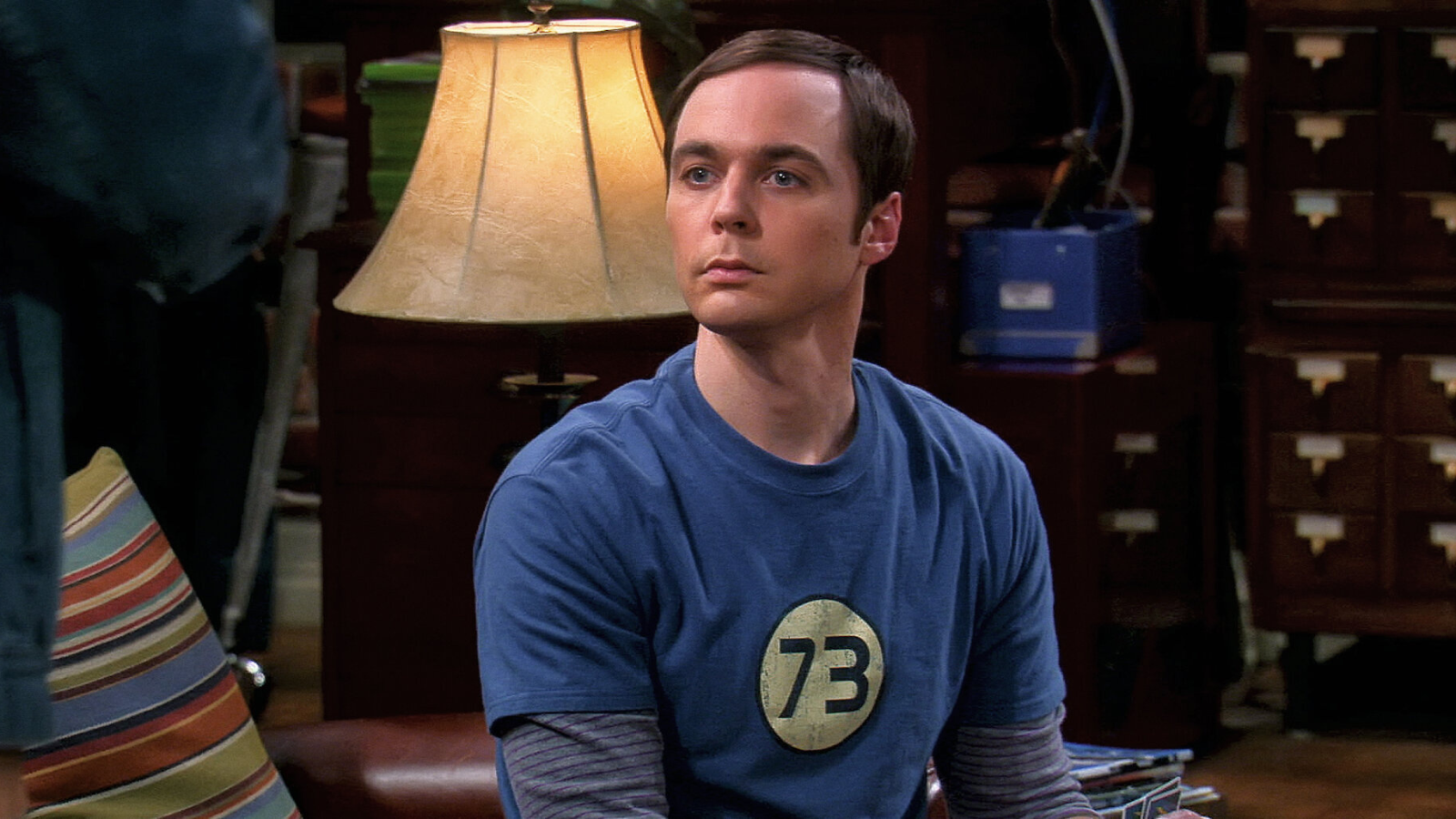
TV, like so much else, has become the centre of our cultural experience and has replaced theatre, art, and so much else as our reference point for existence.
How fitting, then, that there is a smash-hit show about geeks. We make mocking programmes about geeks like Leonard and Sheldon (played by the brilliant Jim Parsons and Johnny Galecki, respectively), but a fair proportion of the world’s population are people who wish they could be theoretical physicists.
Geeks are the new cool and have been for a while. Eighties B-grade rom-coms, such as Revenge of the Nerds, made it popular to be the geeky underdog, while a bespectacled Bill Gates showed that a nerd could become the richest person in the world.
Geeks have taken over the world – or, at the very least, present a new kind of zero-to-hero plotline. Build a great iPhone or Android app, and you could be the next Jerry Yang or Sergei Brin, or Mark Zuckerberg – the co-founders (respectively) of Yahoo, Google, and Facebook. Or perhaps your big idea might be the next Twitter or TikTok. Geekdom presents the last big chance for the little guy to strike it rich.
Forget the meek, the Geeks have inherited the earth.
We live in an age where intellect and mental achievement are (almost) able to rival physical achievement. Sure, Usain Bolt and Michael Phelps will always be the most admired super sportsmen, but Steve Jobs and Mark Shuttleworth are also venerated. They are (athletically) ordinary men with great minds who made it big. Very big.
There are a lot more people who aspired to emulate Gates, Jobs, Shuttleworth, and Zuckerberg than Eben Etzebeth, Cheslin Kolbe, or Roger Federer.
Half of the golf-playing corporate world wishes they had the awesome talent of Tiger Woods, and much of South Africa wishes they were as heroically inspirational as Wayde van Niekerk or as hard as Pieter Steph du Toit (who is hard enough to have his own acronym, PSDT).
With more and more people spending their time online, we’re all a lot more geeky than many of us imagined we’d be. Our words are less about the real world and more about witty text messages, status updates, and blog posts.
After I watched The Big Bang Theory, I was flattered to be compared to Sheldon, whose mercurial, dry sense of humour is everything I want to be when I grow up – after Gregory House, that is.
As Sheldon says so aptly: “Oh, you think you’re so clever. Well, let me just tell you, while I do not currently have a scathing retort, you check your email periodically for a doozey.”