
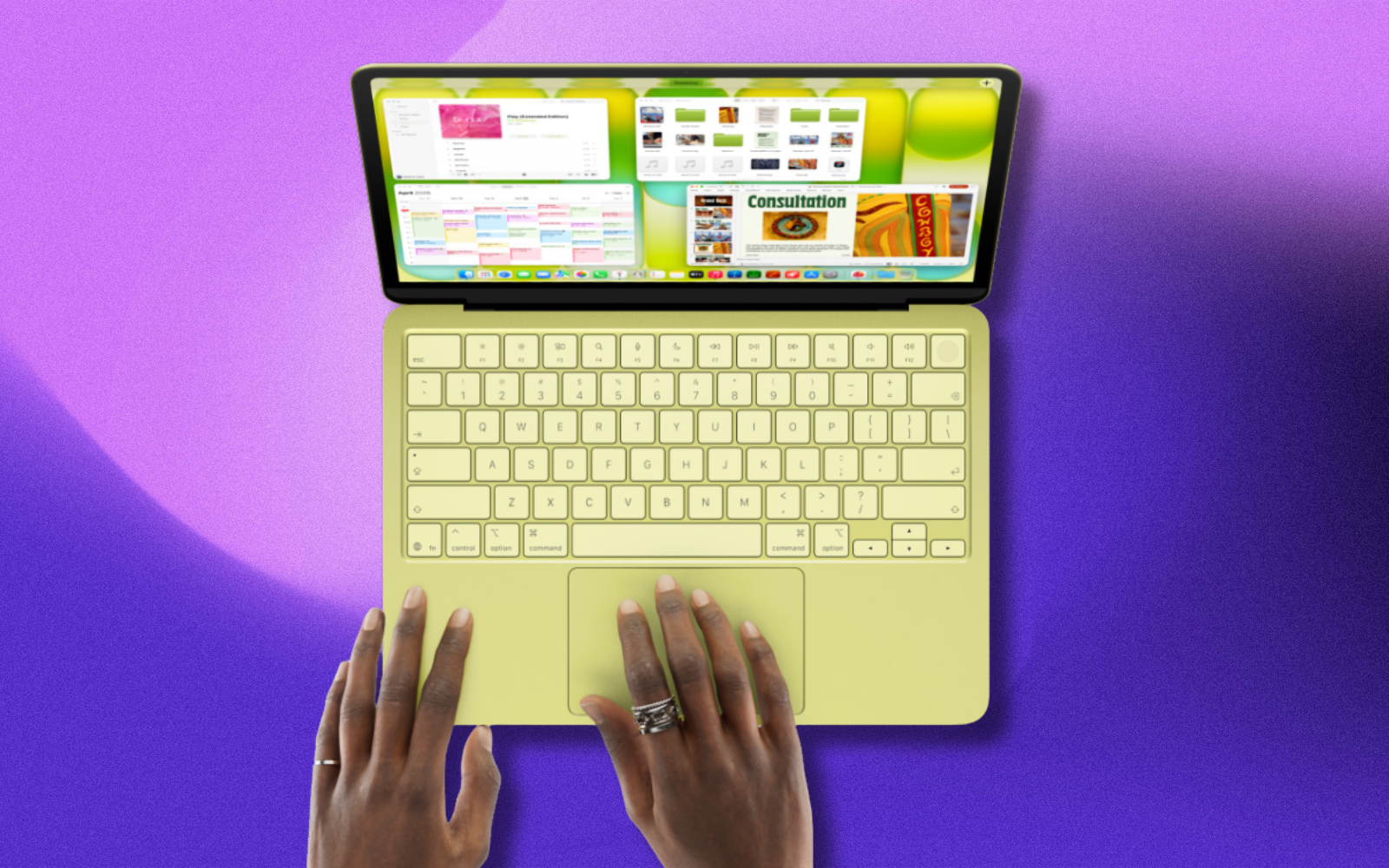
The smashing success (overseas, anyway) that is the MacBook Neo was bound to get a sequel. But not even we thought we’d be hearing about it quite so soon. Former Bloomberg journalist Tim Culpan reckons he has a rough idea of what to expect from a potential MacBook Neo 2, as revealed in his own Culpium newsletter.
What Apple will name the line-up when the ‘Neo’ name inevitably goes stale, we don’t know. But for now, it’ll probably skate by as the MacBook Neo once again. For now, the Fruit Company is deciding whether it should ramp up production for the current model, to keep up with rising demands, or simply let the parts run out.
Neo MacBook Neo
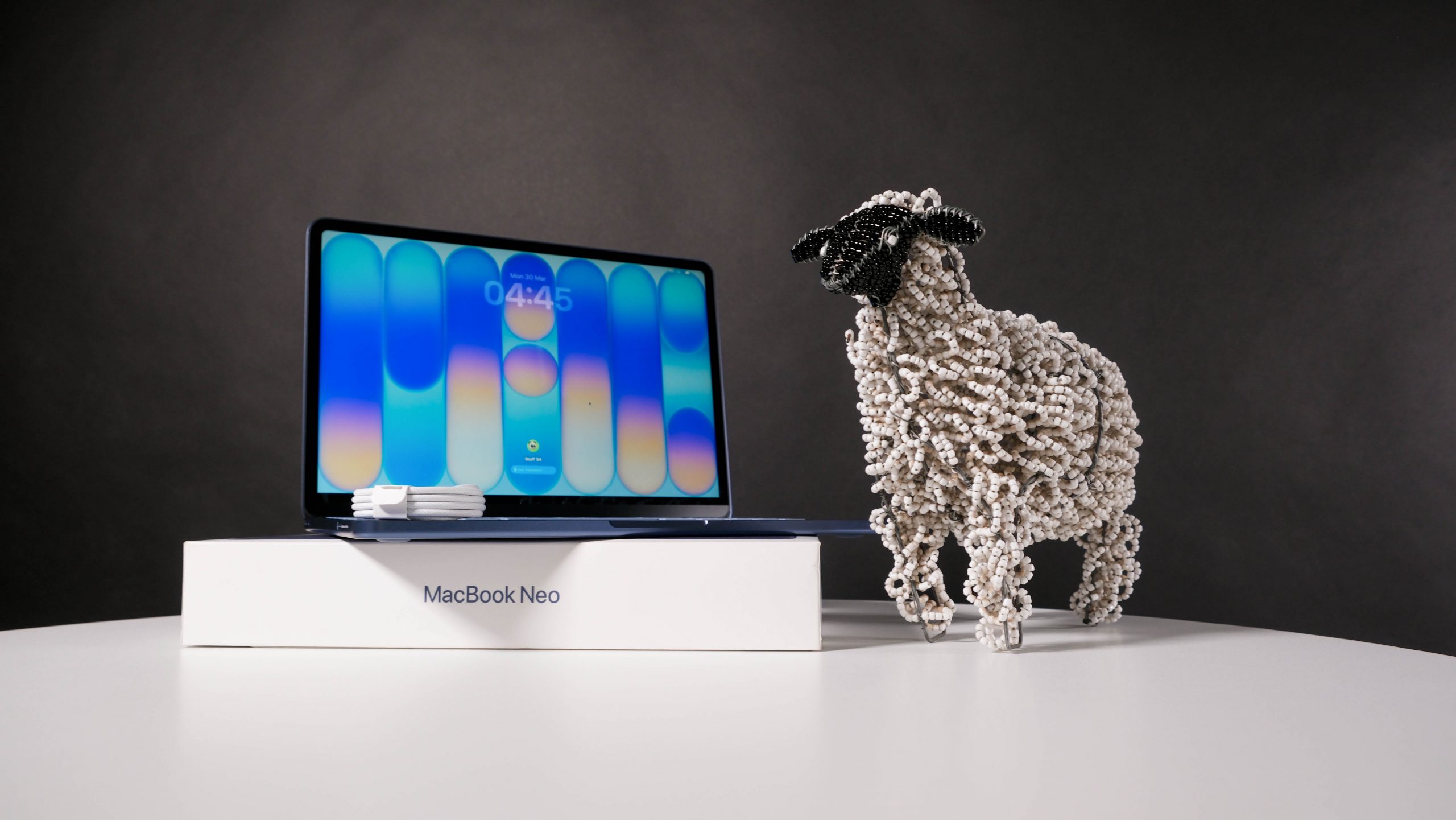
That makes sense. The Neo, unlike its MacBook brethren, uses an iPhone 16 Pro chip — the A18 Pro — rather than a typical M-something. That stock is reportedly leftover from its iPhone run, according to Ben Thompson at Stratechery. That’s essentially free money, seeing as it chucked an old chip into an older chassis and called it a day. Not that we mind. Our review model, packing a mere 8GB of RAM, handled well enough.
Before the Neo became a surprise hit, Apple had hoped to recycle the game plan next year, using leftover A19 Pro chips to power the sequel. Now, however, the company is deciding whether to stick with the initial idea of building 5-6 million A19 Pro chips or upping that figure to accommodate the Neo 2 from the get-go.
Read More: Apple’s iPhone Fold reportedly targets a release alongside the iPhone 18
The news does at least tell us a sequel is on the way, and will almost certainly sport the A19 Pro that’s currently housed in the iPhone 17 Pro. Culpan mentions that this would still be a “binned” 5-core version of the chip, which typically has six cores. He also mentions that Apple could keep the 6-core GPU and sell it at a premium.
More importantly, though, the chip has 12GB of RAM inside, meaning a potential Neo 2 would reap the benefits. The current MacBook Neo ships with 8GB of physical memory — a bit of a letdown for power-budget buyers. No potential launch dates are mentioned, but we’re betting Apple will want to capitalise on March in the future.