
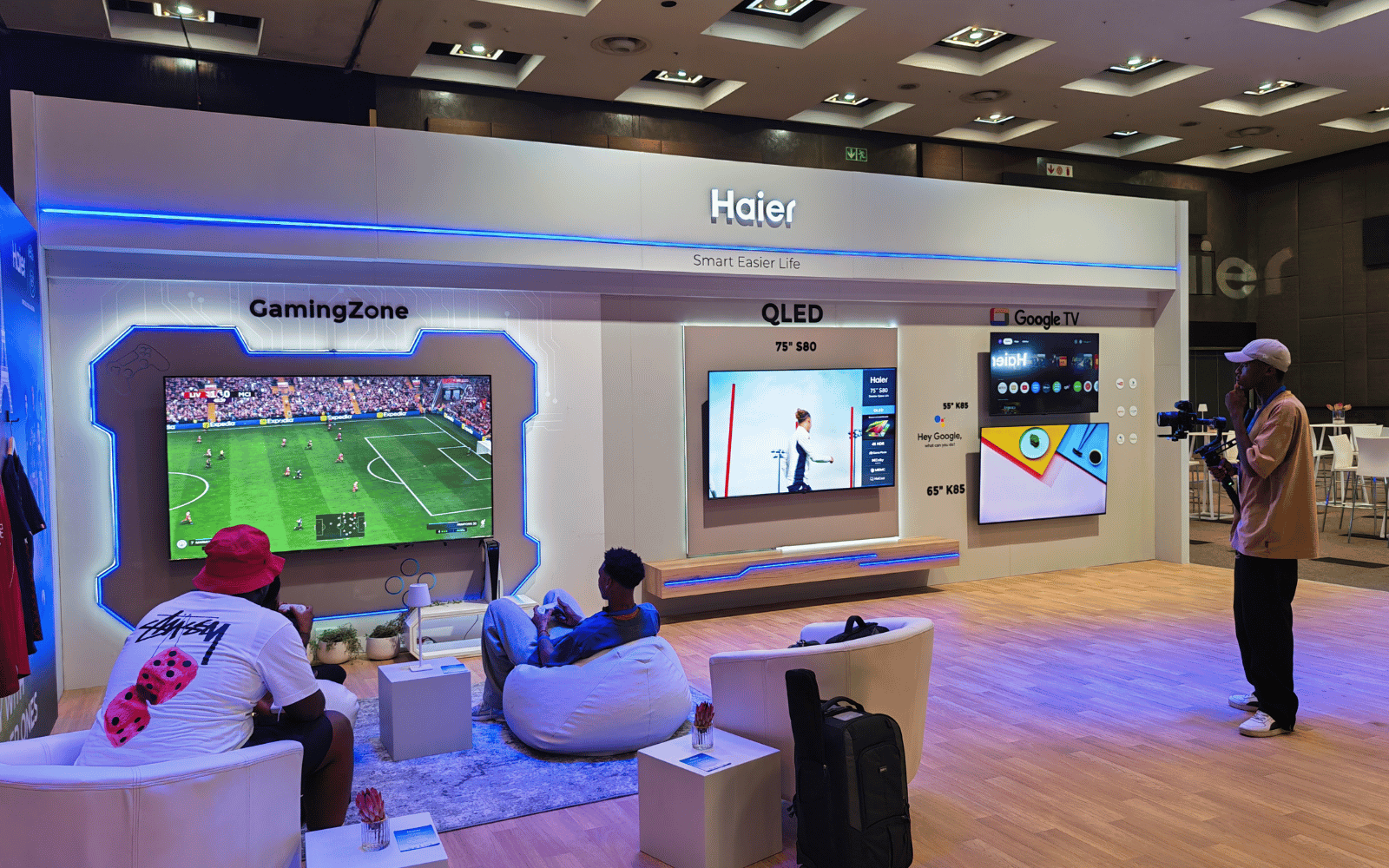
At a launch event in Johannesburg this week, Chinese appliance manufacturer Haier Group officially announced that it is entering the local market.
It brought with it a plethora of appliances that are expected to be available in the country in the coming months, including water heating systems, backup power solutions, air conditioners, washing machines, dryers, fridges, freezers, microwaves, air fryers, and TVs.
The company aims to compete with household appliance brand names, like Hisense, Samsung, LG, and Bosch, in what it calls a “strategically important market within Haier’s global expansion.”
When’s Haier getting here?
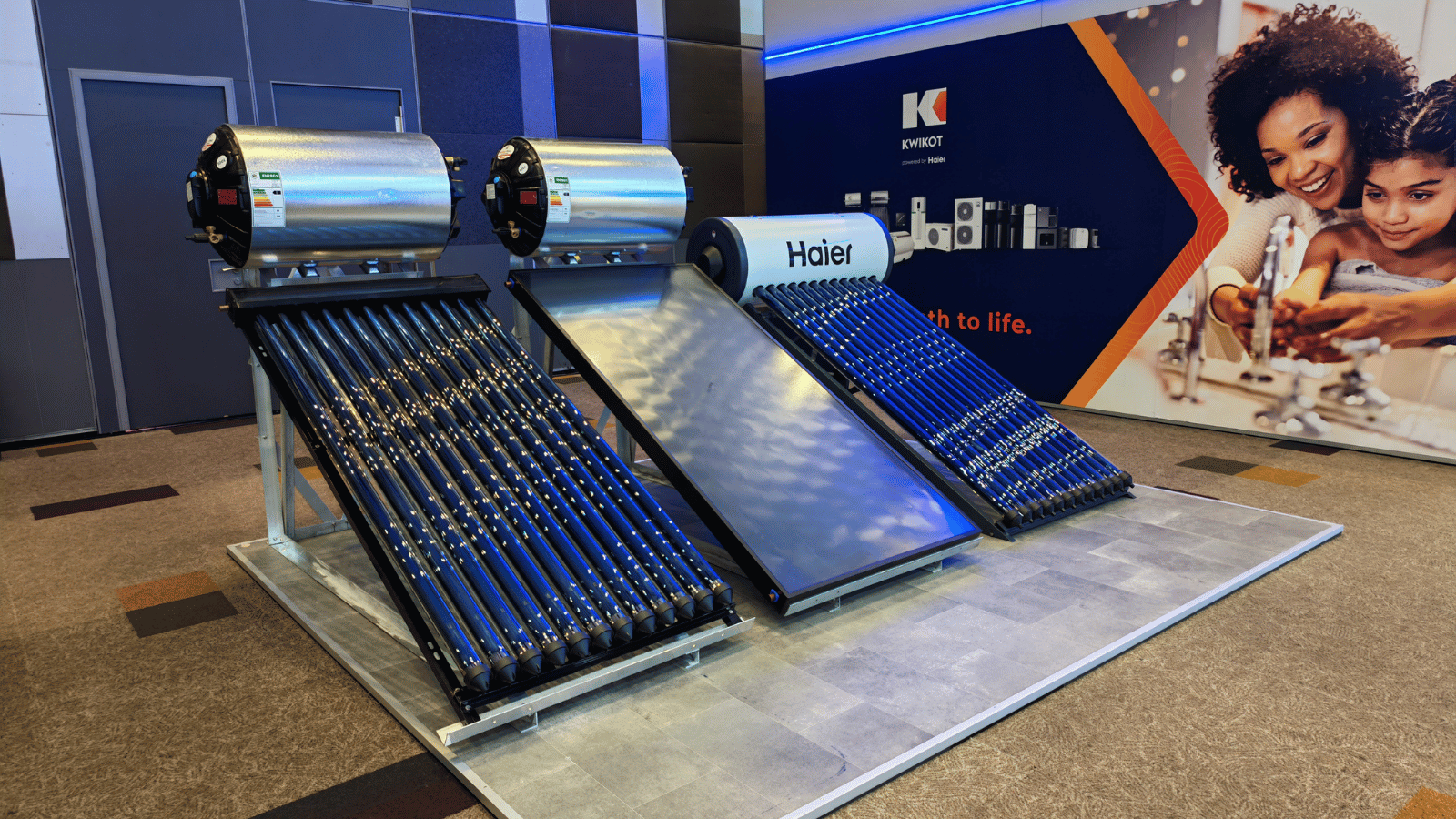
It could be argued that Haier first entered the country when it acquired Kwikot, a local water heating systems company, late last year. But the company officially arrived this week, with the launch marking its official entry.
However, from what we gathered speaking to brand spokespeople at the event, the first lot of appliances should arrive late next month and will be available “through major retail partners”. Takealot, Makro, and Hirsch’s were mentioned specifically, but we wouldn’t be surprised if that expanded to include others before long.
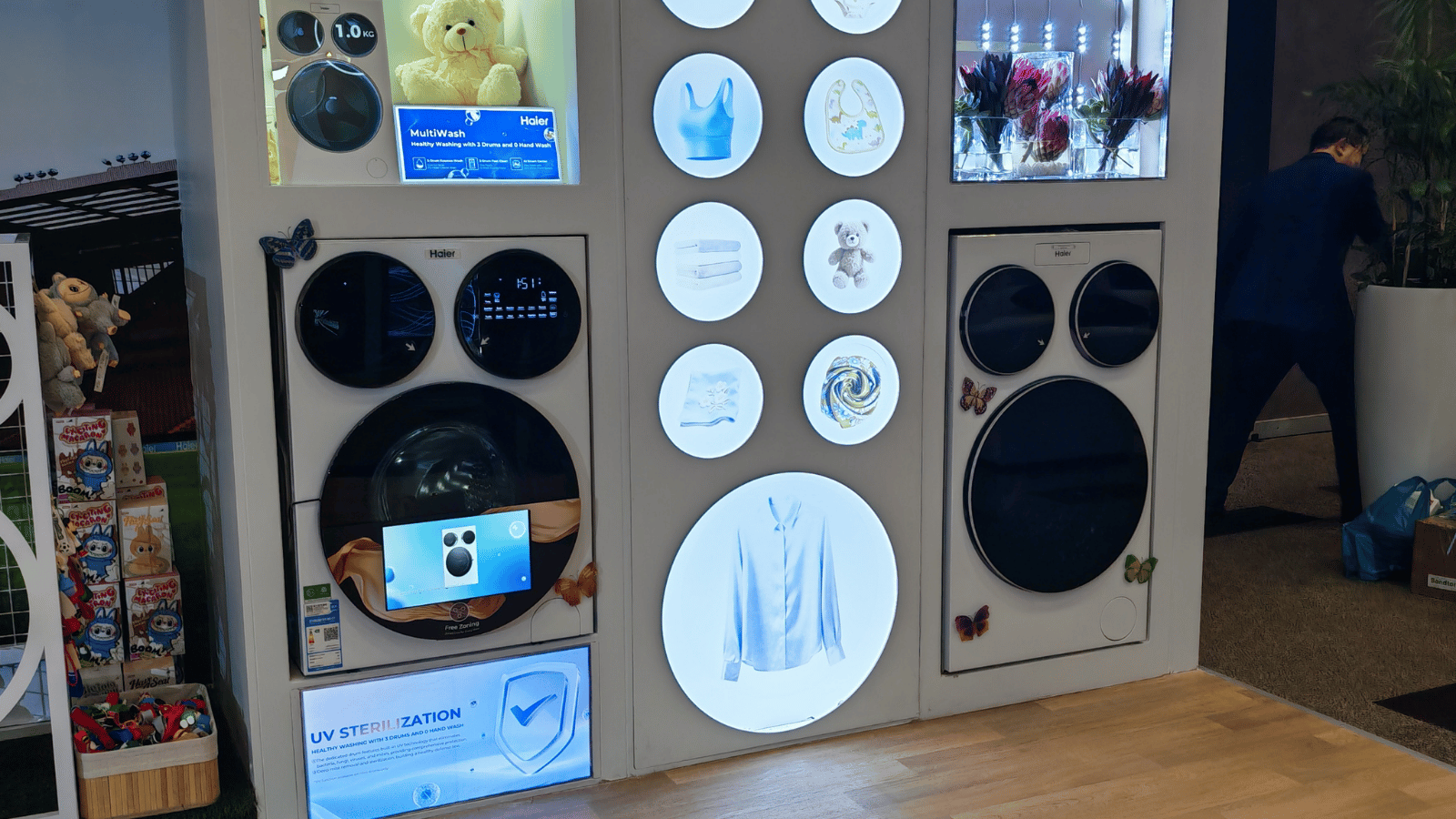
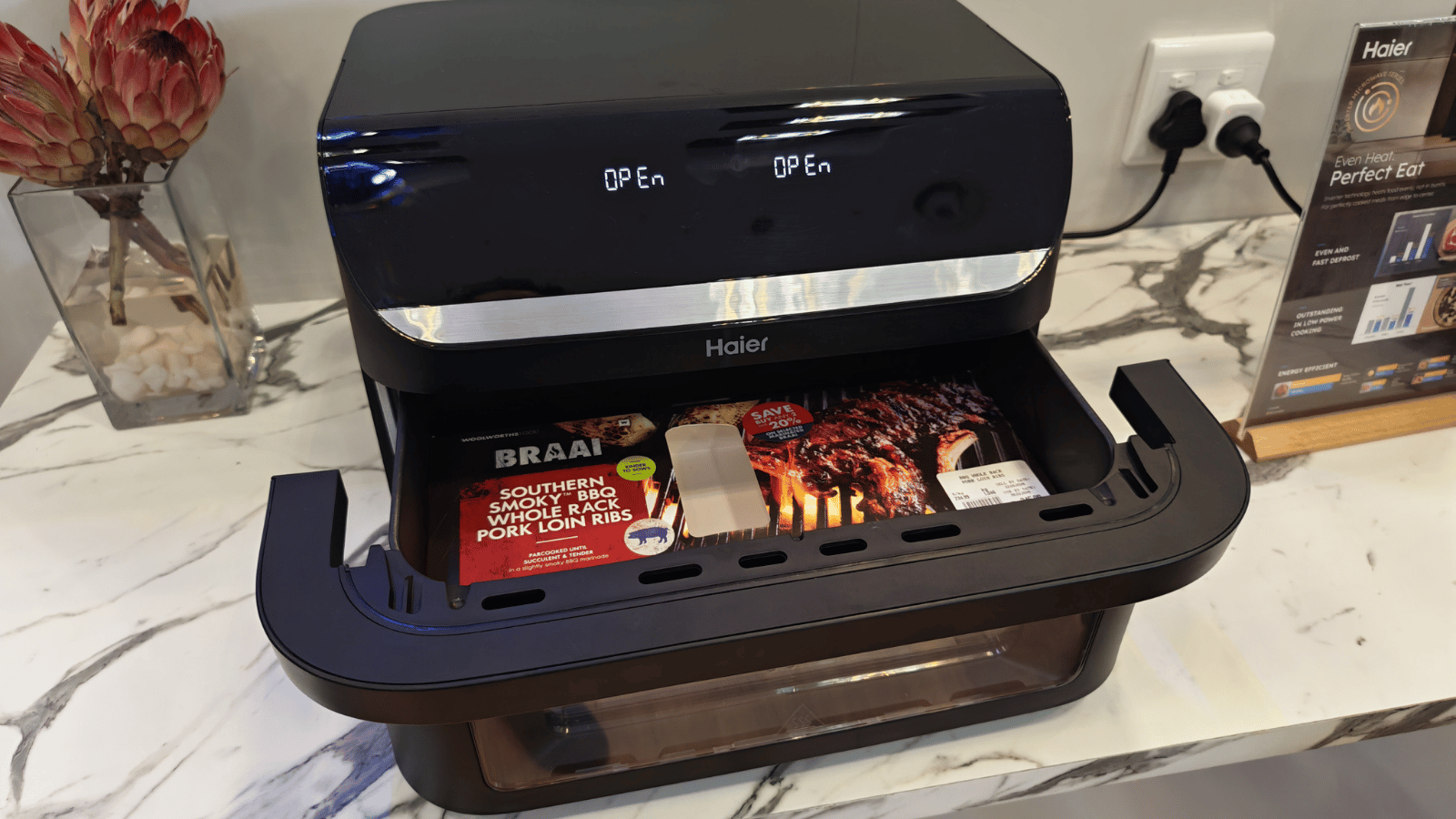
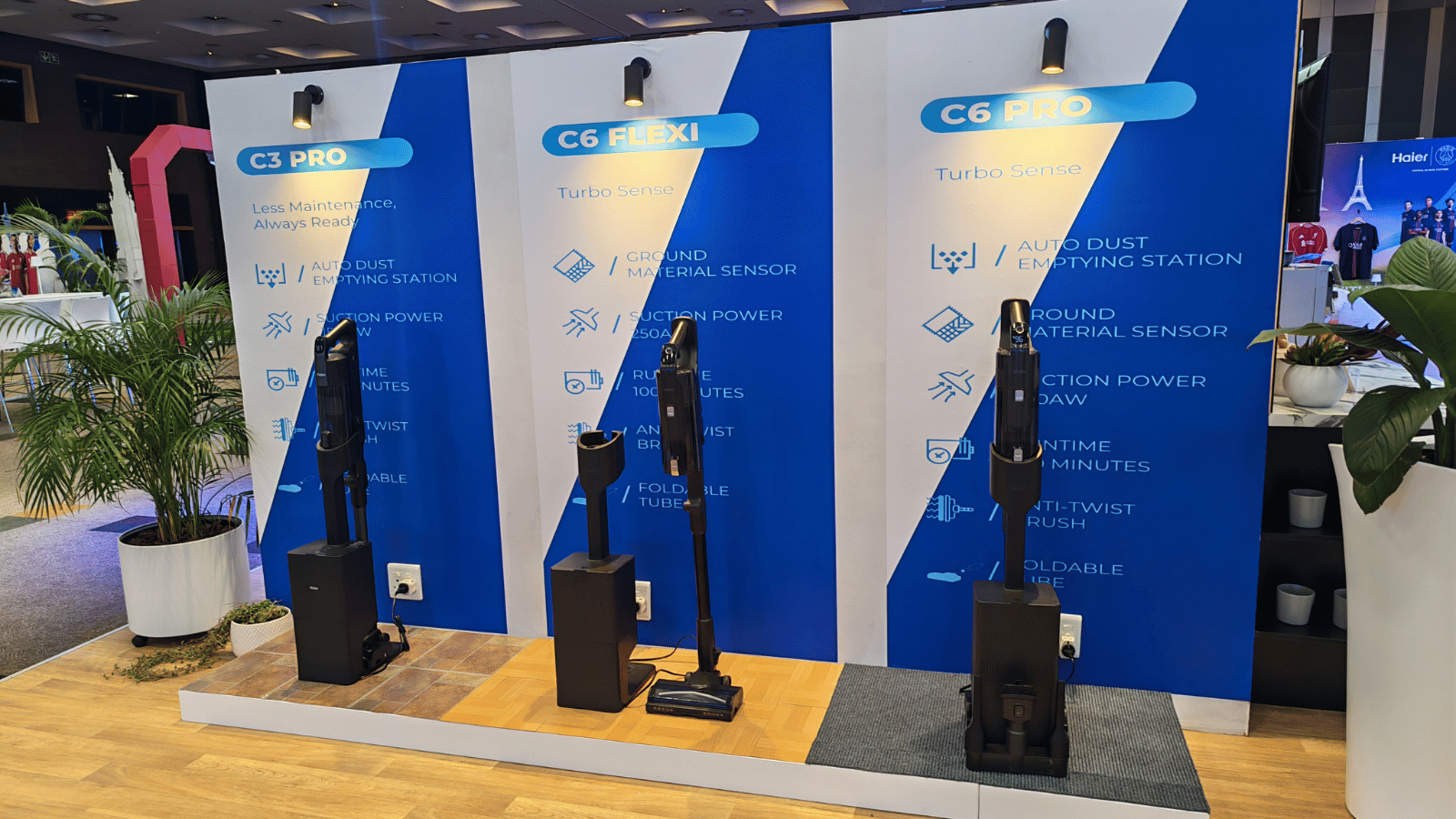
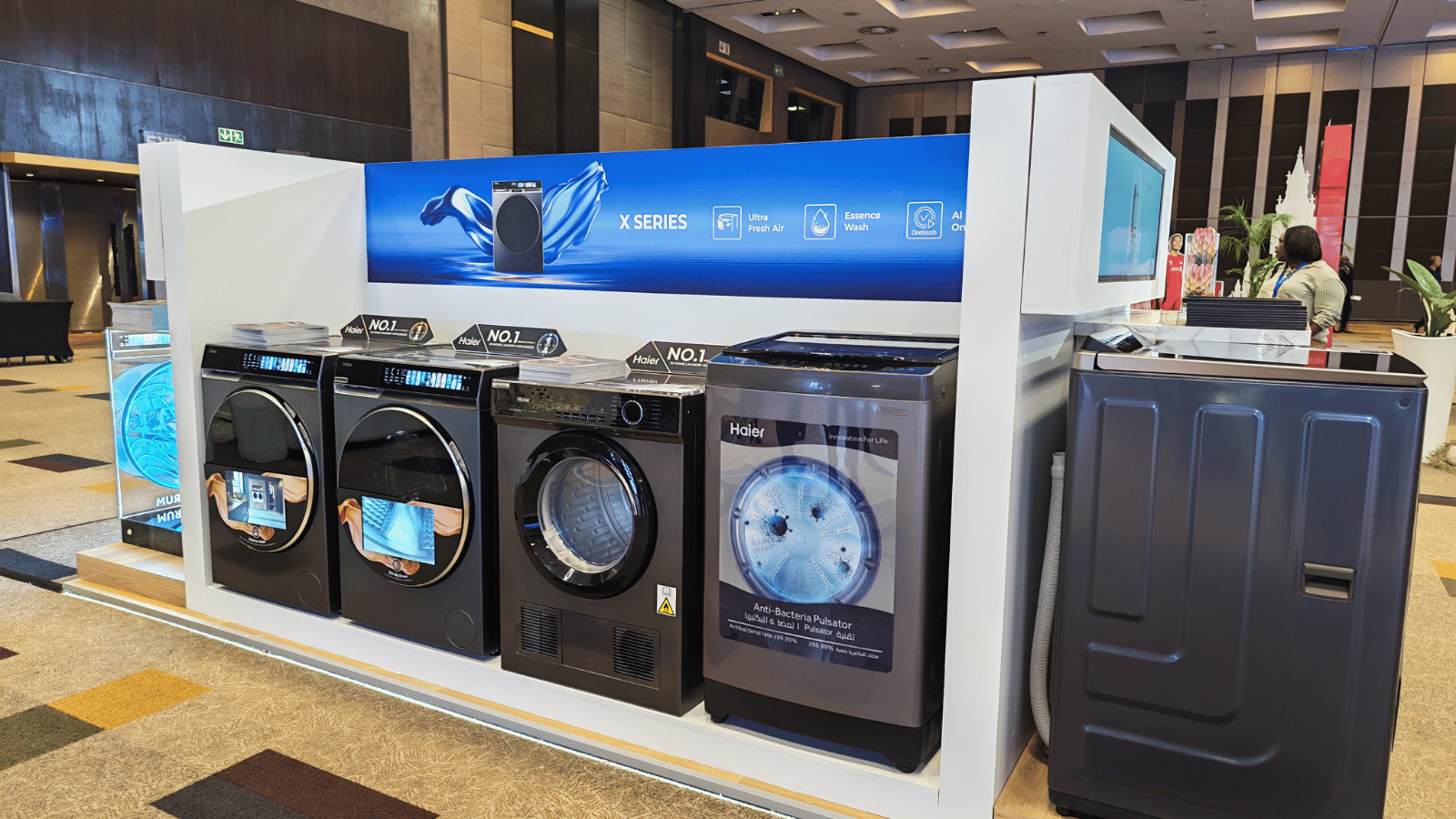
As for the actual appliances, what we saw was fairly impressive — although you’d expect as much from a brand’s official launch event. A three-drum washing machine and a smart fridge with a huge tablet in the door were standouts, along with a range of stick vacuums with their own auto-emptying stations (the kind you usually see in high-end robot vacuums).
A big focus across most of the brand’s product verticals was energy efficiency, especially from the usual heavy power suckers like tumble dryers and air conditioners. Most of the appliances involved some sort of AI and will form part of the company’s ‘integrated smart home solution’. That usually means yet another app you’ll have to download to manage everything.
Big plans for the future
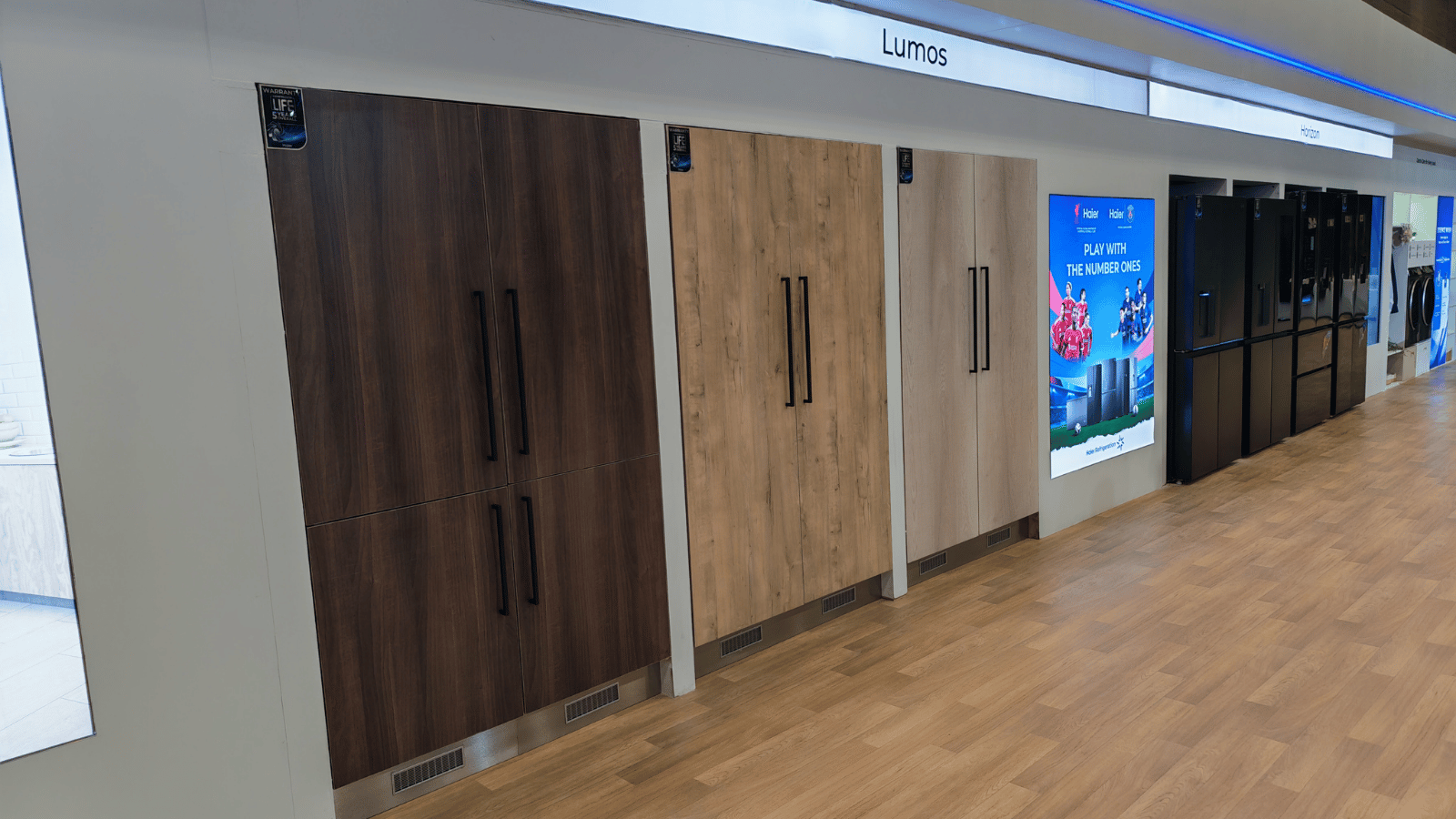
Thankfully for South African consumers, it doesn’t appear that Haier is just here to make a quick buck. The company said it had “established a comprehensive after-sales service ecosystem in South Africa to ensure long-term customer confidence and satisfaction.”
It’s still too early to gauge how effective this after-sales service ecosystem is. It could prove to be a defining characteristic for the brand’s future in the country, or it could lead to its eventual downfall if handled poorly. We’re hoping for the former.