
We first saw Reflect Orbital’s goofy idea to send mirrors into space to reflect light onto dark areas of the planet back in 2024. Back then, it was pitched as a ‘sunlight on demand‘ sort of thing. Now, it appears to have evolved enough to request an FCC license.
Whether it’ll see the request granted or ever turn into a viable enterprise remains to be seen, but the company has secured enough interest to give an actual mirror launch a shot. The timeline for an actual orbital mirror is reportedly in April 2026, but it won’t actually beam any light onto the ground.
Reflect on that
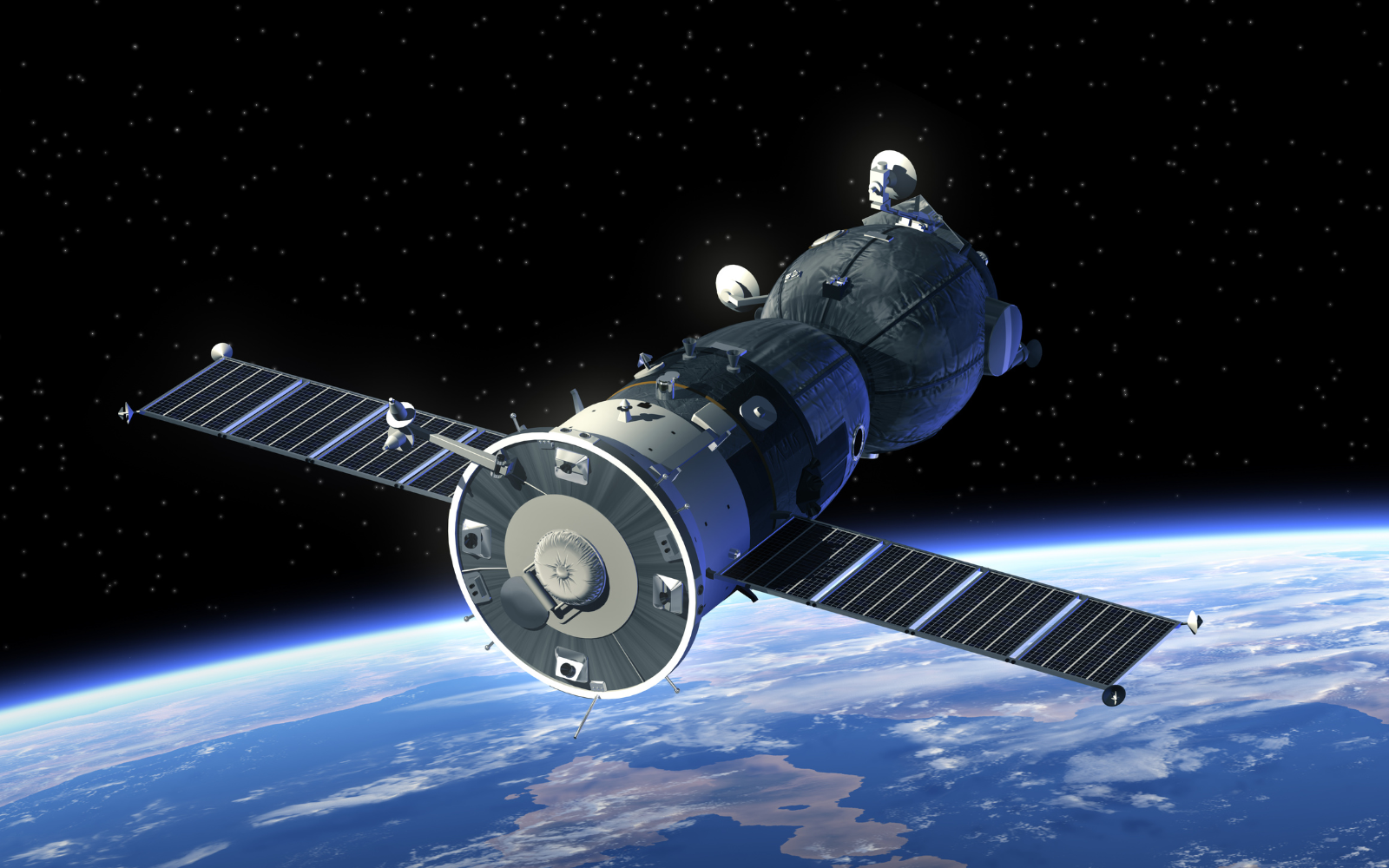
Instead, the proposed orbital mirror satellite will be visible as a bright spot in the sky to observers on the ground. The satellite, Earendil-1 (what is it with American tech companies and Lord of the Rings names?), is set to be eighteen metres wide, a far cry from the 55-metre mirrors the company is apparently planning. It’s also planning to have up to 4,000 of these things in orbit at some point.
Reflect Orbital’s plans have shifted from sunlight on demand to providing (some) sunlight to solar farms using its planned satellite constellation(s). The company hopes to provide 200W of sunlight per square metre, which is… better than having solar panels sitting idle at night, but not much. It still doesn’t seem to justify the expense of creating the constellation, or the engineering challenges the company must overcome to reliably provide service.
The satellite test might well get off the ground, but even if the company manages to find a way to make 55-metre mirrors compact, cheap, and easy to launch into space, it still has to contend with orbital speeds. At best, a single massive constellation will only provide minutes of sunlight at a time.
Unless, that is, the folks at Reflect Orbital are willing to spend in the region of $100 million per satellite to go geostationary. Even if it somehow managed to design each of its 4,000-unit constellation as a ‘small’ geostationary unit, the lowest cost to loft the lot would be $60 billion (at $15 million per satellite). Something tells us the demand for nocturnal solar farm operations won’t cover that cost.
There’s another challenge to the company’s ambitions, and it’s laughably silly. Cloud cover. How will Reflect Orbital handle cloud cover?