

The annual Consumer Electronics Show (CES) is usually filled with some of the wildest ideas in tech, but CES 2026 seemed like a different beast compared to recent years. All of the usual product lineups were present, but the black rectangles (TVs, smartphones, and laptops) weren’t quite as dominant as they had been before.
Instead, the product lineup seemed a much more varied lot. There was still plenty of AI talk circulating the show floor, but if a laptop or phone made waves, it was because it attempted something novel. The usual incremental updates weren’t worthy of making a fuss over. On one hand, that’s a great thing. Varied tech is just what the folks at Stuff (and, presumably, anyone reading this) are keenest on. But the lack of attention on the stalwarts may also have negative implications for the year ahead.
CES 2026 highlights
There’s always more at CES than Stuff can cover adequately. Still, a portion of our valiant effort includes Lego making a big song and dance about a Smart Brick, a small selection of the household robots in development (these won’t be useful for a while yet), and smart glasses intended for gamers, among others. We didn’t even get to touch on L’Oreal dropping a surprising amount of tech-laden announcements, or another company called iPolish, which demoed colour-changing fingernails. Artificial ones, calm down.
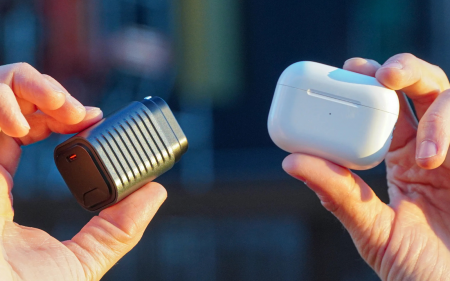
Action cameras that function with a smart ring and glasses-based headset, the return of Pebble wearables (including a ring), and a hypercar made by a Chinese vacuum cleaner specialist stood alongside… well, laptops, phones, appliances, and other regular tech. Even these latter instances were unusual in their own right. CES 2026 stuck Google’s Gemini inside fridges (indeed, in a great many devices), laptop displays can change their size now, and we even got a sequel to Asus’ dual-screened laptop from 2024.
Pet tech, sex toys, toilet cameras (they point down, don’t worry), smart menstrual pads, and other oddball gadgets roamed the CES 2026 halls. Everybody was talking about these. On the surface, CES 2026 was a more varied, better-balanced conference than we’ve seen in some time. Below that surface, however…
RAM it down
If you’ve been paying attention to the mutterings outside of CES 2026, conversations that started last year are likely to come to fruition in 2026. The global race toward AI dominance is nuking stocks of RAM chips around the world. Those chips occupy space in many of the most popular tech gadgets, but, frankly, OpenAI, Meta, Microsoft, Amazon, and others have more money than any of us do. If they want to bung them into a data centre and call it ‘intelligence’, there’s little anybody can do to stop them. Money talks, and these folks have a megaphone the size of Scrooge McDuck’s money bin.
This might explain why computers and smartphones — usually the subject of much discussion at events like CES 2026 — had a lower profile this year. The most popular tech segments are going to get more expensive in 2026; that much isn’t really up for debate. And, if they don’t, it’ll be because the hardware has taken a step backwards, because all of the newest silicon has been reserved for data centres.
Anything with a GPU? Immediately more expensive. Actual GPUs? A pain in the backside to a) find and b) afford. Smartphone RAM? Costlier. Samsung’s range of premium phones, the first to cross the threshold every year, will give us some indication of how rough buying new, relatively commonplace tech will become in 2026. Even then, it won’t be an entirely clear picture of how the global tech market will perform. Samsung makes much of its own kit, so it can absorb the cost more easily than other manufacturers. Whether it and other companies choose to do so (or whether they decide to downgrade to keep prices steady) remains to be seen.
Or…
There are a couple of other explanations for why CES 2026 seemed to have evolved past previous years. Smartphones, laptops, TVs, and others have felt largely stagnant since around 2020, with changes coming in tiny increments. It could be that a shift in interest has driven the predictable from everyone’s forebrain, since we’re all… fairly certain what’s coming. A touch more speed, a slightly better camera, and the same screen tech as the last few years. It’s all so tiresome.
Then there’s also the fact that it simply hasn’t been a bumper year for hardware innovation. Yes, AI is everywhere as well, but there’s little anybody can do to quantify its improvement. What they can do is stick it somewhere it’s never been before and call it ‘novel’, a surprisingly effective tactic at CES 2026. Whether we’ll derive value from an AI-enabled fridge that justifies its creation, price, and feature set is uncertain, but someone will do it and then put it on the market. The world may not really need AI, but it’s being made anyway. Since it’s going to change the landscape one way or another, it’s worth paying attention to.