


Lofty ambitions for iOS 27

Now that Apple’s hardware line has completely concluded for 2025, Bloomberg’s Mark Gurman is left reporting on the company’s next bit of software — iOS 27. Apple previously made the jump from iOS 19 to 26 earlier this year to help avoid any muddle, which, in turn, heaped several spoonfuls of confusion onto our plate.
iOS 27 may not be as exciting as a new iPhone, M-something chipset, or even the flashy offensive Apple typically goes for when there is a new software update on the horizon. Instead of half-assing several new features, Gurman reckons that Apple is “focused on improving the software’s quality and underlying performance.”
It’s difficult to cheer for something we had hoped was always a priority. Still, it’s good to hear that something is a’chaning at Apple headquarters. The Fruit Company also has plans to level up its AI offerings, which have been considered mediocre in the face of continually growing threats from every direction.
Gurman said “engineering teams are now combing through Apple’s operating systems, hunting for bloat to cut, bugs to eliminate, and any opportunity to meaningfully boost performance and overall quality”, comparing the strategy favourably with Apple’s Snow Leopard macOS release, which hunted down bugs and boosted efficiency.
Valve reminds folks that the Steam Machine is a PC, not a console

The world is eagerly awaiting the return of the Steam Machine, Steam Controller, and Steam Frame, all of which are due out in “early 2026.” Despite only being a couple of months away from release, Valve is playing its cards close to the chest when it comes to pricing, leaving many to speculate what these devices will set them back.
There’s hardly anyone kidding themselves that Valve’s VR play will be considered ‘affordable’, but the Steam Machine is a different story. With Valve marketing the Steam Machine like a console despite the coat of Linux-based SteamOS running the show, many believed the company would price it like a console. Uhhhh, that’s not going to happen, according to Valve’s Pierre-Loup Griffais, speaking on Skill Up’s Friends Per Second podcast.
“I think that if you build a PC from parts and get to basically the same level of performance, that’s the general price window that we aim to be at,” Griffais said on the podcast. “Obviously, our goal is for it to be a good deal at that level of performance, and then you have features that are actually really hard to build if you’re making your own gaming PC from parts.”
In other words, the Steam Machine may not spell the end of the console wars as we know them. Sure, sticking with Valve’s hardware means cheaper games, no paid-for online services, and a more accepting ecosystem — but if it can’t tango with the $500 (around R12,800 locally) set by the PS5, it may struggle to penetrate the market.
This self-destructing SSD is for the ultra-paranoid (and ultra-criminal)
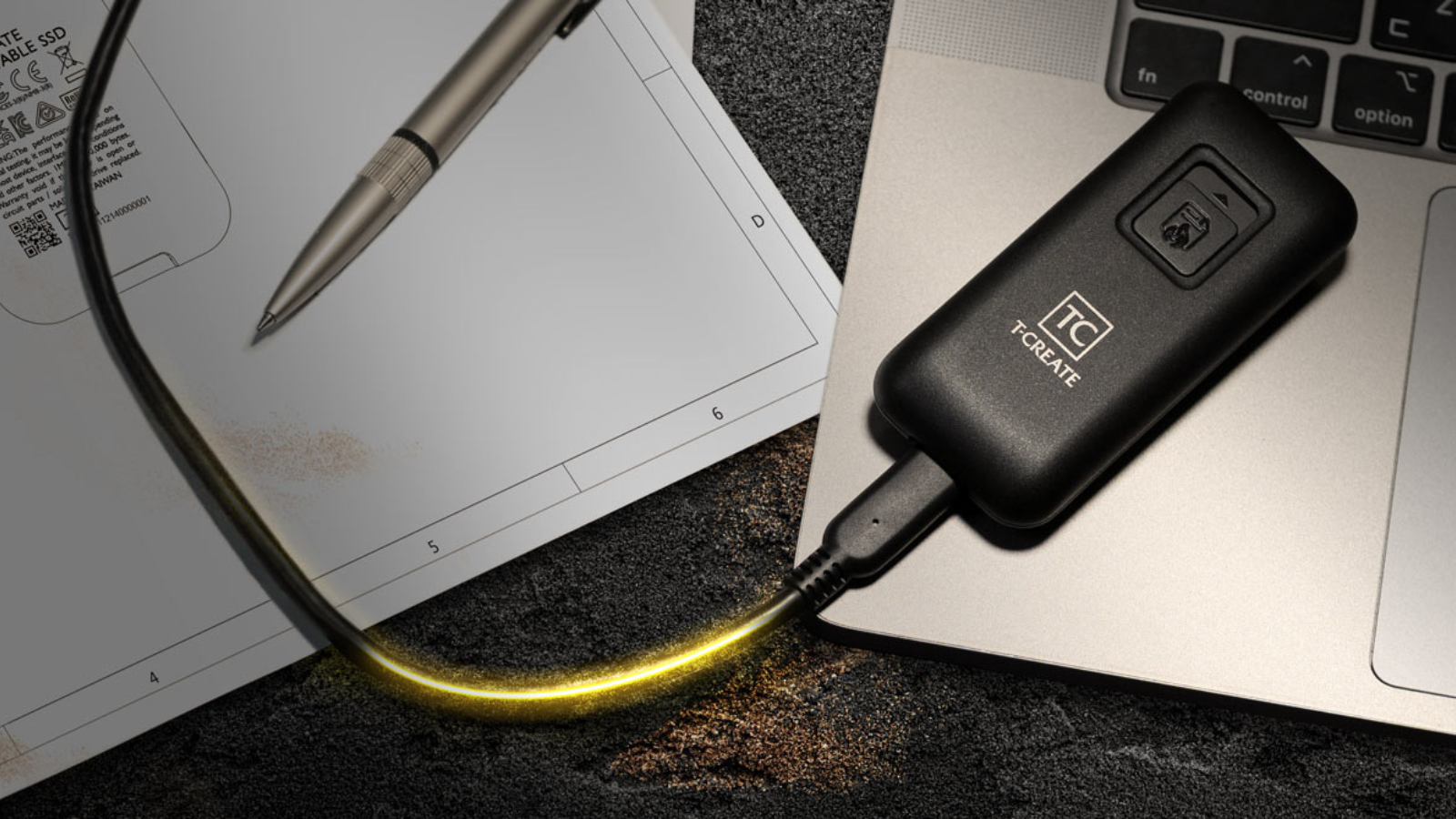
If you’re the type who needs a quick exit when you hear sirens outside your door, or you’re just incredibly paranoid about someone gaining access to a treasure trove of memes, TeamGroup’s new T-Create Expert P35S SSD can help you there. The big attraction is a handy (?) physical button that’ll wipe everything.
We didn’t think you could patent a one-button self-destruct, but apparently, it managed it. The “one-click data destruction circuit” uses “chip destruction” mechanisms to “achieve a truly irreversible data wipe.” Other than that, it’s a simple external SSD, supporting USB 3.2 Gen2 and arriving in 256/512GB and 1/2TB flavours.
The company is yet to announce pricing or even a release date at this point, and is first sounding out customers. It reckons that those dealing with classified data regularly will find the SSD’s “zero data residue” feature and total lack of recovery after the fact a boon, while general consumers looking to back up their photos should look elsewhere. Well, duh.
X moves the goalposts out of the damn country

Late last week, X/Twitter began rolling out a new ‘About this account’ feature that, well, offers up certain information about any account, including the date they joined, when they became verified, how they downloaded the app, how many times their username was altered, and most importantly, where the account is based.
As you’ve probably guessed, chaos ensued. X’s head of product, Nikita Bier, called the feature “an important first step to securing the integrity of the global town square,” before noting that it was just the first of “many more ways for users to verify the authenticity of the content they see on X.”
The chaos bit? That came as many of the platform’s users discovered that certain accounts weren’t being entirely truthful about their location. Several of the larger accounts that like to post US flags all day were found to be running out of the UK, Pakistan, New Zealand, and Japan. America First, for example, is based in Bangladesh.
It wasn’t long before Bier claimed that “the data was not 100% for old accounts,” (with Twitter blaming old IP addresses and VPNs) and that “we hope to bring it back by Tuesday.” As of Monday morning, however, Stuff has access to the feature and could discover where Stephen King’s account is based, and when it was created. Users can view their location data by visiting their profile and clicking on the “Joined” button underneath their bio.