

WhatsApp’s on a bit of a winning streak at the moment, and Meta’s latest announcement for the messenger (and its other Messenger) is only continuing that run. The company confirmed it was rolling out new scam-detection methods in a bid to crack down on online scams targeting the platform’s older users.
Meta reckons it’s already “detected and disrupted” close to eight million accounts across Facebook and Instagram that were in bed with scam centres through messaging, crypto, dating apps, and social media. That’s on top of the platform ridding WhatsApp of more than 6.8 million scam accounts in the first half of 2025.
Click HERE to WIN!!!
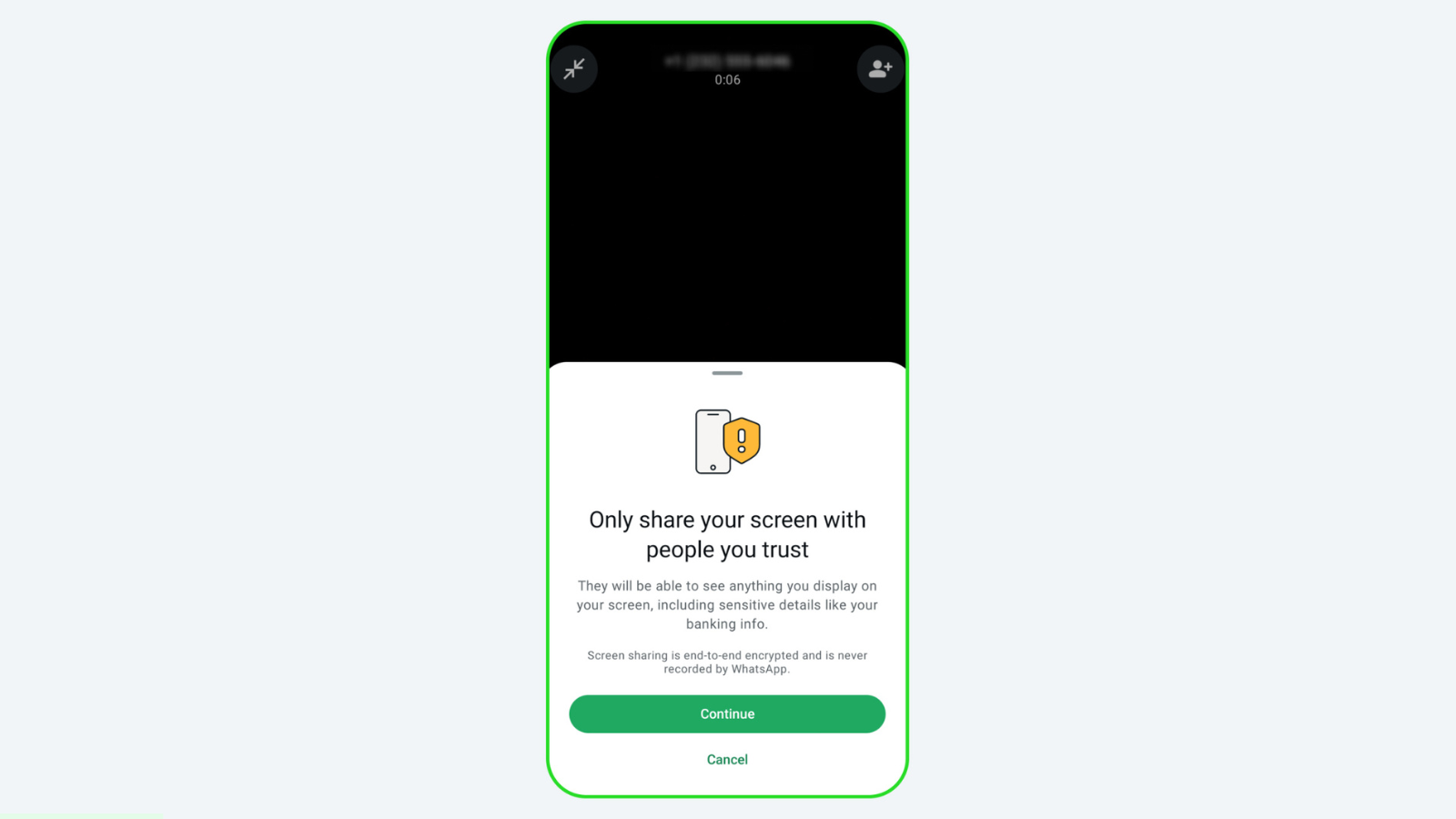
Meta’s methods here are simple yet elegant and should — because old folks can’t always take the hint — put an end to certain scams plaguing the platforms. As seen in the image above, Meta will display a warning for anyone looking to share their screen with an unknown contact during a video call. Users will be forced to click on ‘Continue’ before they’re allowed to share their screen with just anyone.
Online scams on WhatsApp often rely on bad actors pressuring their victims into sharing their screens with them to glean sensitive information, such as banking details, passwords, and OTPs. Meta also offered a reminder that the app supports passkeys that’ll require the same fingerprint, face, or PIN as your device’s lock screen.
Read More: WhatsApp’s working out a new method to rein in spam messages
As for Messenger, Meta claims it’s begun testing “advanced scam detection in chats.” It’s similar to WhatsApp’s new methods, as it automatically detects when a new contact sends a “potentially scammy message,” and throws up all sorts of warning signs — with the option to forward those messages to Meta for AI scam review.
Should the app successfully detect a scam, it’ll pass on information about the scams typical of the modern minefield that is the internet, and offer suggestions to block the contact in question or report it to Meta. Beyond that, you’re on your own, grandpa.