

The evening of 7 September will see a blood moon rising over South Africa as a total lunar eclipse takes place. The spectacle should be entirely visible around the country, depending on your cloud cover, but there is more than one way to watch the celestial phenomenon.
The best way to watch the blood moon is the same as it’s ever been — using whatever is at your disposal is preferred. But there are still a few days to head out and grab some kit for a better look at this rare lunar event.
1 – Just look up
The cheapest and easiest way to watch the Earth’s shadow pass over the full moon is the same one your distant ancestors would have used — the Mark One Eyeball or Look-Up Radar. We’re talking about the naked eye here, and it’s more than enough to get the full experience. But, just to ensure that you get the best look possible, you can plan ahead.
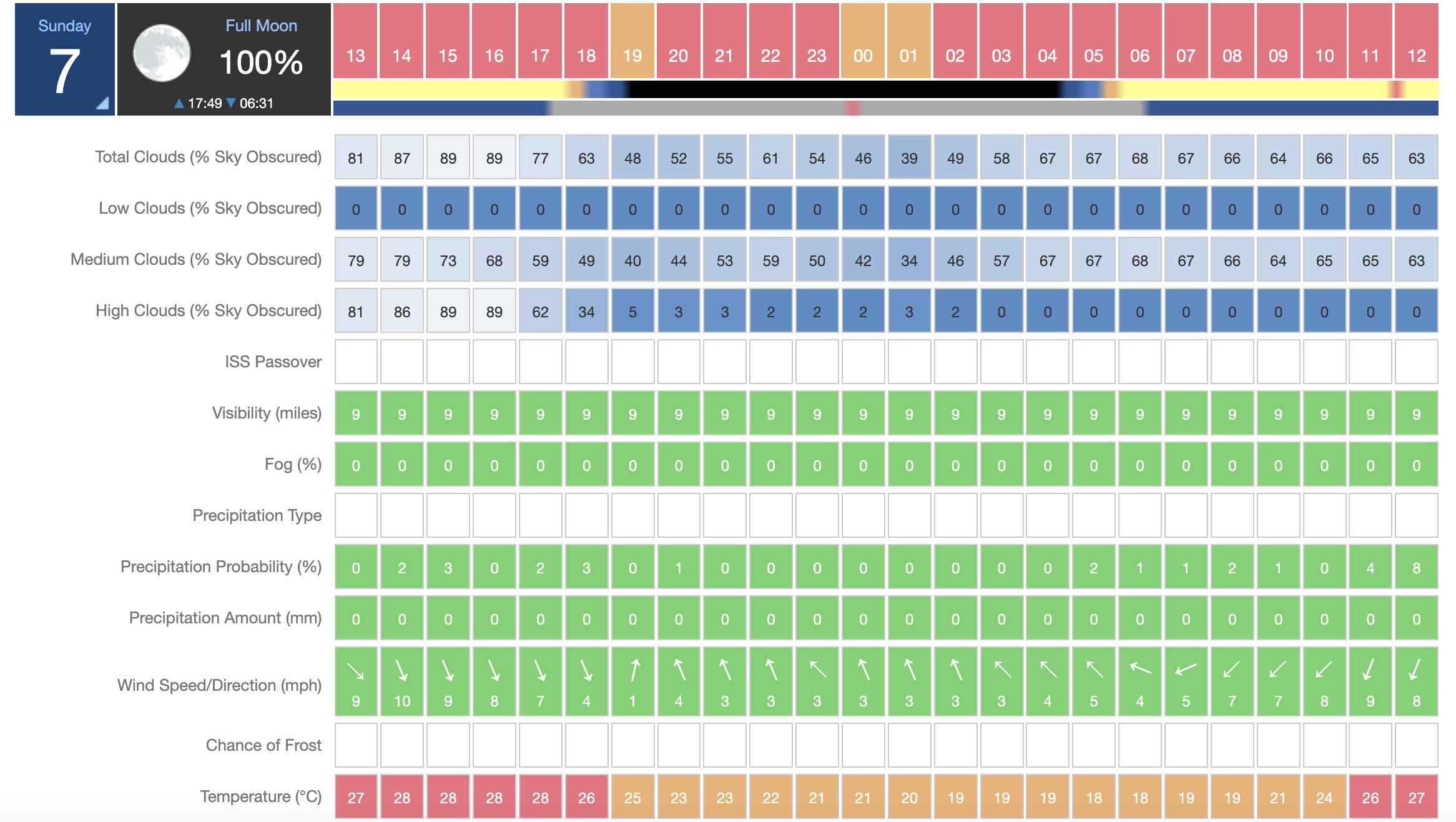
Pay a visit to ClearOutside, a meteorology website sponsored by British astronomy specialists First Light Optics, and punch in your geographical locations. That’ll give you a handy overview of the cloud cover and conditions you can expect on the night. Ours, above, isn’t looking too great, but a lot can change in a few days. An hour before the eclipse takes place will provide a much clearer view of visibility options.
It’ll also be handy to know exactly when the blood moon starts, ends, and achieves its maximum. Other places online will give you geographical specifics — for instance, in Johannesburg, the blood moon begins at 17h49, peaks at 20h11, and concludes by 22h55.
2 – Sweep the skies
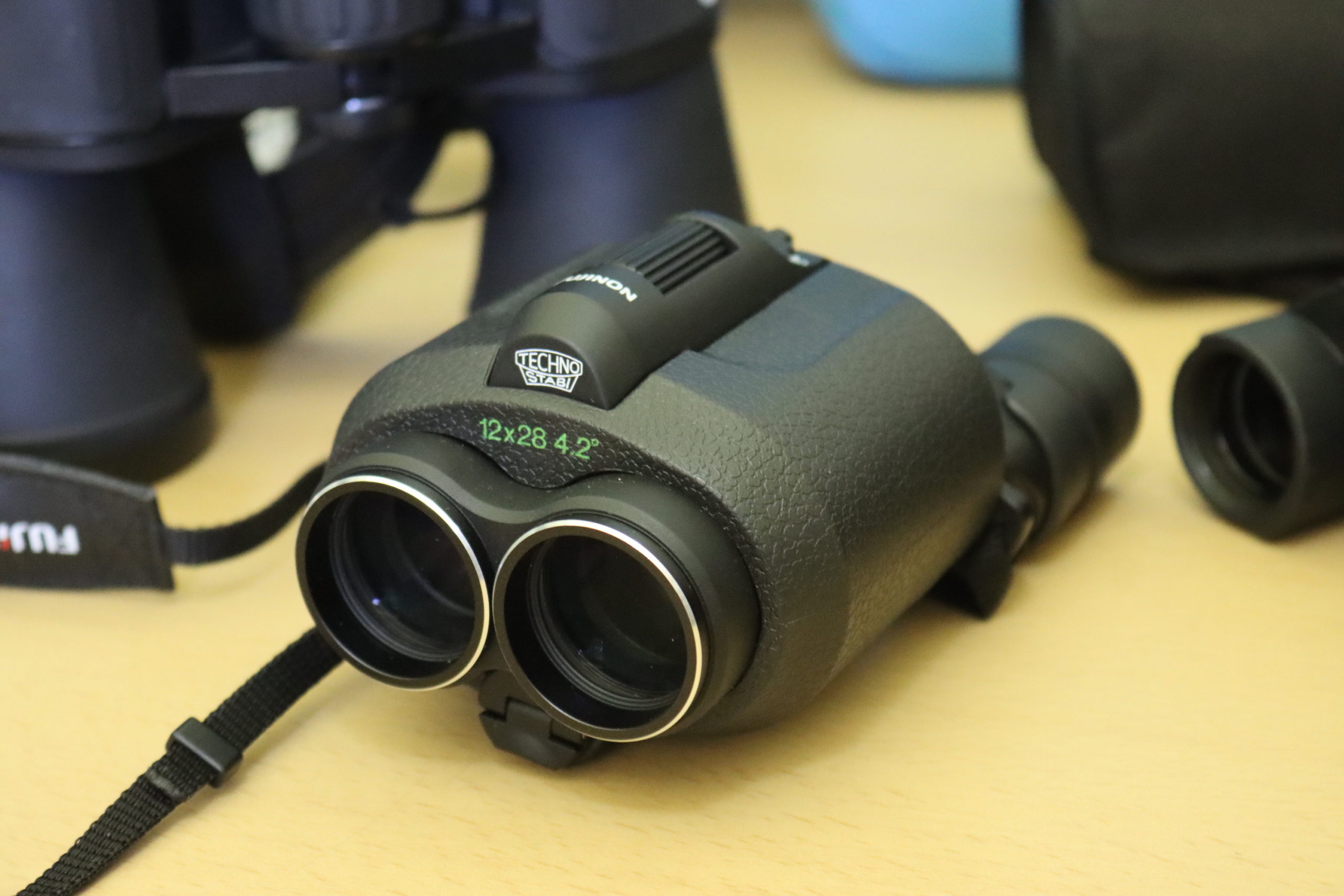
Odds are there’s at least one set of binoculars kicking around your home. Whatever you can get your hands on will be an improvement on the whole ‘slowly turning red’ effect the moon will display on the night. We’d recommend binoculars with at least 42mm of objective lens to play with, since they’ll offer loads of light-gathering power in the later stages of the event. That said, something like Fuji’s Techno-Stabi stabilised binoculars will compensate by offering a steady viewing session throughout.
A pair of 7 x 50 binoculars would be the ideal companion, whether you’re opting for roof prisms (like the SVbony bins featured here) or porro prisms (like this R1,300 10 x 50 pair from Cape Union Mart). It’s even possible to pick up a set of binoculars for close to R250, but unless you plan to treat them as disposable and are open to the idea of discarding them entirely, we’d avoid the super-cheap lineup. Poor lens quality, coatings, and prism alignment could ruin your night, sending you back to the good old Mark One Eyeball.
The 7 x 50 choice isn’t a random one. There’s enough zoom to give you a closer look at the blood moon, enough field of view for even novices to locate their lunar target (and stay there), and they’re generally compact enough that you won’t deal with much of a shaking image. But if you’ve got access to other resources…
3 – Telescopic blood moon
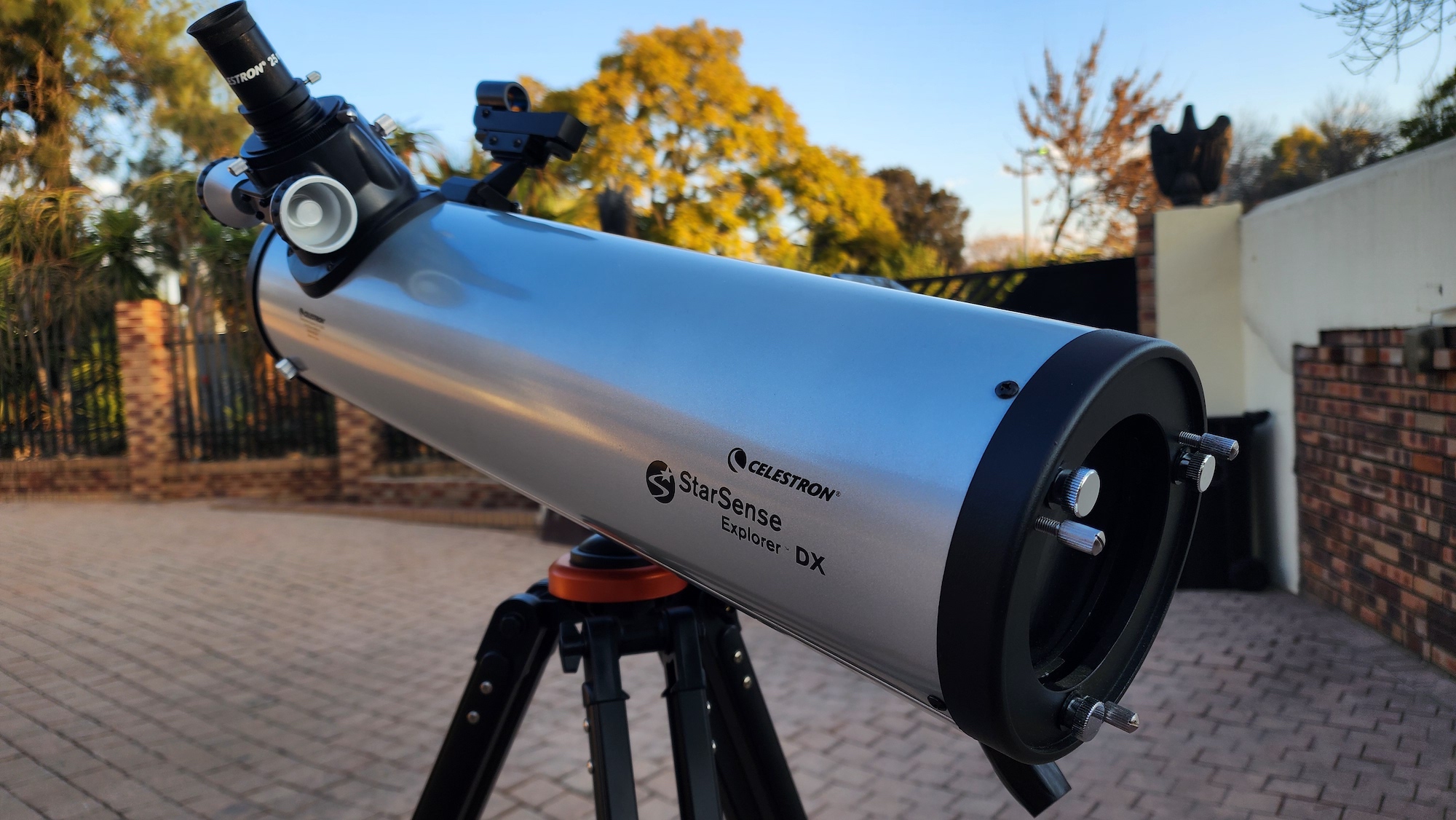
Is it worth buying a telescope just to watch the blood moon pass overhead for a single night? Probably not. But if there’s one taking up space in the garage, there’s never going to be a better excuse to dust it off. As with the other options, whatever you have on hand is best, but we’d favour refractor models (like this stunning 80mm SVbony SV503, which is a) entirely overkill and b) an excellent choice) over reflectors and catadiopteric models.
A short-tube 80mm refractor has many of the same advantages as a set of binoculars for viewing the blood moon, plus a couple of others — more magnification options, and enhanced stability. That’ll depend on your mount, of course, but even a basic camera tripod and this R1,300 70mm short-tube would provide a fantastic sight of the eclipse. The basic panhandle tripod head is adequate for tracking the slow-moving moon across the sky and overhead.
Another idea companion is a dedicated lunar telescope like Celestron’s 60ZA Powerseeker (R2,500), a long focal length scope that excels at lunar observation but not much else. The long focal ratio limits chromatic aberration common in achromatic objective lenses, but also narrows the field of view. Locating and staying on track could prove troublesome without practice.
You could go more complicated, like the Celestron Starsense DX130, but once you move beyond alt-az controls and over to Equatorial or GoTo mounts, you’ve probably gone too far. Unless you already own and are familiar with this, in which case, you probably don’t need much more advice from us.