
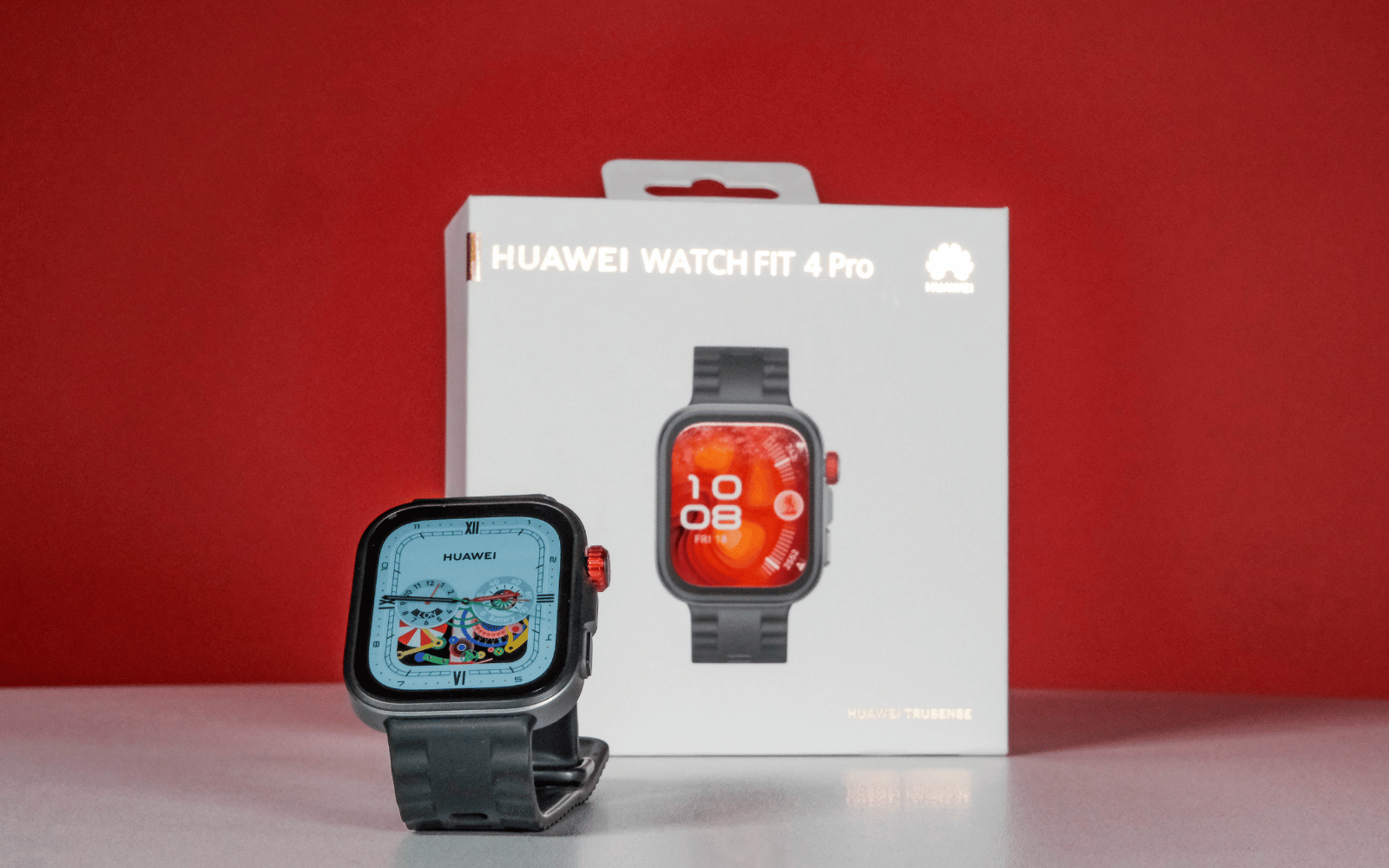
The Watch Fit 4 Pro tries (and mostly succeeds) to justify the 'pro' in its name with its plethora of sport tracking modes, and specialized golf, diving, and trail running modes. It's health measuring suite is mostly competent, though sleep tracking can be hit or miss. If that isn't a deal-breaker for you, its six to nine-day battery life should be enough to warrant spending R5,000 for one of these.
-
Design
-
Features
-
Battery
-
Tracking
-
Value
We’ve had the Huawei Watch Fit 4 Pro on our wrist to see just how much Huawei has managed to blur the line between fitness bands and smartwatches with its latest addition to the Watch Fit range.
This is the first time Huawei has included a ‘Pro’ model in the range. It comes with a few notable improvements over the previous generation, including the company’s TruSense sensor suite previously reserved for pricier models, and other features befitting the ‘Pro’ in its name. That’s on top of the great battery life we’ve come to expect from Huawei wearables.
Light as a breeze
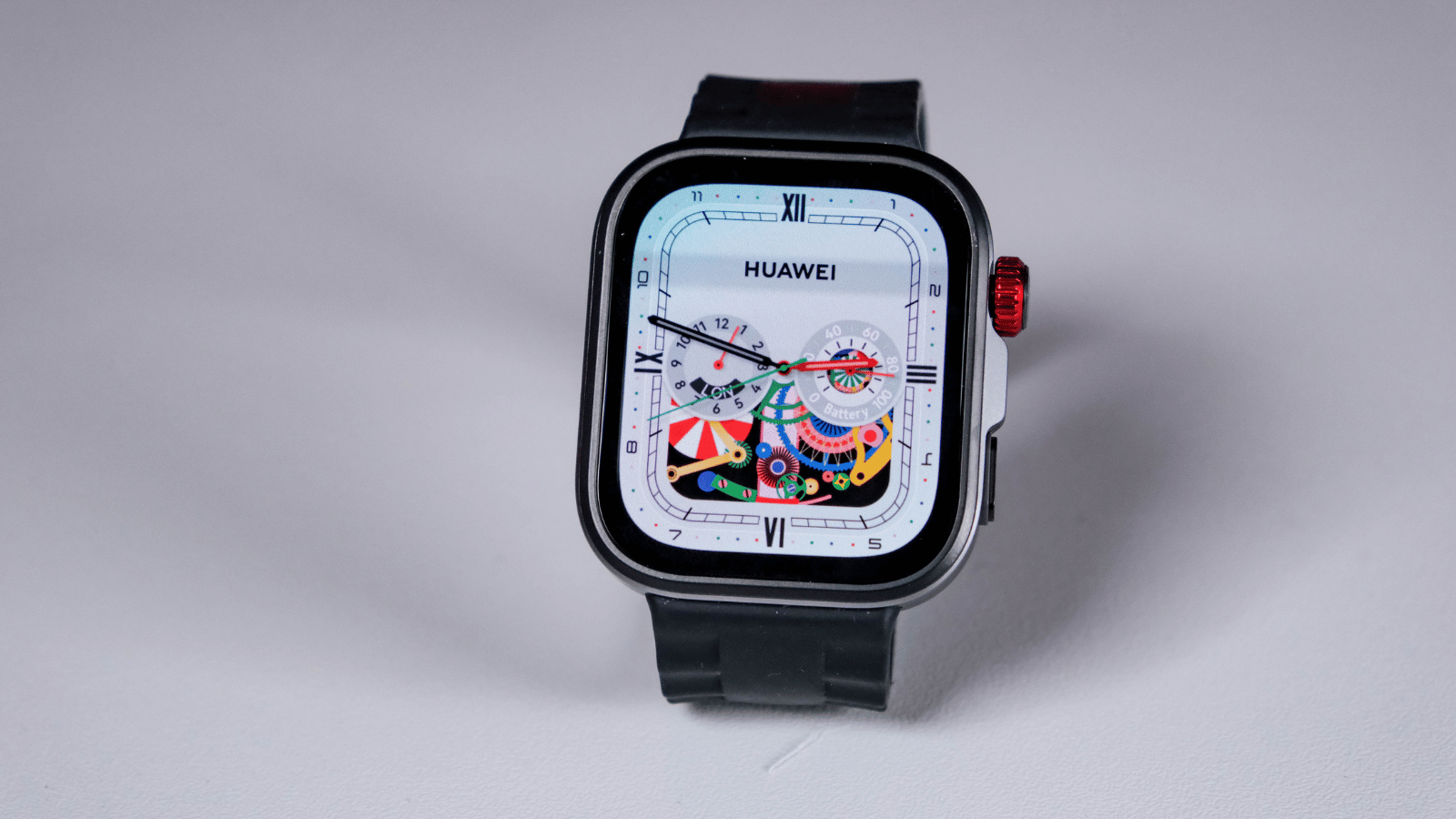 The Watch Fit 4 Pro is Huawei’s slimmest in the Fit range so far. It is just 9.3mm thick, not counting the sensor bump. But even with that accounted for, it sits nearly flush to your wrist. Together with its 30-ish gram weight (not including the strap), you might even forget it’s there.
When you do remember and give it a glance, the square design might trick you into thinking you bought an Apple Watch. That’s almost certainly by design. Huawei says it’s what consumers want, so that’s what they get. Not that we’re complaining. It’s a functional design for a fitness-focused smartwatch and doesn’t get in the way as much as the Watch GT 5 Pro does.
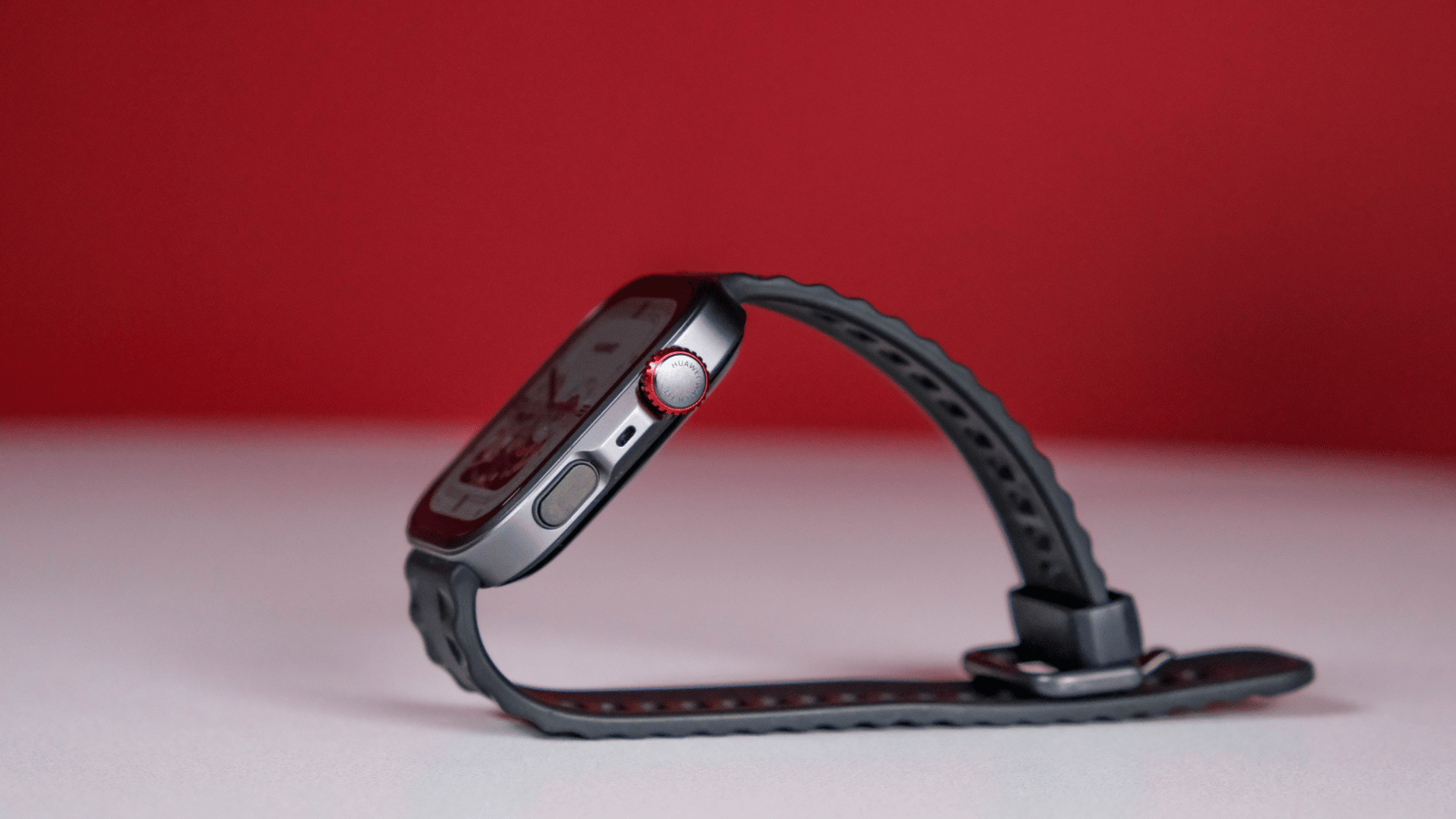 Just because it’s thin and light doesn’t mean it can’t survive a few bumps and scrapes. The 1.82in flat AMOLED display, capable of 3,000 nits peak brightness, is protected by artificial Sapphire glass, while the bezel is made of a titanium alloy to complement the aluminium body. That display is fantastic and easily legible, even in direct sunlight.
It’s available in three colours – Black, Blue, and Green. The first two use fluoroelastomer straps with traditional clasps, while the Green model has a green nylon woven hook-and-loop fastener strap. Depending on the model, the rotating digital crown will sport an accent for some design flourish. A single button that performs shortcut and ECG sensor duties joins the crown on the watch’s right flank as the only two physical controls. You’ll be tapping and swiping for everything else.
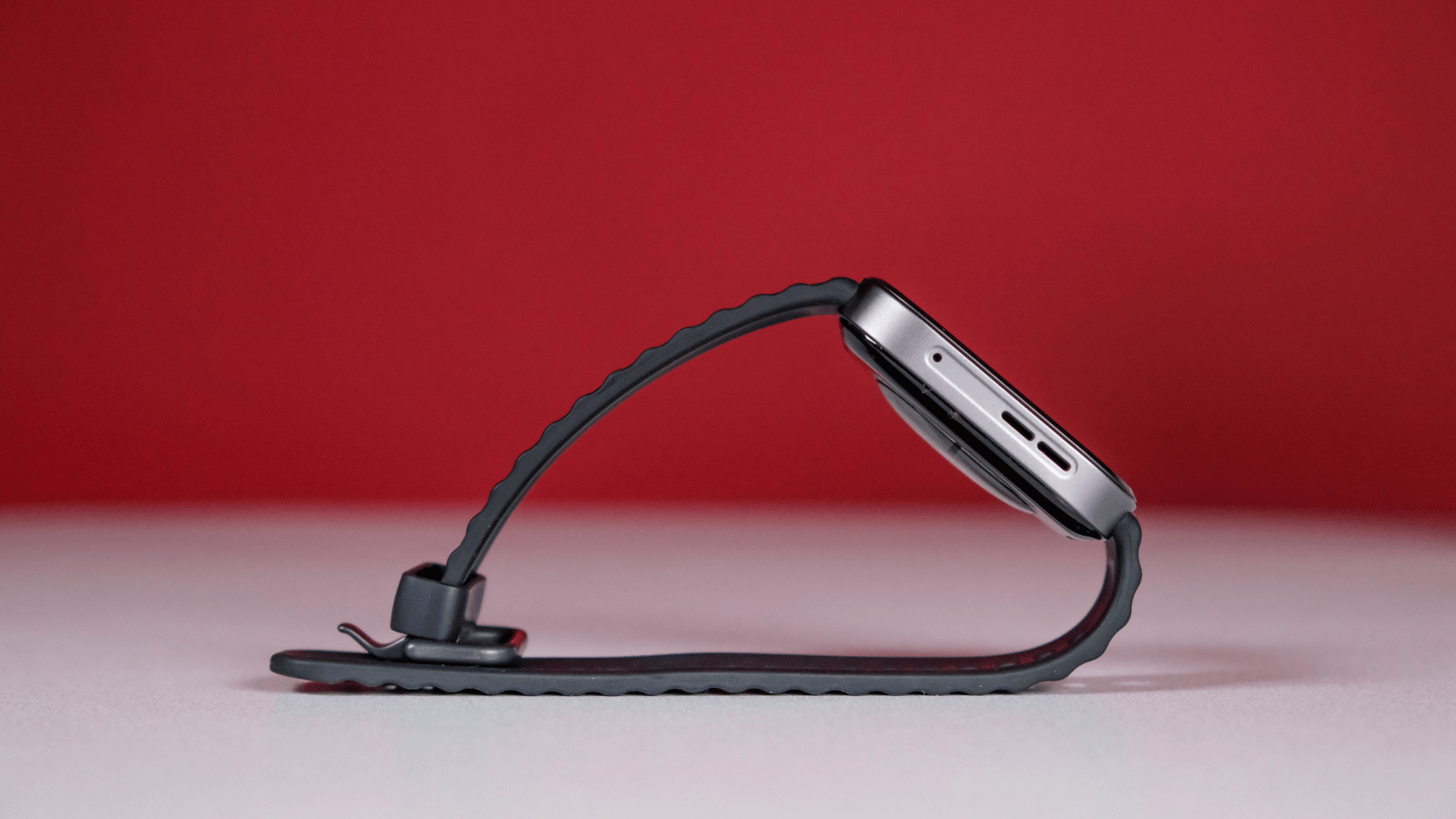 Overall, it’s a fairly unassuming smartwatch, and the only design element we thought could use a makeover is the rather fat bezels around the display. They detract from what would otherwise be a mid-range wearable successfully cosplaying as a much more premium device.
Making the tick tocks
The Watch Fit 4 Pro uses HarmonyOS, and like previous Huawei smartwatches, is compatible (to varying degrees) with Apple and Android smartphones. You’ll get the most out of your tech if you pair it with a Huawei phone, but at least you aren’t completely locked out if you’d rather not do that.
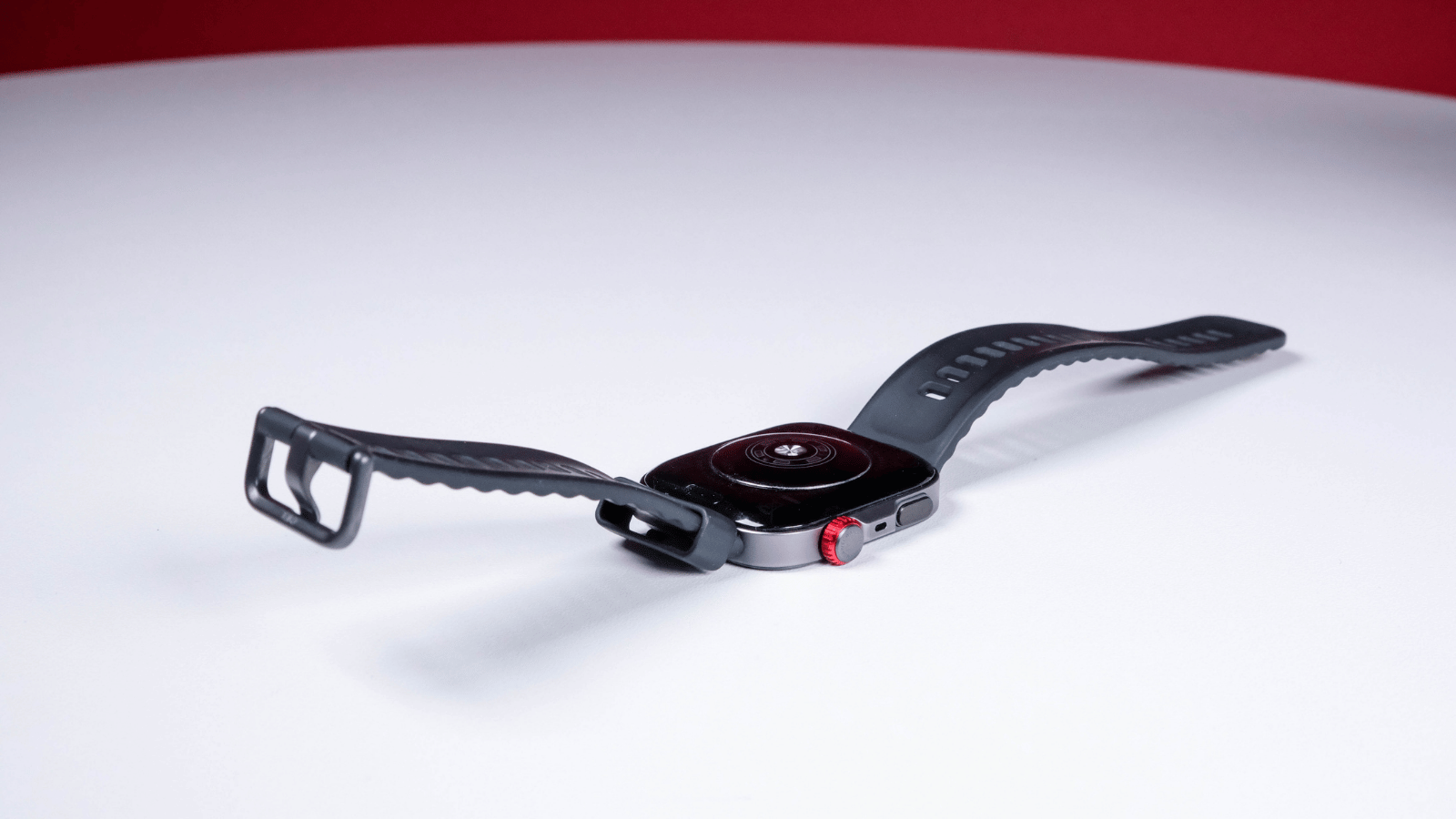 In the Fit 4 Pro, HarmonyOS is paired with Huawei’s TruSense sensor suite for a generous serving of tracking and health measurements. There are a total of nine sensors capable of monitoring six major bodily systems and measuring heart rate, respiratory rate, blood oxygen levels, ECG, body temperature, altitude, depth, acceleration, orientation… you get the idea.
The combination of hardware and Huawei’s algorithms also allows you to track workouts in over 100 sport modes, keep an eye on your everyday health, and make sure you get enough sleep. Of the sport modes, golf, diving, and trail running are given special treatment, mirroring features that first showed up in the Watch GT 5 Pro.
Golfers can load the course they’re on to get smart distance measurements, fine-tune their swing, keep score on their wrist, and receive a detailed post-game analysis. For divers, there’s a new depth check up to 40m and daily apnea training. Trail runners get precise navigation with voice alerts and directions if they get lost.
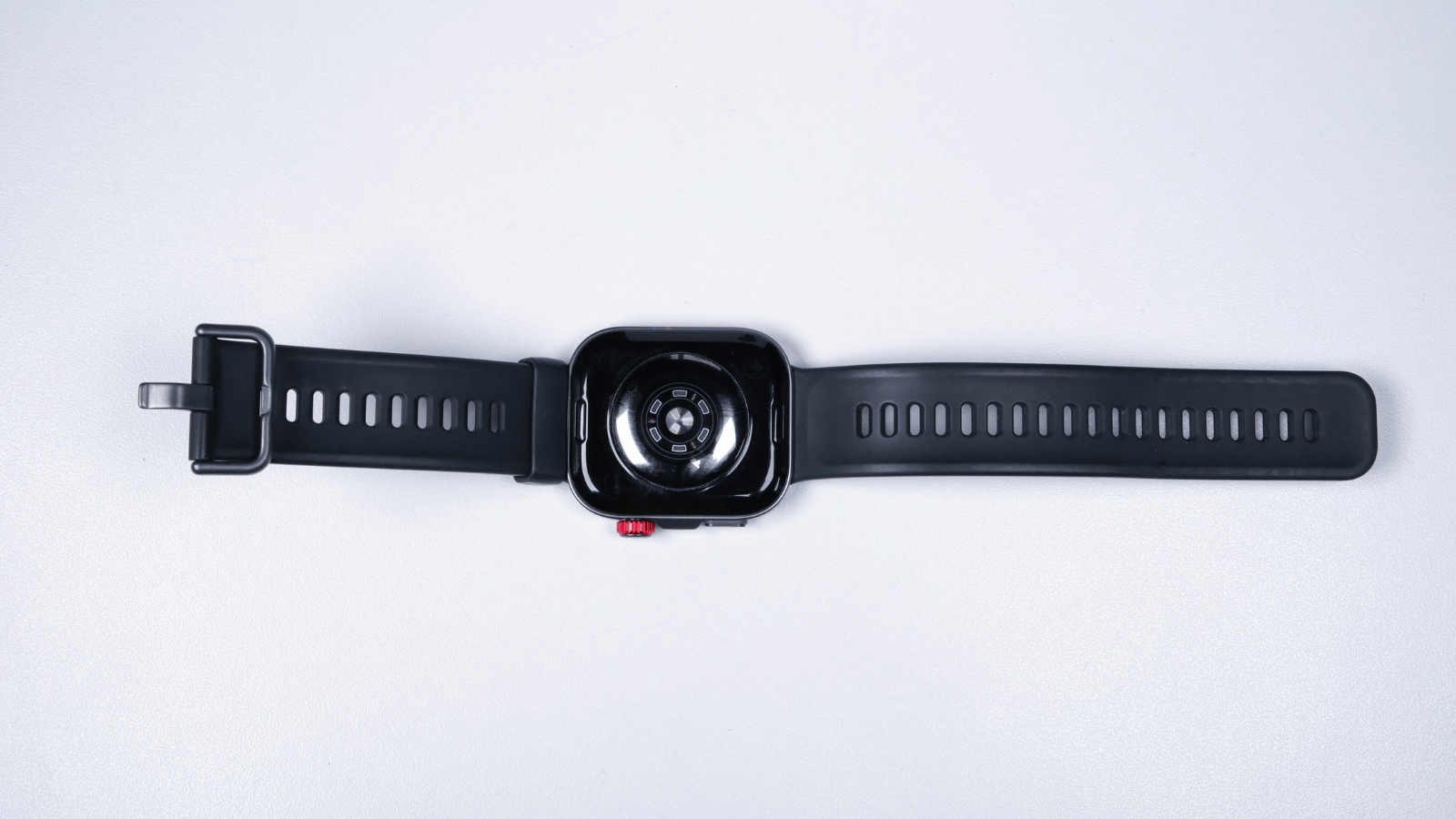 Similarly, the Fit 4 Pro also features all the health tracking that you’d expect to find in a competent smartwatch. The usual health vitals are available upon request, including ECG, pulse wave arrhythmia analysis, emotional well-being, menstrual cycle tracking, and sleep health monitoring.
The only weirdness we witnessed was with sleep tracking. Our Fit 4 Pro showed a tendency to oversimplify sleep stage tracking, often completely missing wake stages. As a result, it usually thinks you’ve had a fantastic night’s sleep, even if you hardly got five hours. It’s easy to overlook if sleep tracking isn’t important for you. But if you’re serious about tracking your sleep, you’d be better off with something else.
Got the staying power
With the 400mAh battery inside, we struggled to reach Huawei’s quoted figures for battery life. We weren’t far off, only short by a day at most, and even with that in mind, the Watch Fit 4 Pro still offers some of the best battery life around for the price.
Huawei does specify how it gets to those figures, so it’s probably theoretically possible to surpass them. But that would likely mean you aren’t doing much of anything with your fitness tracking smartwatch, so what’s the point?
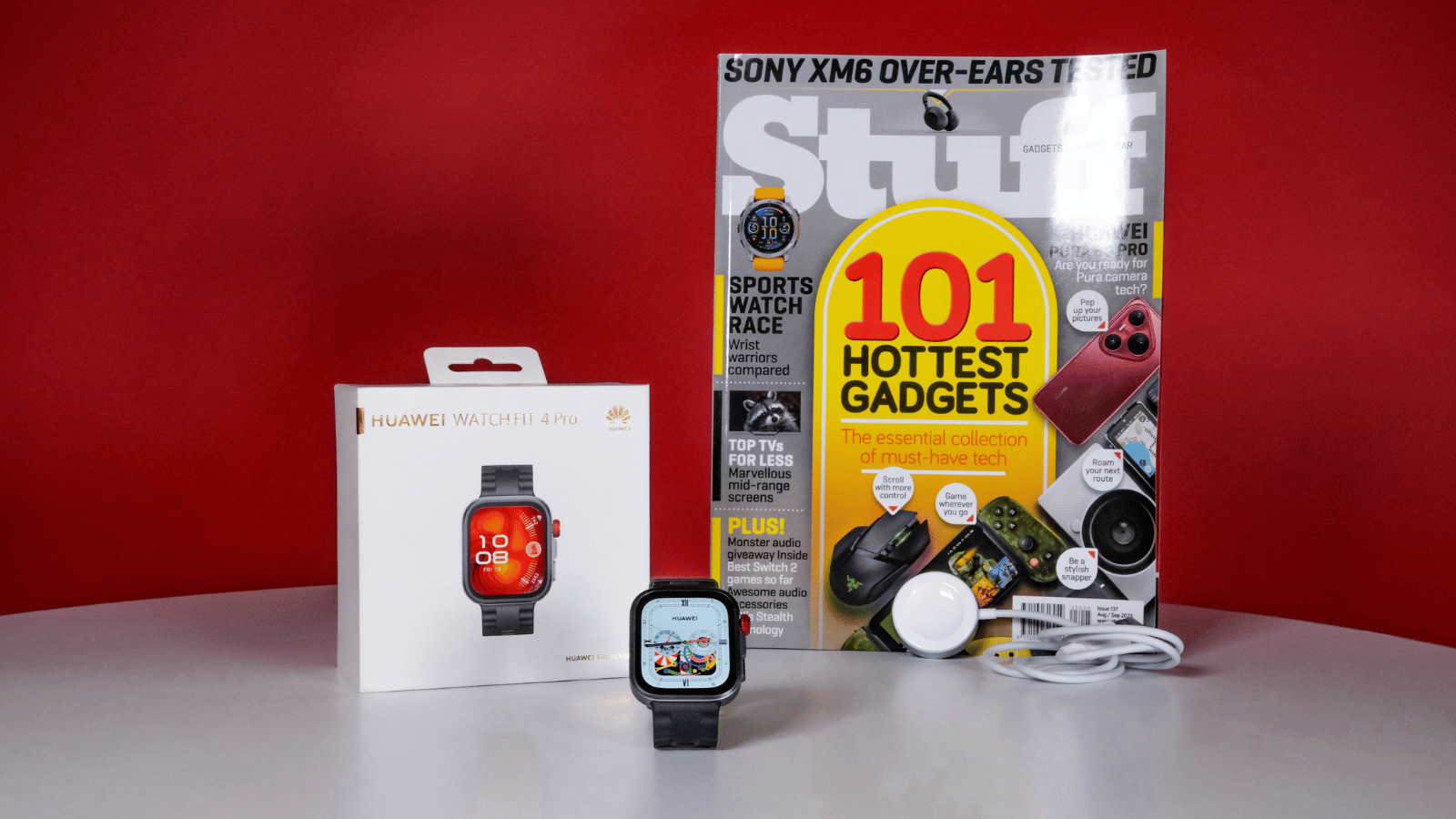 We managed six days to Huawei’s quoted seven days for “typical battery life” and three days under the same conditions with the always-on display enabled. If you don’t do much during your day, keep the AOD off, and limit notifications and Bluetooth calling, you can manage close to ten days.
There’s an improved charging puck in the box that will get a dead Watch Fit 4 Pro to 100% in around an hour, with ten minutes providing an extra day. We’re looking forward to the day when a Huawei watch can charge faster than a certain company’s smartphone. Before we get there, we hope Huawei swaps the USB-A connector on the end of the puck’s cable for USB-C.
Huawei Watch Fit 4 Pro verdict
Huawei’s Watch Fit 4 Pro makes a compelling argument for putting one on your wrist. If you’re tired of having to charge your smartwatch daily, as most Apple and Samsung watch owners probably are, you get a lot of value for the R5,000 asking price.
Its premium construction, slim profile, and lightweight design make it one of the more comfortable watches we’ve worn. The display is crisp, vivid, and easily legible, regardless of environment. There are plenty of sports tracking modes, and the health tracking is mostly competent. Sleep tracking might be inconsistent, but that’s easy to overlook (if your health doesn’t depend on it), considering the price and what you get elsewhere. If you don’t mind doing without the specialised gold, diving, and trail running modes, you might even want to consider the non-pro model for a few thousand less.