

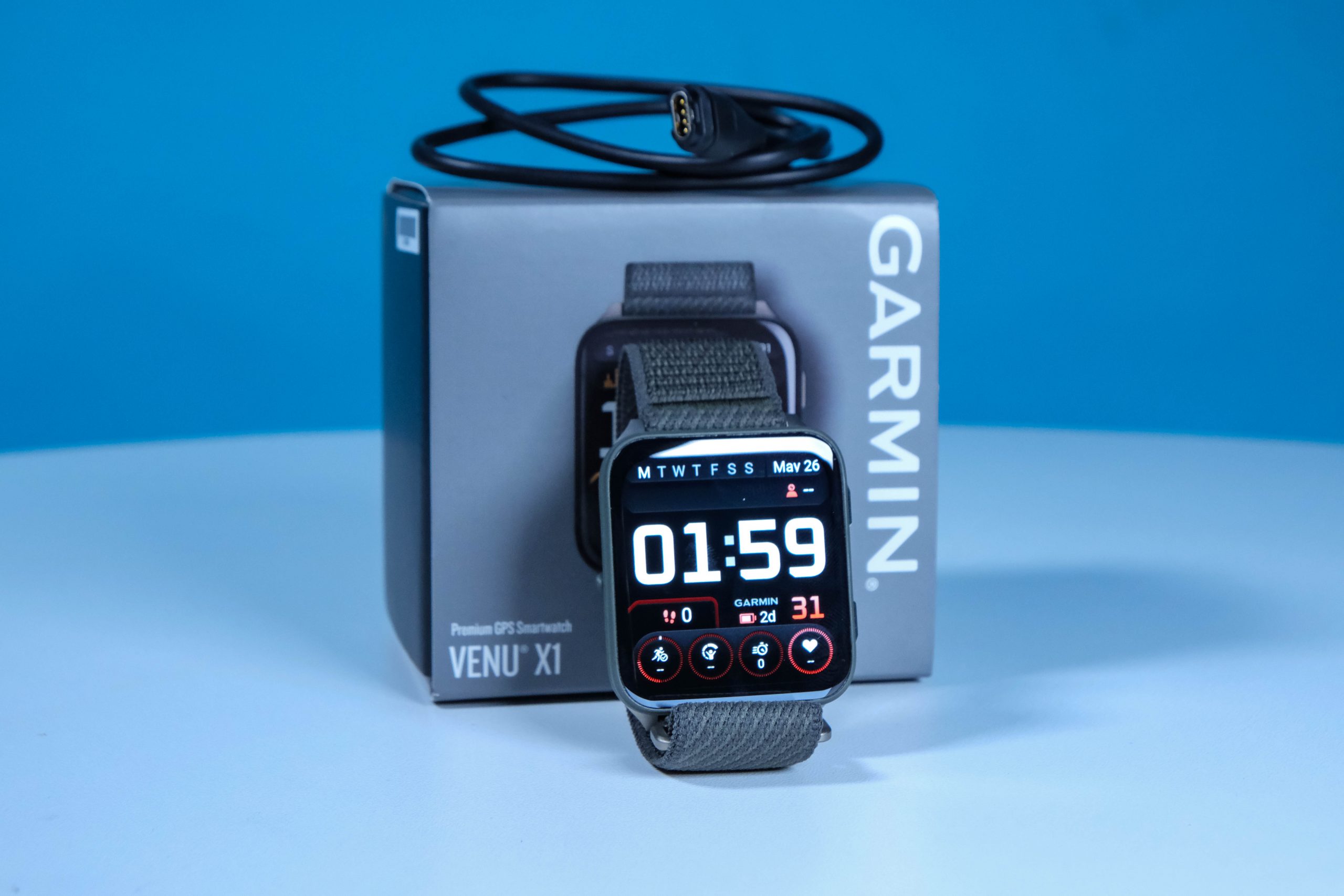
Always wanted Garmin's best smarts but weren't keen on strapping a 100-gram chunk of metal to your wrist? The Venu X1 would like to have a word with you. The word involves spending almost twenty grand on something that looks like an Apple Watch Ultra, performs like a Garmin headliner, and lasts a week on a charge (T's & C's apply). Sound good?
-
Design
-
Features
-
Battery
-
Tracking
-
Value
Garmin’s Venu X1 wearable corrects the greatest — perhaps the only — drawback regular folks might feel when purchasing one of its beloved Fenix or even Forerunner wearables (besides the price). That would be their size. Regular folks, meaning people who aren’t in training for something physically demanding, tend to favour comfort over all the body insights Garmin’s wearables provide.
But what if there was a way to have granular stats and a comparatively slim device on your wrist? Apple makes those — they’re called the Apple Watch Ultra. Garmin’s answer to that is the Venu X1, which addresses the bulk issue but, at R19,000, doesn’t do anything about the cost. Oh, well. Can’t have everything.
Going big
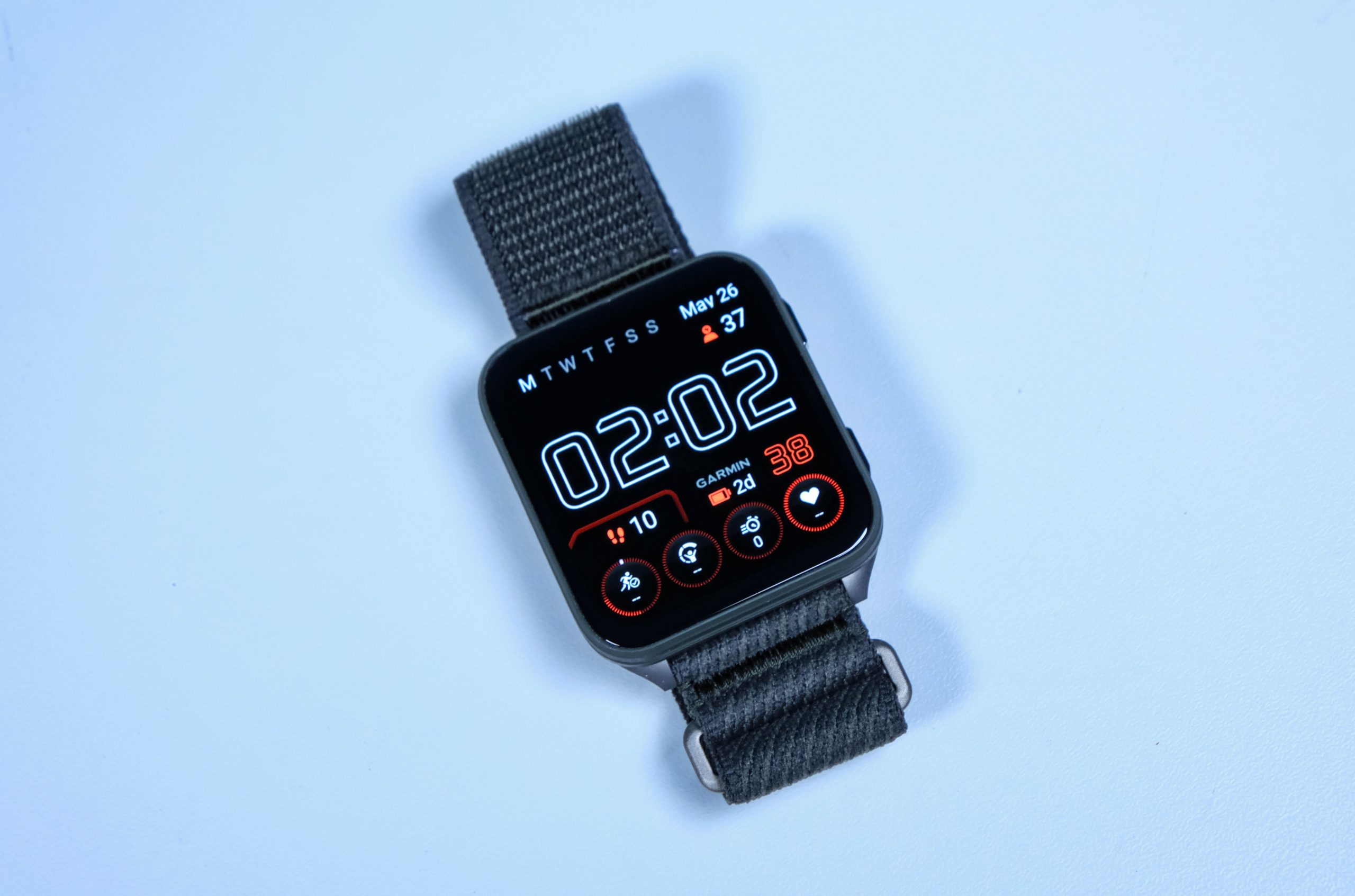 The Venu X1 is dominated by its display. It’ll be the first thing you notice when uncasing the watch from its box and, given how much stuff is crammed behind its 2in 448 x 486 AMOLED sapphire crystal surface, that’s a very good thing. It’s clear and bold enough to give smartphones a run for their money, handling navigation in direct sunlight better than most.
There’s plenty of juice behind the screen. The battery will last a little over a week in practice, but you’ll get more Apple-like performance from it if you activate the optional Always-On display function. You don’t need it, but if you’re accustomed to frequent recharges, you might choose to take the battery knock. It’s possible to crush the Venu X1 in less than a day, but that’ll involve having the display and GPS tracking cranked for the duration. Unless you’re an ultramarathon type, it’ll outlast you in most cases.
The touchscreen is assisted by a pair of physical buttons on the right-hand edge. You can ignore these if you like, since most of their uses are replicated onscreen. If you’re coming from a chunkier Garmin, then the Venu X1’s navigation options might appear limited. What isn’t limited is offline storage — the watch includes 32GB of space for your offline maps or Spotify playlists. That should push you to the finish line.
We’ve mentioned the Venu X1’s skinny profile, and it’s worth examining more closely. Garmin’s hyper-fitness watches tend toward the chunky. The Fenix 8 weighs up to 102 grams on your wrist, and even the titanium model tops the scales at 92 grams. The slim titanium-and-polymer chassis backing the Venu X1’s excellent display will max out at 40 grams, with 8g of that attributed to the strap. It’s practically invisible on your wrist, weight-wise.
Less is more (or less the same)
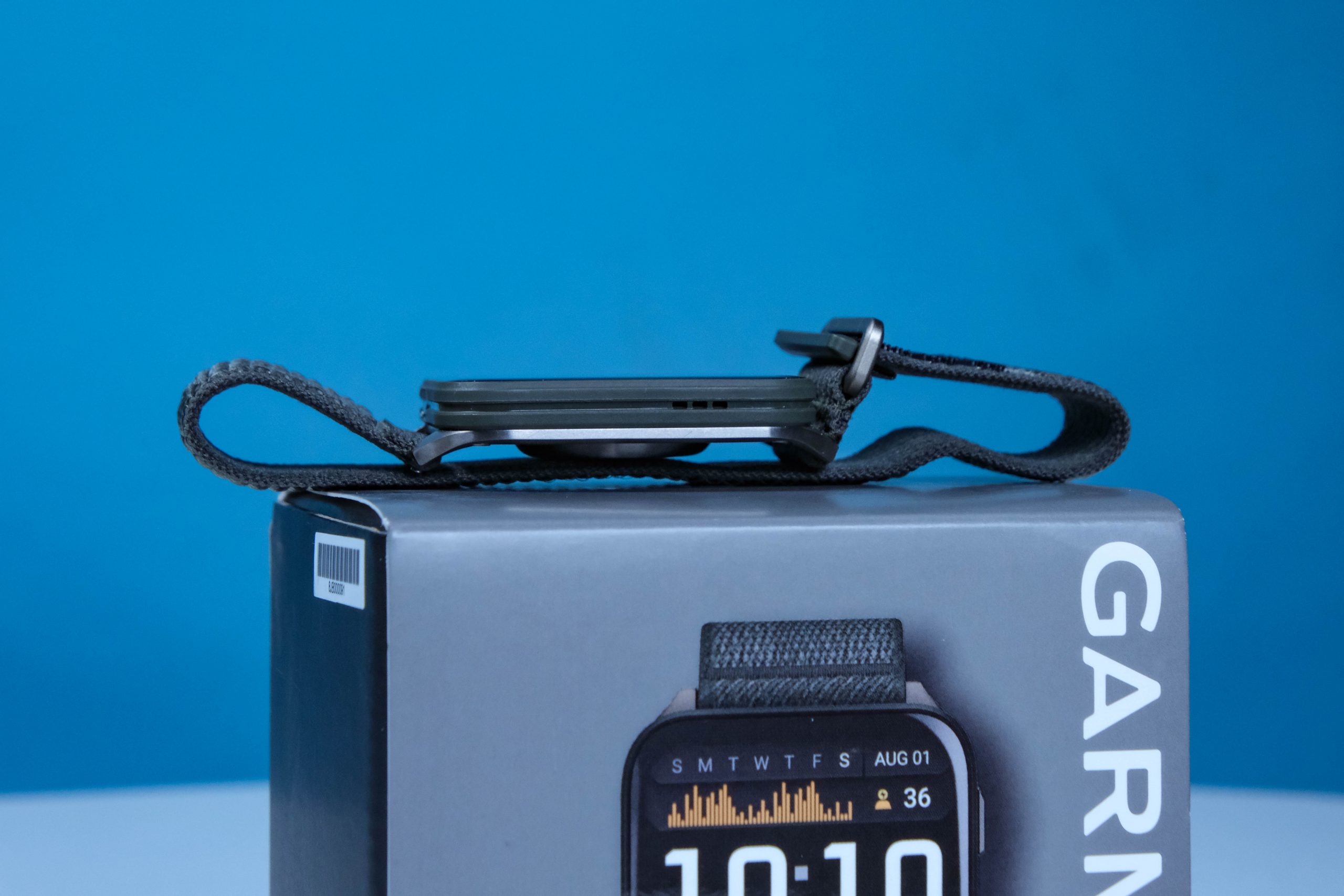
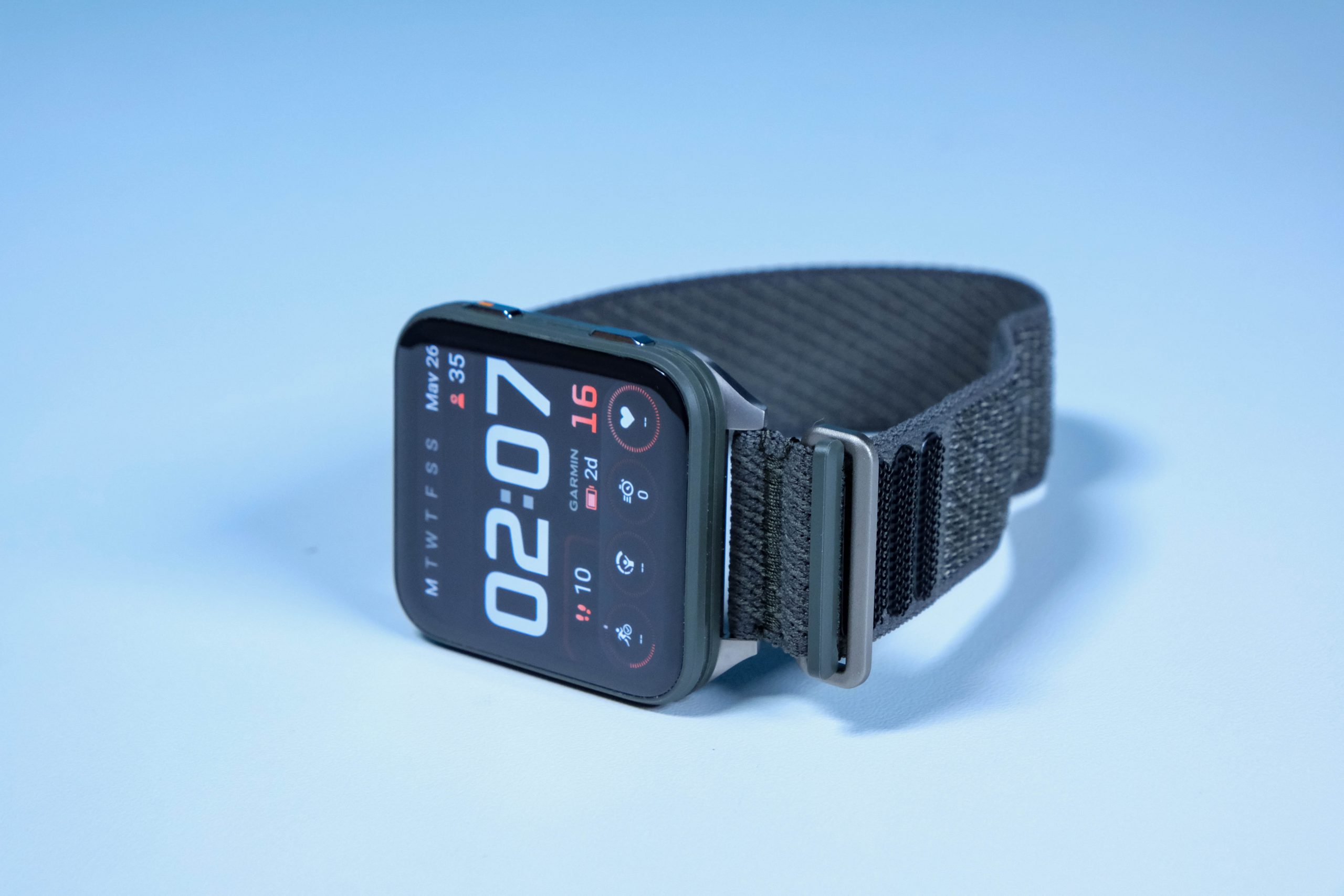
If you think the slimmer profile means you’re getting less from your Garmin wearable, you obviously missed the price above. It’s not quite as hardcore as the brand’s Black Ops-spec watches, but everything’s here. Support for more exercises than you’ll ever do in your life, plus Morning Report, Training Readiness, and Garmin Coach, and the various training assistance programs live comfortably inside the Venu X1’s frame.
Run-specific coaching is present in full detail, covering everything up to ground-contact time. Garmin hasn’t skimped on sensors either, with multiple GPS options depending on region, heart rate, sleep, and blood oxygen tracking. These reports are as typically detailed as Garmin’s bulkier efforts. Barometric altimeter readings, an integrated compass, and temperature sensors pair well with the offline map function to a) get you where you’re going or b) back to where you started when you give up halfway.
We could bang on about reports for days and still not scratch the surface of what the Garmin Venu X1 is capable of. We’re not going to, because that’s not a feature unique to this watch. Garmin’s devices tend toward the comprehensive, and you can pick your major activity — running, cycling, swimming, golf, and more — and wallow in data and training advice dedicated to that function for ages.
Demanding durability
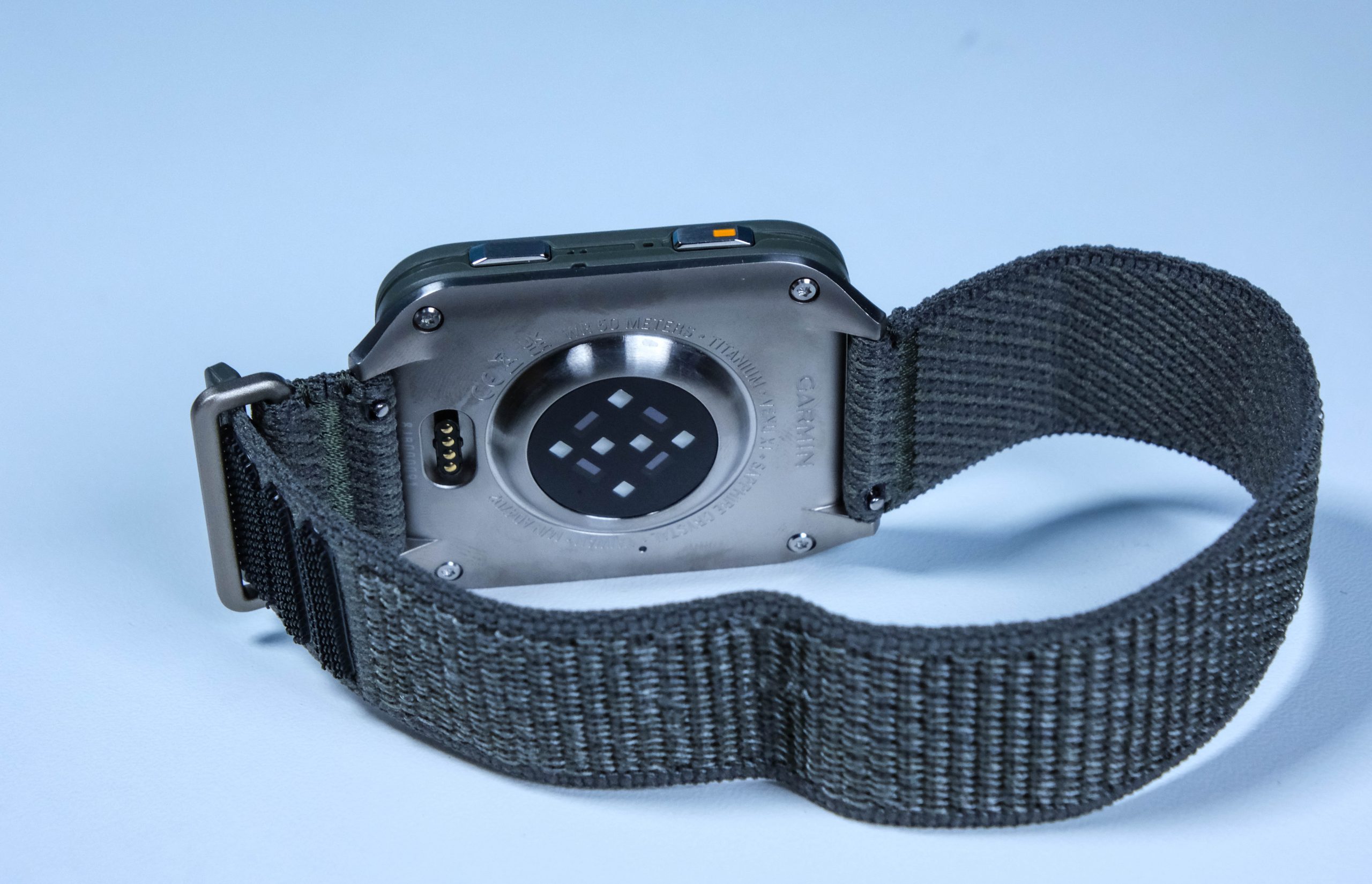 The Venu X1 has a few other features to go with its mad fitness smarts. In a nod toward its smartwatch-like appearance, you can use it as a phone. No, there’s no integrated eSIM, but you can accept and make calls, using the speaker and microphone to conduct conversations midway through the Comrades Marathon without extracting your phone from its skin-tight pouch.
The microphone means voice control is a thing. Garmin may be trying to make up for the lack of physical buttons but, given that this one is meant to appeal to a more conventional user, it’s just handy to have. Issuing commands to start or end an activity (if you’re doing them right, you’ll be too breathless for the latter) might get old at some point, but it hasn’t yet.
Waterproofing is a given, too. It’s obviously rated for extensive swimming, and it’ll survive up to five atmospheres (5ATM) down below. Perhaps the only downside is that the chassis, as light and comfortable as it is, could be more susceptible to damage. It’ll probably do fine — crystal sapphire and titanium don’t muck around — but if you’re used to banging your Fenix against right, maybe don’t do that here.
Garmin Venu X1 verdict
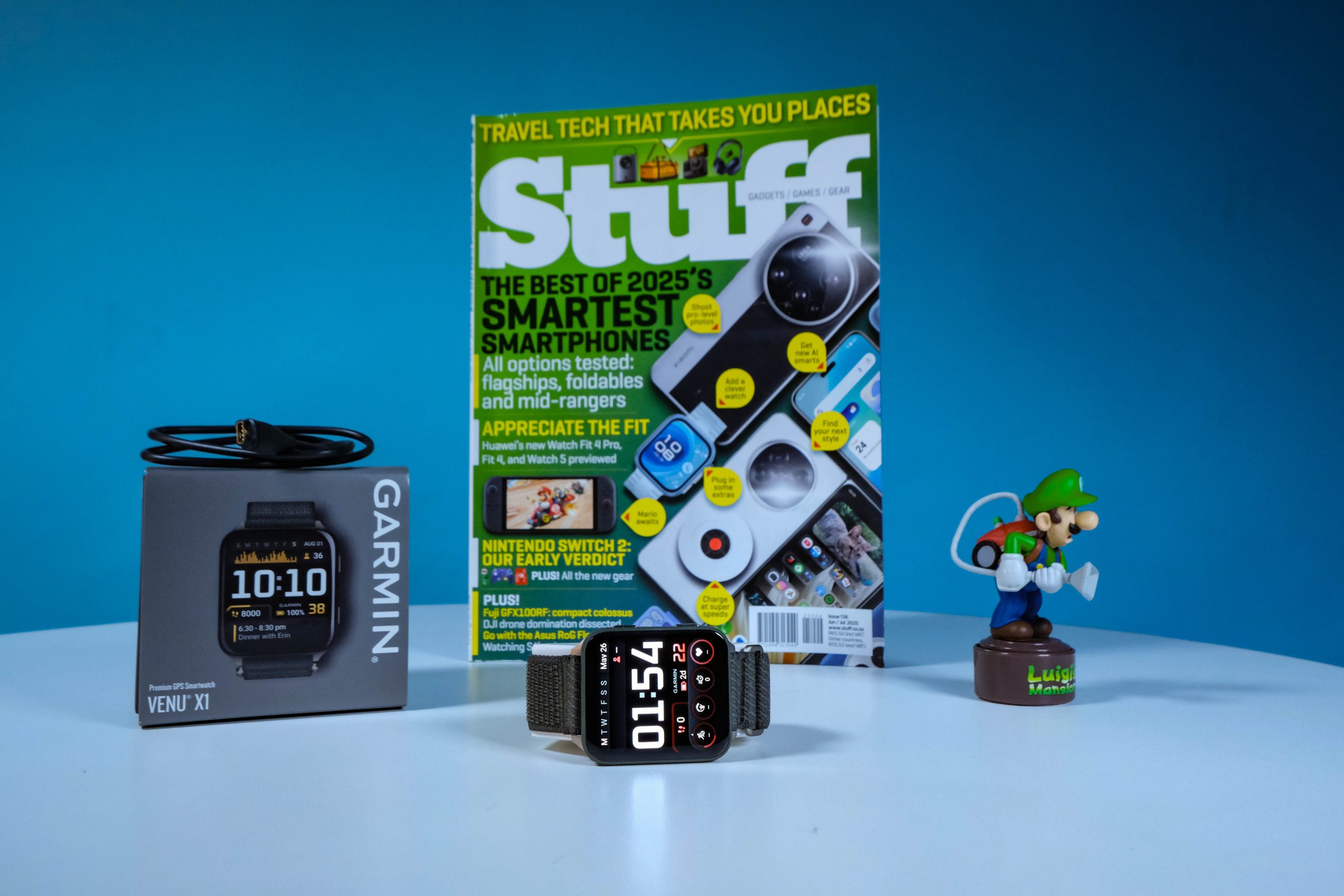 Garmin is after a whole new market with the Venu X1 — folks who might want an Apple Watch Ultra but aren’t sold on the battery life. This wearable might look like it’s all fun and games, but below the attractive exterior beats the heart of a serious fitness beast. Anyone considering the jump from a ‘basic’ wearable to something with a lot more meat would do well to check this one out. That’s especially true if you’re not keen on extra weight dragging on your wrist. We never would have thought Garmin could do something like this unless it was with a fitness band. Turns out we were wrong, and we’ve never been more pleased about that.