
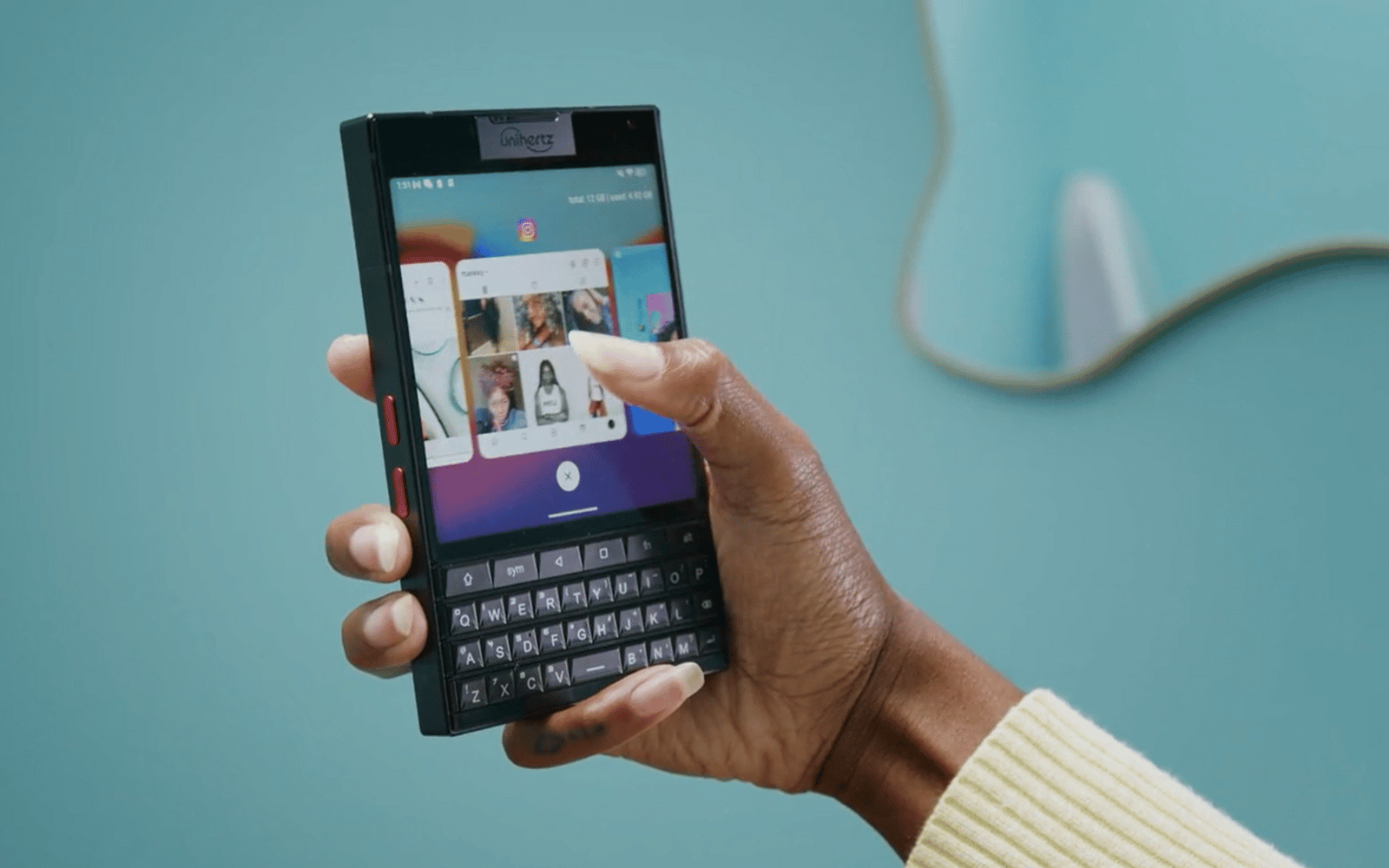
If you’ve ever caught yourself tapping away at your smartphone’s touchscreen and wished it were a physical keyboard from the days when BlackBerry was popular, we’ve got just the phone for you.
Unihertz, the Chinese company responsible for devices like this, recently announced the Titan 2 — the successor to its BlackBerry Passport-inspired Titan. It isn’t often that a direct sequel is worth the upgrade, but considering the last one came out in 2019, that’s not the case here.
Titan 2: More Titan
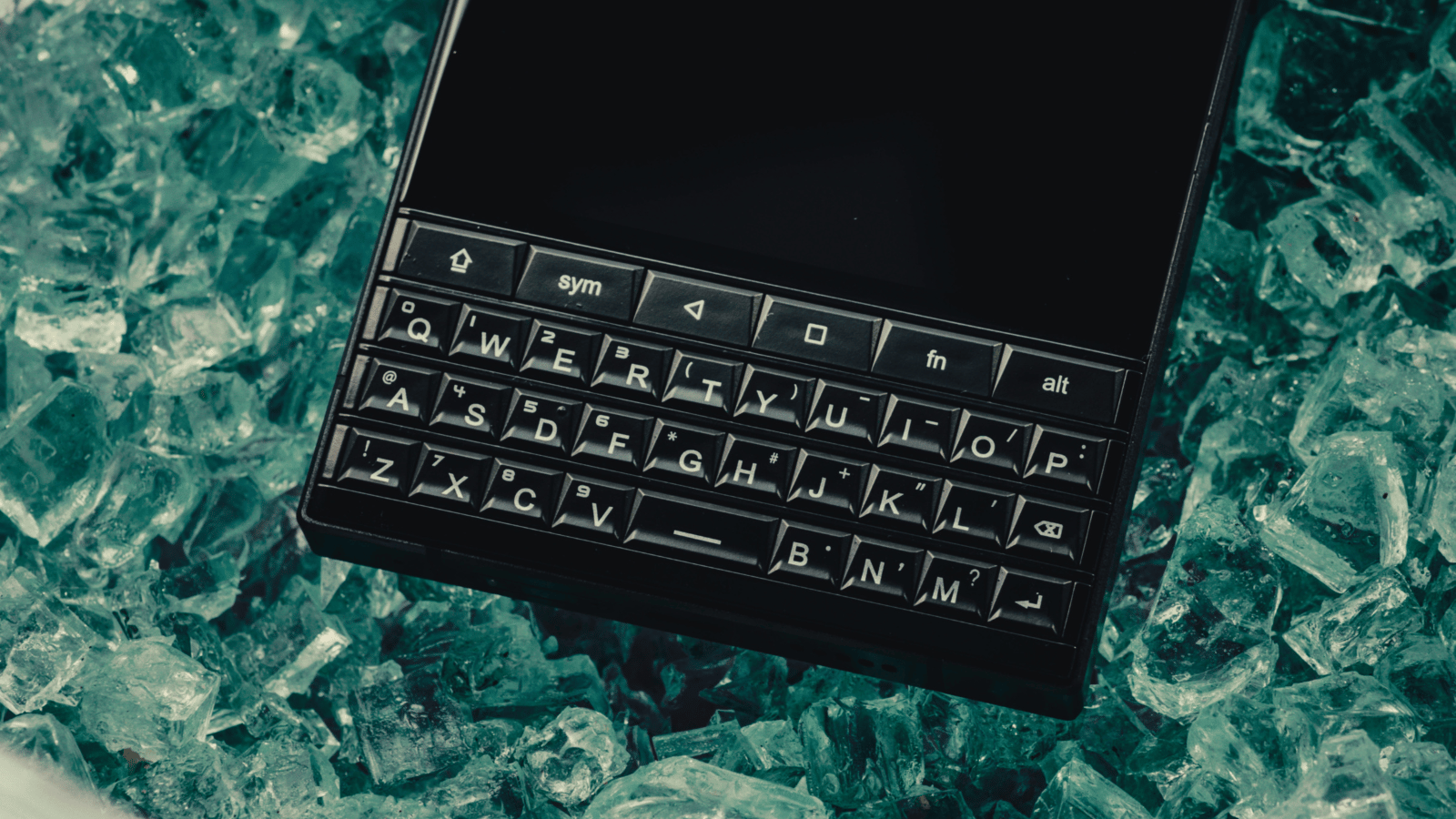
The first Titan was a chonky slab of smartphone. Luckily, Unihertz has slimmed the design down for the sequel. It’s gone from 16.65mm thick to a more manageable 10.85mm. It also climbed aboard the Ozempic weight-loss train and lost over 60g of weight. It’s 235g, down from the 303g of its fatter older sibling.
Up front, the Titan 2 sports an almost-square 4.5in display with a 1,430 x 1,440 resolution. That’s not much in today’s world, but maybe the second 2in 410 x 502 display on the back will make up for it?
The large display sits atop a full-width back-lit physical keyboard, which Unihertz says delivers “a more comfortable, reliable, and versatile tactile typing experience.” You can configure long- and short-press shortcuts, or slide your fingers across to scroll or control a tiny cursor.
Inside the Titan 2, you’ll find a Dimensity 7300 SoC, paired with 12GB of RAM and 512GB of local storage. While not exactly a flagship chipset, the Dimensity 7300 is a substantial upgrade over the Helio P60 in the first Titan.
Unfortunately, by slimming down the Titan 2, Unihertz hasn’t left much room for the battery. There’s now a 5,050mAh battery that supports 33W wired charging, down from the 6,000mAh cell in the first.
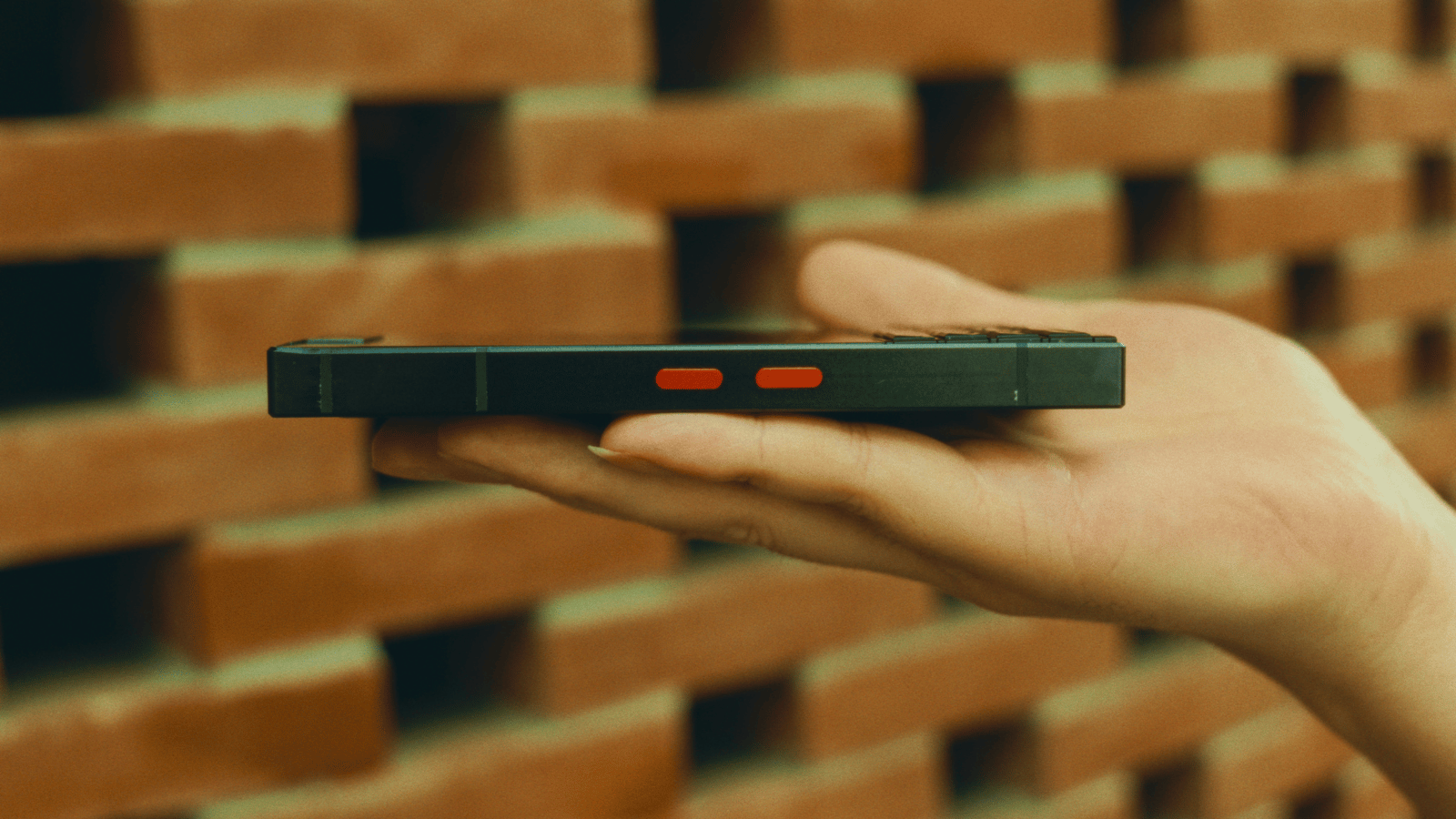
Along with the modern specs, it also sports an infrared port, dual-band GPS, NFC, Bluetooth 5.4, 5G, fingerprint and facial recognition, and an FM radio. Happily, the side-mounted programmable buttons have been carried over.
Last and possibly least, the Titan 2 houses a couple of rear camera sensors, along with that second screen – a 50MP main sensor and an 8MP telephoto sensor. There’s a 32MP selfie camera in front. We say ‘possibly least’ because the cameras were the weakest point of the first Titan. It remains to be seen if its successor has improved on that front.
If you’re eager to get your hands on the much-improved Titan 2, you’ll be happy to know it breezed past its Kickstarter goal of $100,000. When it eventually starts shipping, around October this year, it is expected to go for the same $400 as the last Titan, or R7,000 before shipping and taxes.
And if after reading all of this, you, like us, wondered what BlackBerry was up to… It turns out transitioning into a cybersecurity firm has its perks when everyone seems to be getting hacked.