
You might have heard that artificial intelligence is going to revolutionize everything, save the world and give everyone superhuman powers. Alternatively, you might have heard that it will take your job, make you lazy and stupid, and make the world a cyberpunk dystopia. Consider another way to look at AI: as an assistive technology – something that helps you function. With that view, also consider a community of experts in giving and receiving assistance: the disability community. Many disabled people use technology extensively, both dedicated assistive technologies such as wheelchairs and general-use technologies such as smart home devices. Equally, many disabled people…
Author: The Conversation
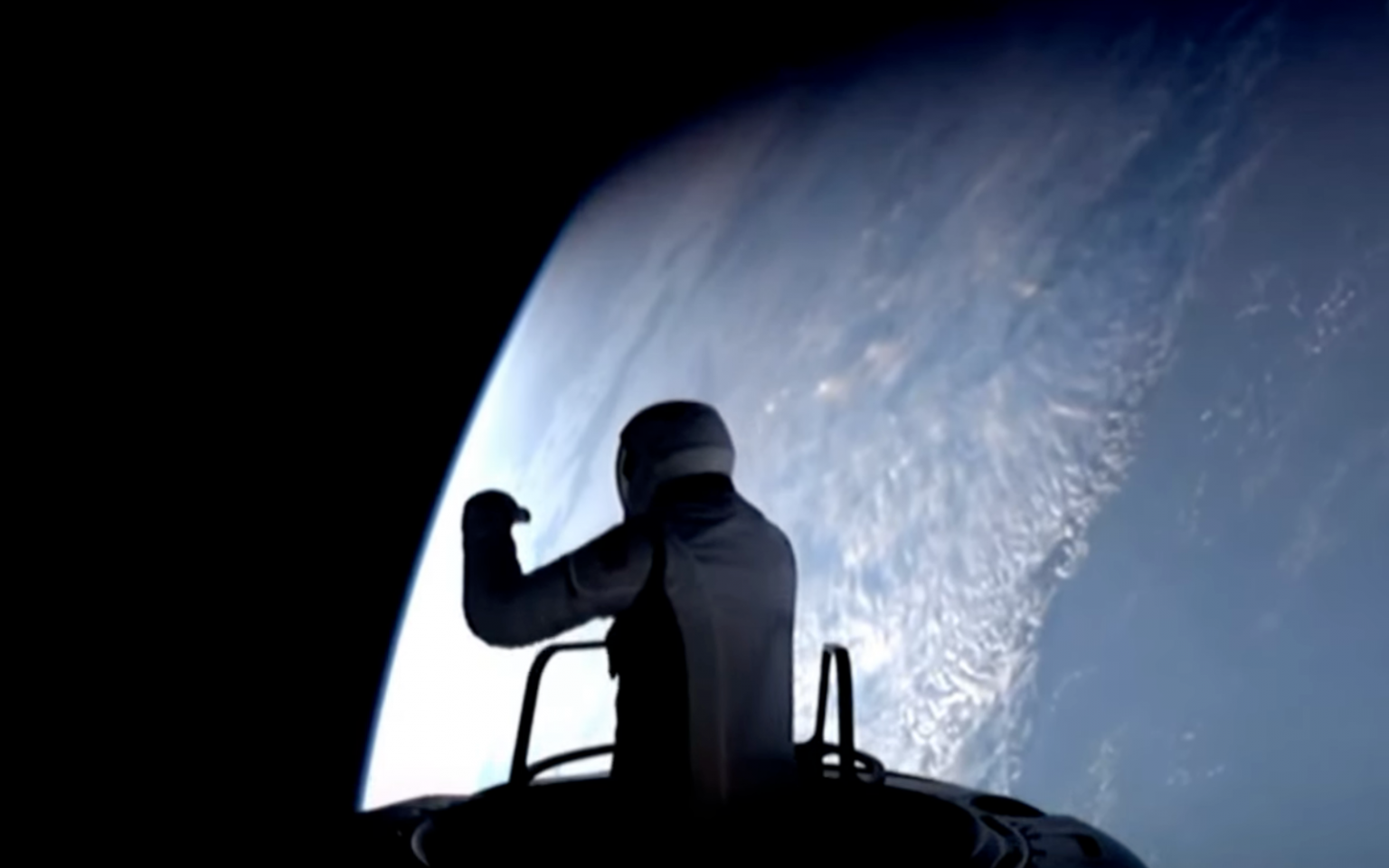
Only about 600 people have ever travelled to space. The vast majority of astronauts over the past six decades have been middle-aged men on short-duration missions of fewer than 20 days. Today, with private, commercial and multinational spaceflight providers and flyers entering the market, we are witnessing a new era of human spaceflight. Missions have ranged from minutes, hours and days to months. As humanity looks ahead to returning to the Moon over the coming decade, space exploration missions will be much longer, with many more space travellers and even space tourists. This also means that a wider diversity of people will…
Roblox is an online platform that allows users to create games and play those designed by others. A self-described “ultimate virtual universe,” it is hard to pinpoint exactly what Roblox is: Is it a game? Is it social media? Is it a place to create content or consume media? Is it a place to shop or sell? Is it a metaverse? Or simply a platform? How do we even understand what Roblox is? And does it matter? Roblox is a multiplayer game world where users create their own singular avatars and move through immersive experiences built by other users. On…
The artificial intelligence (AI) revolution has begun, spreading to almost every facet of people’s professional and personal lives – including job recruitment. While artists fear copyright breaches or simply being replaced, business and management are becoming increasingly aware to the possibilities of greater efficiencies in areas as diverse as supply chain management, customer service, product development and human resources (HR) management. Soon all business areas and operations will be under pressure to adopt AI in some form or another. But the very nature of AI – and the data behind its processes and outputs – mean human biases are being embedded in the…
Last week, several major record labels filed copyright infringement lawsuits in US courts against the makers of two generative AI music apps, Suno and Udio. The labels allege the AI companies have engaged in copyright infringement by copying many sound recordings belonging to the record labels, and producing outputs very similar to those recordings. The labels are seeking damages of US$150,000 (R2,770,185) for each of the thousands of tracks of which copyright has allegedly been infringed. The lawsuits allege Udio produced output with “striking resemblances” to songs including Dancing Queen by ABBA and All I Want For Christmas Is You by Mariah Carey, while Suno allegedly turned out…
With the current buzz around artificial intelligence (AI), it would be easy to assume that it is a recent innovation. In fact, AI has been around in one form or another for more than 70 years. To understand the current generation of AI tools and where they might lead, it is helpful to understand how we got here. Each generation of AI tools can be seen as an improvement on those that went before, but none of the tools are headed toward consciousness. The mathematician and computing pioneer Alan Turing published an article in 1950 with the opening sentence: “I propose to…
Humans can’t help being fascinated by space. And that interest seems to be making the possibility of moving humanity to another planet, like Mars or the Moon, more distinct, with NASA hoping to set up colonies in the next few decades. But these missions will only be viable if astronauts can produce their own food. To colonise Mars, settlers will have to grow their own food in systems that are as close to self-perpetuating as possible, with little or no input from Earth once these systems have been established. This is because Mars is 54.6 million km away from Earth, and it would…
The promised artificial intelligence revolution requires data. Lots and lots of data. OpenAI and Google have begun using YouTube videos to train their text-based AI models. But what does the YouTube archive actually include? Our team of digital media researchers at the University of Massachusetts Amherst collected and analyzed random samples of YouTube videos to learn more about that archive. We published an 85-page paper about that dataset and set up a website called TubeStats for researchers and journalists who need basic information about YouTube. Now, we’re taking a closer look at some of our more surprising findings to better understand how these obscure videos might become part…
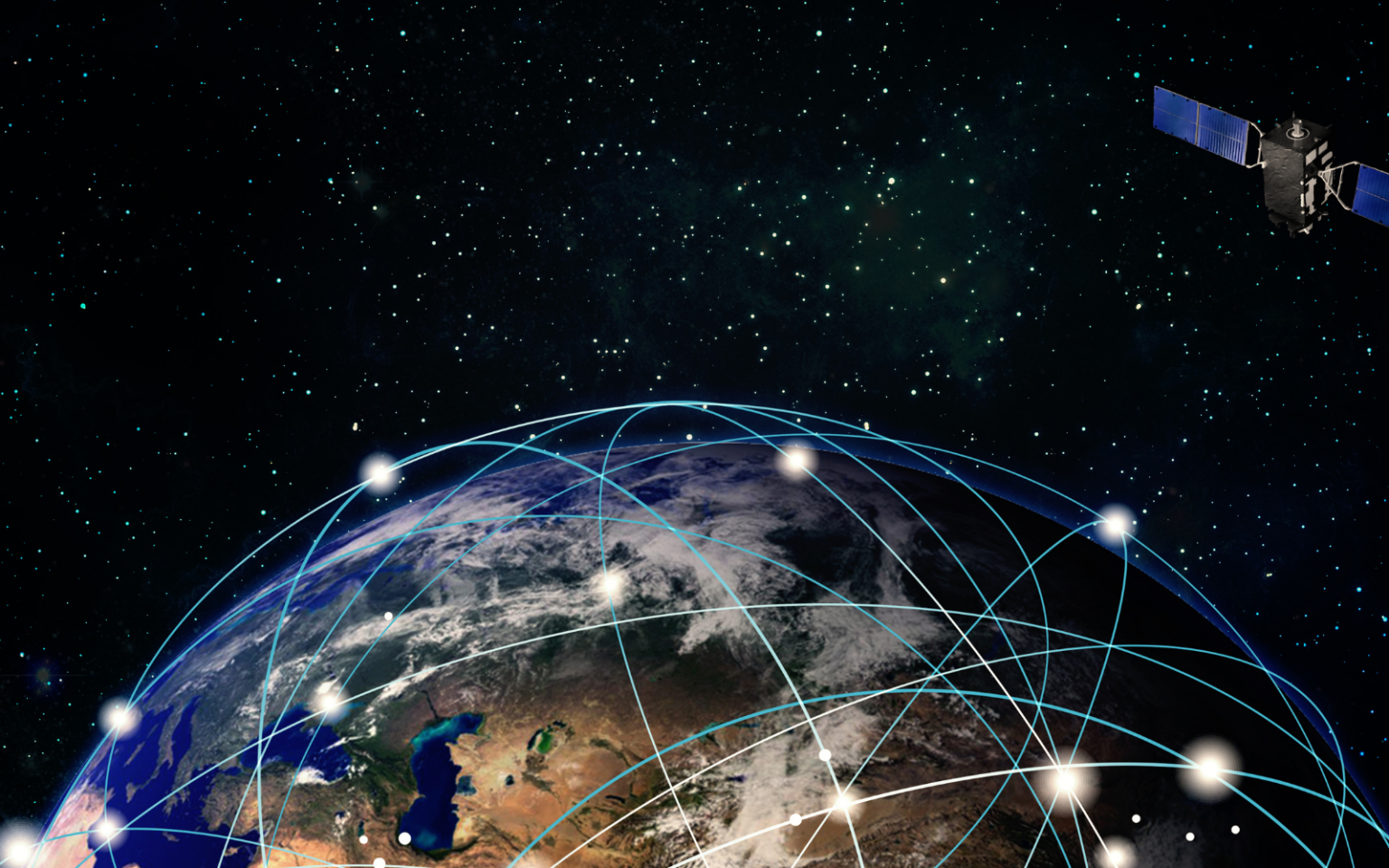
The US military recently launched a groundbreaking initiative to strengthen ties with the commercial space industry. The aim is to integrate commercial equipment into military space operations, including satellites and other hardware. This would enhance cybersecurity for military satellites. As space becomes more important to the world’s critical infrastructure, the risk increases that hostile nation-states will deploy cyber attacks on important satellites and other space infrastructure. Targets would include spy satellites or military communications satellites, but commercial spacecraft too. The US Department of Defense believes its new partnership, called Commercial Augmentation Space Reserve (CASR), would enhance US national security and the country’s…
Our latest research has found that clickable links on websites can often be redirected to malicious destinations. We call these “hijackable hyperlinks” and have found them by the millions across the whole of the web, including on trusted websites. Our paper, published at the 2024 Web Conference, shows that cybersecurity threats on the web can be exploited at a drastically greater scale than previously thought. Concerningly, we found these hijackable hyperlinks on the websites of large companies, religious organisations, financial firms and even governments. The hyperlinks on these websites can be hijacked without triggering any alarms. Only vigilant – some…