

The tech giants Amazon, Google and Facebook have all begun to use machine learning to give you tips on what to wear. Is fashion styling the next field to be disrupted by artificial intelligence (AI), or will the human eye remain supreme?

The tech giants Amazon, Google and Facebook have all begun to use machine learning to give you tips on what to wear. Is fashion styling the next field to be disrupted by artificial intelligence (AI), or will the human eye remain supreme?
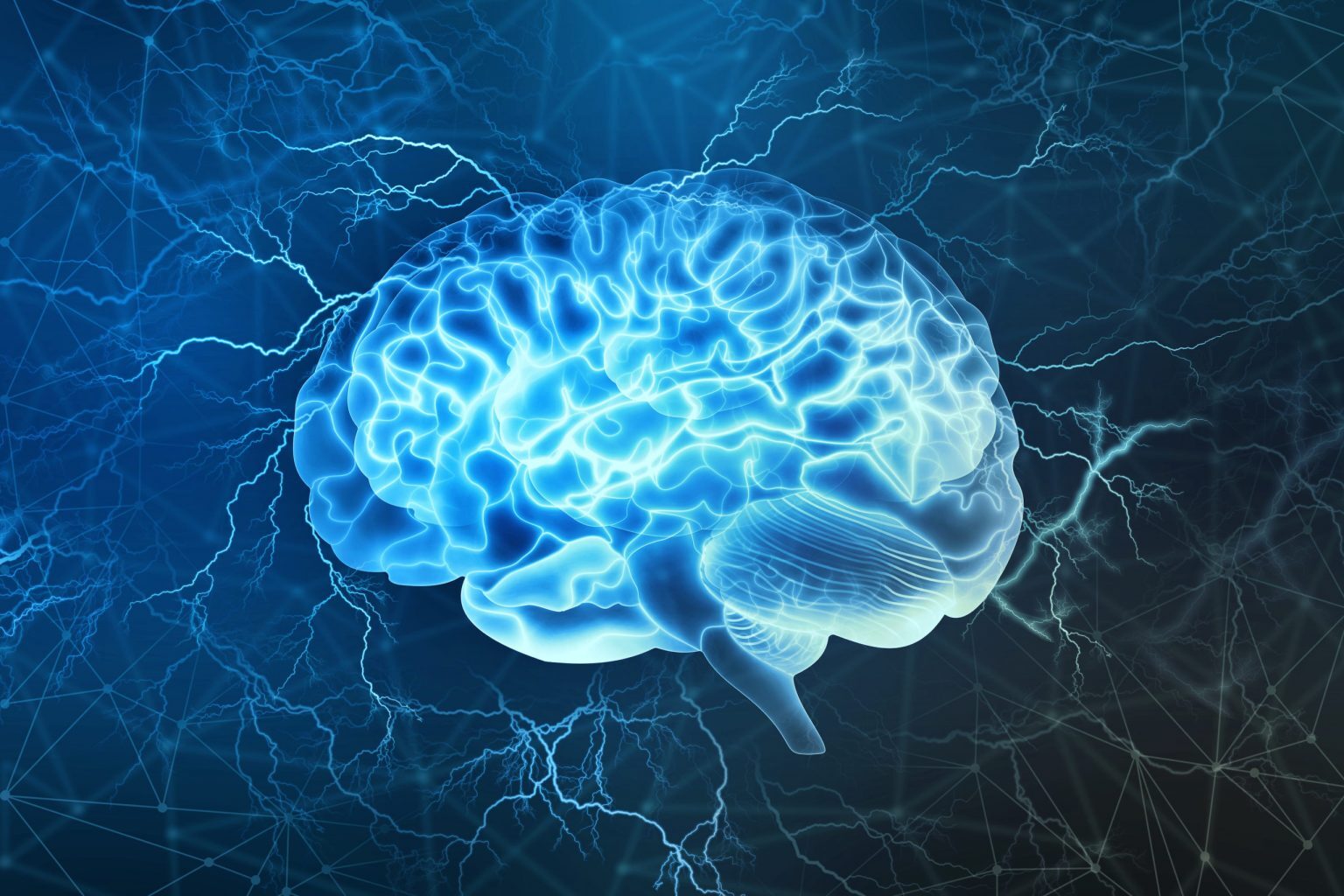
So far, though, attempts to build supercomputer brains have not even come close. A multi-billion-dollar European project that began in 2013 is now largely understood to have failed. That effort has shifted to look more like a similar but less ambitious project in the U.S., developing new software tools for researchers to study brain data, rather than simulating a brain.

Big data hasn’t levelled the playing field. It has simply allowed wealthy organisations and individuals to further entrench their dominance. And regulators can’t keep up. New technologies make it almost impossible to trace the global flow of money World4Brexit may receive to fund its political campaigning

The future of all sports is esports. That may sound like a bold statement but there is growing evidence to support it. Today’s spectators and participants expect to be digitally engaged while they watch. And the most effective way to deliver digital engagement is through “gamification” – the transformation of watching into playing.

Digital platforms, the websites and apps which compete for our precious screen time, have successfully invaded the traditional territory of many sectors of the “old economy”. They have become the preferred – expected, even – domains for many kinds of human behaviour, from banking and property buying, to dating and entertainment.
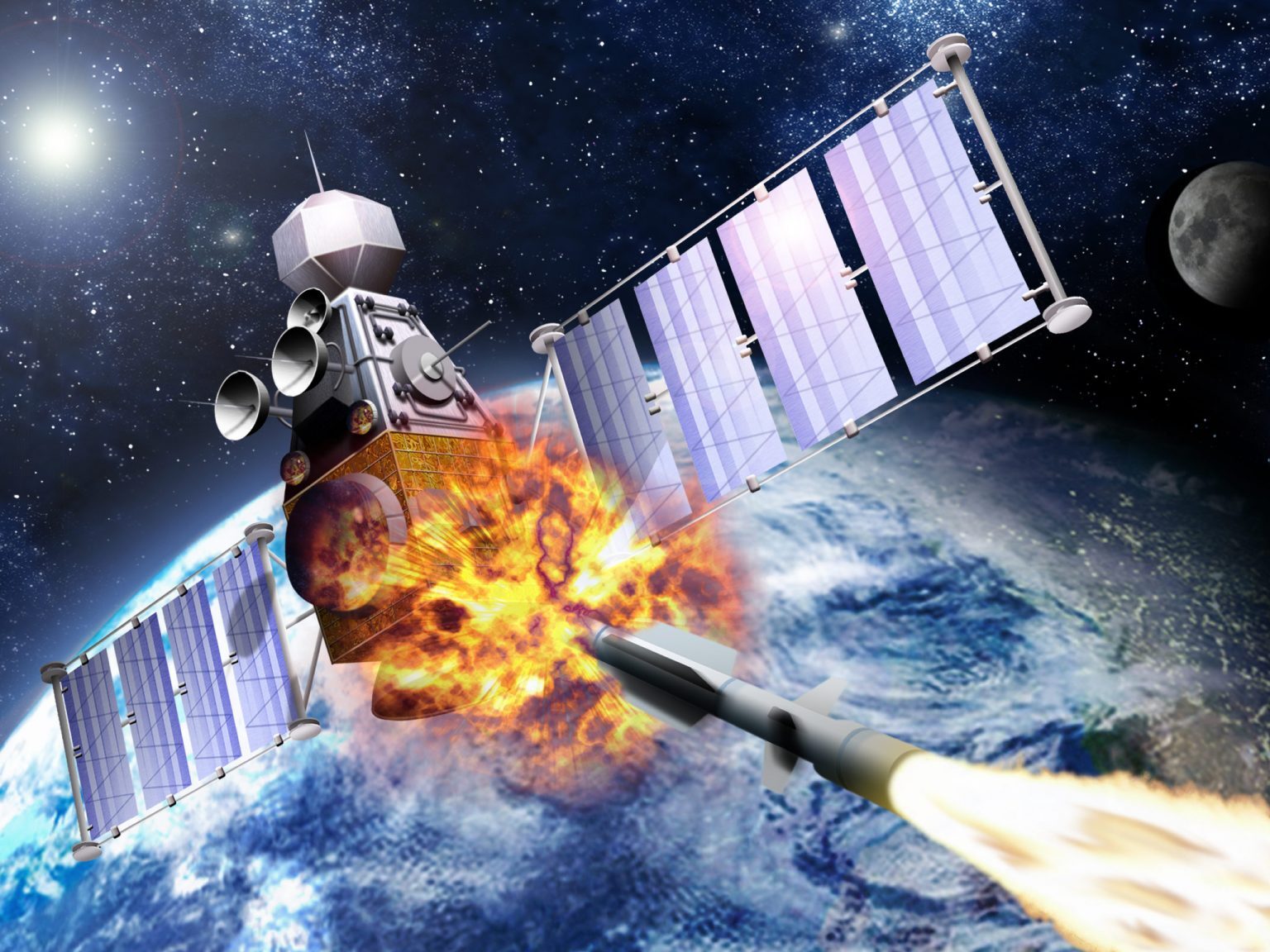
At an upcoming summit in early December, NATO is expected to declare space as a “warfighting domain”, partly in response to new developments in technology. If it does declare space a war zone, NATO could start using space weapons that can destroy satellites or incoming enemy missiles. But what is this technology and how could it enable a war?

While many people love colorful photos of landscapes, flowers or rainbows, some biomedical researchers treasure vivid images on a much smaller scale – as tiny as one-thousandth the width of a human hair. To study the micro world and help advance medical knowledge and treatments, these scientists use fluorescent nano-sized particles. Quantum dots are one type of nanoparticle, more commonly known for their use in TV screens. They’re super tiny crystals that can transport electrons. When UV light hits these semiconducting particles, they can emit light of various colors. One nanometer is one-millionth of a millimeter. RNGS Reuters/Nanosys That fluorescence allows…

Reports of Facebook moderators’ appalling working conditions have been making headlines worldwide. Workers say they are burning out as they moderate vast flows of violent content under pressure, with vague, ever-changing guidelines. They describe unclean, dangerous contractor workplaces. Moderators battle depression, addiction, and even post-traumatic stress disorder from the endless parade of horrors they consume.

Perhaps there isn’t room for another would-be Tesla to challenge the established automotive industry with a novel electric car and leapfrog the challenges of manufacturing.

Data drives our global digital ecosystem, and AI technologies reveal patterns in data. Smartphones, smart homes, and smart cities influence how we live and interact, and AI systems are increasingly involved in recruitment decisions, medical diagnoses, and judicial verdicts. Whether this scenario is utopian or dystopian depends on your perspective.