
The declaration of the novel coronavirus as a pandemic was a call to arms for governments to take urgent and immediate action. However, many feel the response from some countries was too little, too late. Despite this, people took early action to protect themselves, their families and their communities. Some reacted by panic buying and stockpiling goods, revealing how fragile supply chains were (although Brexit previously raised this issue). Communities also mobilised themselves to reach out to vulnerable and isolated people and to help solve their problems, often using social network platforms such as Facebook and WhatsApp to create groups centred around a geographical location to…
Author: The Conversation
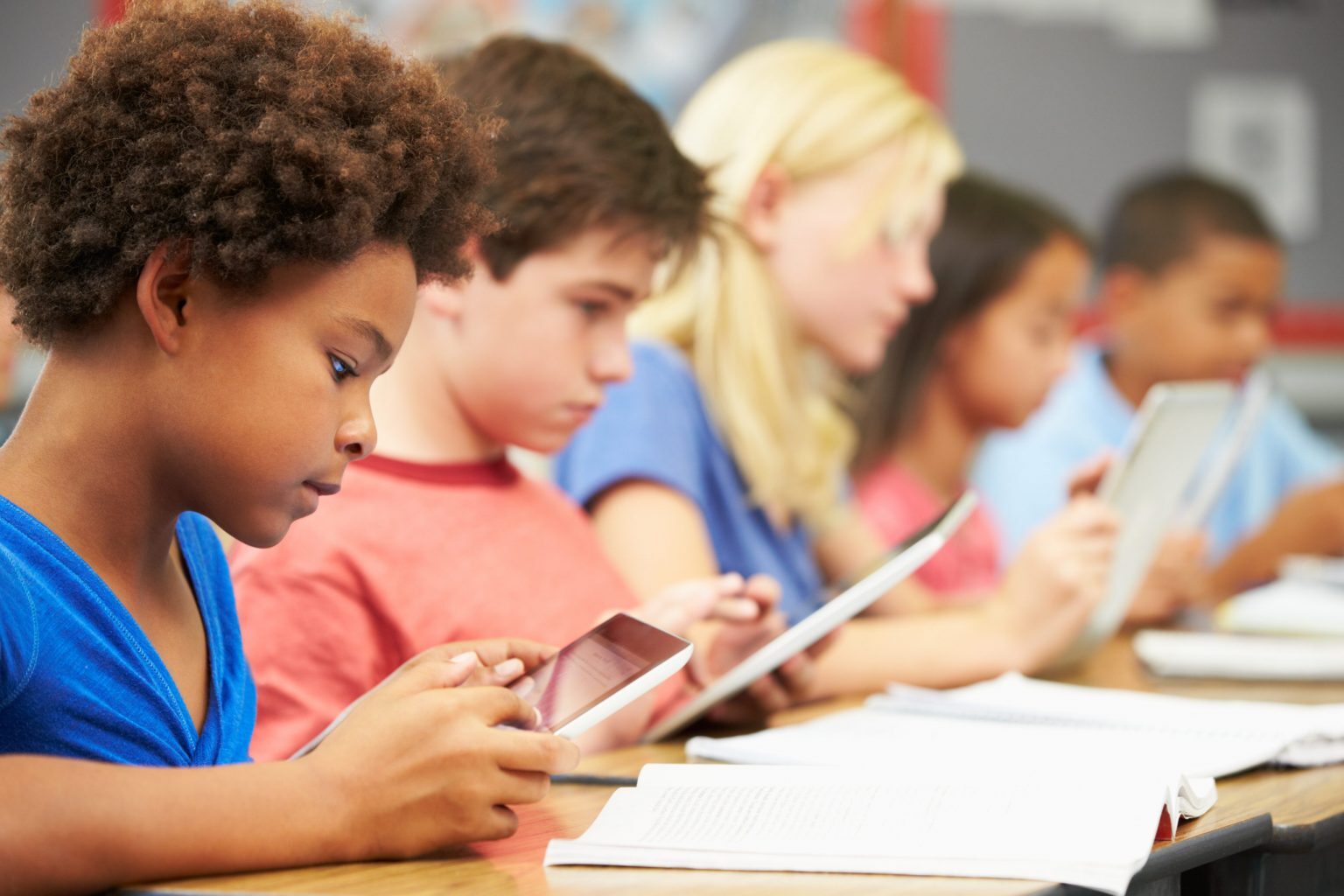
South Africa’s education system is complex, with historical inequalities dating back to apartheid. Most of the country’s pupils come from disadvantaged backgrounds. Language is an issue; most pupils do not speak English as a mother tongue, yet English dominates in many classrooms. And, as the COVID-19 crisis has showed, there’s a huge digital divide at play. The ongoing effects of the virus have kept pupils and teachers at home. This has necessitated a move to e-learning. In theory, this could be an important step towards a fairer education system. Digital platforms enable equitable access for learners to digital books, simulated science labs and related innovative learning resources. Electronic and mobile…
The world is upside down right now due to coronavirus. Although there are early signs of tentative re-openings for trial-and-error life after quarantine, we cannot — and arguably should not — downplay the ongoing challenges and uncertainties for our children. Some have contended that talking to children about the COVID-19 outbreak is an opportunity to build resiliency. Psychologists commonly explain resilience as “how well a person can adapt to events in their lives … when faced with a tragedy, natural disaster, health concern, relationship, work or school problem.” If we want our children and youth to emerge from this world emergency as…
Internet connected devices need power. That either means connecting them to the grid, which limits what we can use them for, or using batteries. So as the Internet of Things grows and more and more internet-enabled devices and sensors are rolled out as is expected, it could produce billions of extra batteries that have to be recycled every year, or else will just be thrown away.
Information technology is enabling people to read, play and communicate – and, now, help the government trace the path of the infection via an app. The elderly and other vulnerable groups are under electronic as well as human care.
Many people in the community are wearing face masks and gloves in an attempt to protect themselves against the coronavirus.
They might put on these items to go to the shops, or perhaps when taking a walk through the neighbourhood.
Many new phrases have entered our vocabulary as a result of the COVID-19 pandemic and lockdown. “Zoom fatigue” refers to the mental exhaustion associated with online video conferencing.
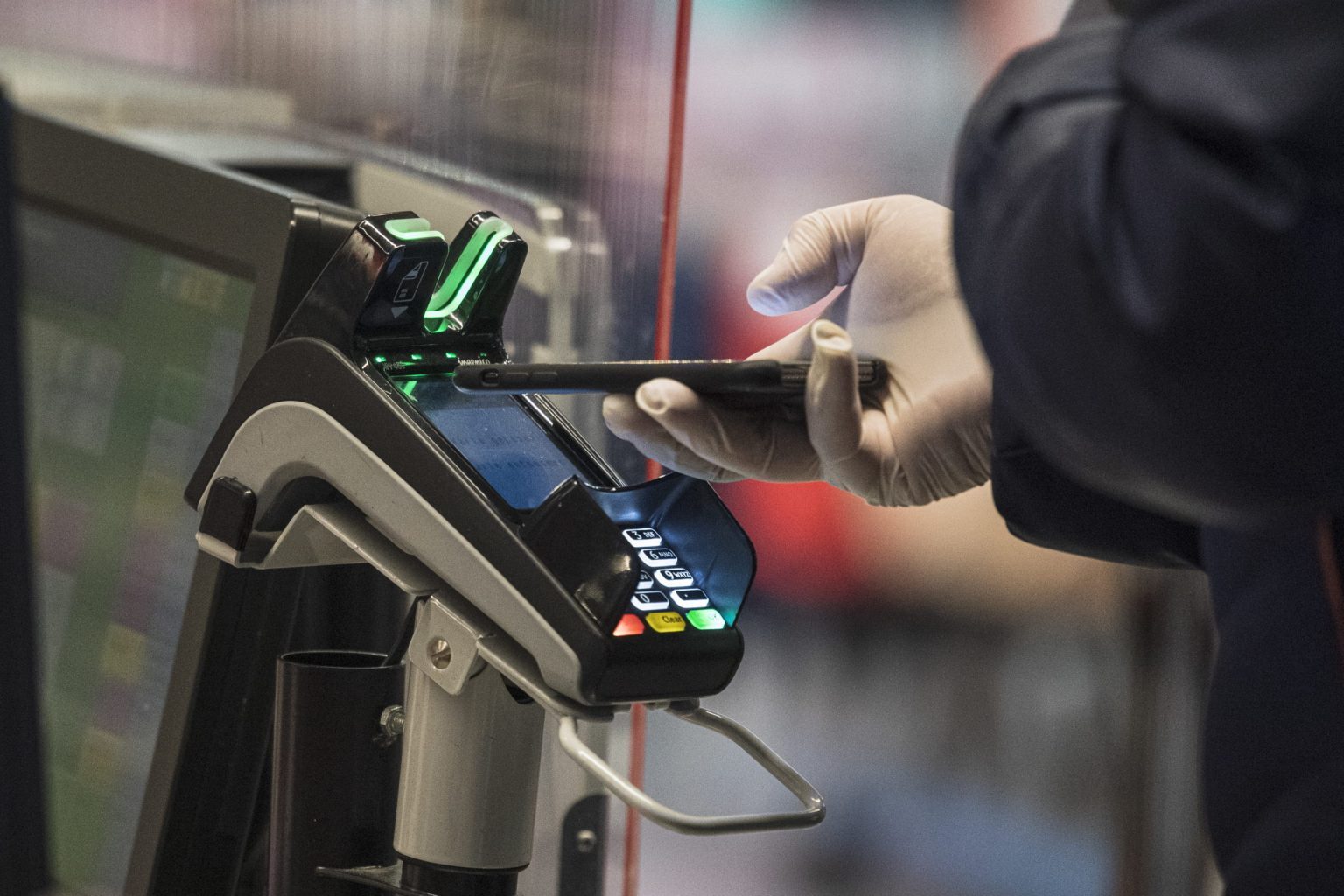
Not so long ago, the concept of a fully automated store seemed something of a curiosity. Now, in the midst of the COVID-19 pandemic, the idea of relying on computers and robotics, and checking out groceries by simply picking them off the shelf doesn’t seem so peculiar after all.
With much of the world in lockdown, our time spent on video calls has risen rapidly. Video conferencing has expanded from being a tool for business meetings to something we use to socialise, worship, and even date on.
We are experiencing the biggest remote work experiment in history – but many are beginning to imagine life after lockdown. Amid unprecedented global job losses, concerns about transport infrastructure and the continuing need for workplace social distancing, governments are launching back-to-work plans.