Author: The Conversation

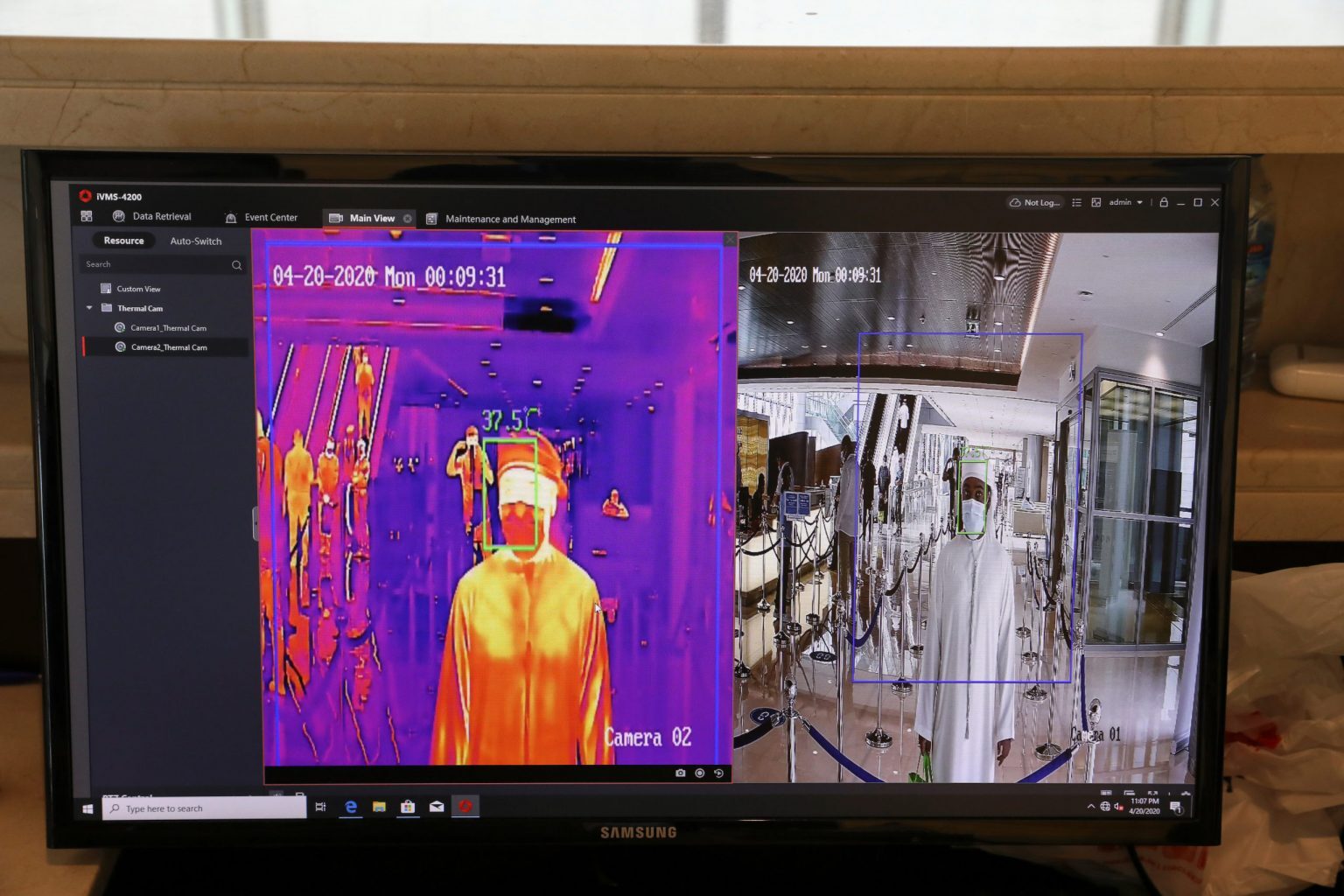
The world is upside down right now due to coronavirus. Although there are early signs of tentative re-openings for trial-and-error life after quarantine, we cannot — and arguably should not — downplay the ongoing challenges and uncertainties for our children. Some have contended that talking to children about the COVID-19 outbreak is an opportunity to build resiliency. Psychologists commonly explain resilience as “how well a person can adapt to events in their lives … when faced with a tragedy, natural disaster, health concern, relationship, work or school problem.” If we want our children and youth to emerge from this world emergency as…

Read More

Internet connected devices need power. That either means connecting them to the grid, which limits what we can use them for, or using batteries. So as the Internet of Things grows and more and more internet-enabled devices and sensors are rolled out as is expected, it could produce billions of extra batteries that have to be recycled every year, or else will just be thrown away.

Read More

Contact tracing has long been used in response to disease outbreaks. It is simply the idea of asking an infected person who they have been in contact with and then notifying the people in question to try and control the spread of the disease. Some countries have been employing this during the current crisis. The World Health Organisation has consistently said that “tracing every contact must be the backbone of the response in every country”.

Read More