Author: The Conversation

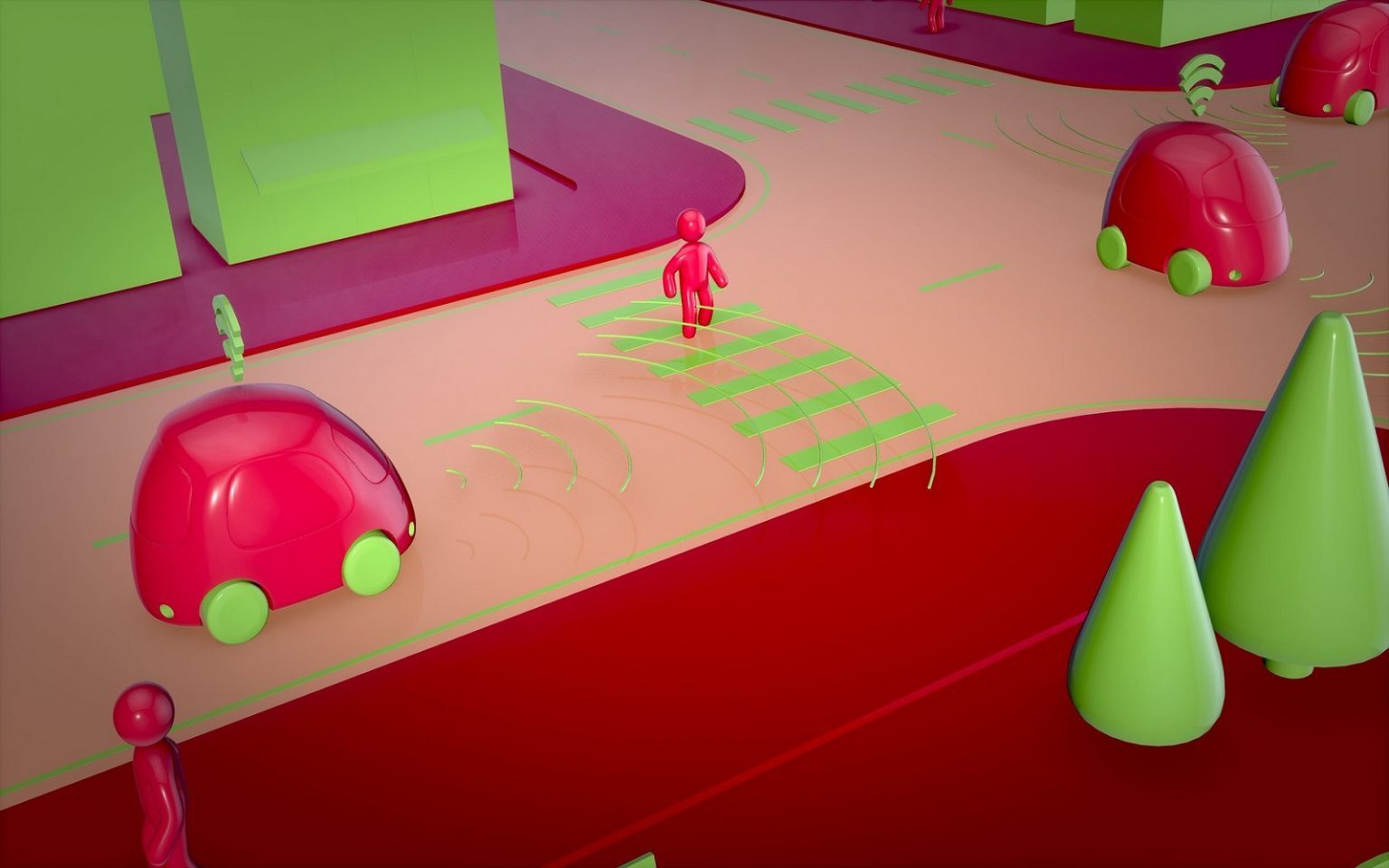
Artificial intelligence (AI) is already making decisions in the fields of business, health care and manufacturing. But AI algorithms generally still get help from people applying checks and making the final call. What would happen if AI systems had to make independent decisions, and ones that could mean life or death for humans? Pop culture has long portrayed our general distrust of AI. In the 2004 sci-fi movie I, Robot, detective Del Spooner (played by Will Smith) is suspicious of robots after being rescued by one from a car crash, while a 12-year-old girl was left to drown. He says: I…

Read More

In recent months the government has proposed cracking down on online anonymity. The idea is that attaching online posts to a person’s real name will reduce abuse and increase accountability. Online bullying and misinformation are growing problems, and government action to address them is overdue. However, limiting anonymity alone won’t make social media less toxic. It will only work combined with broader reforms to platform design and business models, which drive polarisation, negativity, abuse and misinformation. Reforms must also protect free speech and account for power imbalances between citizens and the state. The mooted changes come alongside suggestions of public funding for defamation…

Read More

If there was one impressive thing from Mark Zuckerberg’s 90-minute spiel about Facebook’s rebranding as Meta, it was his misunderstanding of what meta actually means — and how that misunderstanding is symbolic of his profound incapacity for self-reflection. The day after Meta launched — featuring Zuckerberg’s utopian promises about the metaverse — I subjected my first-year English class to a rant about how this moment has been predicted by a library’s worth of science fiction. Neal Stephenson’s 1992 novel Snow Crash even features a virtual environment called … wait for it … the metaverse. To anyone even vaguely familiar with cyberpunk science fiction, what was comically tone-deaf about Zuckerberg’s…

Read More

Yesterday, Prime Minister Scott Morrison and Attorney-General Michaelia Cash announced proposed new legislation aimed at making online “trolls” accountable for their actions. Over the past few weeks, we’ve heard Morrison decry trolls as “cowardly” and “un-Australian”, language that made it into the talking points at yesterday’s media conference. But is his new-found concern about trolling all it’s cracked up to be? The proposed new legislation would give courts the power to force social media companies to pass on to people the details of their trolls, so they can pursue defamation action against them. This decision is largely a reaction to the High…

Read More

Billions of solar panels globally will soon come to the end of their lives, but when they get thrown away essential materials that are needed to make future panels are being wasted. It is estimated that there will be 78 million tonnes of total waste by 2050. This is roughly 4 billion panels. But these panels have not been designed so that we can easily extract the elements within them again to use again, so it is likely that the majority of the panels will just be shredded in recycling. This contaminates materials, making them difficult to recover. Globally, there is a desperate…

Read More

On Nov. 15, 2021, Russia destroyed one of its own old satellites using a missile launched from the surface of the Earth, creating a massive debris cloud that threatens many space assets, including astronauts onboard the International Space Station. This happened only two weeks after the United Nations General Assembly First Committee formally recognized the vital role that space and space assets play in international efforts to better the human experience – and the risks military activities in space pose to those goals. The U.N. First Committee deals with disarmament, global challenges and threats to peace that affect the international community. On Nov. 1,…

Read More

In December last year, the media reported an intriguing signal we at the Breakthrough Listen project found in our radio telescope data. Dubbed BLC1, the signal didn’t appear to be the result of any recognisable astrophysical activity or any familiar Earth-based interference. The trouble was, we weren’t ready to discuss it. When you’re searching for signs of extraterrestrial life, you want to be very careful about getting it right before you make any announcements. Last year we had only just started secondary verification tests, and there were too many unanswered questions. Read more: We asked astronomers: are we alone in the Universe? The answer was…

Read More

Between music, podcasts, gaming and the unlimited supply of online content, most people spend hours a week wearing headphones. Perhaps you are considering a new pair for the holidays, but with so many options on the market, it can be hard to know what to choose. I am a professional musician and a professor of music technology who studies acoustics. My work investigates the intersection between the scientific, artistic and subjective human elements of sound. Choosing the right headphones involves considering all three of those aspects, so what makes for a truly good pair? Sound is simply a series of low pressure and high pressure…

Read More

Fall 2021 has been filled with a steady stream of media coverage arguing that Meta’s Facebook, WhatsApp and Instagram social media platforms pose a threat to users’ mental health and well-being, radicalize, polarize users and spread misinformation. Are these technologies – embraced by billions – killing people and eroding democracy? Or is this just another moral panic? According to Meta’s PR team and a handful of contrarian academics and journalists, there is evidence that social media does not cause harm and the overall picture is unclear. They cite apparently conflicting studies, imperfect access to data and the difficulty of establishing causality to support this position. Some of these researchers have surveyed social media…

Read More

Artificial intelligence (AI) was once the stuff of science fiction. But it’s becoming widespread. It is used in mobile phone technology and motor vehicles. It powers tools for agriculture and healthcare. But concerns have emerged about the accountability of AI and related technologies like machine learning. In December 2020 a computer scientist, Timnit Gebru, was fired from Google’s Ethical AI team. She had previously raised the alarm about the social effects of bias in AI technologies. For instance, in a 2018 paper Gebru and another researcher, Joy Buolamwini, had showed how facial recognition software was less accurate in identifying women and people of colour than white men. Biases in training…

Read More