

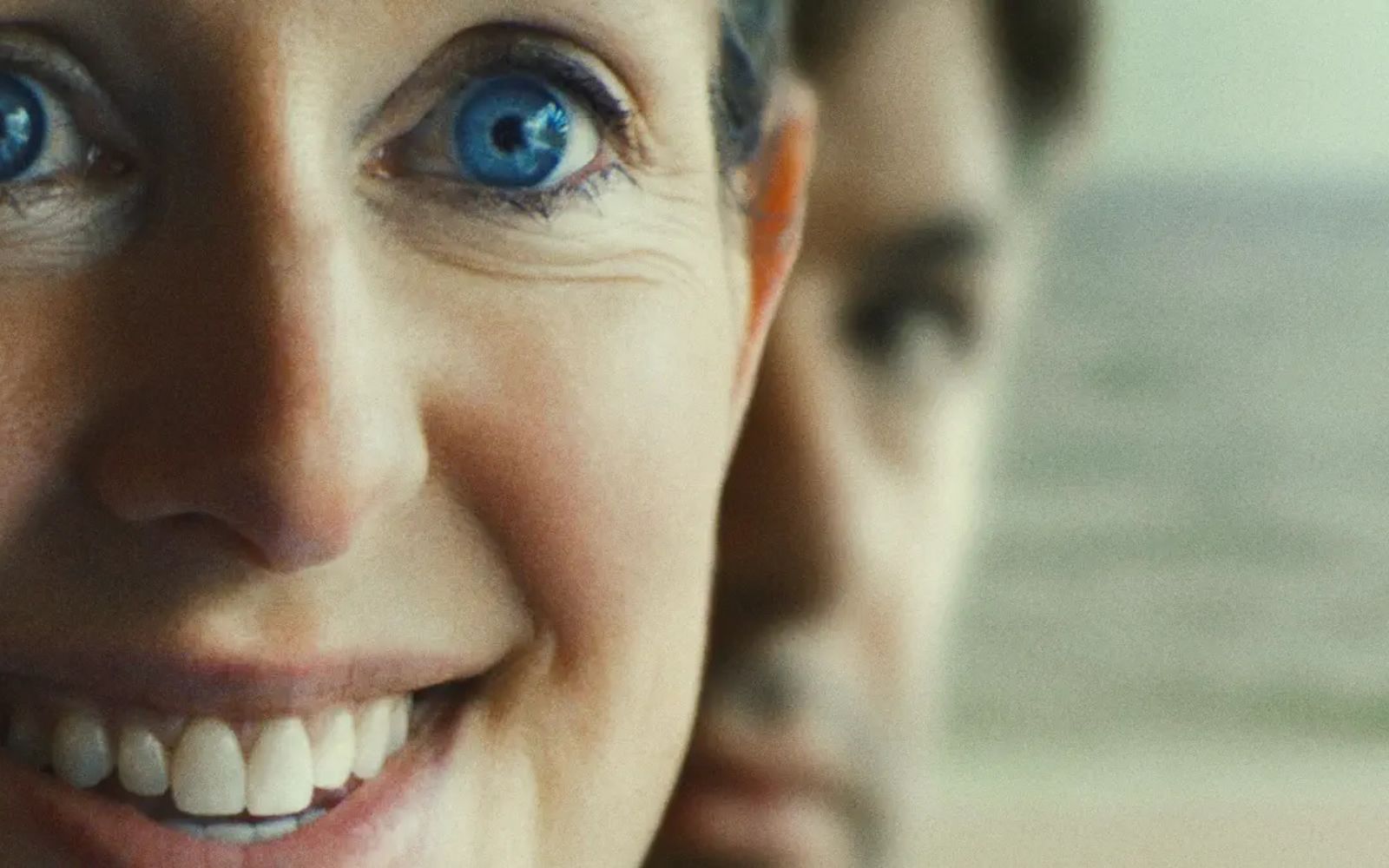
Can a documentary win Best Picture in a year where Chris Nolan’s The Odyssey exists? If any of ’em were to have a shot, it would be You Can See Everything — a truly mind-bending deep-dive into the woman behind Theranos, the medical tech startup that defrauded investors of millions of dollars, claiming to have revolutionised the industry.
What made Elizabeth Holmes not only willing to break her nearly seven years of media silence after the scandal — with Nathan Fielder and Lance Oppenheim of all people — we’re still not sure. Watch the movie, and you’ll detect a level of narcissism hitherto undreamt of that might answer the question. She has convinced herself she did nothing wrong.
Silence is golden, unless you’re Elizabeth Holmes
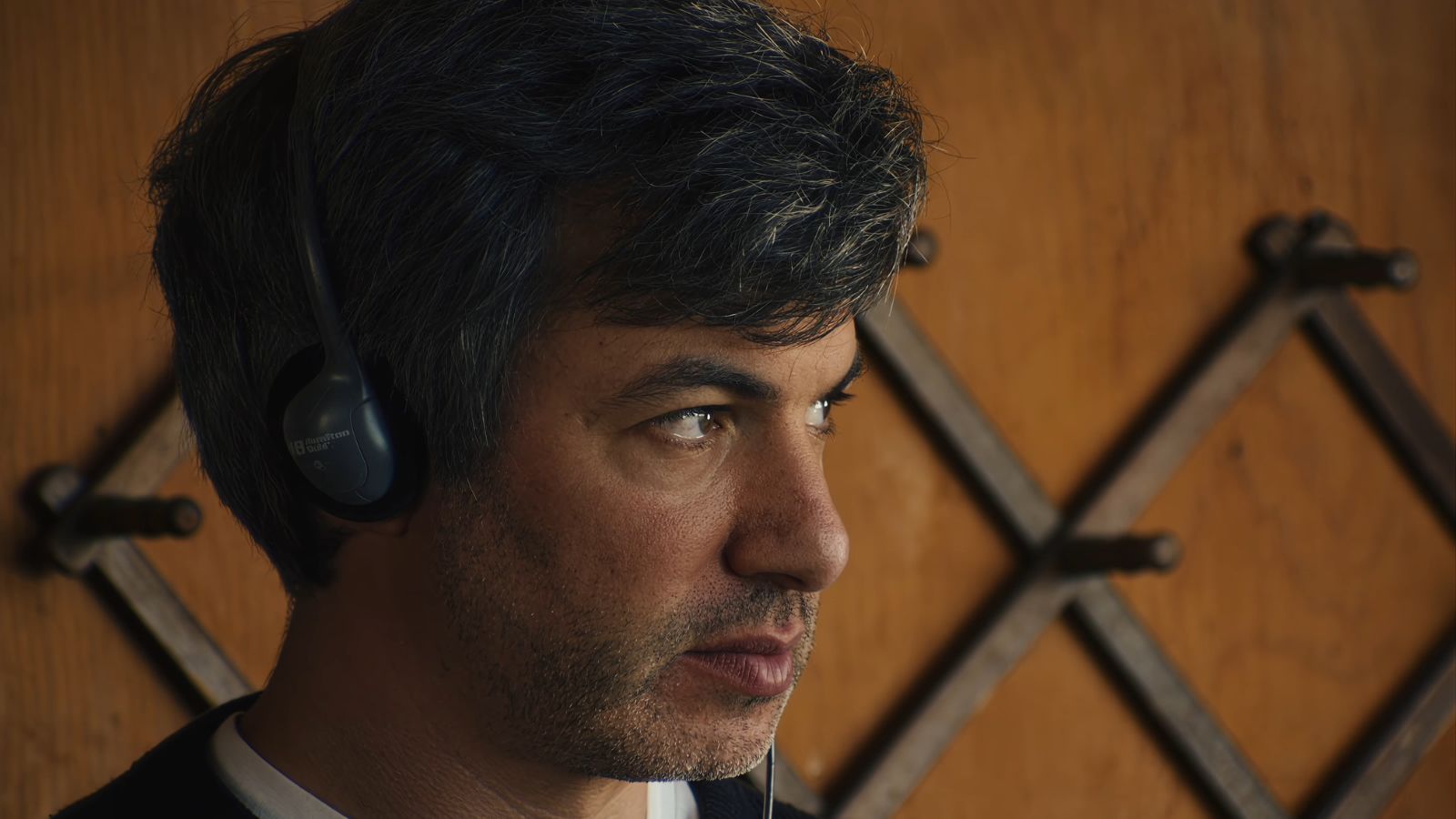
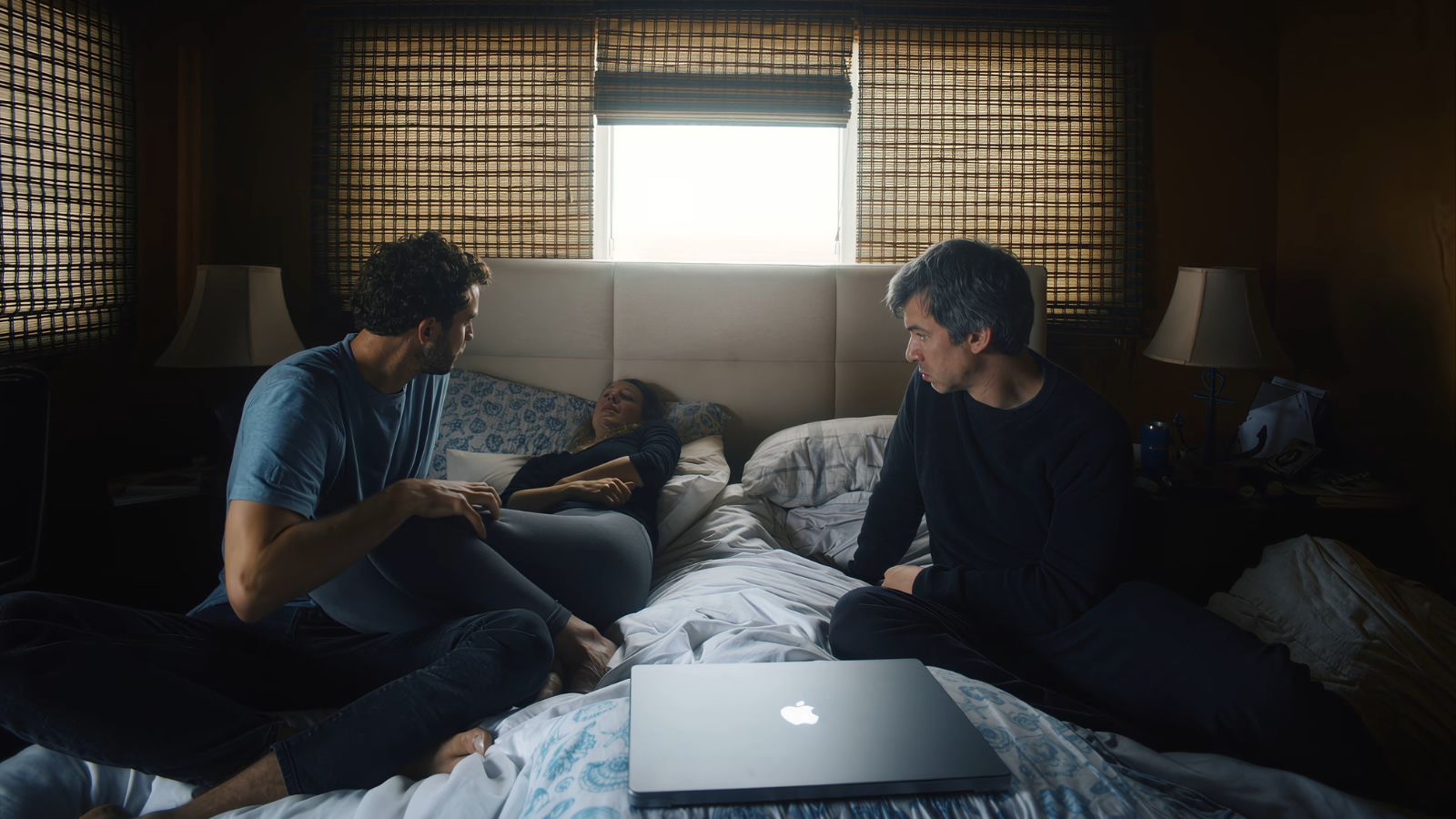
But, as the movie promises, you can see everything. Nathan Fielder, having heard whispers that Holmes was talking about doing a project like this, immediately tossed his hat into the ring. When shooting began, it promised to document the home life of Elizabeth Holmes and her husband Billy, 34 days before her prison sentence began.
You Can See Everything assumes you know at least a bit about the whole Elizabeth Holmes/Theranos debacle. Even a surface-level understanding will see you through to the other side of this three-hour-long documentary that walks a fine line between psychological thriller and journalistic deep-dive into the people behind Theranos.
Okay, maybe we’re leaning a little too heavily on the psychological thriller line. This is still a documentary first and foremost, helmed by Lance Oppenheim, a veteran in the industry, and Nathan Fielder, whose work you might already know. Not in the world of journalism, but of comedy — though The Rehearsal’s second season gets close.
Holmes sweet Holmes?
Even so, there are far more qualified to dissect the science behind Theranos’ failings — something Fielder admits to feeling insecure about. How can he properly document one of the world’s most manipulative liars and her company that is, in a roundabout way, the subject of this documentary? Fielder makes a conscious decision not to litigate the technology that does not work, but rather the family dynamics of the CEO bound for prison.
As such, You Can See Everything doesn’t really set out to prove… anything. Nothing concrete, anyway. Fielder negotiated a kill-switch to relieve the pressure of manufacturing drama to put on film. If there was nothing worthy to put out, it’d still be in the vault. As such, You Can See Everything is allowed to breathe. A decision that pays off.
That doesn’t mean Fielder is about to leave any stones unturned. Even with his limited knowledge of the science, he does address the Theranos machine, which claimed to cover comprehensive blood tests with only a single drop of blood. The machine and its claimed abilities from Holmes were, as Fielder points out, “the whole thing” that got her caught. Fielder spends more time deciphering the psyche of both Holmes and her husband Billy.
About halfway through, You Can See Everything undergoes quite the change of pace. We went in nearly completely blind, and found that we had a better experience because of it, so we’ll preserve that feeling here. New limitations are introduced that somewhat impede filming, but Fielder still pulls off a satisfying ending flawlessly. If you’re a big fan of The Rehearsal, then you’ve got absolutely nothing to worry about. Okay, our lips are sealed.
Just when you think you’ve seen everything
You Can See Everything isn’t your typical documentary. Every single orifice is oozing style and substance, most notable when it comes down to production. When your jaw isn’t agape because Holmes is (sometimes successfully) tugging on your heartstrings, there’s always something pretty to look at and listen to.
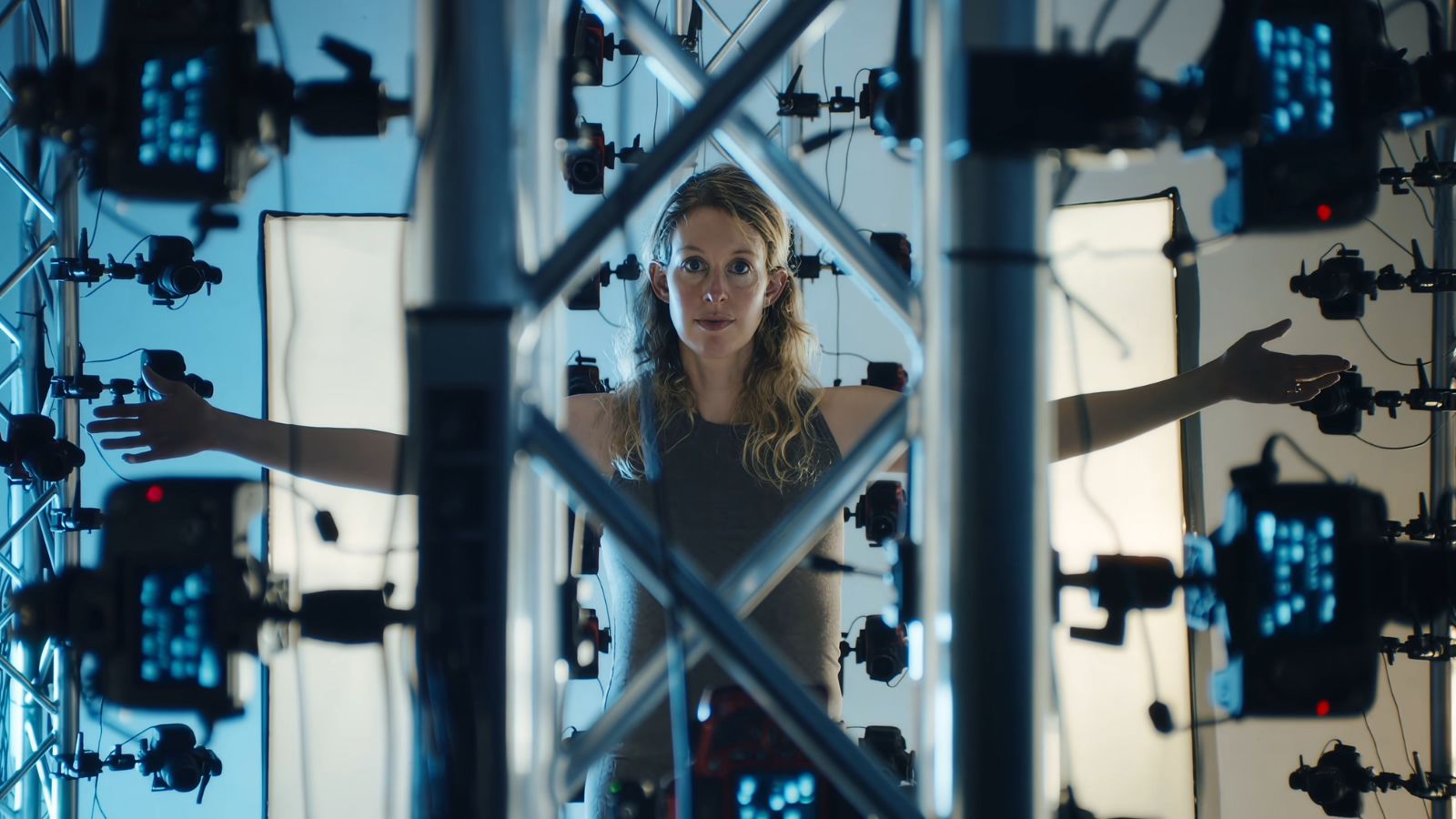
Fielder and Oppenheim managed to achieve a whole lot with very little to work with. A bare-bones camera and sound crew are always present to try and preserve the family nature that the doc is going for. That means that truly capturing everything can be difficult. The resultant film is proof that anything is possible if you’ve got the creative chops. Fielder said that they employed a three-camera setup that allowed the editors to really do their thing.
Their thing can, at times, be a little disconcerting. One really wide camera designed to capture everything in a room, and two free-moving cameras to handle zooms, allow almost nothing to slip past Fielder’s crew. Nothing is lost in translation, and arguably allowed the team to make the best possible product, given the circumstances.
Making something out of almost nothing
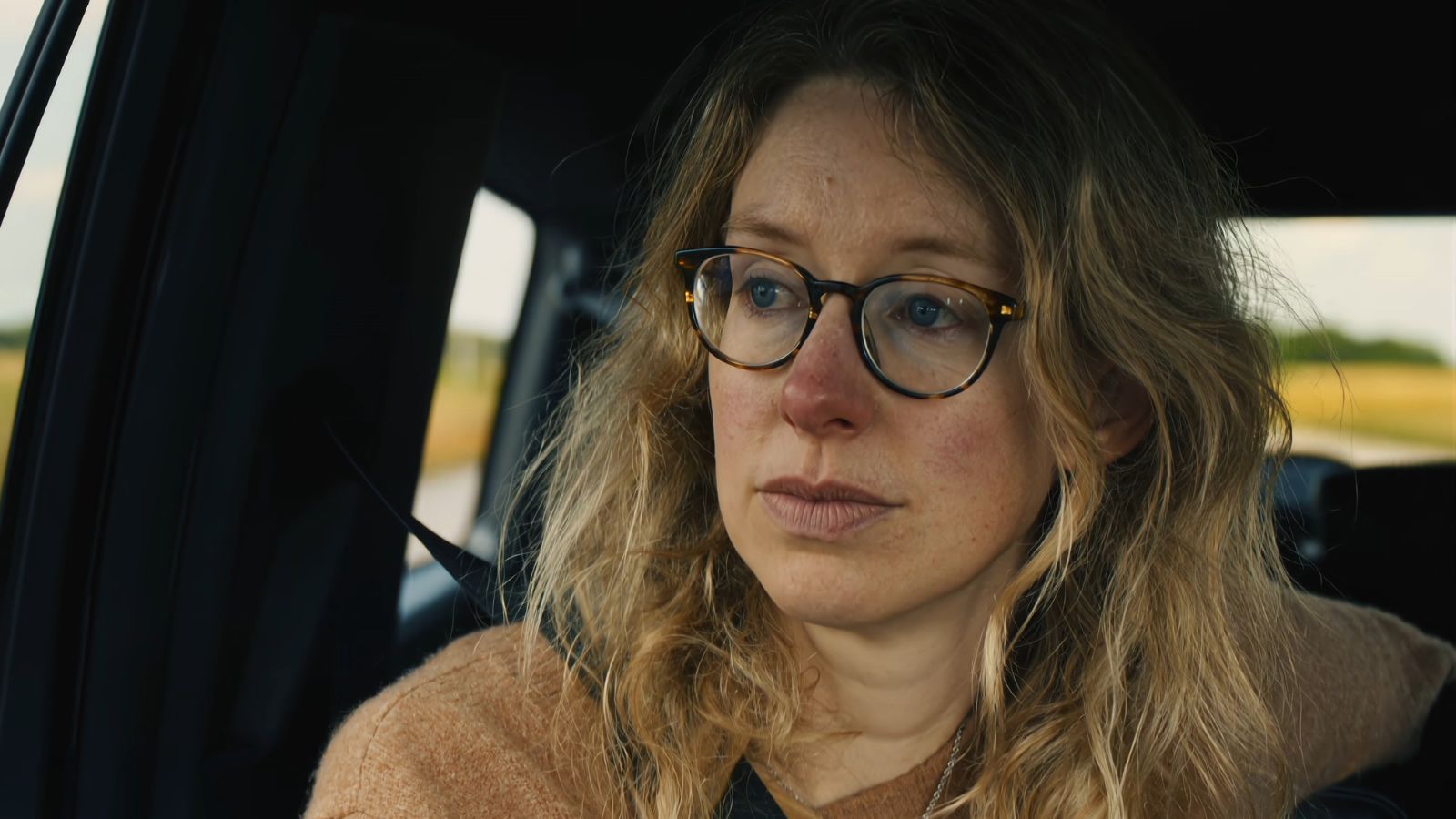
Perhaps the most impressive feat in You Can See Everything is just how close Fielder gets to the characters, both emotionally and at times, physically. The camera work feels almost claustrophobic at times as we, the audience, watch Holmes and her husband navigate the verbal landmines that Fielder has so carefully placed around.
“As long as there was a light, we could make it work,” Fielder said in an interview with Variety. “If we were live and then something interesting started happening, [Bolen] could pick up the camera and tripod, move to a new spot, re-lock the head in 10 seconds. It looks amazing, and it’s a testament to the team who put this together. It was down to this whole dance we had, and it was just amazing and one of the best experiences I think we’ve had making something because of that exploratory freedom and being able to let our curiosity drive us.”
Just as worthy of note is the haunting score. Everything you’re watching is real, and the score accurately represents the horrors that come with it. It’s here where You Can See Everything feels most like a scripted TV show attempting to instil a sense of fear. The score never relents, and gets that point across.
You Can See Everything verdict
Since You Can See Everything launched locally in theatres, we’ve been to see it twice. It’s not been out a week. If that isn’t enough of a recommendation, then perhaps our words will do the trick. You Can See Everything isn’t a traditional documentary, in the sense that it hardly changes the status quo for those involved. It leaves you with more than enough breadcrumbs, but it’s up to you to piece them together into the loaf.
You Can See Everything is currently available in theatres and is now available to rent digitally.