
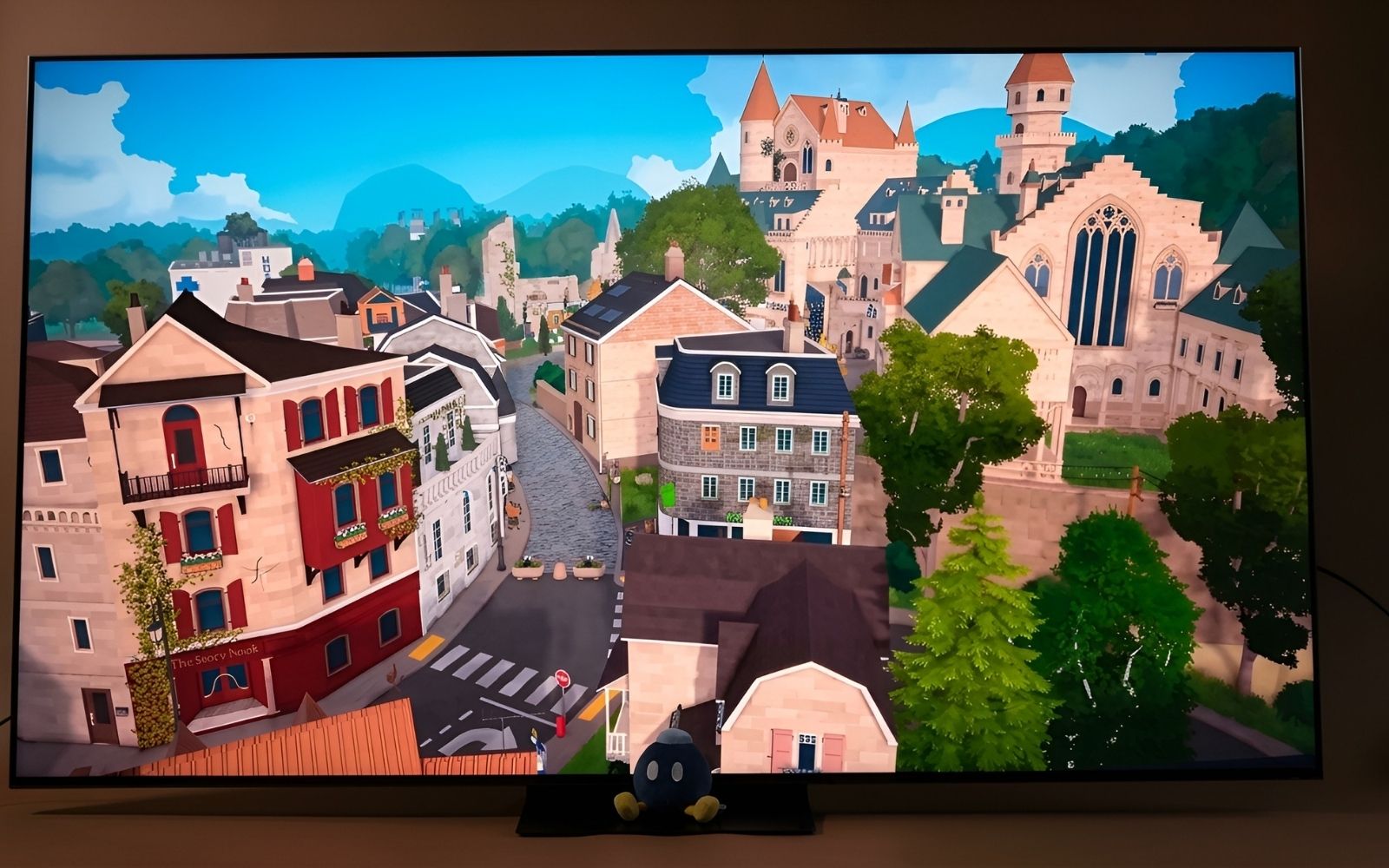
It's not the best TV available, but the C7L from TCL isn't trying to be. It's a mid-range TV with premium ambitions. In some areas, like motion handling, those ambitions miss the mark. But after spending some time pixel peeping, and then just watching TV, we left the C7L with a positive impression. Critical viewers might feel some buyer's remorse, but the casual movie fan is getting a bargain.
-
Design
-
Performance
-
Features
-
Value
The TCL C7L is the Chinese company’s latest mid-range TV for 2026. It replaces the C7K and sits below the C8L in TCL’s locally available Mini LED TV range – no C6L in South Africa this year, it seems.
The C7L also serves as the entry to TCL’s new SQD-MiniLED technology – essentially the same as the QD-Mini LED tech it’s used before, except now it’s got ‘super’ in front of it. That’s not just for show; the ‘super’ does actually mean something, but we’ll get to that.
Although TCL offers the C7L in six sizes elsewhere in the world, South Africans only get three choices – 75in, 85in, and 98in. We had the 85in model in for review, and at R30,000, there’s a lot to appreciate from this mid-range TV. It’s not going to be the TV we recommend for absolutely everyone, but it’s a solid option for most casual TV watchers.
Looks like a TV
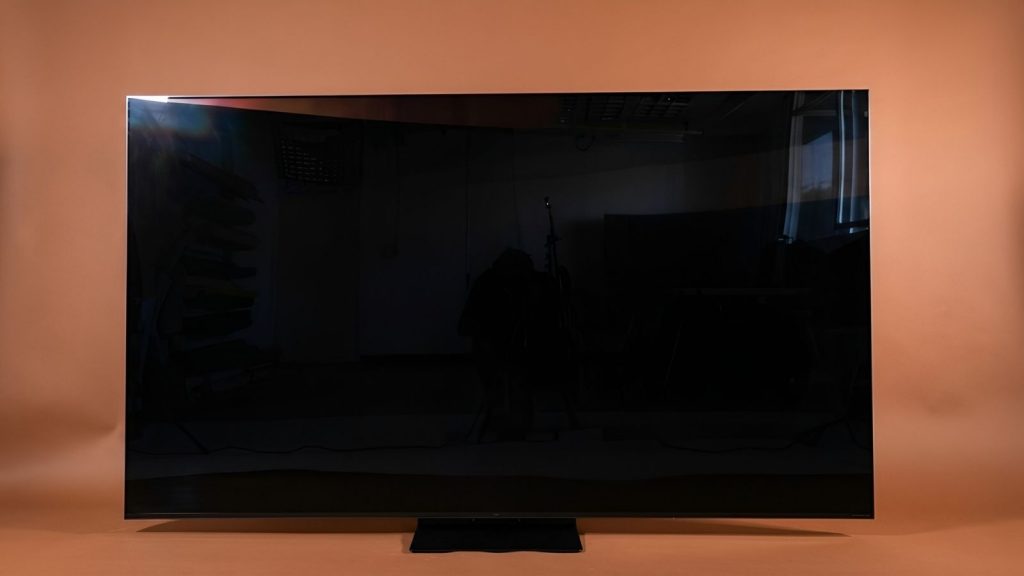
There are only so many ways to design a TV. This one doesn’t break any boundaries on that front. As is the case for most TVs, we appreciated the solid centre-mounted stand over separate legs on either side. A single stand is often easier to attach, and separate legs might translate to more stability in some cases. But that depends on how you’re setting it up. Wall-mounting means no wobble at all… unless your walls wobble. But then you have bigger problems.
Around the back, you’ll find two speaker ports, with a claim that Bang & Olufsen had a hand in the audio. Frankly, the passable audio is not a good look for B&O. If this is your first encounter with the Danish brand, we don’t think it’s a true reflection of B&O’s audio chops. With this TV, you’d be better off with an inexpensive soundbar and sub if a proper 5.1-channel system is out of reach.
TCL has almost all of the I/O on the right (if you’re facing the front). The removable power plug is on the left. Of those I/O ports, you’ll find the usual suspects, including two HDMI 2.1 ports. One of those has eARC capabilities, which you’ll need if you want to get the full Dolby Atmos experience.
Is it really that super?
SQD-MiniLED, or Super Quantum Dot-MiniLED, refers to layers in this TV’s LCD stack. We’ve already covered this new display technology and how it stacks up against other display technologies. But the short of it is, by reducing the size of the quantum dots, TCL claims the C7L can cover more of the BT.2020 colour gamut, offer a higher peak brightness, and a slightly better contrast ratio.
Read More: What is TCL’s new SQD-MiniLED technology anyway?
Do the super quantum dots make a measurable difference to picture quality? Yes. Are you likely to notice these things while watching sport or The Secret Lives of Mormon Wives? Probably not, unless you’re looking for them and have an older TCL to compare against. Does that mean you’ll have a horrible time? Of course not. SQD-MiniLED isn’t quite the ‘pinnacle of display technology’ that TCL’s marketing department claims, but it’s certainly better than all regular LED TVs.
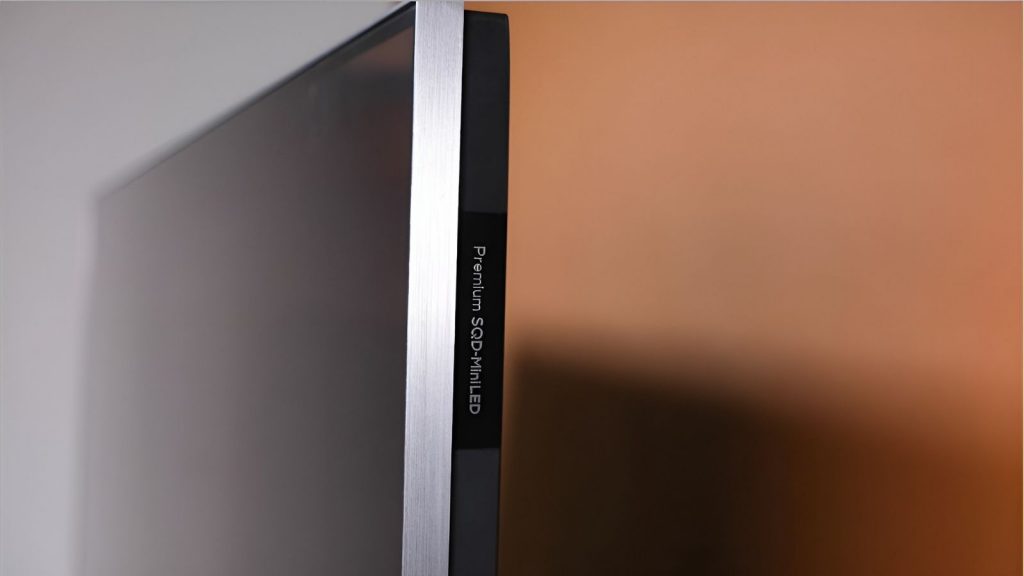
Putting the marketing jargon aside, the C7L displays great native contrast for an LED TV thanks to the 1,624 local dimming zones in the 85in model. The number of zones changes with the size of the TV, but we expect consistent performance across all models in this regard.
There’s still some haloing around bright objects in dark scenes – if you’re a fan of reading your movies with subtitles, you might notice this more – but for the most part, the C7L is able to put all those dimming zones to good use.
An excuse to wear sunnies indoors
The C7L is plenty bright enough, meaning it will do well in a bright sitting room with no curtains, or in a dedicated home theatre room. TCL claims a peak brightness of 3,000 nits, but you’ll seldom reach that while viewing real-world full-screen content. Not that it will matter. In fact, you might find yourself needing to lower the brightness in some cases. If only the C7L’s remote had the dedicated brightness rocker of the C8L. We’d also love it if the remote was backlit, but hey, TCL has to save some features for the pricier models.
A quick word of caution regarding the dynamic tone mapping feature. It will increase the brightness of the whole image but sacrifices accuracy. We suggest leaving it off. While you’re in the settings, you should also look for the energy-saving brightness setting and turn it off. If you see a green leaf next to the brightness slider, it’s still on.
You’re also leaving accuracy on the table if you keep the C7L in its standard picture mode. Out of the box, the standard preset on our model displayed a much cooler colour temperature than we’d have liked. Thankfully, switching to filmmaker mode fixed most of the issues right away and was the preset we used in most of our testing.
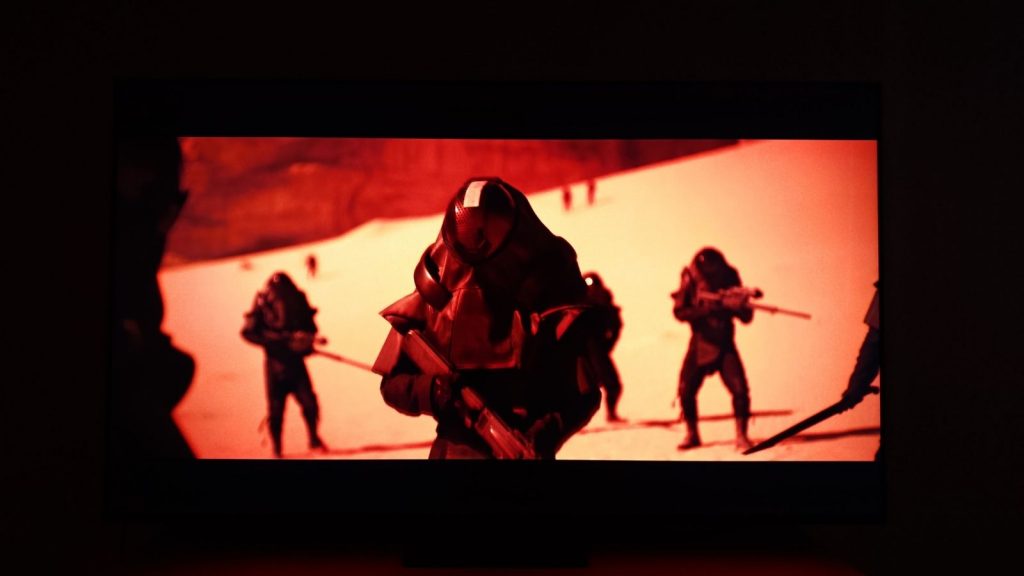
There are some caveats, however. Whether it’s that the C7L uses the HVA 2.0 Pro panel instead of the superior WHVA 2.0 Ultra panel, or something to do with the processor, we were not impressed by the viewing angles. Watching Dune 2 head-on showed off Greig Fraser’s fantastic cinematography. Taking a few steps to either side made the same scenes look washed out and flat. The off-angles also displayed more haloing than we noted from head-on.
If you’re buying this TV to enjoy alone or with one or two friends and you’re all sitting close to centre, you should all have the same great experience. When you start to add more people who will likely need to occupy the fringe seats, they are likely to have a different viewing experience. That’s not really a deal breaker, but something to keep in mind if you’re usually the host of movie night.
Another area where the C7L drops the ball is with fast motion due to sluggish pixel response times. Unfortunately, a TV needs more than a fast 144Hz refresh rate with AMD FreeSync or VRR (variable refresh rate) support to deliver good motion handling. This is most notable while playing a fast-paced first-person shooter, or watching any sport with a lot of fast-moving players or cars (we tried F1, rugby, and football). This is not a consistent problem across all content types, and some folks might not even mind that much.
If you don’t mind sacrificing image quality and can stomach the soap opera effect, tweaking the motion clarity settings can help. But serious gamers aren’t going to want to do that, as that almost always leads to significantly more input lag. For this reason, the C7L misses out on a lounge gaming recommendation.
Fitting into your home
While its motion handling isn’t great, the TCL C7L is much easier to live with thanks to its Google TV OS. It’s one of the better TV operating systems in terms of compatibility – you’re likely to find every platform you stream from, and a few you’ve never heard of. It supports separate profiles for different family members, so you don’t have to worry about anyone messing up your settings or home screen layout. And yes, while there are annoying ads, you can ignore them for the most part, or circumvent them if you know how.
TCL 85in C7L verdict
The TCL C7L might not score high on objective scorecards, but we reckon the average viewer will be okay with the decent picture quality if it means they can get an 85in TV for R30k. They might even be okay with the sub-par motion handling if they don’t plan on gaming. Google TV makes everything you’re likely to reach for a few button presses away. Sure, there are ads. Yes, they can be annoying. But it was only a few years ago that a TV this size would’ve cost you double. Is that a trade-off you’re willing to make? Before you answer, we’d challenge you to find a TV that doesn’t display ads on its home screen in 2026.