
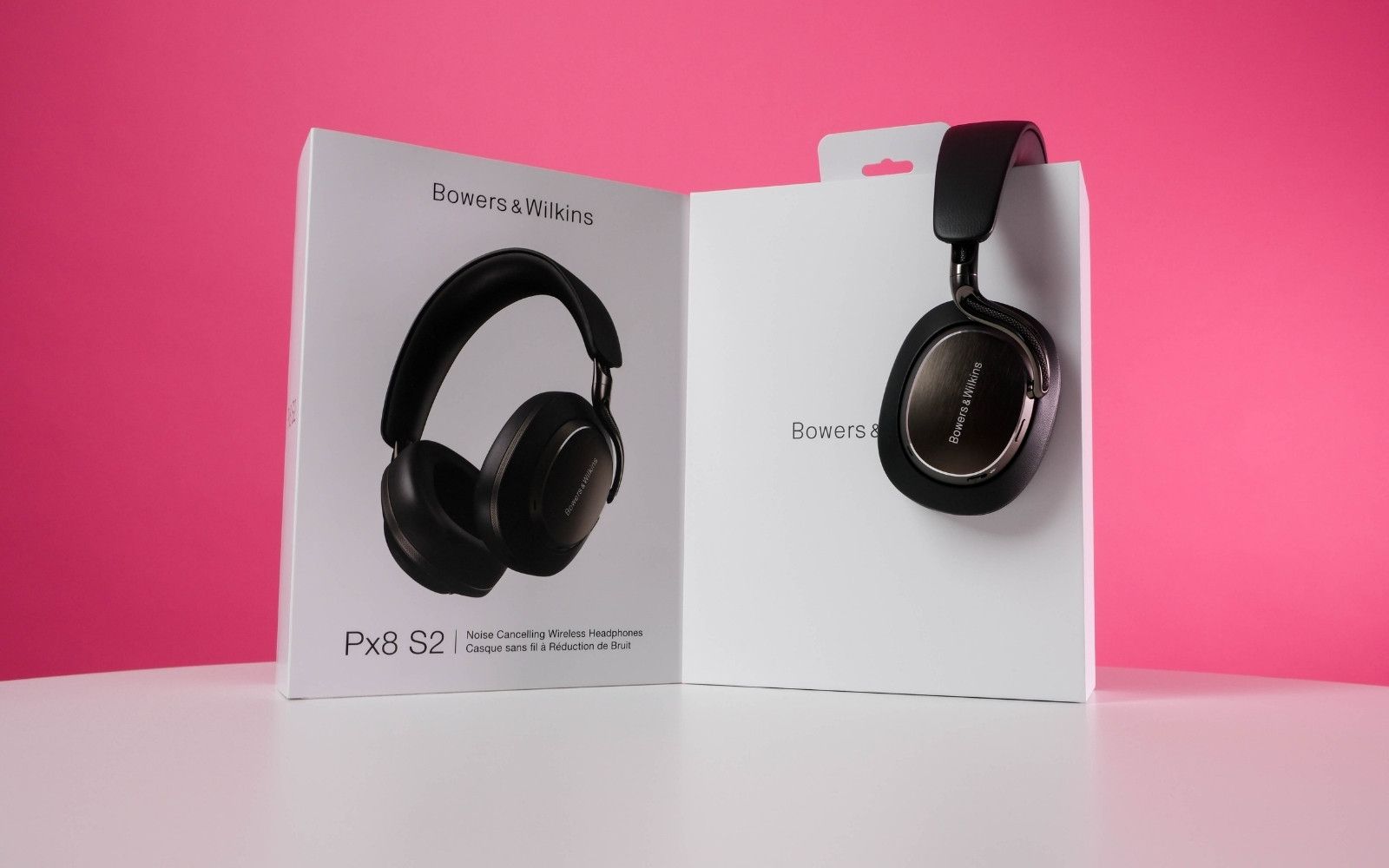
We were already impressed with the B&W Px7 S3, to the point that we couldn't see how B&W could justify charging as much as it does for the flagship Px8 S2. After spending time with them, the difference between the two is clear, and goes most of the way in justifying their premium price. Their quality design might take them the rest of the way, but that will depend on you and your wallet.
-
Design
-
Sound
-
Battery
-
Features
-
Value
There was never any doubt that Bowers & Wilkins’ new flagship Px8 S2 headphones would deliver as “[t]he best headphone Bowers & Wilkins has ever made.” The company proved as much with the recent refresh of the fantastic Px7 S3. The big question was whether the new cans would do enough to warrant the increase over their cheaper sibling.
After reviewing the Px7 S3 earlier this year, we weren’t sure B&W could carve out a place for the more expensive Px8 S2. At R14,000, the Px8 S2 is nearly double the price of the Px7 S3. So are they nearly double as comfortable? Sound nearly double as good? If only it were that easy.
Wearing its Sunday best
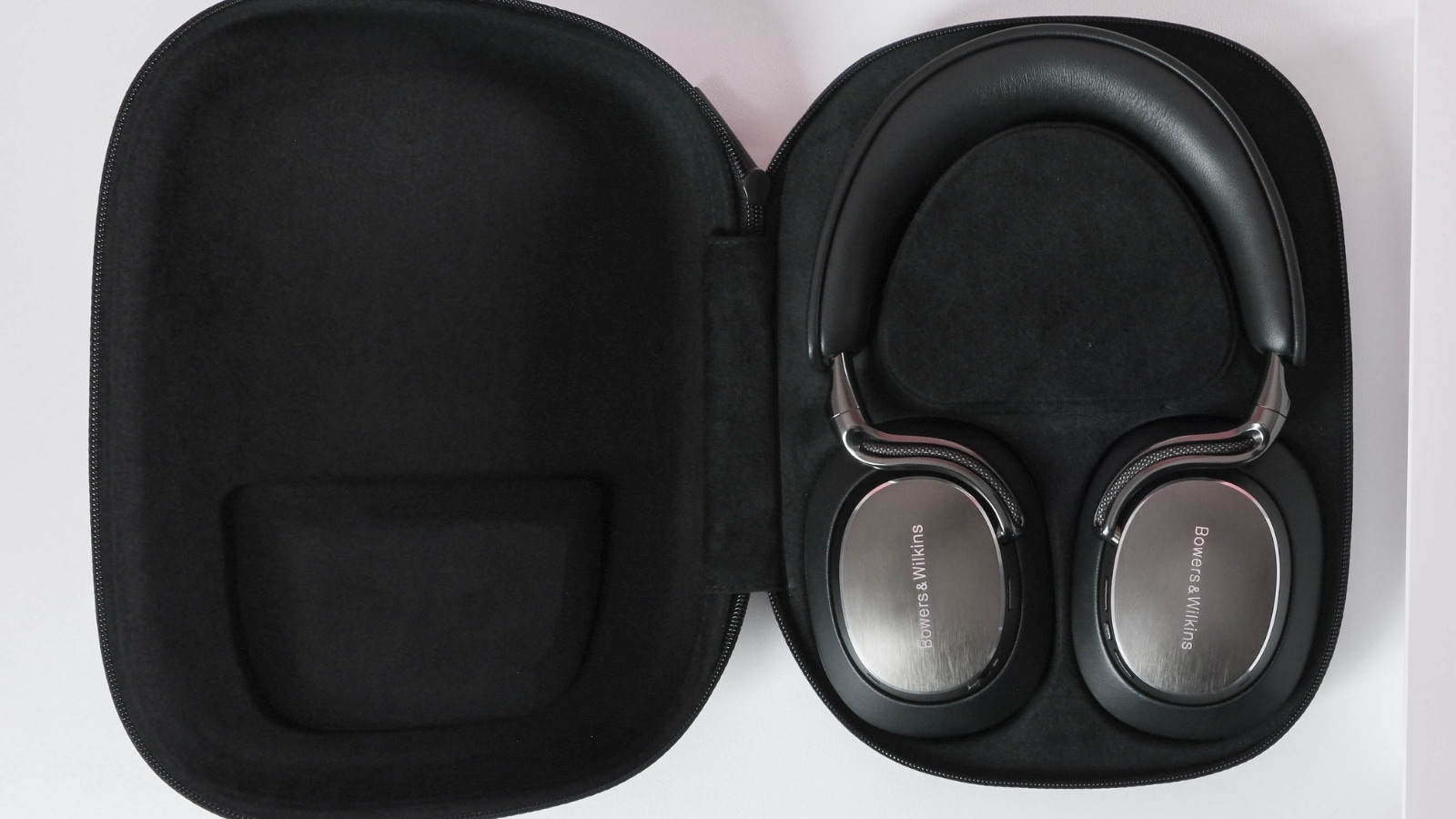
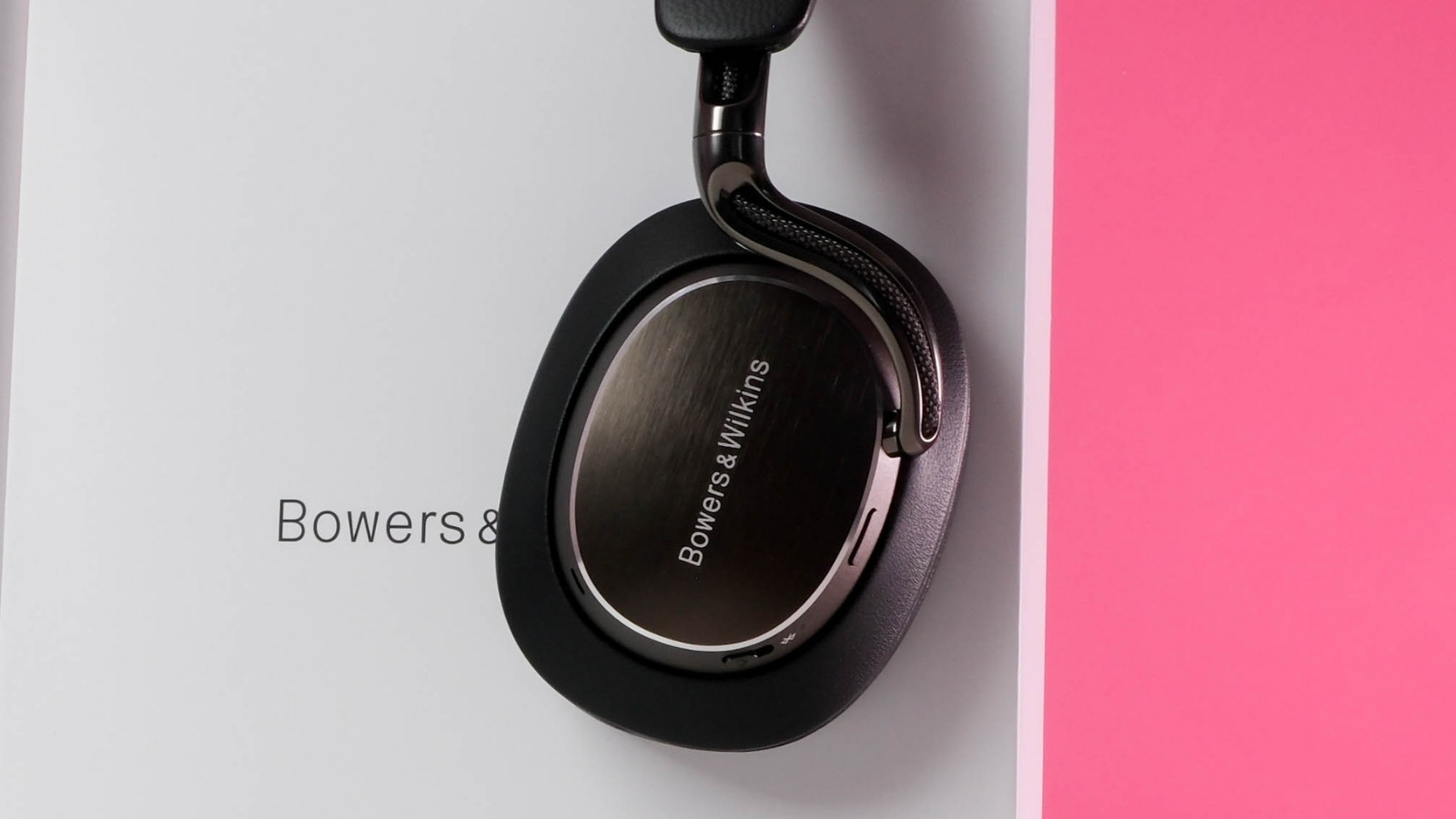 While the Px7 S3 and Px8 S2 look similar, it’s easy to tell which is the more premium headphone. The Px8 S2 trades the textured fabric covering of the Px7 S3 for a more luxurious-feeling Nappa leather. The latter’s plastic bits have been upgraded with solid die-cast aluminium with a brushed finish that exposes a braided cable. And, like the Px7 S3, the Px8 S2 features a slimmer earcup design, meaning they won’t bulge out on either side of your head.
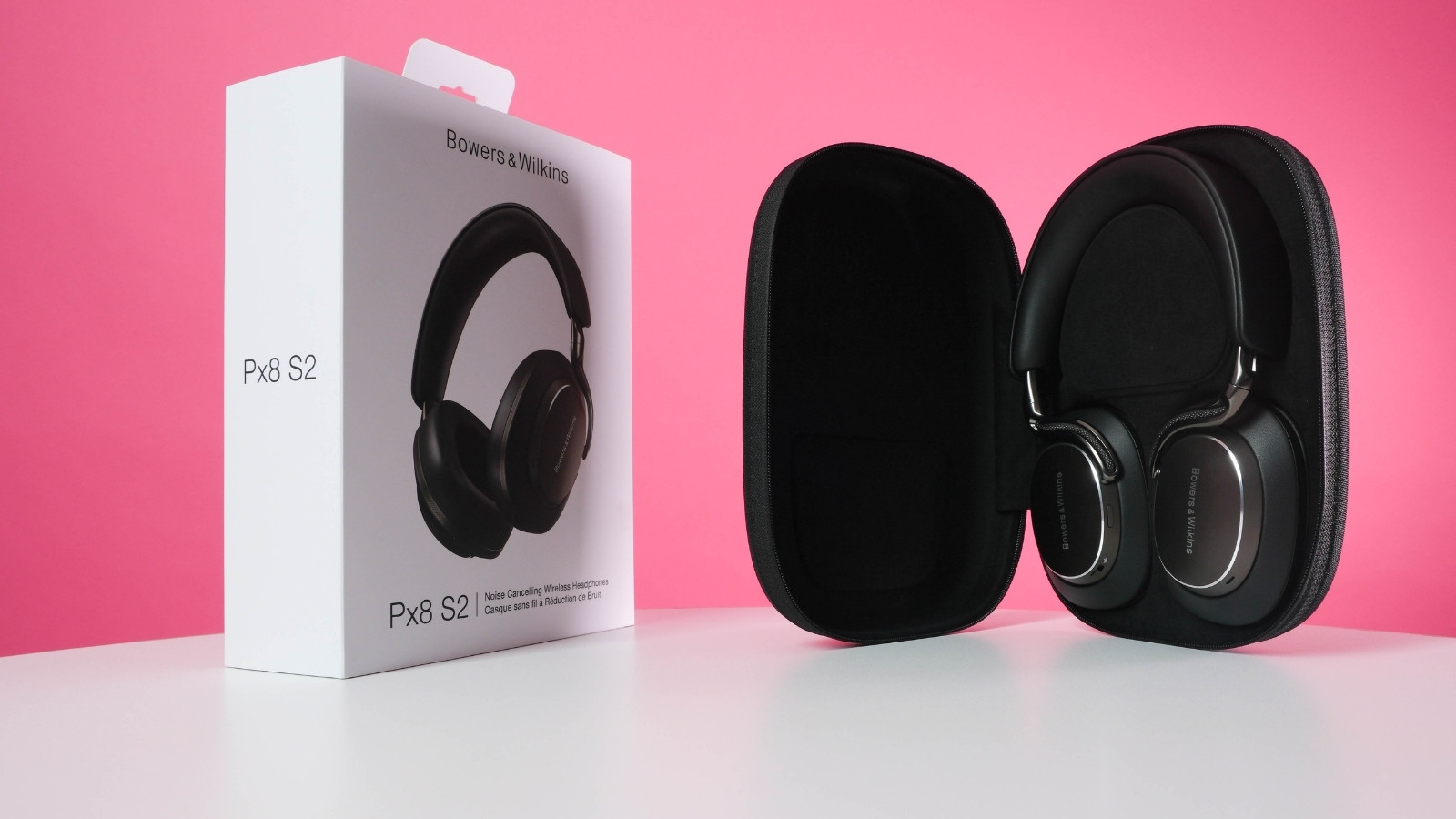
That also means the included travel case is slimmer. While they can’t fold into a smaller footprint, the reduced girth was appreciated on our last international flight. That flight also demonstrated that these are beholden to the same soft wear-limit as we found with the Px7 S3.
We found we could wear them for a whole workday without issues, but that’s with numerous breaks. After eight to ten hours non-stop, we found our ears hurt a little and were noticeably hot after being crammed into the relatively small earcups. This sort of issue isn’t exclusive to the Px8 S2, but it’s still important to note.
The usual headphone stuff
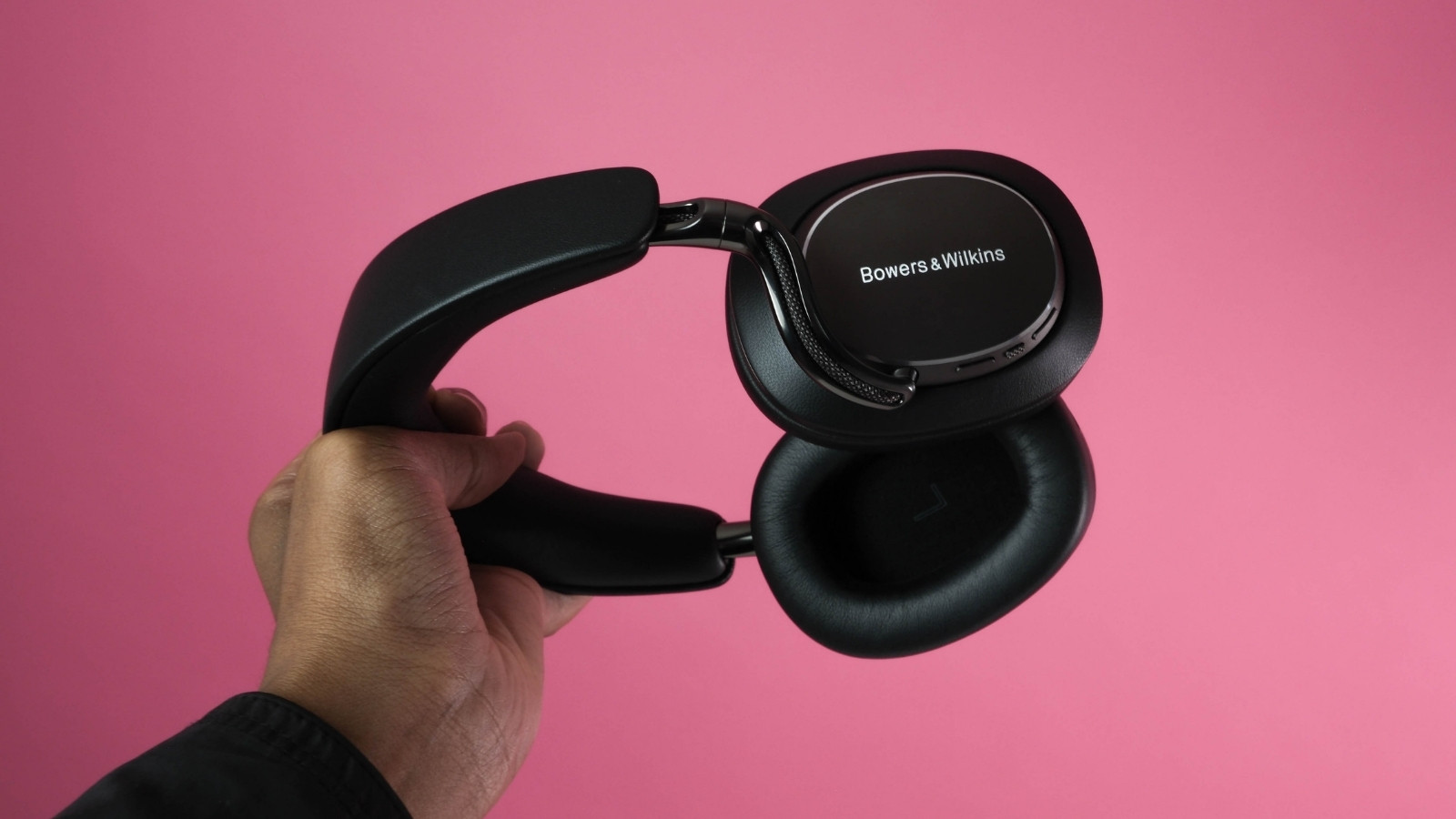
 As with the Px7 S3, controlling the Px8 S2 is done via physical buttons on the earcups. They might take some getting used to while you try to remember which button does what. But that shouldn’t take you long. It beats repeating swipes and taps that don’t register the first time.
The Bowers & Wilkins companion app is necessary if you want to fiddle with EQ settings. We spent most of our time with them in Bowers & Wilkins’ True Sound preset, but there is also a five-band EQ on offer if you feel like fine-tuning your sound.
Like any good flagship wireless headphones, these support multiple connections at once and can switch between them as needed. Their execution of that wasn’t as polished as we had hoped, but that might be more the fault of the source devices than the headphones. Seamless operation of that sort only really comes from devices within a single ecosystem.
 Battery life is a claimed 30 hours with ANC enabled. We weren’t watching the clock while wearing these, but like the previous B&W cans we reviewed, we weren’t disappointed by their longevity. Strangely, they didn’t manage to charge as quickly as the Px7 S3. A five-minute charge was enough to get seven hours of playback through those, while these needed 15 minutes. But the ten-minute difference is hardly a dealbreaker.
As we just hinted at, these feature active noise cancelling. If ANC performance is at the top of your priorities list, these might not be for you. While their ANC performance is pretty good in isolation, it falls short compared to class leaders from Sony and Bose.
If you’ve hung onto your first Px8 headphones, however, these could offer a meaningful upgrade in that department. B&W has stuffed four microphones into each earcup — one keeping tabs on what’s happening inside the earcup, while the other three handle calls and cancelling external noise.
It’s all about the music
The clear focus with the Px8 S2 was its audio performance (and fashion sense, but we’re already covered that). The Px7 S3 are still a great buy for what they represent, but the Px8 S2’s pair of 40mm full-range angled carbon drivers do make a meaningful difference to their sonic performance. That’s where all the extra money has gone, and it means the Px8 S2 outperform the Px7 S3 in just about every way that matters for audio quality.
Both headphones use the same amplifier and DSP engine, but B&W has tweaked the tuning for the Px8 S2 to account for the different drivers. Like the Px7 S3, these support the aptX suite of wireless codecs, which includes the aptX Lossless codec. That means 24-bit 96kHz wireless audio is supported, and they can also handle 24-bit 192kHz audio over a wired USB-C connection (and they’ll charge at the same time).
 For casual music listeners who just want a good-looking headphone that they can tell everyone else “sounds great”, these are a good choice. Even if you’re stuck listening to a Spotify stream on your iPhone over AAC, they’ll sound good. Increase the bandwidth, like with aptX Lossless, and they’ll sound even better. Feed them a proper hi-res source over USB-C, and that’s when they really shine.
To be clear, it’s not that you’re getting ‘more’ of anything. There isn’t more low-end or extra treble that you don’t get in the Px7 S3; it’s just presented better in the Px8 S2. The bass thumps thump with more detail, the warm mid-range glows with texture, and the treble is conveyed with clarity. What that means, regardless of how you’re listening, is that these make for fun listening across just about any genre. They provide something we’ve yet to see available elsewhere.
Bowers & Wilkins Px8 S2 verdict
If you’ve got a pair of finely trained ears, or you’re specifically after something that chases harmon curve conformity, these might not be the best pick for you (although we still think you’ll have a good time in spite of what your ears will tell you). You’ll probably be happier paying roughly the same for the Sennheiser HDB 630. Those will also offer you much better EQ customisation options.
But if you don’t want to faff with EQ to get a sound you like regardless of the quality of your source, and you want a good-looking headphone made from premium materials that won’t fall apart if you’re slightly too rough, the Px8 S2 should be high on your shortlist. If you’ve read all you need to, they’re on special at Digital Experience at the time of writing. At R12,000, these are almost a steal.