

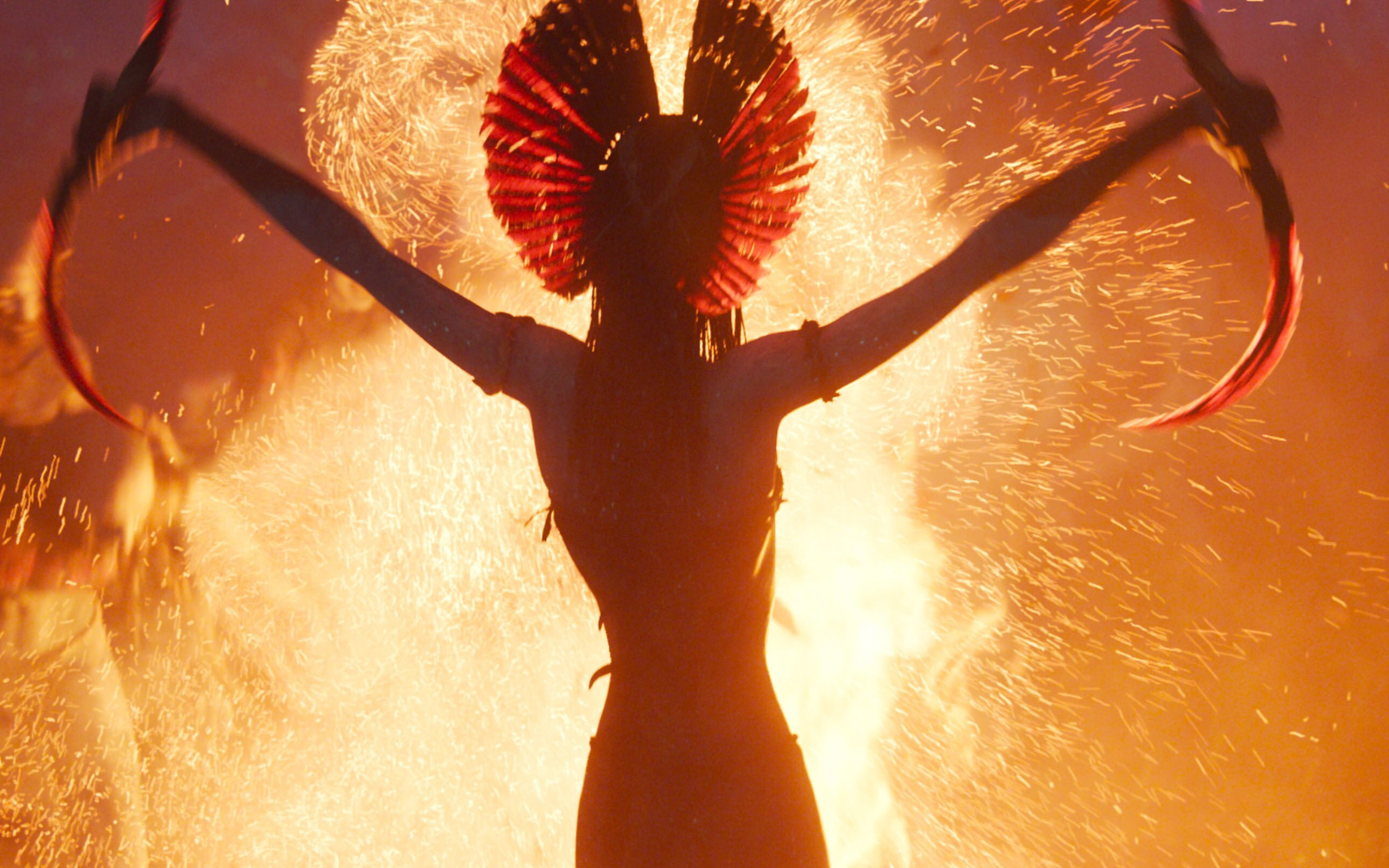
We were among the minority who appreciated the narrative beats in 2022’s Avatar: The Way of Water, however skint they were. More important to the average moviegoer was seeing just what James Cameron had cooked up after more than a decade, and most left the theatre relatively pleased. Avatar: Fire and Ash is the third instalment of a series that we’re beginning to think should’ve stopped at two.
The biggest sin this movie commits is expecting viewers to care about what happened at the end of the last one, despite never quite managing to break through into the zeitgeist in fourteen years. Even if you didn’t remember that the film’s primary antagonist was rescued or what his motives were, don’t worry. Avatar: Fire and Ash goes a long, long way to remind you of those plot points, doing nothing to progress what could have been a rich world.
Where’s the spark, James?
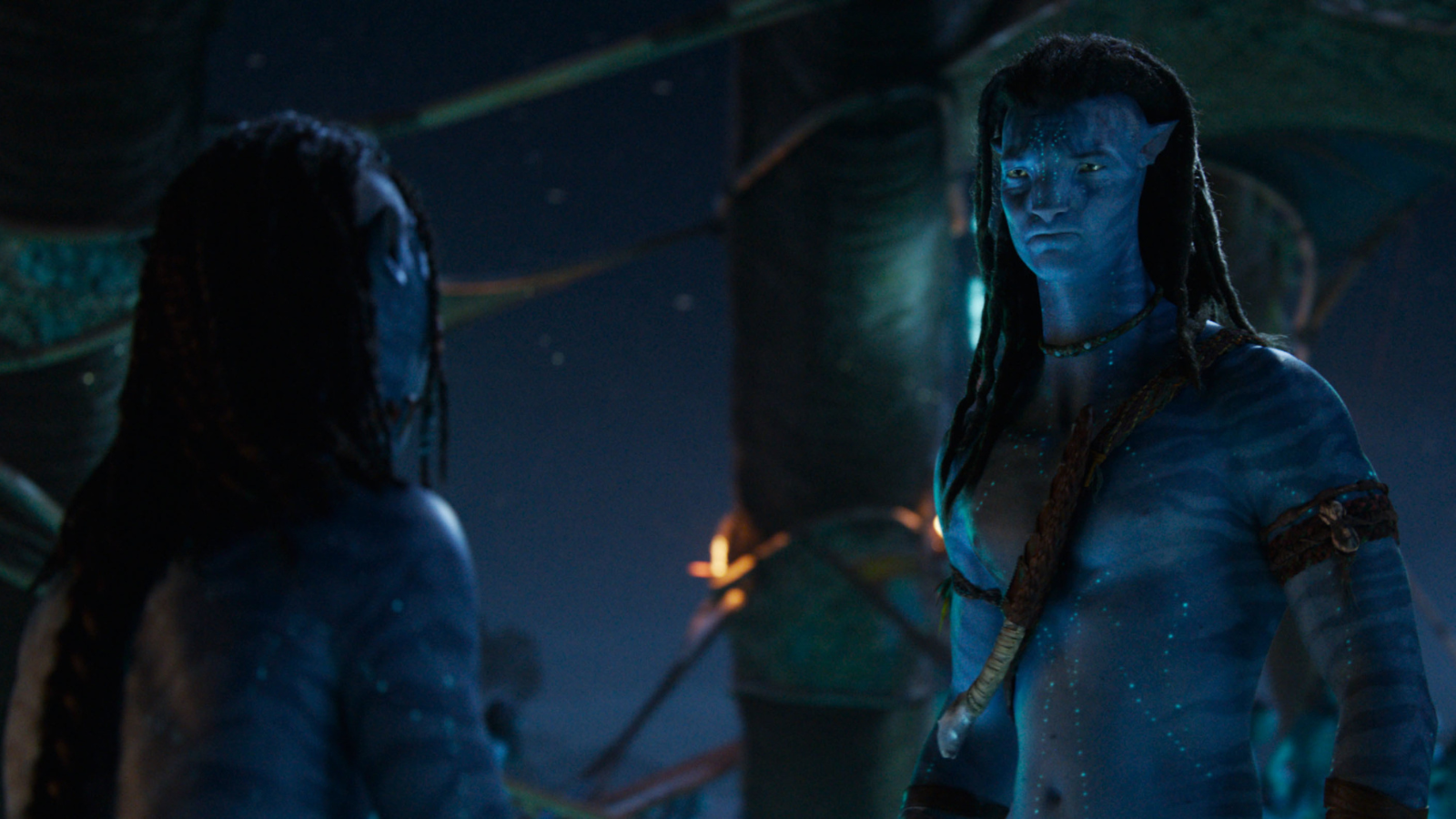
We mean that literally. Fire and Ash doesn’t feel like the third film of a broader saga (Cameron wants to make how many?). Instead, it constantly rehashes the second film, so much so that we recognised almost identical action set pieces dominating the film’s second and third acts, with the odd (and rare) departure into something new. It doesn’t help matters that we spent the 3-hour and 17-minute runtimes bored out of our skulls.
The sort of boredom that gets you excited to see twenty minutes remaining, rather than dejected to leave. Fire and Ash features three writers — Cameron, Rick Jaffa, and Amanda Silver — and you can really tell. Our heroes repeatedly tell the audience there’s something deeper at play, but never musters up enough courage to actually show us. Instead, Cameron focuses on the visuals, which, admittedly, are gorgeous.
Fire and Ash once again follows Jake Sully (Sam Worthington) and his Na’vi family attempting to fight back against the humans looking to take over Pandora. Stephen Lang reprises his role as Miles Quartich (don’t worry, we didn’t remember his name, either) as he seeks to bring Sully to human justice and find his human son, Spider, who still tags along with our band of heroes with an oxygen mask that screams, “Look here! Future plot point!”
Quartich is once again on the hunt for Sully and threatening peaceful Na’vi villages to get what he wants. As the film crawls towards a climax you’ve already seen before, with no new stakes, it introduces the Mangkwan Clan — or the Ash people — led by a native called Varang (played by the great Oona Chaplin), who only serves as a B-plot villain to give Neytiri (Zoe Saldaña) something to do.
Where Fire and Ash shines brightest are the moments it takes to develop Sully’s daughter, Kiri (Sigourney Weaver) and Spider (Jack Champion), even if we aren’t left with as many answers as we’d have liked by the time the credits rolled. Cameron takes baby steps to develop stakes for a potential fourth film, but that doesn’t help much now, does it? Especially for a film that’s begging for some attention elsewhere.
Sigourney Weaver steals the show
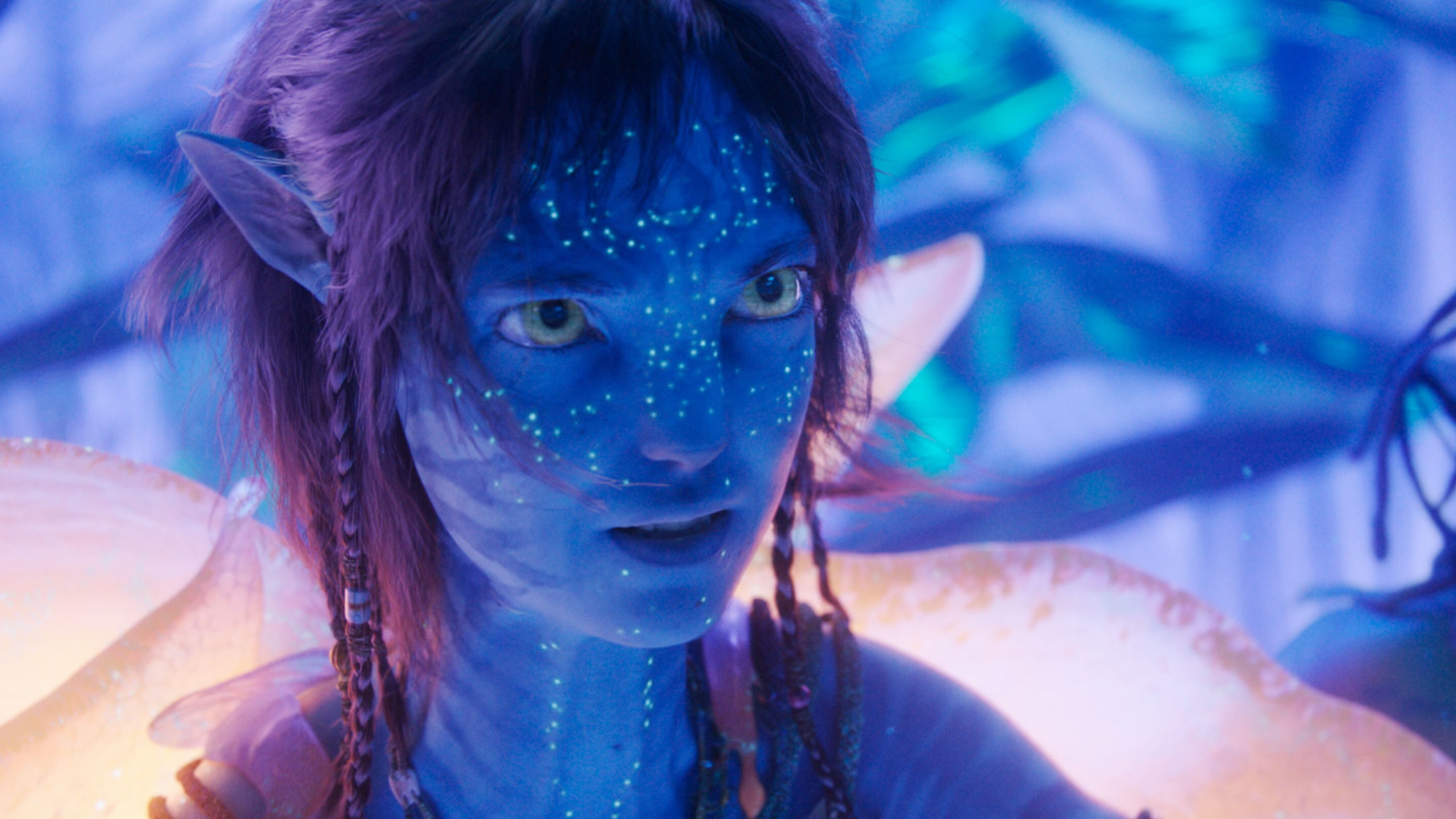
Whoever’s idea it was to stick the voice of Sigourney Weaver inside a 13-year-old Na’vi during The Way of Water deserves a pay rise. Sure, it’s a little weird to see Ripley as a blue teenage alien, but her performance — coupled with the fact that she’s handed the best story beats — towers over the rest of the star-studded cast.
That’s not to say the rest of Fire and Ash is devoid of good performances. Even if the film doesn’t do much to set up the brewing feud between our heroes and the Mangkwan Clan, the performances, particularly those of Zoe Saldana and Oona Chaplin, cannot be understated. Both do their best to keep the wacky world of Avatar grounded and do an excellent job, right up until Sam Worthington or Stephen Lang open their mouths.
There are far too many actors in this 3-hour-plus film to really dig into the acting prowess, but you get the gist. Save for a few standout performances — including Jack Champion’s portrayal of Spider — most of the film’s characters feel like caricatures fulfilling their roles without much conviction in this alien world.
Pandora’s Box still feels half-closed
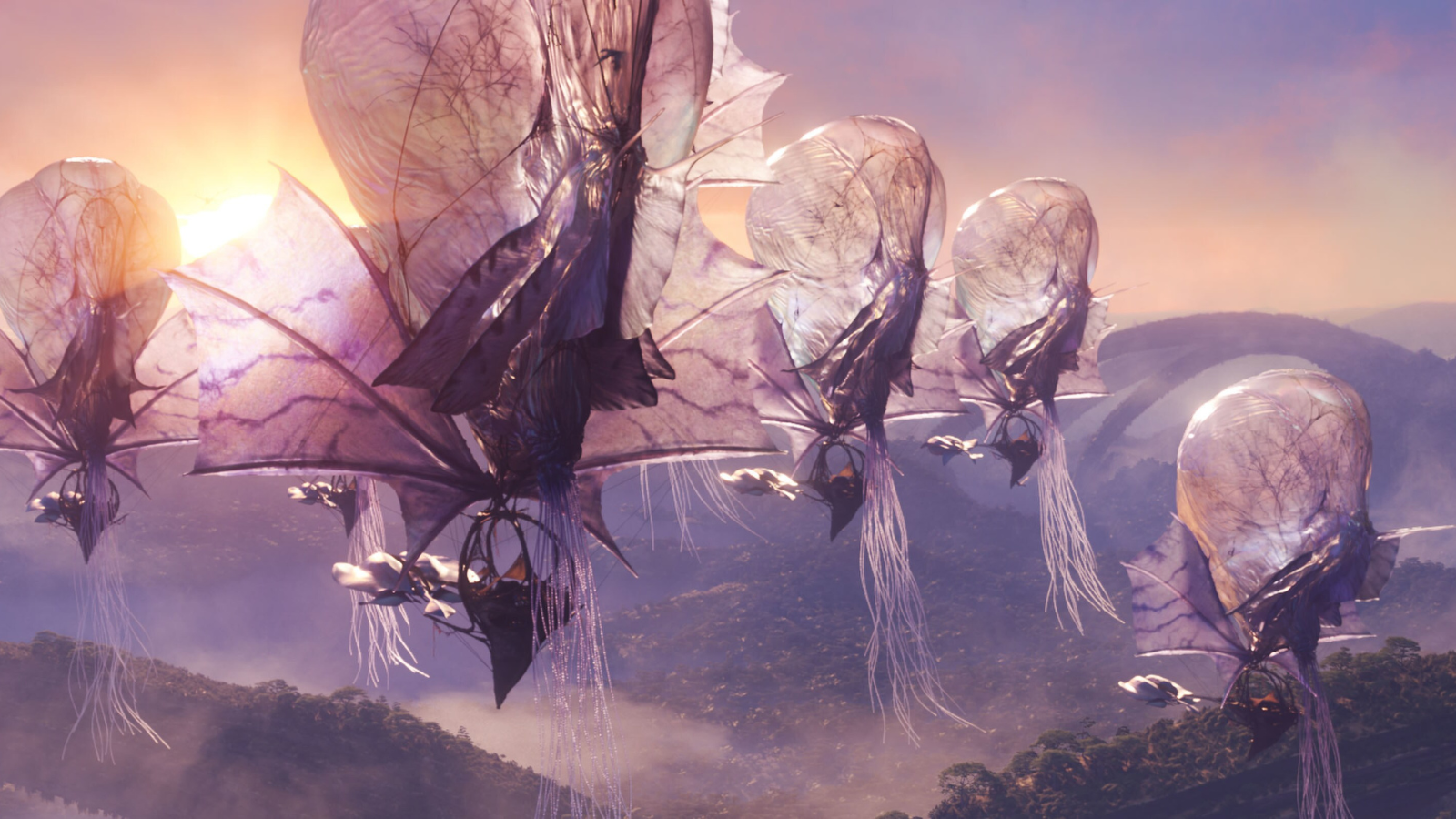
It’s an impressive feat to make an otherworldly planet like Pandora feel as tangible as it did in the first Avatar and an even more impressive one to build on those visuals to deliver what is easily the ‘best-looking’ film to date. It’s obvious that much of Fire and Ash was shot back-to-back with The Way of Water, so while it features the visuals you’d expect, it doesn’t do much to set itself apart.
For any other movie, especially one that looked this good, it wouldn’t be an issue. But Cameron is banking on the casual movie-going crowd to pony up to see exactly how Fire and Ash advances the VFX field. We wouldn’t exactly say they’d leave ‘disappointed’ with the final result. ‘Underwhelmed’ seems a more apt description.
On the few occasions that Fire and Ash does pull us out of our reverie with a big action set piece, it’s tainted with wacky editing that not only disturbs the flow of what should be a good scene, but further kneecaps a script that already skates on thin ice. Overall, Cameron’s latest entry into the world of Avatar couldn’t quite keep our blood pumping despite the obvious scale presented on screen.
Avatar: Fire and Ash verdict
We don’t deny that pointing out a lack of decent writing, oftentimes poor acting, and over-reliance on spectacle is picking at low-hanging fruit when it comes to Avatar. Hell, you might even think us shallow for taking such heavy blows at a film that, despite Cameron’s constant efforts to prove the opposite, shouldn’t be taken all that seriously. But with a too-long runtime and little desire to see Avatar come back for a fourth entry, Fire and Ash skates by on stunningly real and vibrant visuals that were more impressive after spending a decade apart.
Avatar: Fire and Ash begins its local theatrical release on Wednesday, 17 December.