
It’s becoming clear that Sony is developing some sort of handheld device. Whether it’ll be a proper PS6 companion or its own thing entirely is still unknown (we would like a Vita sequel). What we (maybe) know, according to known leaker KeplerL2, is that it’ll outstrip the Xbox Series S, despite its stature.
Of course, until Sony confirms it, take your console leaks with a pinch of salt. But KeplerL2 is a known quantity, if one with a patchy track record. Only six months ago, he claimed that the PS6 was locked in for 2027. That may still technically be true, but it’s still worth scrutinising his PlayStation rumours more thoroughly.
Sony’s getting back in the handheld game
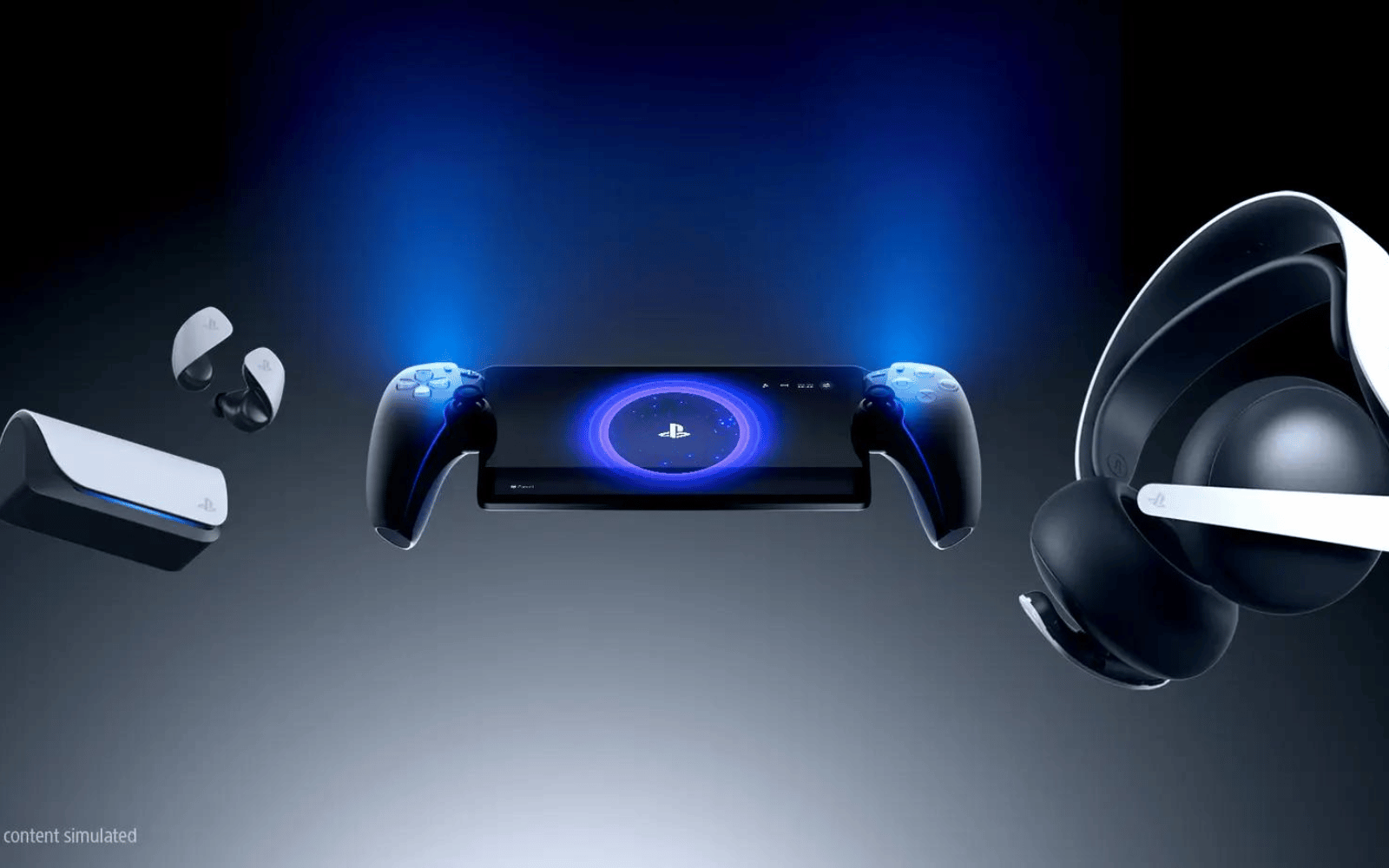
Multiple reports reckon the project is known internally as ‘Canis’, so its existence seems all but assured. KeplerL2, chatting on NeoGaf, claims that Canis is “massively ahead” of the Xbox Series S (the puny one) in terms of rasterisation, path tracing, and ray tracing capabilities. The forum was discussing some ‘new’ leaked specs.
Those are courtesy of YouTuber Moore’s Law is Dead (MLD), whose record is similarly spotty when it comes to Sony. These stem from a leaked AMD presentation, reportedly captured in 2023. That alone casts doubt on the veracity of the claims, but there you go. MLD points to Canis featuring a monolithic 3nm die equipped with four Zen 6C cores. That’s in addition to the console’s supposed 12-20 RDNA 5 Compute Units (between 1.6 and 2.2GHz).
Read More: Sony reportedly got Gran Turismo 7 running on the Switch 2, just for the fun of it
A 12-bus sits up with LPDDR5X 7500 RAM, apparently. As for the bits your dad might understand, the console is believed to be PS4/PS5 backwards compatible, with microSD and SSD storage support, as well as haptic feedback, a touchscreen, and dual microphones. A single USB-C port offers charging and video output. KeplerL2 continued, claiming that it’ll bring about PSSR 3, which itself will outperform DLSS 4.5.
If that’s still true all these months later, and KeplerL2 isn’t wrong, Sony’s got a winner on its hands. The Japanese gaming outfit has allowed Nintendo to control the handheld market for too long, even allowing Microsoft an foot in the door. More competition in the space is always a good thing, even if it ends up costing an arm and a leg.