
Samsung’s foldables are going far and wide
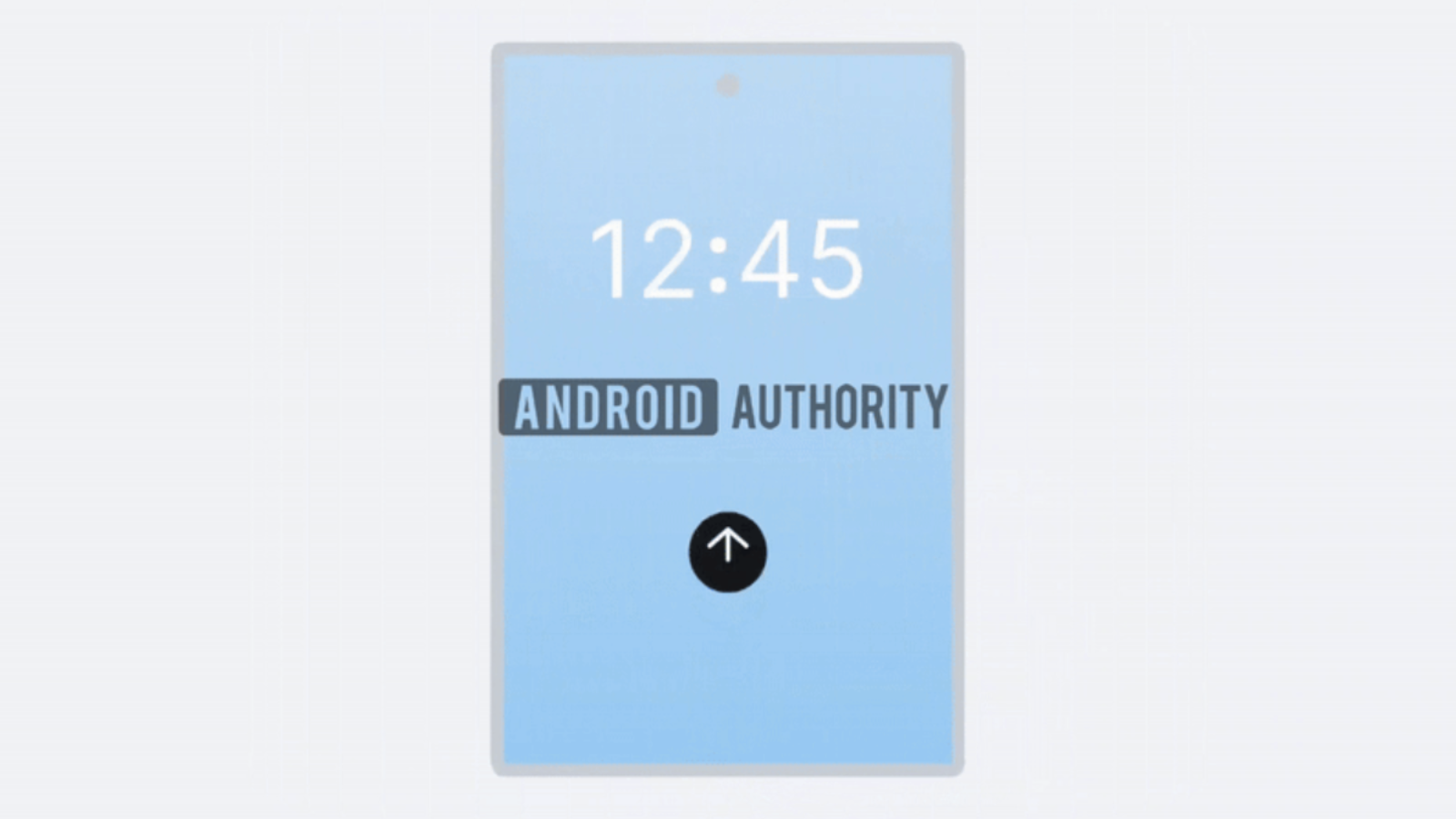
That right there is your first ‘look’ at Samsung’s first crack at expanding its range of Galaxy Z foldables, thanks to the folks at Android Authority. The device, rumours of which have floated around for several months now, will reportedly take the shape of the South Korean outfit’s Galaxy Z Fold, though with a far wider screen than before.
The render was captured in some of the recent OneUI 9 builds, the next big update after OneUI 8.5 dropped. The animations depicted on Android Authority correlate to some of the first mentions of the ‘Wide’ Galaxy Z Fold — model number SM-F971U — that were unearthed in early last year. Interestingly, the animations don’t show any sort of camera island, though, since they don’t show the rear, it’s likely just an oversight in early materials.

It does give us a rough idea of the size and shape Samsung’s next foldable will take. There’s no telling when Samsung will unleash the device on the market, though its appearance in the OneUI 9 builds suggests that the company could have plans to release the device alongside the Galaxy Z Fold and Flip 8 later this year.
Samsung is currently approaching the eighth generation of its foldables and is likely hoping to expand the line-up right as Apple, its biggest competitor, plans to step into the arena for the first time in 2026. The Fruit Company will be playing catch-up with the rest of the industry, wrapping its first attempt in titanium.
China’s doing more for the motoring industry than most
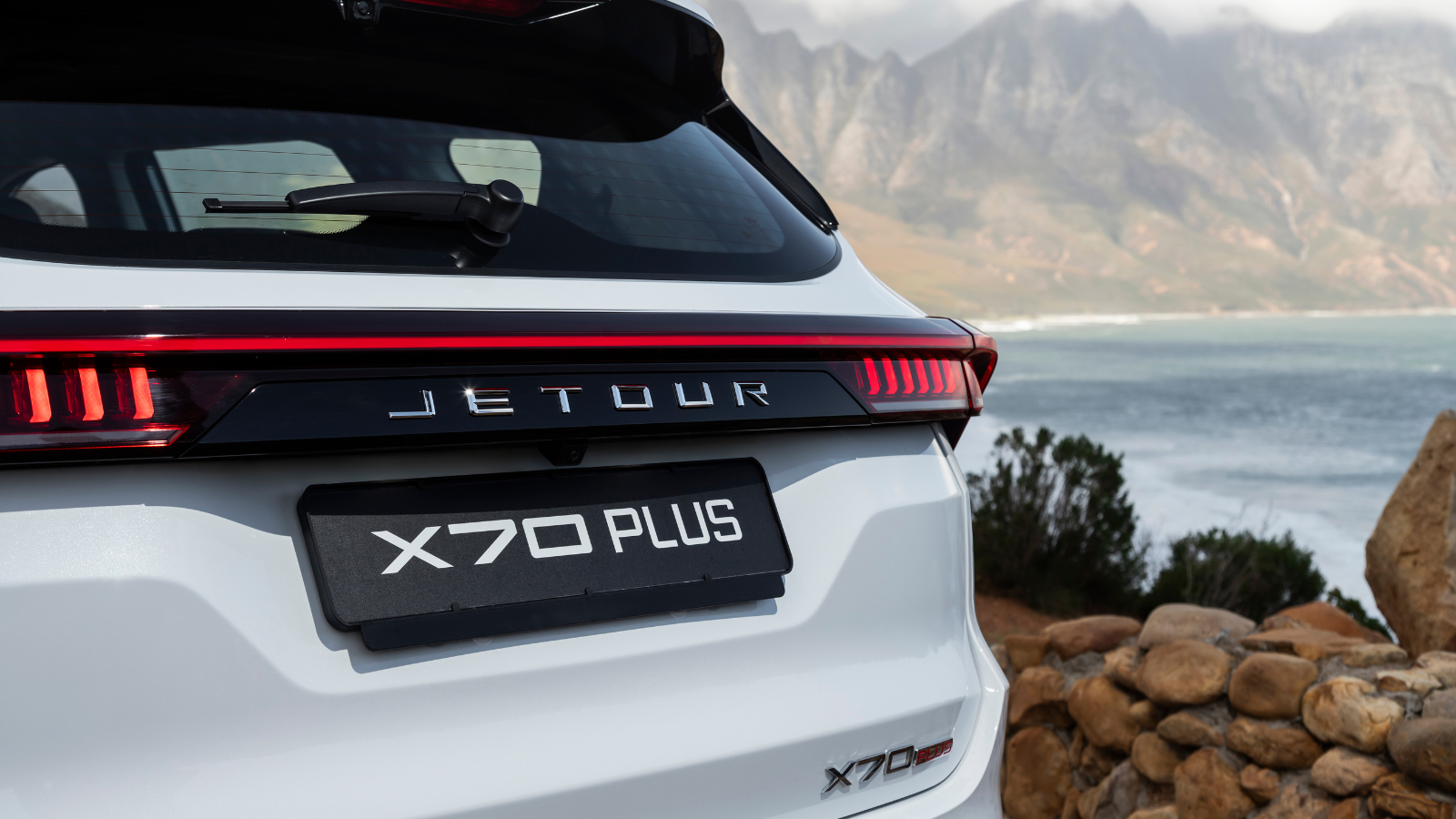
You might see China’s overrepresentation in the EV market in South Africa as a bad thing. But now, that country’s Ministry of Industry and Information Technology has proposed new rules that would see the return of physical buttons and switches inside the car, rather than relying too heavily on a too-cheap digital touchscreen display.
Yup, real dials, buttons, and switches. No more digging through menus, simply to turn those hazards on. That’s the plan anyway, as outlined in the proposed regulations here (via Bloomberg). The trend of burying basic functionality behind a screen was popularised by Tesla and quickly became the standard everywhere. Who would’ve thought China was standing up for consumers?
The regulations aren’t calling for the complete dismissal of the touchscreen inside cars. Instead, it’s forcing automakers to ensure that the essential safety features — like turn signals, hazard lights, gear selection and emergency calling — must include fixed buttons with a minimum surface size of 10mm x 10mm.
Sure, a touchscreen the size of the dash might make for a great marketing image. Anybody familiar with them can attest to the shoddy software that makes finding the A/C button a nightmare. Should these changes, which are open to public comment, be introduced, it won’t be long before Saffas reap the benefits.
Hide your faces, Meta’s on the prowl

As though the prospect of Meta-made smart glasses with the ability to discreetly record wasn’t scary enough, a new report from The New York Times reckons it’s about to get a whole lot scarier. The company formerly known as Facebook plans to add facial recognition to its smart glasses. Because why not?
There are several reasons ‘why not’, starting with privacy, followed immediately by safety. The feature, reportedly known as ‘Name Tag’, according to four people involved with the plans, would allow wearers to identify people and gather information about them via Meta’s AI assistant. Hell, even Meta knows that the feature carries “safety and privacy risks,” according to an internal document.
While Meta’s plans may change down the line, the document (from May 2025) revealed that the company intended to first release Name Tag to “attendees of a conference for the blind,” before making it available to the public. While Name Tag could do wonders for the blind community, it’s the people with functional eyes we’re worried about.
Meta, it seems, is awaiting the right moment to unleash Name Tag upon the world. A moment of political instability, if you will. “We will launch during a dynamic political environment where many civil society groups that we would expect to attack us would have their resources focused on other concerns,” the document reads. With Meta selling more than seven million pairs of smart glasses in 2025 alone, it might be time to worry.
The Ballie’s not in your court

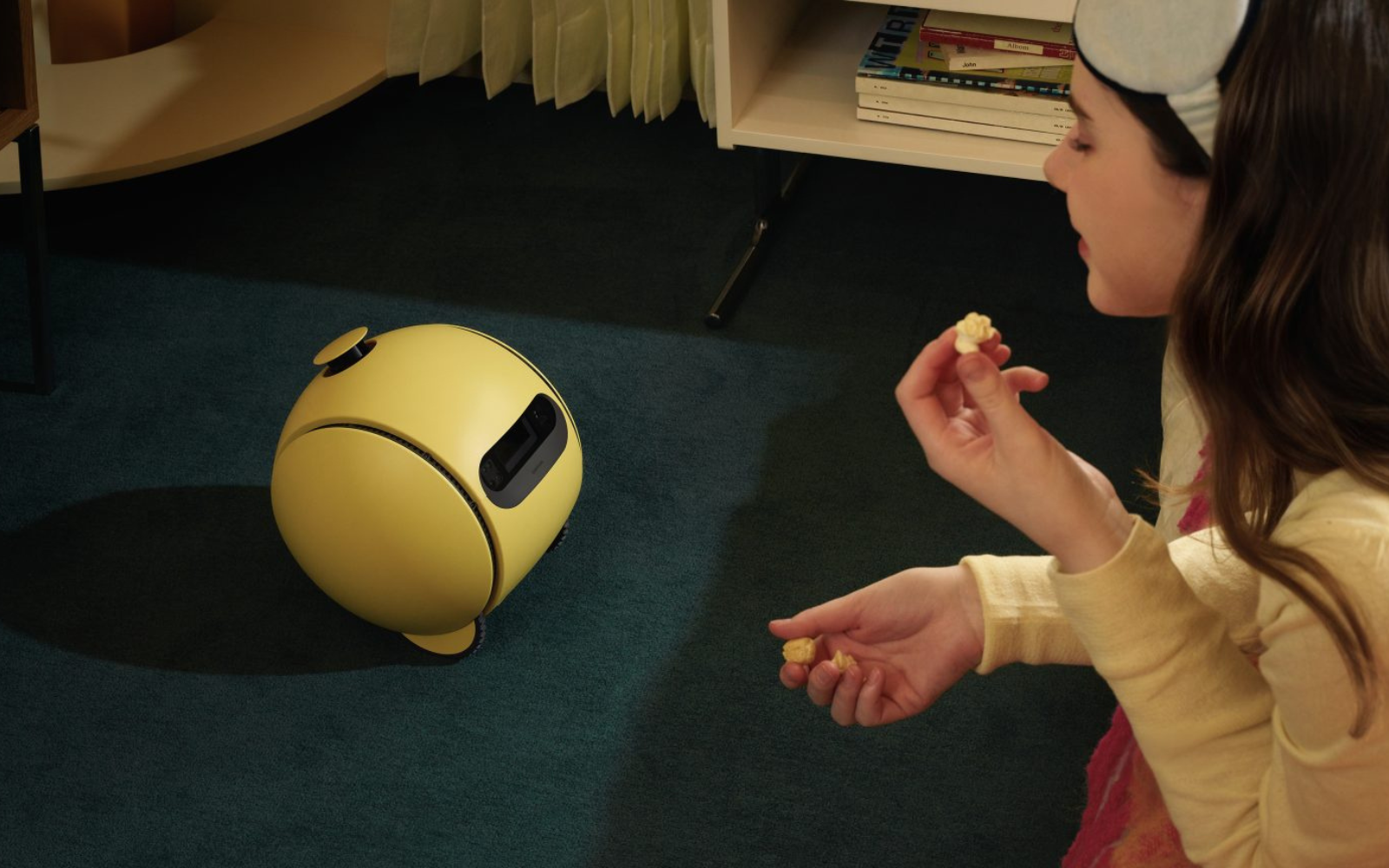
Samsung’s long-awaited Ballie (Ball-e) companion robot may finally have been laid to rest. For good, this time. The writing’s been on the walls for years now, with missed deadlines hinting at the robot’s future (or lack thereof) ever since it was officially unveiled at CES 2020 with Google’s Gemini AI powers at its side.
It was only a few months ago when Samsung delayed the ‘bots’ official launch, saying, “We are continuing to refine and perfect the technology to deliver an even more impactful customer experience.” Now, Ballie’s official landing page has disappeared, as SamMobile points out. It now redirects to the company’s projector range.
It wasn’t all that long ago when Bloomberg reported that Samsung’s Ballie had transitioned from a consumer-facing device to a “active innovation platform”, according to a statement from Samsung. The company never outright stated that Ballie was headed for the door, but it is seemingly shelved for now.
“After multiple years of real-world testing, it continues to inform how Samsung designs spatially aware, context-driven experiences, particularly in areas like smart home intelligence, ambient AI and privacy-by-design,” a Samsung spokesperson said in the statement.