

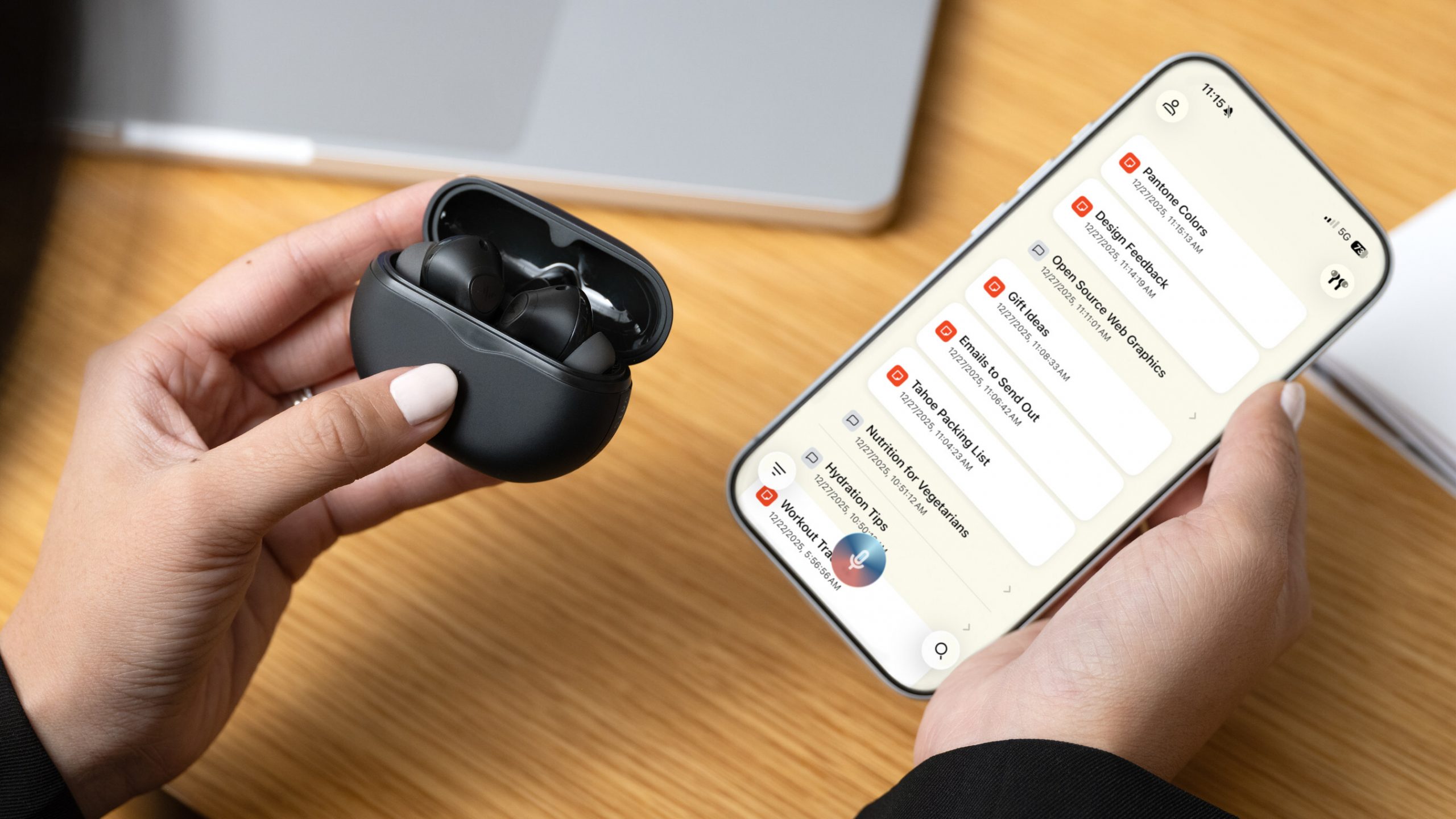
Everybody’s trying to create hardware that convincingly uses AI. Subtle’s new Voicebuds reckon they’ve cracked the formula (an opinion the Stream Ring shares about itself). There’s little chance it’ll do worse than the ill-fated (and mostly non-functional) Rabbit R1, at least.
Subtle pitches its Voicebuds, as the name suggests, as a way to use voice commands in places and settings that don’t usually support it. The company feels that voice inputs struggle because it’s “too public in shared spaces and too unreliable in noisy ones.” The Voicebuds are supposed to help.
Rather, Subtle
How? By “providing dictation, calls, voice notes, and AI chat that work below a whisper, even in noisy and shared environments where traditional voice devices have always failed,” of course.
At its base, the Voicebuds are just an extension of dictation and voice command functions, though they’re supposedly easier and more accurate even at low volumes. AI software, ostensibly the company’s “proprietary low-volume ML models”, a multi‑microphone array, and some custom firmware for the included earbuds will apparently do the job you’ve never known needed doing. That is, outsourcing all of your typing to your vocal cords and an in-ear AI system.
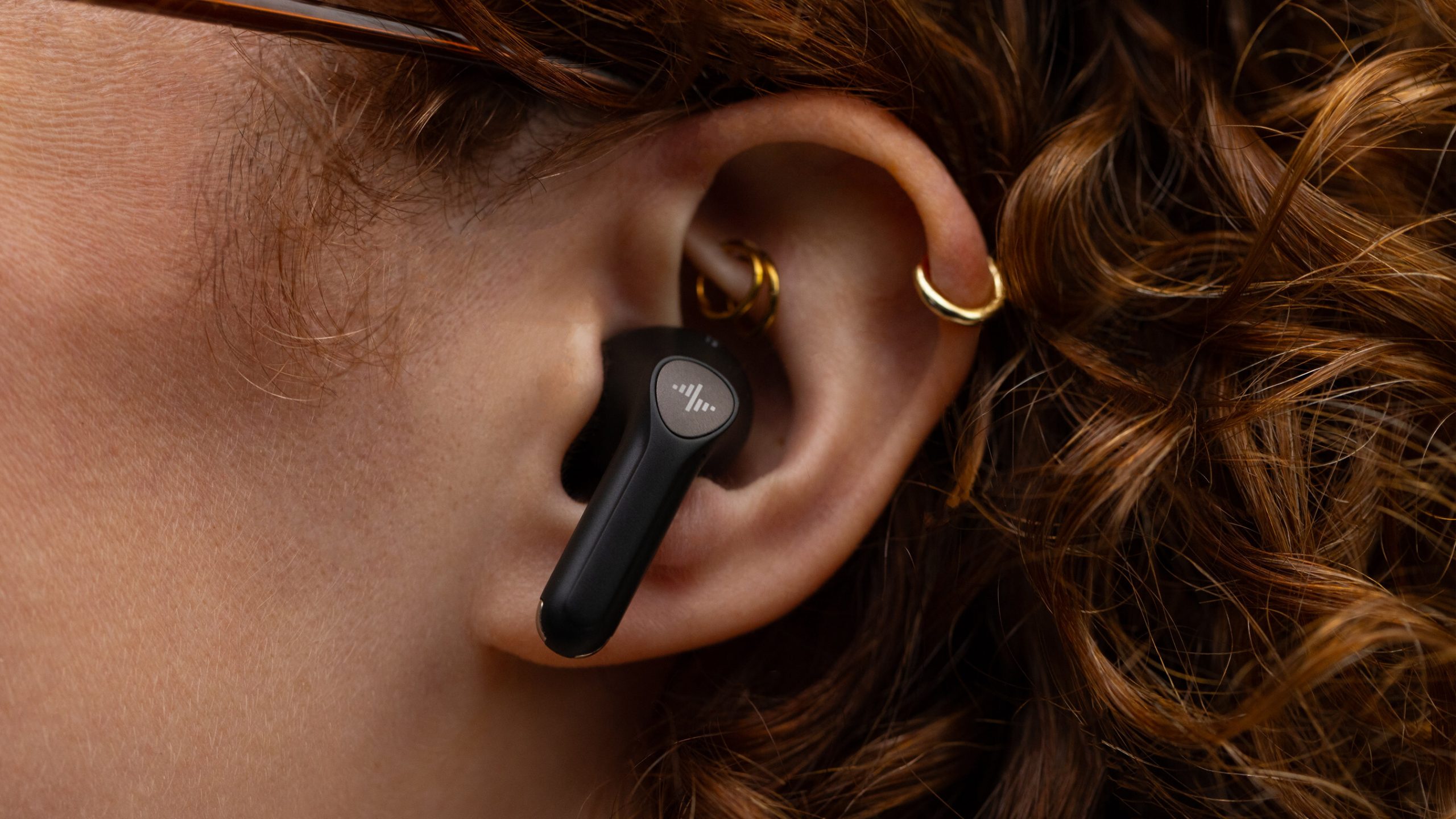
Subtle CEO Tyler Chen said, “We built Voicebuds so you can run your day with voice – they’re private enough for shared spaces, accurate enough to trust, and fast enough to become part of your daily workflow.” The company claims that its device produces five times fewer errors than Apple’s own AirPods 3 paired with OpenAI’s transcription service. It’s an arbitrary metric to use, since there’s no standardisation, but some nerd will probably perform a side-by-side comparison as soon as the Voicebuds are on the market.
Which would be soon. The in-ear AI hardware is up for pre-order in the States — a pair will set buyers back R3,300 or so — and is planned for launch early this year. The purchase price includes a year’s access to the Subtle AI, which provides “a full voice productivity experience across dictation, contextual AI chat, and instant voice notes.” The only other catch, aside from being international-only for now? Only Apple’s software (iOS and macOS) and hardware are supported at launch.