

Your Uber driver may not be an Uber driver for much longer. Nvidia has struck a deal with the rideshare company that will see it lend its Drive AGX Hyperion 10 autonomous vehicle development platform — which can transform any vehicle into a level-4 capable self-driving one — enabling the company to grow its fleet of robotaxis to more than 100,000, beginning in 2027, according to the chip-maker.
Nvidia’s in the driver’s seat
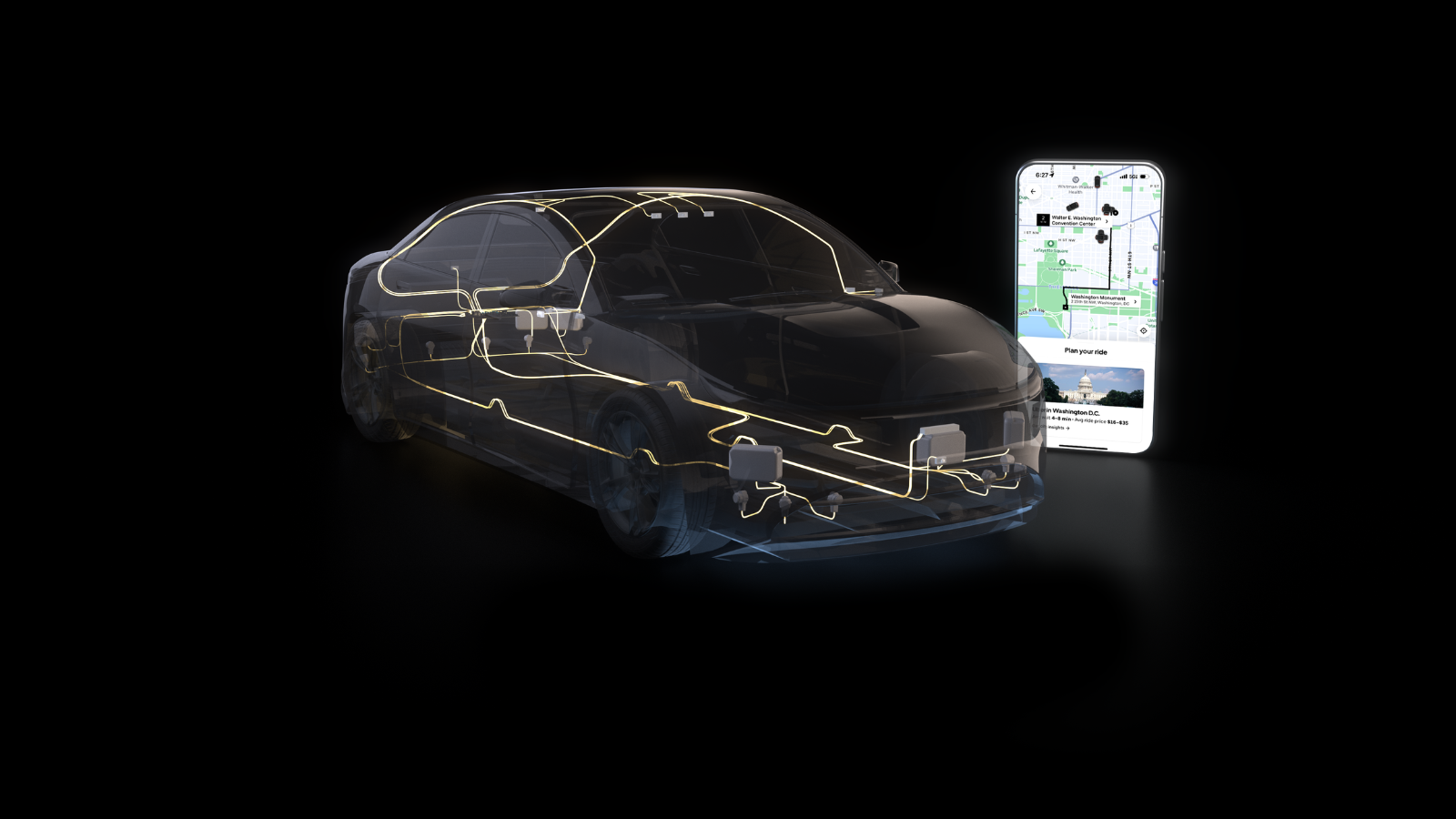
It isn’t doing so without any help. Several other brands, including Stellantis and Foxconn, have also made moves to join in. Stellantis will build the cars, Nvidia will handle the self-driving tech, Foxconn will “collaborate with Stellantis on hardware and systems integration”, and Uber will deploy the fleet.
According to Stellantis, Uber plans to deploy its 100,000-strong fleet in “select cities” worldwide, starting with 5,000 units headed for the US. Beyond that, “pilot programs and testing are expected to ramp up over the coming years,” the company said, claiming the start of production is slated for 2028, which is later than Nvidia has stated. It isn’t clear where else the companies might deploy the fleet.
Read More: Spar bets big on Uber Eats partnership as it plans to go nationwide
Nvidia isn’t confining its self-driving architecture to the Uber-Stellantis-Foxconn team-up. Other brands, such as Mercedes-Benz, Aurora, Volvo Autonomous Solutions, and Waabi, are developing vehicles powered by Nvidia’s DRIVE platform. When these partnerships may come to fruition remains to be seen.
“Their next-generation systems, built on NVIDIA DRIVE AGX Thor, will accelerate Volvo’s upcoming L4 fleet, extending the reach of end-to-end NVIDIA AI infrastructure from passenger mobility to long-haul freight,” said Nvidia.