
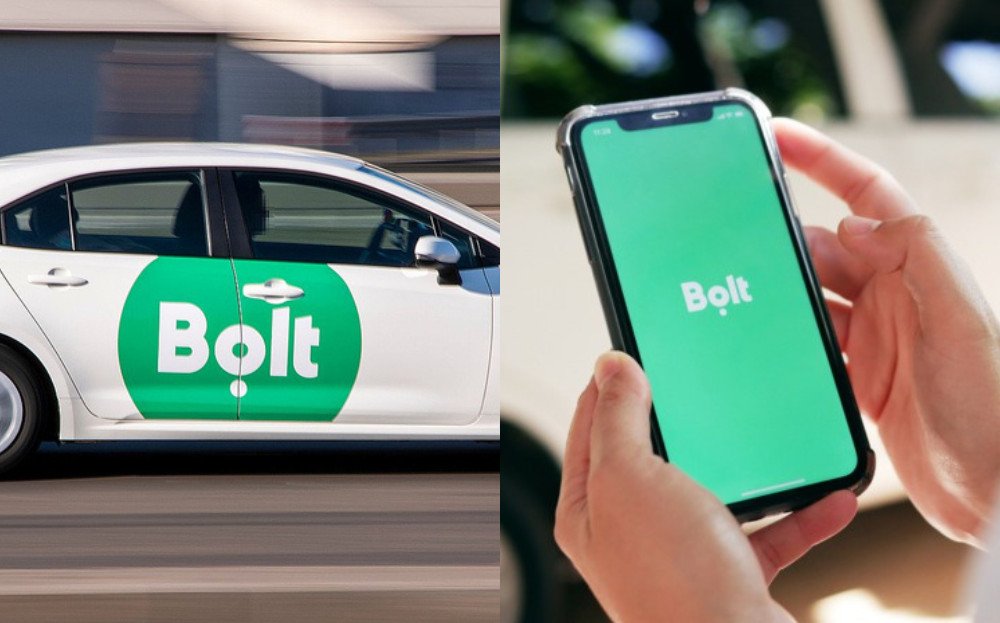
With recent attacks on ride-share drivers by the taxi industry, Bolt is strengthening security measures for its drivers by adding ‘High Risk’ and ‘Unsafe’ zones so drivers know when they’re heading into the bad part of town. Drivers won’t be charged a penalty for declining rides to these zones, giving them greater latitude to keep themselves safe and focus on driving to those areas that they’ll get to leave again.
Bolt to action
These moves are likely triggered by the recent murder of Uber driver Mthokozisi Mvelase, who was gunned down while picking up a passenger at Maponya Mall in Pimville, Soweto. Thankfully, many residents stood and protested against the violence against ride-share drivers, sending a clear message to the taxi drivers that they will not allow the drivers to be intimidated.
To enhance driver safety, Bolt SA is committing to helping criminal investigations, likely allowing greater access to its metadata to law enforcement. Anyone found guilty of misconduct or criminal behaviour will be banned from the platform.
The company is also adding ‘High Risk’ and ‘Unsafe’ zones to its maps to make sure drivers know what they’re heading into. Drivers will be warned when driving into a risky area, and will not be penalised for declining these rides. The company did not specify the difference between a High Risk and an Unsafe zone. It’s also unclear if these will be updated by driver crowdsourcing or if Bolt will get data straight through law enforcement channels.
Bolt ensures customers that its drivers undergo rigorous background checks, including criminal record checks, licence verification, and ongoing identity verification through random selfie checks to make sure that the actual driver is behind the wheel.
The company also implores users to take their own precautions, like verifying driver details, waiting in safe areas, sharing trips with friends and family, and immediately reporting suspicious behaviour.