


The Mill Invisible WiFi Panel Heater might not have the most succinct name, and it might not be invisible in the conventional sense, but it will certainly heat up your room. Sure, it'll require generous amounts of power to do that, but when it looks this good, it might just be worth it.
-
Design
-
Ease of Use
-
Heating
-
Efficiency
-
Features
-
Value
After a week of +25°C days, we reckon it’s safe to say winter is behind us. Technically, there are only a handful of winter days remaining before Spring officially drops on 1 September. So, what’s with the heater review, you might ask. As we said in the last one, now is a great time to go heater shopping, especially when they’re a) this good, and b) on special, as heaters generally are towards the end of winter.
In contrast to the Aeno Premium Eco Smart Heater we reviewed two winters ago, the Mill Invisible WiFi Panel Heater doesn’t make audacious claims about being ‘eco’. It will use around the same amount of electricity (up to 1,500W) as many other electric heaters available in South Africa. But, like the Aeno, this Mill heater comes from a European country where it gets properly cold. That’s got to be worth something, right?
Bring the Norwegian heat
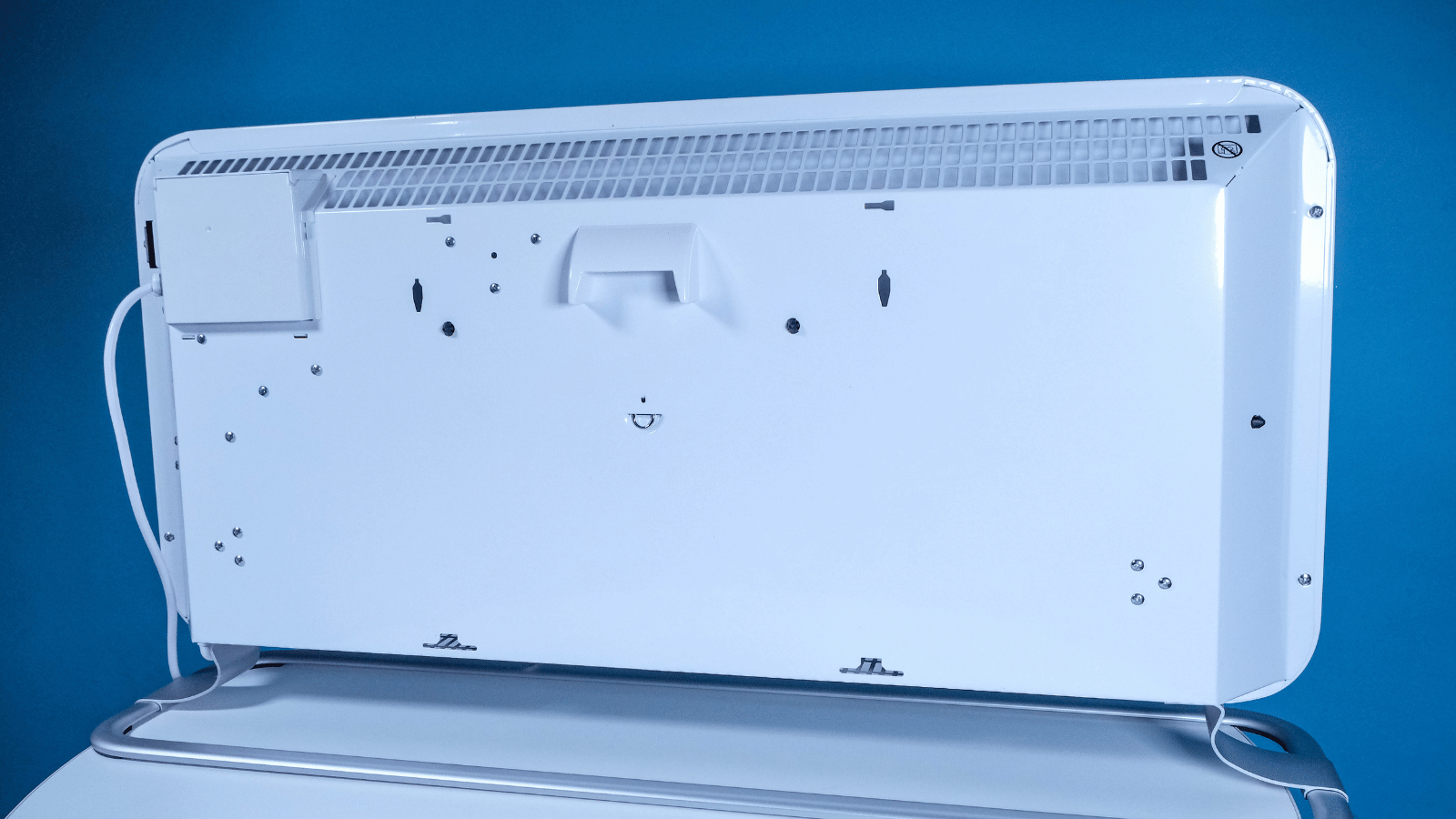
Mill is a Norwegian company. It gets rather cold there, so it makes sense that the company’s heaters are especially capable. Of course, there are other factors to consider that can impact a heater’s relative performance, such as the way Norwegians build and insulate their homes compared to how we do it here. Not to mention the cost of electricity.
Thankfully, either by ingenious engineering or brute power, this Mill Invisible WiFi Panel Heater performed admirably during South Africa’s winter. It also helps that it’s easy on the eyes. That’s where the ‘invisible’ in its name comes from — it can blend into your home decor, so much so that one might not even know what it is at first glance. What is it with Europeans and good-looking heaters?
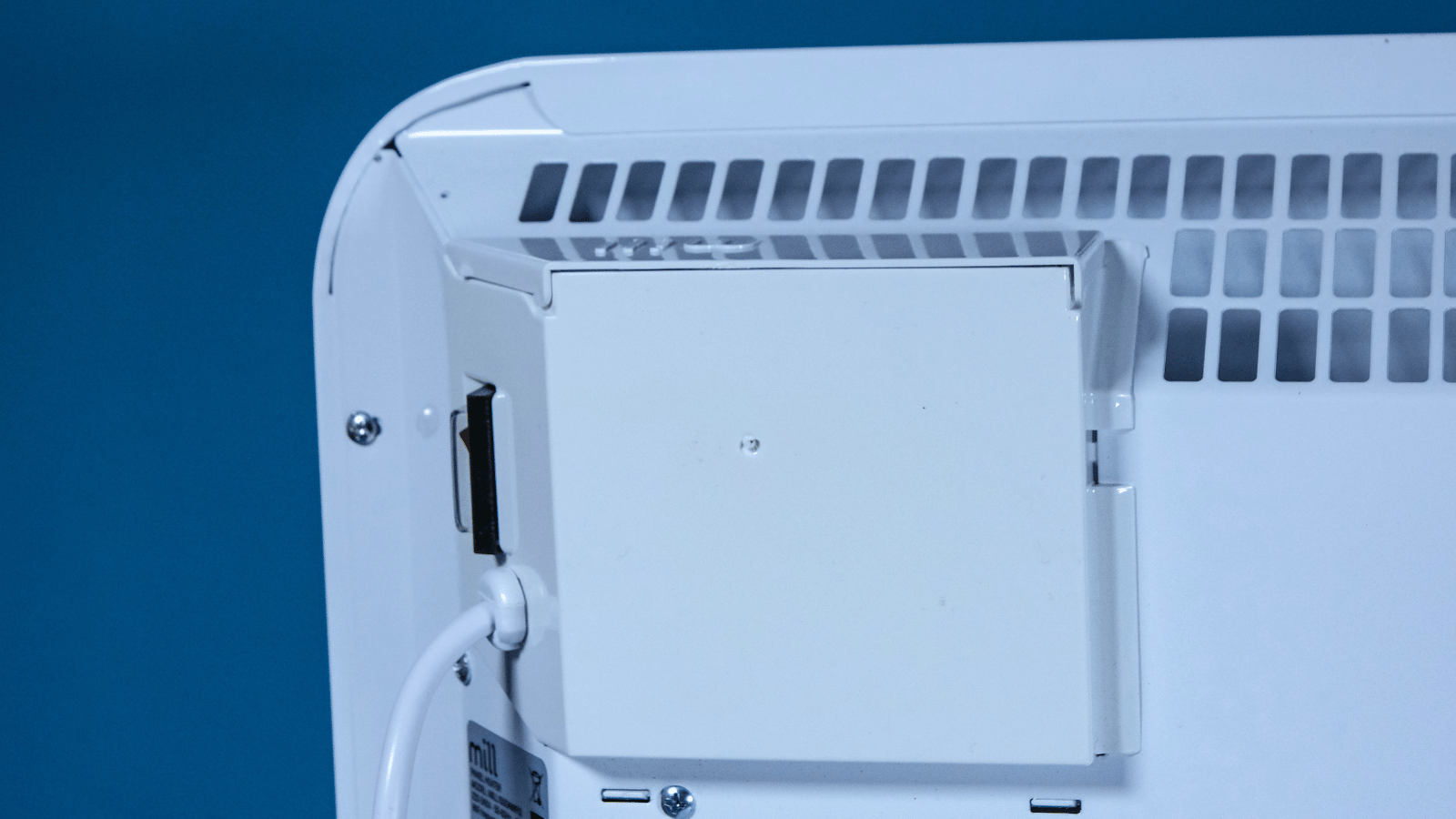
Setup is similarly simple (if you can follow picture instructions). You have the option to wall-mount it or assemble and attach its stand. The former is probably what most people should choose, especially if you already have other kinds of heaters in your home. But we liked the inclusion of the stand. It means you can take it where you need the heat.
After it is set up and powered on, it’s time to connect to your 2.4GHz WiFi band. We struggled with this on more than one occasion. We eventually worked out that it probably wasn’t the heater’s fault, but rather a dodgy router, and we convinced it to play along eventually.
What’s the Matter?
If you’ve ever wanted multi-room heating to go with your multi-room audio, Mill is what you’re after. The companion app allows you to set up the heater as an individual device or as part of a multi-room heating system that works with other Mill heaters to manage your home’s temperature. There’s also a third option. You can forgo the app altogether in favour of adding it to your smart home’s Matter IoT network. We opted for the Mill app, which proved to be more than enough.
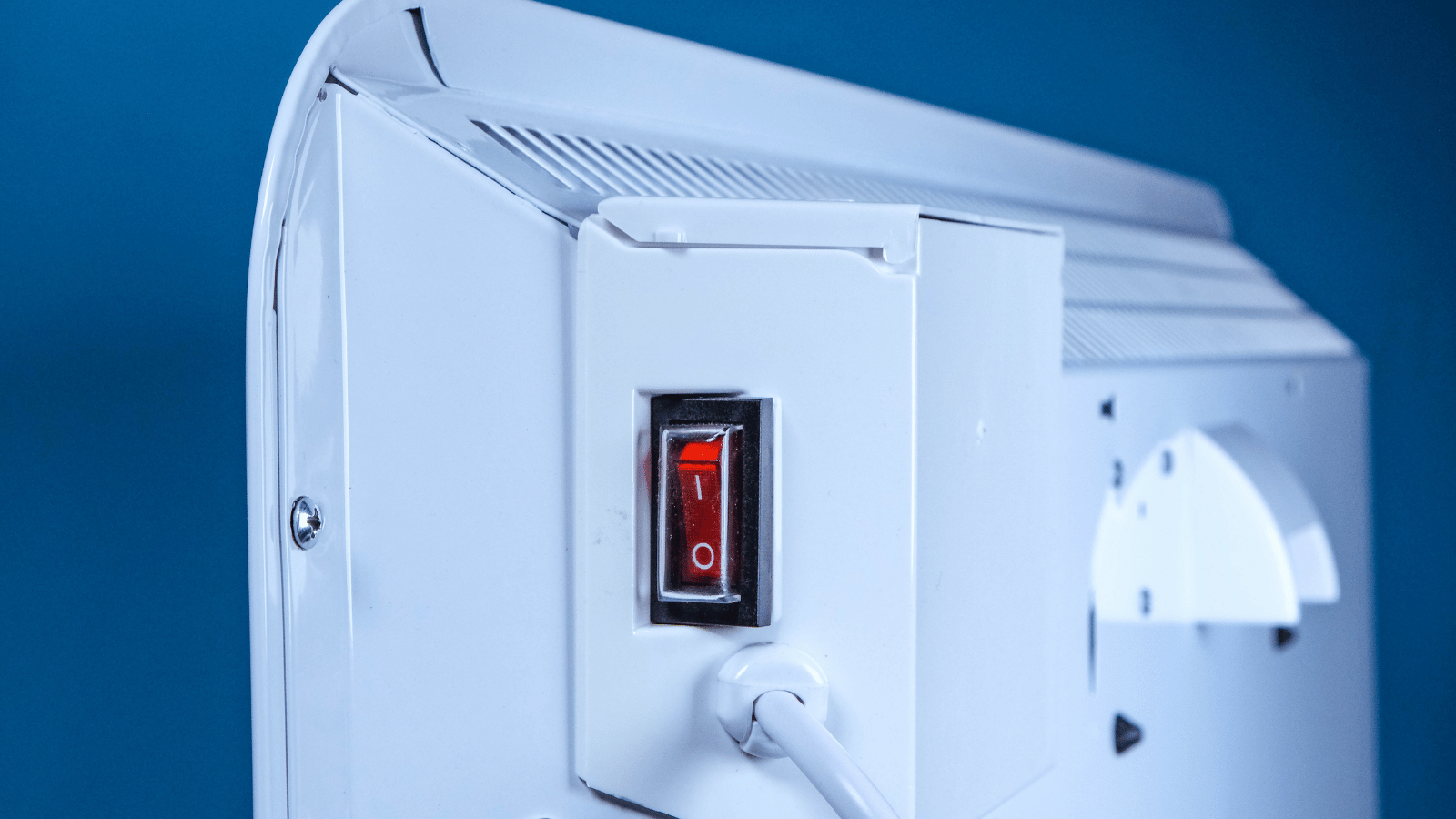
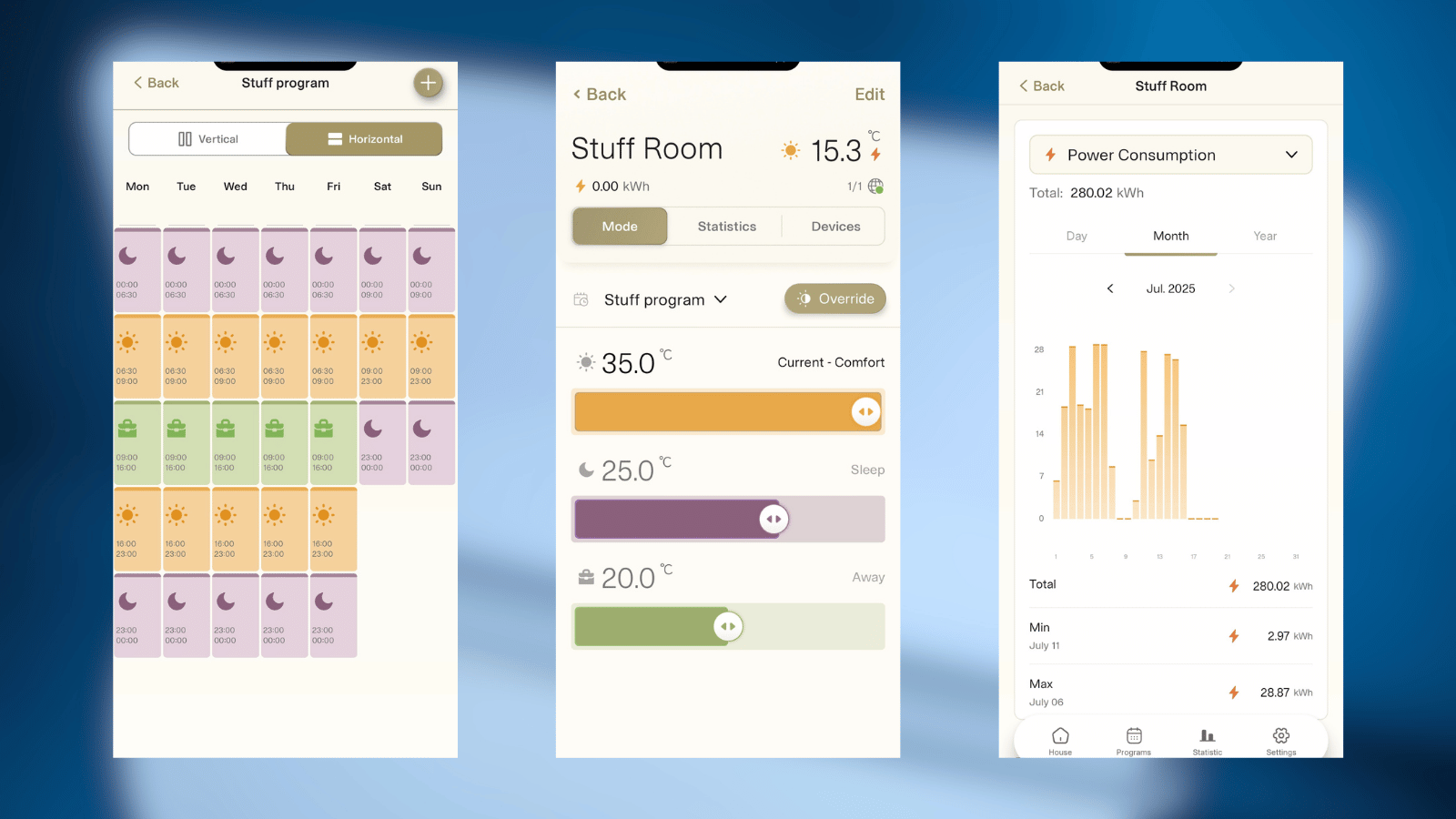
It allows you to set which heaters are in which rooms, control their temperature individually, or set up a heating program. The fourth option can’t really be included with the others, but you also have the option to simply ignore all of this heater’s smart functions and operate it via a small control panel in the back. That seems like a waste.
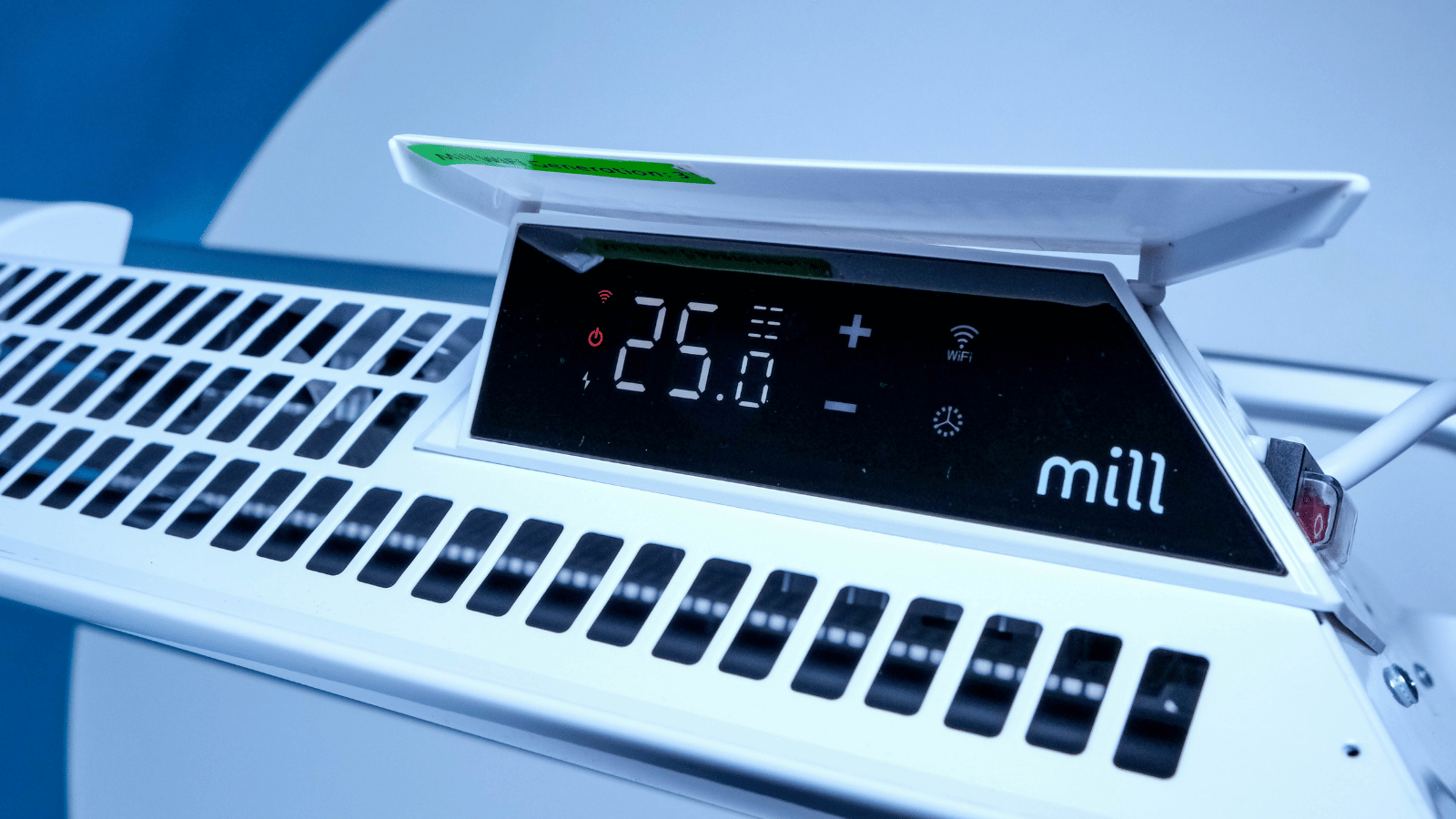
As far as the heater’s performance goes, the fact that we didn’t want to give it back should tell you enough. It kept us adequately toasty during cold spells, operated completely silently, and thanks to the app, its day-to-day operation proved frictionless. There wasn’t much we had to do after setting up its heating program.
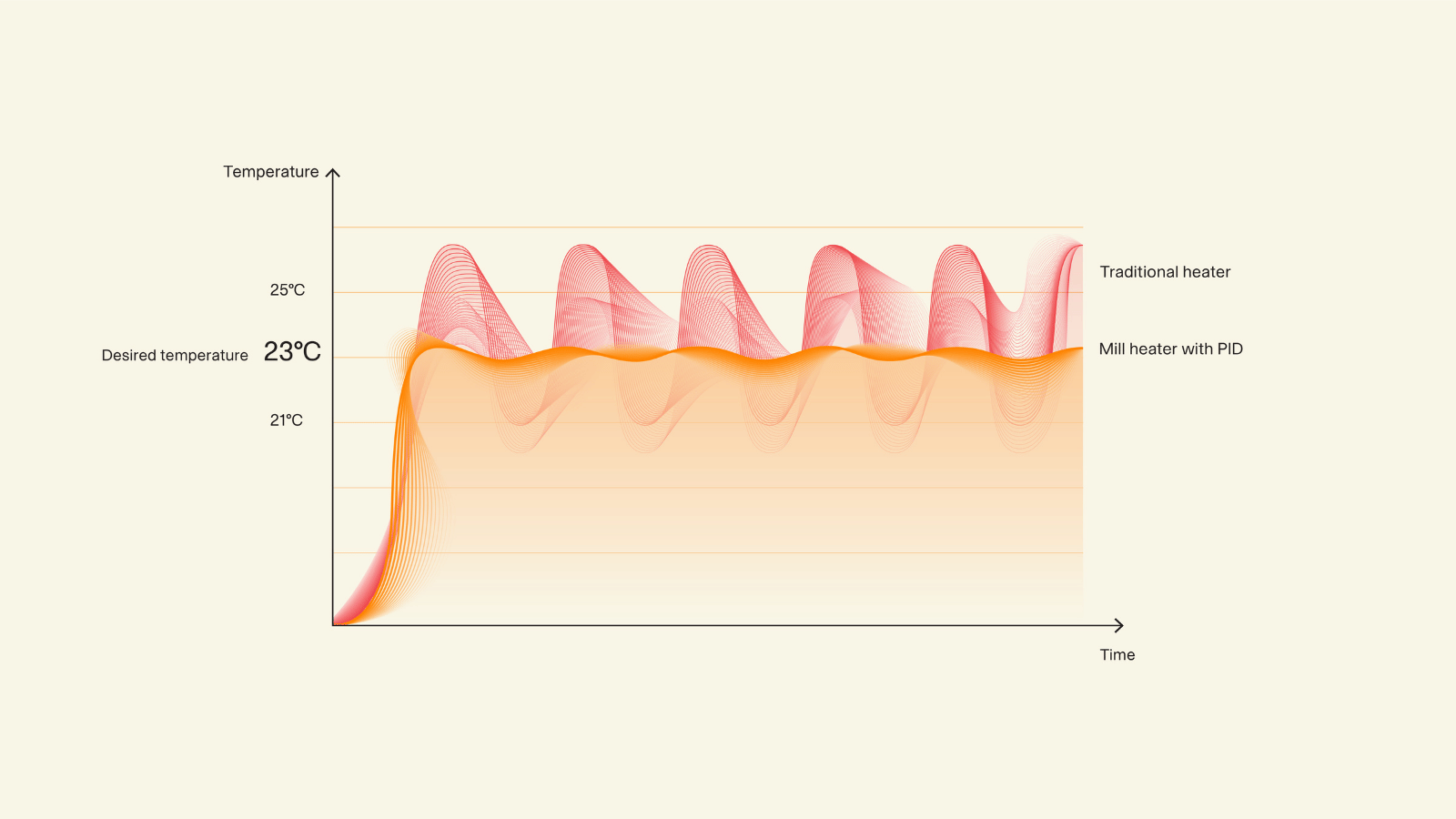
The Mill Invisible WiFi Panel Heater uses PID control — the first to do so, apparently — to accurately maintain its temperature and minimise large fluctuations that require more energy to rectify (see graph below). That, and the fact that you can set when you want it to turn on, how long it should operate, and your desired temperature, means it might be capable of something resembling economical. However…
Our program had the Mill Invisible WiFi Panel Heater on for most of the day every day, so its high power usage wasn’t surprising. For the first half of July (around 14 days), the app reported around 280kWh of power consumption. If you’re trying to keep your electricity bill down, you’ll want to keep a close eye on your program and set strict timers, or this might not be the heater for you.
It’s also worth noting that its performance depends on the room it’s in. This particular model is rated for 18-22m² rooms, and if that happens to be a bathroom for you, firstly, what are you doing with all that bathroom space, and secondly, it should survive thanks to its IPX4 rating.
Mill Invisible WiFi Panel Heater verdict
If it’s a good-looking heater you’re after, this should be near the top of your list. We have no trouble believing it might turn invisible in the right home when mounted on the wall. Especially when you eventually remember it’s there after not having to fiddle with it since it was installed. It might become a tougher sell as you watch your electricity units tick away, but some tweaks to your heating program can help there.
At its recommended retail price of R4,500, you have to really want the snazzy design and smart features, since pure heat output can be had for much less. But as things warm up, sales will roll around (R3,824 at the time of writing), and it becomes much easier to recommend.