
If you’re in a corporate environment that uses Google Meet for virtual meetings, you’re a) super thankful that it’s not Microsoft Teams and b) about to get an all-new feature. The search giant has added a new function to its login process that uses “ultrasound proximity detection” to ascertain that you’re ready to enter a virtual room.
If that sounds super-futuristic, that’s because it is. If it sounds a little disconcerting and somewhat dystopian, you’re a pessimist. Also, it is. But it’ll require Google Meet conferencing hardware to function on your laptop, so it’s unlikely to be spying on you at home. If you own a Google Nest, on the other hand…
Google Meet the future
On the face of it, the new Google Meet feature streamlines logins by eliminating a few of the clicks required to enter a virtual conference. In practice, it’s using your laptop’s microphones to determine that you’re actually in the room. It then highlights the button you need to click, instead of making you hunt around for it.
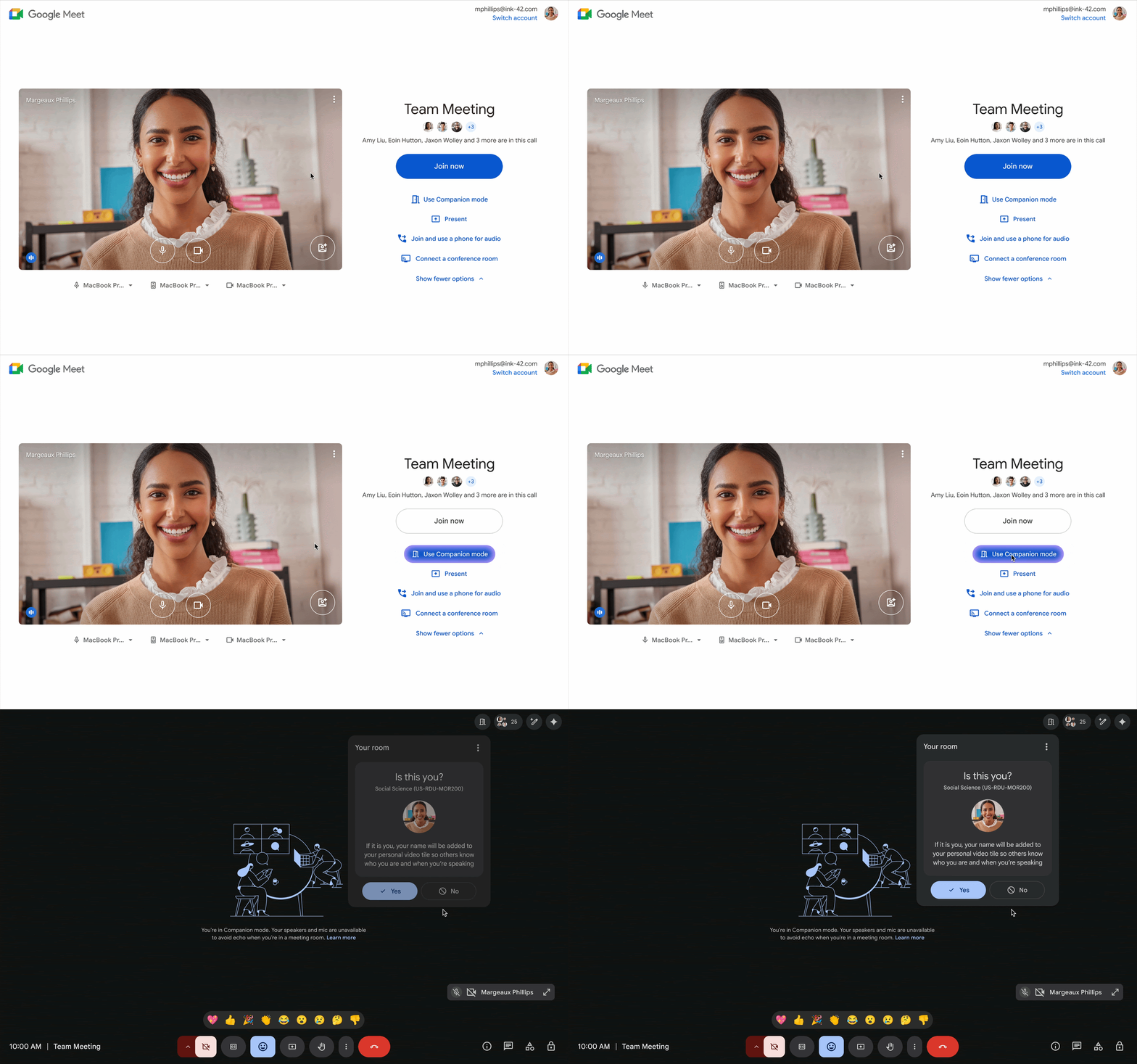
According to Google, the feature “uses your laptop’s microphone to detect an ultrasound signal from the conference room hardware, streamlining the process and eliminating unnecessary steps.” It’ll also prevent “disruptive audio feedback” in the process, ensuring that you’re easily audible during those all-important Q&A sessions.
The disconcerting part comes in when considering the benefits received from ‘ultrasound proximity detection’. Google highlights a button that users have to click manually anyway. In return, users are having their presence mapped by an invisible technology that, if it’s able to detect human movement, can probably also detect the layout of the rooms they’re in.
The function is also present in Google’s Nest devices, where it “uses your Google Nest device’s speakers and microphones to determine whether a person is approaching the device.” The signals emitted bounce off more than just humans, opening the possibility that your home layout is discernible by Google.
If you’re only using Google Meet at work and don’t share a fondness for Nest, that’s less of a problem. Especially in the former’s case, since the new ultrasound login assist only works on the Chrome version of Meet at present. It’s also tied to conferencing gear made by Google, meaning that some of the company’s business hardware must also be present.